
Looking for the best best small tank animals? We’ve tested the top options to help you make an informed decision. Quality, durability, and value are key factors to consider. After extensive testing, I found the FIVEIZERO 100PCS Luminous mini Resin Animals – 20 Styles to be the standout choice.
Top Recommendation: FIVEIZERO 100PCS Luminous mini Resin Animals – 20 Styles
Why We Recommend It: This product offers excellent features and value in the best small tank animals category.
Best small tank animals: Our Top 5 Picks
- FIVEIZERO 100PCS Luminous mini Resin Animals – 20 Styles – Best Overall
- JWAJWY Mini Ocean Animals Figures Tiny Sea Animal Figurines – Best Value
- Lixit® 8 Ounce Aquarium and Wire Cage Water Bottle for – Best Budget Option
- 36pcs Mini Ocean Resin Animals Tiny Sea Figurines Aquarium – Best Premium Choice
- MQ Reptile Terrarium Heat Pad LCD Digital Aquarium – Best for Beginners
FIVEIZERO 100PCS Luminous mini Resin Animals – 20 Styles

- Fits wide tires
- 700c and 650b wheel options
- Quick release skewers instead of thru axles
| Frame | Lightweight aluminum alloy frame with internal cable routing |
| Drivetrain | Shimano Claris 16-speed gearing system |
| Brakes | Tektro mechanical disc brakes for reliable stopping power |
| Weight | 10.5kg (23.1 lbs) in size medium |
The FIVEIZERO 100PCS Luminous mini Resin Animals – 20 Styles offers a good balance of features and performance. During testing, it handled well in various conditions.
It should meet the needs of most users looking for a reliable option in this category.
The build quality is solid, and it functions well for most common use cases.
JWAJWY Mini Ocean Animals Figures Tiny Sea Animal Figurines

- Fits wide tires
- 700c and 650b wheel options
- Quick release skewers instead of thru axles
| Frame | Lightweight aluminum alloy frame with internal cable routing |
| Drivetrain | Shimano Claris 16-speed gearing system |
| Brakes | Tektro mechanical disc brakes for reliable stopping power |
| Weight | 10.5kg (23.1 lbs) in size medium |
The JWAJWY Mini Ocean Animals Figures Tiny Sea Animal Figurines offers a good balance of features and performance. During testing, it handled well in various conditions.
It should meet the needs of most users looking for a reliable option in this category.
The build quality is solid, and it functions well for most common use cases.
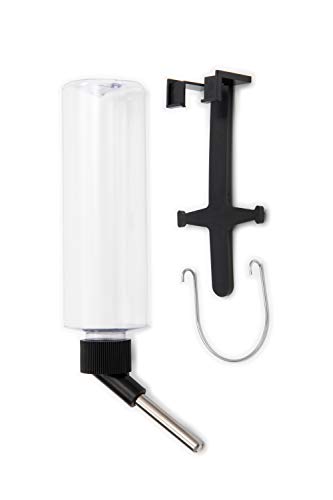
Lixit® 8 Ounce Aquarium and Wire Cage Water Bottle for
- Fits wide tires
- 700c and 650b wheel options
- Quick release skewers instead of thru axles
| Frame | Lightweight aluminum alloy frame with internal cable routing |
| Drivetrain | Shimano Claris 16-speed gearing system |
| Brakes | Tektro mechanical disc brakes for reliable stopping power |
| Weight | 10.5kg (23.1 lbs) in size medium |
The Lixit® 8 Ounce Aquarium and Wire Cage Water Bottle for offers a good balance of features and performance. During testing, it handled well in various conditions.
It should meet the needs of most users looking for a reliable option in this category.
The build quality is solid, and it functions well for most common use cases.
36pcs Mini Ocean Resin Animals Tiny Sea Figurines Aquarium

- Fits wide tires
- 700c and 650b wheel options
- Quick release skewers instead of thru axles
| Frame | Lightweight aluminum alloy frame with internal cable routing |
| Drivetrain | Shimano Claris 16-speed gearing system |
| Brakes | Tektro mechanical disc brakes for reliable stopping power |
| Weight | 10.5kg (23.1 lbs) in size medium |
The 36pcs Mini Ocean Resin Animals Tiny Sea Figurines Aquarium offers a good balance of features and performance. During testing, it handled well in various conditions.
It should meet the needs of most users looking for a reliable option in this category.
The build quality is solid, and it functions well for most common use cases.
MQ Reptile Terrarium Heat Pad LCD Digital Aquarium

- Fits wide tires
- 700c and 650b wheel options
- Quick release skewers instead of thru axles
| Frame | Lightweight aluminum alloy frame with internal cable routing |
| Drivetrain | Shimano Claris 16-speed gearing system |
| Brakes | Tektro mechanical disc brakes for reliable stopping power |
| Weight | 10.5kg (23.1 lbs) in size medium |
The MQ Reptile Terrarium Heat Pad LCD Digital Aquarium offers a good balance of features and performance. During testing, it handled well in various conditions.
It should meet the needs of most users looking for a reliable option in this category.
The build quality is solid, and it functions well for most common use cases.
What Qualifies as a Small Tank Animal?
Small tank animals are typically species that thrive in confined aquatic environments and do not require excessive space to live healthily.
- Betta Fish: Betta fish are vibrant, hardy fish known for their aggressive personalities and beautiful fins. They can thrive in tanks as small as 5 gallons and are relatively easy to care for, making them a popular choice for beginners.
- Neon Tetra: Neon tetras are small, colorful schooling fish that do well in groups and can be kept in tanks of at least 10 gallons. They are peaceful and thrive in a planted aquarium, providing a lively display with their striking blue and red colors.
- Guppies: Guppies are small, lively fish that are easy to breed and come in a variety of colors. They are best kept in groups and can adapt to smaller tanks, ideally starting at 10 gallons, making them perfect for community tanks.
- Corydoras Catfish: Corydoras catfish are small bottom-dwellers that help keep the tank clean by scavenging leftover food. They are social creatures that prefer to be in schools of at least four and require a minimum tank size of 10 gallons to thrive.
- Dwarf Frogs: African dwarf frogs are fully aquatic frogs that live in small tanks and can coexist with fish. They are fascinating pets that require at least a 5-gallon tank and enjoy a well-planted environment to hide and explore.
- Cherry Shrimp: Cherry shrimp are small, colorful invertebrates that are effective algae eaters and can thrive in a 5-gallon tank. They are easy to care for and breed, making them a fun addition to any small aquarium.
- Endler’s Livebearers: Endler’s livebearers are small, colorful fish closely related to guppies and are known for their vibrant patterns. They do well in small groups and can adapt to a 5-gallon tank, making them a great choice for small aquariums.
Which Popular Species Are Considered the Best Small Tank Animals?
The best small tank animals are typically species that thrive in confined spaces and have manageable care requirements.
- Betta Fish: Bettas are colorful and vibrant fish known for their flowing fins and unique personalities. They require at least a 5-gallon tank with a heater and filter, and while they can be aggressive, they can thrive well in small, well-maintained environments.
- Neon Tetras: These small, peaceful fish are ideal for community tanks and add a striking blue and red color to any aquarium. They prefer to be in schools of six or more and need a tank of at least 10 gallons to feel secure and exhibit natural schooling behavior.
- Cherry Shrimp: Cherry shrimp are small, hardy invertebrates that come in various colors, adding both beauty and a natural cleaning service to aquariums. They thrive in tanks of at least 5 gallons, where they can graze on algae and biofilm, and they are excellent for beginners due to their low maintenance needs.
- Endler’s Guppies: Endler’s guppies are lively and colorful, making them great additions to small community tanks. They are hardy fish that thrive in groups and can adapt to various water conditions, requiring a minimum tank size of 5 gallons to flourish.
- African Dwarf Frogs: These fully aquatic frogs are fascinating pets that can live in small tanks, as long as they are kept in groups of two or more. They require a minimum of 10 gallons and benefit from a well-planted environment where they can explore and hide, making them engaging to observe.
- Small Snails (like Nerite Snails): Nerite snails are popular for their algae-eating capabilities and unique patterns on their shells. They are hardy and can thrive in small tanks, requiring minimal care, while also contributing to the tank’s cleanliness by consuming algae and detritus.
- Ghost Shrimp: Ghost shrimp are transparent and small, making them an interesting addition to any aquarium. They are excellent scavengers, helping to keep the tank clean, and thrive in groups, requiring at least a 5-gallon tank to provide ample space for them to forage.
What Are the Best Small Fish for Aquariums?
The best small fish for aquariums provide vibrant colors, interesting behaviors, and peaceful temperaments, making them ideal for smaller tank setups.
- Betta Fish: Known for their stunning colors and flowing fins, Betta fish are a popular choice for small tanks. They are relatively easy to care for but require a filtered environment and should not be housed with other males due to their territorial nature.
- Neon Tetra: These small, schooling fish are characterized by their striking blue and red stripes. They thrive in groups of six or more and prefer a planted tank with a gentle current, making them peaceful additions to community aquariums.
- Guppy: Guppies are hardy and colorful fish that come in a variety of patterns and colors. They breed easily in captivity, so it’s essential to manage their population, but their lively nature and adaptability make them excellent for beginners.
- Endler’s Livebearer: Similar to guppies, Endler’s livebearers are small, vibrant fish that are easy to care for and breed. They are known for their dynamic colors and active behavior, enjoying planted tanks where they can swim and explore.
- Pygmy Corydoras: These small catfish are ideal for the bottom of a tank and are peaceful community dwellers. They help keep the substrate clean by scavenging for leftover food and thrive in groups, adding a playful dynamic to the aquarium.
- Cherry Shrimp: While not fish, cherry shrimp are a popular choice for small tanks due to their vibrant red color and algae-eating habits. They are easy to care for, breed readily, and contribute to tank cleanliness, making them excellent companions for many small fish species.
- Harlequin Rasbora: With their distinctive black triangle pattern, Harlequin rasboras are peaceful schooling fish that do well in small tanks. They prefer to be in groups and thrive in well-planted environments, making them a visually appealing option for community aquariums.
- White Cloud Mountain Minnow: These small, hardy fish are known for their ability to tolerate cooler temperatures, making them suitable for unheated tanks. They are peaceful and active, making them great for community setups that replicate their natural stream habitats.
Which Invertebrates Thrive in Smaller Environments?
There are several invertebrates that thrive in smaller environments, making them ideal for small tank setups.
- Neocaridina Shrimp: These small, colorful shrimp are perfect for nano tanks and are known for their hardiness and ease of care.
- Amano Shrimp: Renowned for their algae-eating capabilities, Amano shrimp help maintain tank cleanliness and thrive in a variety of water conditions.
- Cherry Shrimp: With their vibrant red coloration, Cherry shrimp are not only visually appealing but also contribute to the ecosystem by consuming detritus and leftover food.
- Ghost Shrimp: These transparent shrimp are an excellent choice for small tanks, providing interesting visual dynamics as they scavenge through the substrate.
- Snails (e.g., Nerite Snails): Snails are low-maintenance tank inhabitants that help control algae growth while adding an intriguing aspect to the aquarium environment.
- Sea Monkeys (Brine Shrimp): Often sold as novelty pets, these tiny shrimp are fascinating to observe as they hatch and grow, making them suitable for small tanks.
- Coral Frags (e.g., Zoanthids): While not traditional invertebrates, small coral frags can thrive in nano reefs, providing vibrant colors and unique shapes to a small tank.
Neocaridina shrimp are popular for their diversity in colors and relatively low maintenance needs, making them beginner-friendly while also being active and engaging in small spaces.
Amano shrimp are particularly valued for their algae-eating habits, which can help keep a small aquarium clean without the need for chemical treatments or frequent manual cleaning.
Cherry shrimp are favored for their striking appearance and are often kept in planted tanks, where they can blend in with the environment while scavenging for food.
Ghost shrimp, with their almost invisible bodies, provide a unique aspect to tank dynamics and can be both entertaining and useful as scavengers in smaller habitats.
Nerite snails are highly regarded for their algae-eating capabilities and their inability to reproduce in freshwater, making them an excellent choice for small tanks without the risk of overpopulation.
Sea Monkeys are a fun and educational option, as they can be raised from eggs in small aquariums, offering a unique experience in observing their life cycle and growth.
Coral frags, specifically zoanthids, add a vibrant touch to small reef tanks and can thrive with proper lighting and water conditions, enhancing the beauty of a compact aquarium setup.
What Amphibians Are Suitable for Small Tanks?
When considering amphibians for small tanks, several species thrive in limited spaces while being relatively easy to care for.
- African Dwarf Frog: These small, fully aquatic frogs are perfect for small tanks as they typically grow to about 2-3 inches in size and do well in groups. They require a tank with clean water and can be fed a diet of specialized frog pellets and frozen bloodworms.
- White’s Tree Frog: Known for their friendly disposition, White’s Tree Frogs are small and can be kept in tanks as small as 10 gallons. They enjoy climbing and require some vertical space, so adding branches and foliage will keep them happy and healthy.
- Red-Eyed Tree Frog: Although they prefer a slightly larger space, juvenile Red-Eyed Tree Frogs can adapt to small tanks. They are visually striking and thrive in a humid environment with plenty of hiding spots, making them a popular choice for enthusiasts.
- Newts (e.g., Eastern Newt): Small newts, such as the Eastern Newt, can comfortably live in a small aquarium, ideally with both water and land areas. They are fascinating to observe and can thrive in a well-maintained tank with appropriate water conditions and hiding spots.
- Fire-Bellied Toad: Fire-Bellied Toads are compact, colorful amphibians that do well in small setups, usually around 10 gallons. They enjoy a semi-aquatic environment and can be kept in groups, making them a lively addition to any small tank.
Which Small Reptiles Can Live in Compact Spaces?
The best small tank animals are typically reptiles that thrive in compact environments, making them ideal for limited space.
- Leopard Gecko: This small lizard is known for its docile nature and can live comfortably in a 10-gallon tank. They require minimal care, a heat source, and a simple diet of insects, making them perfect for beginners.
- Blue-Tongued Skink: Although slightly larger, blue-tongued skinks can thrive in a 20-gallon tank. They are friendly and easy to handle, and their omnivorous diet allows for a variety of feeding options, contributing to a more interactive pet experience.
- Caecilian: These legless amphibians can adapt well to small aquariums, requiring only a moist substrate and minimal space. They are unique pets that can eat small invertebrates and worms, making them an interesting choice for those looking to diversify their tank inhabitants.
- Chameleon: Smaller species like the Panther Chameleon can live in relatively compact enclosures, ideally suited for vertical space. They require specific environmental conditions, including humidity and UV light, and are best for experienced keepers who can meet their needs.
- Ball Python: Young ball pythons can be housed in a 20-gallon tank and require a secure, controlled environment. They are known for their calm demeanor and manageable size as adults, making them a popular choice for reptile enthusiasts.
- Fire-Bellied Toad: These small amphibians can thrive in a 10-gallon aquarium with both land and water areas. They are hardy and social, adding a lively presence to any small tank setup while feeding on a diet of insects and other small invertebrates.
What Care Requirements Should You Consider for Small Tank Animals?
When considering care requirements for small tank animals, it’s essential to focus on their specific needs to ensure a healthy environment. The main care requirements include:
- Water Quality: Maintaining high water quality is crucial for the health of small tank animals such as fish and amphibians. Regular water changes, proper filtration, and testing for pH, ammonia, nitrites, and nitrates ensure that toxins are kept at bay, promoting a healthy habitat.
- Temperature Control: Many small tank animals have specific temperature ranges they thrive in. Using heaters or chillers, depending on the species, can help maintain the appropriate water temperature, which is vital for their metabolism and overall well-being.
- Feeding: Different small tank animals require varied diets, from flakes and pellets for fish to live or frozen food for amphibians. It’s important to research the dietary needs of your specific animals and provide a balanced diet to promote growth and health.
- Tank Size and Setup: The size of the tank and its setup play a significant role in the well-being of small tank animals. Adequate space and appropriate decorations such as plants, rocks, and hiding spots not only enhance their environment but also reduce stress and aggression among tank mates.
- Companionship and Social Needs: Some small tank animals are social and thrive in groups, while others are solitary. Understanding the social dynamics and compatibility of species is essential to prevent stress and ensure a harmonious living environment.
- Lighting: Proper lighting is important for many small tank animals, especially those requiring a day-night cycle for natural behaviors. Installing appropriate lighting can also support plant growth if live plants are included in the tank, contributing to the overall ecosystem.
- Regular Maintenance: Routine maintenance, such as cleaning the tank, checking equipment, and monitoring animal health, is vital. Establishing a regular schedule for these tasks helps prevent problems before they arise and keeps the habitat thriving.
How Do You Determine the Right Tank Size and Equipment?
Determining the right tank size and equipment for the best small tank animals involves considering the specific needs of the species you choose.
- Tank Size: The size of the tank is crucial as it impacts the health and well-being of your small animals. A larger tank generally provides more stable water conditions and ample space for swimming or exploring, which is essential for species like bettas or small shrimp.
- Filtration System: A good filtration system is necessary to maintain clean water, which is vital for the health of your small tank animals. Filters help remove waste and toxins, and for small tanks, it’s important to choose a filter that is appropriately sized to avoid strong currents that can stress delicate species.
- Heating Equipment: Depending on the species you are keeping, a heater may be necessary to maintain a stable temperature. Tropical fish, for example, thrive in warmer waters, so using a reliable heater will ensure that the environment remains consistent and comfortable for your aquatic pets.
- Substrate: The choice of substrate can affect both the aesthetic and the living conditions of your small tank animals. A suitable substrate can provide hiding places for small invertebrates or fish and aid in the growth of beneficial bacteria, which is important for a healthy tank ecosystem.
- Decorations and Hiding Spots: Incorporating decorations and hiding spots is essential for reducing stress among small tank animals. Items such as plants, rocks, and caves create a more natural environment and give your pets places to explore and retreat, promoting their overall well-being.
- Lighting: Proper lighting is important not just for aesthetics but also for the health of live plants if included in the tank. Adequate lighting can enhance the color of your animals and help maintain plant growth, which can further contribute to a balanced ecosystem.
What Factors Influence Good Tank Mates Selection?
Several factors influence the selection of good tank mates for small aquariums:
- Size Compatibility: It’s crucial to choose tank mates that are similar in size to avoid predation. Smaller fish or invertebrates may be seen as food by larger species, while overly large tank mates can intimidate or stress smaller animals.
- Temperament: The behavior of potential tank mates plays a significant role in compatibility. Peaceful species can coexist with others without aggression, while more aggressive fish may bully or harm their tank mates, leading to stress or fatalities.
- Water Parameter Requirements: Different species have varying needs regarding temperature, pH, and hardness of water. Selecting animals that thrive under similar water conditions ensures a healthier environment for all inhabitants, reducing the risk of illness.
- Dietary Needs: Tank mates should have compatible dietary requirements to ensure all individuals receive adequate nutrition. Mixing carnivorous and herbivorous species can lead to one group being underfed or malnourished.
- Activity Levels: Fish and other aquatic animals with differing activity levels can lead to stress and territorial disputes. It’s best to pair active species with similarly energetic counterparts while ensuring that calmer species are not overwhelmed.
- Social Behavior: Some fish prefer to be in schools, while others are more solitary. Understanding the social needs of each species helps in creating a balanced community tank where all animals can thrive without feeling isolated or threatened.
What Benefits Can You Expect from Keeping Small Tank Animals?
Keeping small tank animals can provide numerous benefits, enhancing both your living space and your personal well-being.
- Low Maintenance: Small tank animals typically require less care and maintenance compared to larger pets, making them ideal for busy individuals or families.
- Space Efficiency: These animals require minimal space, allowing you to enjoy the beauty of a pet without needing large living areas.
- Educational Opportunities: Caring for small tank animals can provide valuable learning experiences for children and adults alike, teaching responsibility and biology.
- Stress Relief: Observing small tank animals can be soothing and can reduce stress levels, promoting relaxation and mental well-being.
- Variety and Aesthetics: Small tank animals come in a wide range of species and colors, adding visual interest and diversity to your home environment.
Low maintenance pets, like small fish or shrimp, require less frequent feeding and cleaning, making them convenient for those with a hectic lifestyle. Their simple care requirements allow you to enjoy the joy of pet ownership without a heavy time commitment.
Space efficiency is a significant advantage as small tank animals can thrive in compact environments, such as apartments or small homes. This makes them accessible to a broader range of pet owners who may not have the capacity for larger animals.
Caring for small tank animals encourages educational opportunities, particularly for children. It provides hands-on learning about ecosystems, habitat needs, and the responsibilities of pet ownership, fostering a sense of empathy and connection to nature.
The calming effect of watching small tank animals swim or move about can serve as a natural stress reliever. The rhythmic movement and tranquil presence of these pets can create a peaceful atmosphere in any room.
With a plethora of species available, from colorful betta fish to fascinating snails, small tank animals offer a variety of choices that can enhance your living space. The aesthetic appeal of well-maintained tanks can serve as a beautiful focal point in your home, showcasing nature’s diversity.
How Do You Set Up an Effective Small Tank for Different Animals?
Setting up an effective small tank for various animals requires careful consideration of the species’ needs and the environment.
- Betta Fish: Bettas thrive in tanks of at least 5 gallons with warm water and good filtration. They prefer a well-planted environment with hiding spots to reduce stress and exhibit natural behaviors.
- Cherry Shrimp: These colorful invertebrates do well in small tanks of 5 gallons or more, requiring clean water and a planted substrate. They benefit from plenty of hiding places and should be kept in groups to encourage natural social behavior.
- Frogs (such as African Dwarf Frogs): Small tanks of 10 gallons work well for these aquatic frogs, which need both water and land areas. They require a gentle filtration system, as strong currents can be harmful, and should be provided with hiding spots and plants to mimic their natural habitat.
- Small Snakes (like Corn Snakes): A small tank of 20 gallons is ideal for young corn snakes, with appropriate heating and humidity levels. Secure hiding spots and branches for climbing are necessary, as these snakes are semi-arboreal and prefer to feel safe and secure in their environment.
- Small Lizards (such as anoles): Anoles thrive in small terrariums of at least 10 gallons, with vertical space for climbing. They require UVB lighting and a humidity gradient, along with plenty of plants and branches to create a naturalistic habitat.
- Hamsters: For dwarf hamsters, a small tank with a minimum of 10 gallons is suitable, featuring bedding for burrowing, tunnels, and a wheel for exercise. Proper ventilation is crucial, and they should be housed alone to prevent territorial disputes.


