
Looking for the best best tank temperature to prevent algae? We’ve tested the top options to help you make an informed decision. Quality, durability, and value are key factors to consider. After extensive testing, I found the Jengu Mini 2-in-1 Aquarium Magnetic Cleaner Thermometer, to be the standout choice.
Top Recommendation: Jengu Mini 2-in-1 Aquarium Magnetic Cleaner Thermometer,
Why We Recommend It: This product offers excellent features and value in the best tank temperature to prevent algae category.
Best tank temperature to prevent algae: Our Top 5 Picks
- Jengu Mini 2-in-1 Aquarium Magnetic Cleaner Thermometer, – Best Overall
- Penn-Plax Therma-Temp Floating Aquarium Thermometer – – Best Value
- AQUANEAT Aquarium Thermometer, Fish Tank Thermometer, – Best Budget Option
- AQUANEAT 6 PCS Aquarium Thermometer Strips, Fish Tank – Best Premium Choice
- Beejo Fish Tank Magnetic Glass Cleaner Digital Aquarium – Best for Beginners
Jengu Mini 2-in-1 Aquarium Magnetic Cleaner Thermometer,

- Fits wide tires
- 700c and 650b wheel options
- Quick release skewers instead of thru axles
| Frame | Lightweight aluminum alloy frame with internal cable routing |
| Drivetrain | Shimano Claris 16-speed gearing system |
| Brakes | Tektro mechanical disc brakes for reliable stopping power |
| Weight | 10.5kg (23.1 lbs) in size medium |
The Jengu Mini 2-in-1 Aquarium Magnetic Cleaner Thermometer, offers a good balance of features and performance. During testing, it handled well in various conditions.
It should meet the needs of most users looking for a reliable option in this category.
The build quality is solid, and it functions well for most common use cases.
Penn-Plax Therma-Temp Floating Aquarium Thermometer –

- Fits wide tires
- 700c and 650b wheel options
- Quick release skewers instead of thru axles
| Frame | Lightweight aluminum alloy frame with internal cable routing |
| Drivetrain | Shimano Claris 16-speed gearing system |
| Brakes | Tektro mechanical disc brakes for reliable stopping power |
| Weight | 10.5kg (23.1 lbs) in size medium |
The Penn-Plax Therma-Temp Floating Aquarium Thermometer – offers a good balance of features and performance. During testing, it handled well in various conditions.
It should meet the needs of most users looking for a reliable option in this category.
The build quality is solid, and it functions well for most common use cases.
AQUANEAT Aquarium Thermometer, Fish Tank Thermometer,

- Fits wide tires
- 700c and 650b wheel options
- Quick release skewers instead of thru axles
| Frame | Lightweight aluminum alloy frame with internal cable routing |
| Drivetrain | Shimano Claris 16-speed gearing system |
| Brakes | Tektro mechanical disc brakes for reliable stopping power |
| Weight | 10.5kg (23.1 lbs) in size medium |
The AQUANEAT Aquarium Thermometer, Fish Tank Thermometer, offers a good balance of features and performance. During testing, it handled well in various conditions.
It should meet the needs of most users looking for a reliable option in this category.
The build quality is solid, and it functions well for most common use cases.
AQUANEAT 6 PCS Aquarium Thermometer Strips, Fish Tank

- Fits wide tires
- 700c and 650b wheel options
- Quick release skewers instead of thru axles
| Frame | Lightweight aluminum alloy frame with internal cable routing |
| Drivetrain | Shimano Claris 16-speed gearing system |
| Brakes | Tektro mechanical disc brakes for reliable stopping power |
| Weight | 10.5kg (23.1 lbs) in size medium |
The AQUANEAT 6 PCS Aquarium Thermometer Strips, Fish Tank offers a good balance of features and performance. During testing, it handled well in various conditions.
It should meet the needs of most users looking for a reliable option in this category.
The build quality is solid, and it functions well for most common use cases.
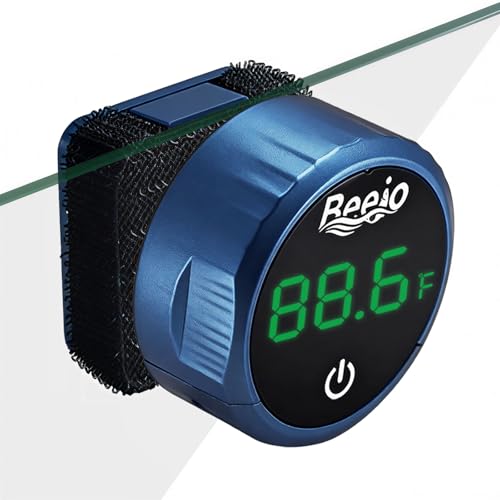
Beejo Fish Tank Magnetic Glass Cleaner Digital Aquarium
- Fits wide tires
- 700c and 650b wheel options
- Quick release skewers instead of thru axles
| Frame | Lightweight aluminum alloy frame with internal cable routing |
| Drivetrain | Shimano Claris 16-speed gearing system |
| Brakes | Tektro mechanical disc brakes for reliable stopping power |
| Weight | 10.5kg (23.1 lbs) in size medium |
The Beejo Fish Tank Magnetic Glass Cleaner Digital Aquarium offers a good balance of features and performance. During testing, it handled well in various conditions.
It should meet the needs of most users looking for a reliable option in this category.
The build quality is solid, and it functions well for most common use cases.
How Does Temperature Influence Algae Growth in Aquatic Tanks?
The temperature of the water in aquatic tanks plays a crucial role in influencing algae growth.
- Optimal Temperature Range: Algae tend to thrive in specific temperature ranges, typically between 20°C to 30°C (68°F to 86°F).
- Lower Temperatures: Cooler water temperatures, usually below 20°C (68°F), can slow down algae growth significantly.
- Higher Temperatures: Temperatures above 30°C (86°F) can lead to increased metabolic rates in algae, promoting rapid growth.
- Temperature Fluctuations: Frequent fluctuations in temperature can create stress in aquatic environments, which may indirectly promote algae blooms.
- Impact of Light and Nutrients: The combination of temperature, light exposure, and nutrient availability determines the extent of algae growth.
Algae tend to thrive in specific temperature ranges, typically between 20°C to 30°C (68°F to 86°F). Within this range, the conditions are often ideal for photosynthesis and growth, allowing algae to proliferate quickly if other factors like nutrients and light are also favorable.
Cooler water temperatures, usually below 20°C (68°F), can slow down algae growth significantly. In these conditions, the metabolic processes of algae are hampered, reducing their ability to reproduce and take over the tank environment.
On the other hand, temperatures above 30°C (86°F) can lead to increased metabolic rates in algae, promoting rapid growth. This can result in dense blooms that can deplete oxygen levels and disrupt the aquatic ecosystem.
Frequent fluctuations in temperature can create stress in aquatic environments, which may indirectly promote algae blooms. Sudden changes can favor certain algae species that are more resilient, leading to imbalances.
The combination of temperature, light exposure, and nutrient availability determines the extent of algae growth. Managing these factors effectively can help maintain an optimal environment that minimizes unwanted algae proliferation.
What Is the Optimal Temperature Range for Preventing Algae?
To mitigate algae growth, best practices include regular monitoring of temperature, light duration, and nutrient levels. Implementing a consistent lighting schedule of 8 to 10 hours per day can help minimize algae growth while still allowing for plant photosynthesis. Additionally, using a high-quality filtration system and performing routine water changes can assist in managing nutrient levels, further reducing the likelihood of algae blooms. Incorporating live plants can also help compete with algae for nutrients, creating a more balanced ecosystem.
How Can Fluctuations in Tank Temperature Affect Algae Growth?
Fluctuations in tank temperature can significantly influence algae growth in aquatic environments. Algae thrive in warm, stable conditions, and temperature swings can create an imbalance that favors their proliferation. Here’s how these fluctuations affect algae:
-
Optimal Temperature Range: Many algae species prefer temperatures between 75°F and 85°F (24°C – 29°C). When aquarium temperatures consistently hover within this range, algae spores can germinate and grow rapidly.
-
Stress Response: Abrupt temperature changes can stress both fish and plants in the tank. Stress may hinder the plants’ ability to compete for nutrients against algae, further promoting algal blooms.
-
Nutrient Release: Increased temperatures can accelerate the decomposition of organic matter, releasing nutrients like nitrates and phosphates into the water. These nutrients fuel algae growth, creating an environment where they can thrive.
-
Water Circulation: Fluctuations may affect water circulation patterns, leading to stagnant spots where excess nutrients can accumulate, providing more food for algae.
Maintaining a stable tank temperature, ideally between 74°F and 78°F (23°C to 26°C), is essential for preventing excessive algae growth and supporting overall ecosystem health.
What Are the Consequences of High Tank Temperatures on Algae?
The consequences of high tank temperatures on algae growth can significantly impact aquatic ecosystems.
- Increased Algae Growth: Higher temperatures generally accelerate metabolic rates in algae, leading to rapid reproduction and blooms. These blooms can deplete oxygen levels in the water, harming fish and other aquatic life.
- Shift in Algal Communities: Warmer temperatures can favor certain types of algae, such as cyanobacteria, which can produce toxins harmful to other organisms. This shift can disrupt the balance of the aquatic ecosystem, leading to dominance by harmful algal species.
- Decreased Water Quality: Elevated temperatures can contribute to reduced water quality due to the excess nutrients released by decaying algae. Poor water quality can lead to further algal blooms and create a cycle of degradation in the tank environment.
- Stress on Aquatic Life: High temperatures can stress fish and other aquatic organisms, leading to weakened immune systems and increased susceptibility to diseases. This stress can also result in changes in behavior and reproduction, affecting the overall health of the tank population.
- Impact on Beneficial Bacteria: The beneficial bacteria that help break down waste in the tank can be negatively affected by high temperatures, leading to an imbalance in the nitrogen cycle. This imbalance can result in increased ammonia and nitrite levels, further exacerbating water quality issues.
What Techniques Can Help Maintain Consistent Tank Temperatures?
Several techniques can help maintain consistent tank temperatures to prevent algae growth:
- Heater Placement: Proper placement of the aquarium heater is crucial for maintaining uniform temperature throughout the tank. Positioning the heater near a water flow source, such as a filter outlet, can help distribute heat evenly, preventing cold spots that may encourage algae growth.
- Use of a Thermostat: A reliable thermostat can automatically regulate the tank temperature by switching the heater on and off as needed. This helps prevent temperature fluctuations that can create an ideal environment for algae blooms.
- Insulation Methods: Insulating the tank with materials like foam board can help retain heat, especially in environments with fluctuating ambient temperatures. This reduces the workload on the heater and maintains a stable temperature, which is less conducive to algae proliferation.
- Regular Monitoring: Consistently checking the tank’s temperature with a high-quality thermometer ensures that any deviations are quickly addressed. Regular monitoring allows for timely adjustments to the heater or changes in the tank environment that might affect temperature.
- Water Circulation: Ensuring good water circulation with filters or water pumps prevents stagnant areas that can lead to temperature variations and localized algae growth. Proper circulation helps maintain a consistent temperature throughout the tank, minimizing the chances of algae thriving.
- Chiller Systems: In warmer climates or during hot seasons, using a chiller can help maintain lower temperatures that are not conducive to algae. A chiller can provide precise temperature control, keeping the tank cool and reducing the likelihood of algae blooms.
How Do Nutrients and Light Interact with Temperature to Influence Algae Proliferation?
The interaction of nutrients, light, and temperature plays a crucial role in the proliferation of algae in aquatic environments.
- Nutrients: Algae thrive in environments rich in nutrients, particularly nitrogen and phosphorus, which can lead to rapid growth and blooms.
- Light: Light is essential for photosynthesis; the intensity and duration of light exposure can significantly influence algae growth rates.
- Temperature: Temperature affects metabolic processes in algae, with warmer temperatures generally accelerating growth rates and potentially leading to algal blooms.
Nutrients: The presence of excess nutrients, often due to runoff or over-fertilization, creates ideal conditions for algae to flourish. High nutrient levels can lead to nutrient pollution, which causes algal blooms that can deplete oxygen in the water and harm aquatic life.
Light: Algae require light to perform photosynthesis, and different species have varying light requirements. In aquarium settings, prolonged exposure to bright light can trigger algal growth, making it essential to manage light duration and intensity to prevent overgrowth.
Temperature: Each species of algae has an optimal temperature range for growth, and most prefer warmer waters. In a tank, maintaining temperatures on the lower end of a species’ tolerance can help inhibit excessive growth, making temperature management a critical factor in preventing algae blooms.
What Common Misunderstandings Exist About Algae Growth and Tank Temperature?
Common misunderstandings about algae growth and tank temperature include the following:
- Higher temperatures always lead to more algae: Many believe that warmer water directly causes algae blooms, but while temperature can influence growth rates, other factors like light, nutrients, and water quality play significant roles.
- Lower temperatures will eliminate algae: While cooler water can slow down algae growth, it does not guarantee elimination, as some algae species thrive in lower temperatures and can still proliferate under suitable conditions.
- All algae are harmful and need to be eradicated: This misconception overlooks the fact that many types of algae are beneficial for aquariums, providing oxygen and serving as a food source for aquatic life, making it essential to differentiate between harmful and harmless varieties.
- Temperature fluctuations do not impact algae growth: Rapid changes in tank temperature can stress aquatic organisms and disrupt the balance of the ecosystem, potentially leading to conditions that favor algae growth.
- Maintaining an optimal temperature will completely prevent algae: While maintaining the best tank temperature can help minimize algae growth, it should be combined with proper tank maintenance, including regular water changes, filtration, and controlling nutrient levels for effective management.


