
Looking for the best best to put together for a 15 gallon tank? We’ve tested the top options to help you make an informed decision. Quality, durability, and value are key factors to consider. After extensive testing, I found the Valley Industries T-015-WWNA-XL Sprayer Tank, 15 Gallon, to be the standout choice.
Top Recommendation: Valley Industries T-015-WWNA-XL Sprayer Tank, 15 Gallon,
Why We Recommend It: This product offers excellent features and value in the best to put together for a 15 gallon tank category.
Best to put together for a 15 gallon tank: Our Top 5 Picks
- Valley Industries T-015-WWNA-XL Sprayer Tank, 15 Gallon, – Best Overall
- DOMICA 100GPH 5W Internal Aquarium Filter Aeration System – Best Value
- Acrylic Fish Tank Divider,15gal/20Gallon Long Tank – Best Budget Option
- Norwesco 20 Gallon Flat Bottom Utility Tank | White, – Best Premium Choice
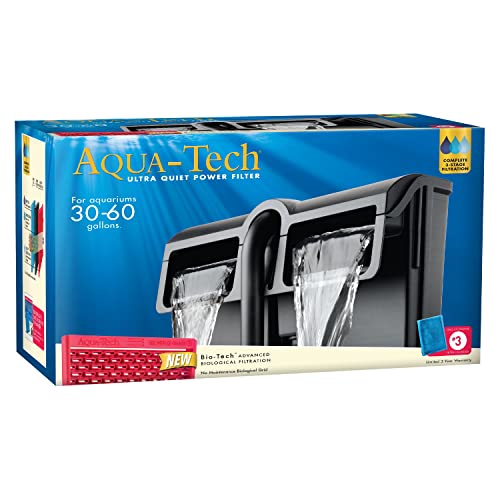
- Aqua-Tech Ultra Quiet Power Filter For Aquariums, 30-60 – Best for Beginners
Valley Industries T-015-WWNA-XL Sprayer Tank, 15 Gallon,

- Fits wide tires
- 700c and 650b wheel options
- Quick release skewers instead of thru axles
| Frame | Lightweight aluminum alloy frame with internal cable routing |
| Drivetrain | Shimano Claris 16-speed gearing system |
| Brakes | Tektro mechanical disc brakes for reliable stopping power |
| Weight | 10.5kg (23.1 lbs) in size medium |
The Valley Industries T-015-WWNA-XL Sprayer Tank, 15 Gallon, offers a good balance of features and performance. During testing, it handled well in various conditions.
It should meet the needs of most users looking for a reliable option in this category.
The build quality is solid, and it functions well for most common use cases.
DOMICA 100GPH 5W Internal Aquarium Filter Aeration System

- Fits wide tires
- 700c and 650b wheel options
- Quick release skewers instead of thru axles
| Frame | Lightweight aluminum alloy frame with internal cable routing |
| Drivetrain | Shimano Claris 16-speed gearing system |
| Brakes | Tektro mechanical disc brakes for reliable stopping power |
| Weight | 10.5kg (23.1 lbs) in size medium |
The DOMICA 100GPH 5W Internal Aquarium Filter Aeration System offers a good balance of features and performance. During testing, it handled well in various conditions.
It should meet the needs of most users looking for a reliable option in this category.
The build quality is solid, and it functions well for most common use cases.
Acrylic Fish Tank Divider,15gal/20Gallon Long Tank

- Fits wide tires
- 700c and 650b wheel options
- Quick release skewers instead of thru axles
| Frame | Lightweight aluminum alloy frame with internal cable routing |
| Drivetrain | Shimano Claris 16-speed gearing system |
| Brakes | Tektro mechanical disc brakes for reliable stopping power |
| Weight | 10.5kg (23.1 lbs) in size medium |
The Acrylic Fish Tank Divider,15gal/20Gallon Long Tank offers a good balance of features and performance. During testing, it handled well in various conditions.
It should meet the needs of most users looking for a reliable option in this category.
The build quality is solid, and it functions well for most common use cases.
Norwesco 20 Gallon Flat Bottom Utility Tank | White,

- Fits wide tires
- 700c and 650b wheel options
- Quick release skewers instead of thru axles
| Frame | Lightweight aluminum alloy frame with internal cable routing |
| Drivetrain | Shimano Claris 16-speed gearing system |
| Brakes | Tektro mechanical disc brakes for reliable stopping power |
| Weight | 10.5kg (23.1 lbs) in size medium |
The Norwesco 20 Gallon Flat Bottom Utility Tank | White, offers a good balance of features and performance. During testing, it handled well in various conditions.
It should meet the needs of most users looking for a reliable option in this category.
The build quality is solid, and it functions well for most common use cases.
Aqua-Tech Ultra Quiet Power Filter For Aquariums, 30-60
- Fits wide tires
- 700c and 650b wheel options
- Quick release skewers instead of thru axles
| Frame | Lightweight aluminum alloy frame with internal cable routing |
| Drivetrain | Shimano Claris 16-speed gearing system |
| Brakes | Tektro mechanical disc brakes for reliable stopping power |
| Weight | 10.5kg (23.1 lbs) in size medium |
The Aqua-Tech Ultra Quiet Power Filter For Aquariums, 30-60 offers a good balance of features and performance. During testing, it handled well in various conditions.
It should meet the needs of most users looking for a reliable option in this category.
The build quality is solid, and it functions well for most common use cases.
What Fish Species Should You Consider for a 15 Gallon Tank?
When selecting fish species for a 15-gallon tank, it’s essential to consider compatibility, size, and temperament.
- Betta Fish: Betta fish are vibrant and hardy, making them a popular choice for smaller tanks. They thrive in peaceful environments but should be kept alone or only with compatible species to prevent aggression.
- Neon Tetras: Neon tetras are small, colorful fish that do well in schools of six or more. They are peaceful and can coexist with other non-aggressive species, making them an excellent addition to a community tank.
- Guppies: Guppies are lively and easy to care for, available in various colors and patterns. They breed easily, so it’s essential to keep a balanced male-to-female ratio to prevent overcrowding from offspring.
- Corydoras Catfish: Corydoras catfish are bottom-dwellers that help keep the tank clean by scavenging for leftover food. They are social fish and should be kept in groups, which can complement the upper levels of the tank occupied by other species.
- Endler’s Livebearers: Similar to guppies but smaller, Endler’s livebearers are colorful and thrive in community settings. They are peaceful and can coexist with other small fish, adding diversity to your tank.
- Cherry Shrimp: While not fish, cherry shrimp can be a great addition to a 15-gallon tank, providing color and helping with algae control. They are peaceful and can coexist with many fish species, although care should be taken with larger or more aggressive fish.
Which Types of Small Fish Are Ideal for a 15 Gallon Setup?
The best small fish to put together for a 15-gallon tank include a variety of species that are peaceful and compatible with each other.
- Neon Tetras: These small, colorful fish are ideal for community tanks due to their peaceful nature and vibrant colors.
- Guppies: Guppies are hardy, easy to care for, and come in a variety of colors, making them a popular choice for beginners.
- Endler’s Livebearers: Similar to guppies, Endler’s livebearers are small, lively fish that thrive in groups and add a splash of color to the tank.
- Cherry Shrimp: While not fish, cherry shrimp are excellent tank mates for small fish, helping to keep the tank clean and adding diversity.
- Harlequin Rasboras: These small, schooling fish are peaceful and do well in groups, making them a great addition to a community tank.
Neon Tetras are small, typically growing to about an inch long, and their striking blue and red coloration makes them a favorite for many aquarists. They thrive in schools of six or more and prefer slightly acidic water conditions.
Guppies are known for their adaptability and prolific breeding, which can be exciting for fish keepers. These fish are very easy to care for and come in a multitude of colors, making them visually appealing in any aquarium setup.
Endler’s Livebearers are often considered a variation of guppies, but they are smaller and have a more delicate appearance. They are also livebearers, which means they give birth to live young, and they do best in groups to display their natural behaviors.
Cherry Shrimp can coexist with small fish species without any issues and play a vital role in the aquarium ecosystem by consuming algae and detritus. They are colorful and add an interesting dynamic to the tank, but they need hiding spots to feel secure.
Harlequin Rasboras are small, friendly fish that can grow up to two inches and are known for their distinct black triangular markings. They prefer to be in schools of at least six, which helps them feel secure and reduces stress in the aquarium environment.
How Can You Create a Balanced Community with Fish in a 15 Gallon Aquarium?
Creating a balanced community in a 15-gallon aquarium requires careful selection of compatible fish species that thrive together in a smaller environment.
- Neon Tetras: These small, colorful fish are peaceful and do well in schools, making them ideal for community tanks. They prefer slightly acidic to neutral water and can coexist with many other non-aggressive species.
- Guppies: Known for their vibrant colors and lively nature, guppies are hardy and easy to care for. They adapt well to various water conditions and can be kept in groups, but it’s important to manage gender ratios to prevent overbreeding.
- Corydoras Catfish: These bottom-dwelling fish are social creatures that thrive in groups and help keep the tank clean by scavenging for leftover food. They prefer soft substrates and can coexist peacefully with other fish, making them a great addition to a community tank.
- Betta Fish: While male bettas can be territorial, they can live with certain non-aggressive species in a 15-gallon tank if carefully chosen. Keeping them with peaceful fish and providing plenty of hiding spots can help reduce stress and aggression.
- Platies: Platies are hardy, colorful fish that adapt well to various water conditions. They are livebearers, so be mindful of the male-to-female ratio to prevent overcrowding, and they generally get along well with other community fish.
- Rasboras: These schooling fish are known for their peaceful demeanor and vibrant colors, making them excellent companions in a 15-gallon tank. They thrive in groups of six or more and prefer densely planted tanks to feel secure.
What Types of Plants Are Best for Enhancing a 15 Gallon Tank?
Choosing the right plants for a 15-gallon tank can significantly enhance both the aesthetics and the health of the aquatic environment.
- Anubias: Anubias is a hardy aquatic plant that thrives in low to moderate light conditions, making it ideal for beginners. It can be attached to rocks or driftwood and provides excellent cover for fish, creating a natural habitat.
- Amazon Sword: The Amazon Sword is a popular choice due to its broad leaves that offer shade and hiding spots for fish. It requires a nutrient-rich substrate and moderate lighting to grow well, making it a stunning focal point in a 15-gallon tank.
- Java Fern: Java Fern is another low-maintenance plant that can grow in a variety of water conditions. It can be tied to decorations or substrate and does not require substrate planting, which makes it versatile for various tank setups.
- Cryptocoryne: Cryptocoryne plants come in various species, each with unique leaf shapes and colors, providing visual diversity. They prefer stable water conditions and moderate lighting, making them well-suited for a 15-gallon tank when properly acclimated.
- Water Wisteria: Water Wisteria is a fast-growing plant that helps absorb excess nutrients, improving water quality in the tank. Its bright green, feathery leaves create a lush environment and can be trimmed easily to manage growth.
- Hornwort: Hornwort is a floating or submerged plant that offers excellent cover for fish and helps oxygenate the water. It grows rapidly and competes with algae for nutrients, making it a beneficial addition to maintain tank health.
What Live Plants Thrive in a 15 Gallon Aquatic Environment?
For a 15-gallon aquatic environment, several live plants can thrive together, enhancing both aesthetics and water quality.
- Anubias: This hardy plant is ideal for beginners and can thrive in low to moderate light conditions. Anubias can be attached to rocks or driftwood, making it versatile for different aquascapes.
- Java Fern: Known for its lush, green foliage, Java Fern does well in a variety of water conditions and can tolerate low light. It reproduces through plantlets that grow on the leaves, adding to its appeal in a tank.
- Amazon Sword: A popular choice for larger aquariums, the Amazon Sword grows tall and provides excellent cover for fish. It requires nutrient-rich substrate and moderate lighting to flourish optimally.
- Cryptocoryne: This plant comes in various species, each with unique leaf shapes and colors, making it a great choice for diversity. Cryptocoryne prefers low to medium light and can adapt to various water parameters.
- Water Wisteria: This fast-growing plant can help control algae by absorbing excess nutrients from the water. Water Wisteria prefers moderate lighting and can be planted in the substrate or floated on the surface.
- Hornwort: A floating or submerged plant, Hornwort provides excellent cover for fish and promotes oxygenation in the tank. It grows rapidly and can help absorb excess nutrients, making it great for maintaining water quality.
- Marimo Moss Balls: These unique spherical algae balls are not only visually appealing but also help improve water quality by absorbing nitrates. They require low to moderate light and can be placed anywhere in the tank.
How Do Artificial Plants Compare to Live Plants in a 15 Gallon Aquarium?
| Aspect | Artificial Plants | Live Plants |
|---|---|---|
| Appearance | Consistent color and shape, no seasonal changes. | Varies with growth and health, can change color over time. |
| Maintenance | Low maintenance, requires no care or special lighting. | Requires regular pruning, fertilization, and proper lighting. |
| Cost | Usually cheaper upfront, but may need replacement over time. | Higher initial cost, but can thrive long-term with proper care. |
| Effect on Water Quality | No impact; does not contribute to oxygenation or filtration. | Improves water quality by producing oxygen and absorbing CO2. |
| Impact on Fish Behavior | Provides hiding spots but may not mimic natural behavior. | Encourages natural behavior and provides shelter for fish. |
| Potential for Algae Growth | Less likely to promote algae growth. | Can contribute to algae growth if not maintained properly. |
| Variety of Plant Types | Available in various styles and sizes but lacks biodiversity. | Offers diverse species that can enhance the ecosystem. |
| Ease of Installation | Simple to place and rearrange within the aquarium. | May require specific substrates and care for proper installation. |
Which Equipment Is Necessary for a Thriving 15 Gallon Tank?
Substrate: The substrate serves as the tank’s foundation, impacting both aesthetics and the biological processes that occur within the tank. Different substrates can affect water chemistry and provide a suitable environment for beneficial bacteria and plant roots, making the choice of substrate an important consideration.
Water conditioner: A water conditioner is necessary to remove harmful chemicals such as chlorine and chloramine from tap water, ensuring a safe environment for fish. This step is vital when setting up a new tank or performing water changes, as untreated tap water can be lethal to sensitive aquatic life.
Test kits: Regular water testing is essential, so test kits for pH, ammonia, nitrites, and nitrates help monitor the tank’s health. Keeping an eye on these parameters allows for timely interventions to prevent any potential issues that could harm the aquatic inhabitants.
Decorations and hiding spots: Adding decorations and plants not only enhances the visual appeal but also provides fish with hiding spots, reducing stress and promoting natural behavior. This makes the environment more stimulating and comfortable, allowing fish to exhibit their natural instincts and thrive.
How Do You Choose the Best Filter for a 15 Gallon Aquarium?
Choosing the best filter for a 15-gallon aquarium involves considering several key factors to ensure optimal water quality and fish health.
- Filter Type: The main types of filters suitable for a 15-gallon tank include hang-on-back (HOB) filters, canister filters, and sponge filters.
- Filter Flow Rate: It’s essential to select a filter with an appropriate flow rate, ideally 4-5 times the tank volume per hour.
- Filtration Stages: Look for filters that offer multiple stages of filtration—mechanical, chemical, and biological—for comprehensive water cleaning.
- Ease of Maintenance: Choose a filter that is easy to clean and maintain, as this will encourage regular upkeep and help keep your aquarium healthy.
- Noise Level: Consider the noise level of the filter, especially if your aquarium is in a living space where noise could be disruptive.
Filter Type: A hang-on-back (HOB) filter is popular for 15-gallon tanks due to its ease of installation and effective filtration. Canister filters offer superior filtration and are more versatile, while sponge filters are ideal for breeding tanks and gentle filtration.
Filter Flow Rate: The flow rate is crucial because it ensures that the water is circulated adequately, preventing stagnation and promoting oxygen exchange. For a 15-gallon aquarium, a filter with a flow rate of around 60-75 gallons per hour is recommended to maintain optimal water conditions.
Filtration Stages: Multi-stage filtration improves water quality significantly by removing debris, toxins, and waste products. Mechanical filtration captures particulate matter, chemical filtration removes impurities, and biological filtration supports beneficial microorganisms that break down harmful substances.
Ease of Maintenance: A filter that is easy to clean will save time and effort in the long run. Look for filters with accessible parts that can be easily removed and cleaned, which encourages you to perform regular maintenance without hassle.
Noise Level: Some filters can be noisy, which may not be suitable for homes or offices where tranquility is desired. Check product reviews to find filters known for quiet operation, ensuring a peaceful environment for both you and your aquatic pets.
What Are the Top Lighting Options for a 15 Gallon Setup?
The best lighting options for a 15-gallon tank include:
- LED Strip Lights: LED strip lights are energy-efficient and come in various color temperatures, making them versatile for both freshwater and planted tanks.
- Fluorescent Bulbs: These bulbs are a traditional choice, providing a broad spectrum of light that promotes healthy plant growth and enhances the tank’s aesthetics.
- Compact Fluorescent Lights (CFL): CFLs are more compact than standard fluorescent bulbs and are ideal for smaller setups, offering high brightness and energy efficiency.
- Metal Halide Lights: For aquarists interested in high light demands, metal halide lights deliver intense illumination and are excellent for growing demanding aquatic plants or keeping reef tanks.
- Smart LED Fixtures: These fixtures often come with adjustable brightness and color settings, allowing you to customize lighting schedules and intensities for optimal growth and aesthetics.
LED strip lights are popular due to their low heat output and long lifespan, making them suitable for both fish and plant health. They can be easily installed along the edges of the tank and are available in various colors, enhancing the visual appeal of the aquarium.
Fluorescent bulbs provide a balanced light spectrum that benefits both fish and plants. They are widely available and can be found in different sizes, making them an accessible option for a 15-gallon setup, though they may require more frequent replacement than LEDs.
Compact fluorescent lights (CFL) are an efficient choice that allows for bright, focused light in a smaller form factor, making them perfect for aquariums with limited space. These bulbs are also available in various wattages, enabling customization based on the specific needs of the tank’s inhabitants.
Metal halide lights are known for their intense brightness, making them suitable for high-demand environments like reef tanks or densely planted aquariums. However, they consume more energy and generate more heat, necessitating careful consideration regarding tank placement and cooling solutions.
Smart LED fixtures offer advanced features that can enhance the aquarium experience, such as programmable light cycles and color adjustments. These options allow aquarists to simulate natural lighting conditions, which can lead to healthier growth patterns for plants and create an appealing environment for fish.
What Essential Care Tips Should You Follow for Your 15 Gallon Tank?
Regular water changes are one of the simplest yet most effective ways to maintain a healthy aquarium. Changing about 10-20% of the water weekly helps to dilute harmful substances while introducing fresh, clean water to the tank.
Selecting compatible fish is vital to avoid aggression and stress within the tank. Researching the temperament and space requirements of different species can help you create a peaceful community tank.
Providing adequate decor and hiding spots not only enhances the visual appeal of the tank but also gives fish places to hide and feel secure, which is especially important during times of stress.
Feeding your fish the right amount and type of food is critical for their health. It’s important to follow feeding guidelines and to avoid overfeeding, as excess food can lead to water quality issues and health problems for the fish.
How Frequently Should You Change Water in a 15 Gallon Aquarium?
The frequency of water changes in a 15-gallon aquarium depends on several factors, including the type of fish, the presence of plants, and filtration efficiency.
- Weekly Water Changes: For heavily stocked tanks or those with sensitive fish species, changing 10-15% of the water weekly is ideal.
- Biweekly Water Changes: If the tank is moderately stocked, a water change of 15-20% every two weeks can help maintain water quality.
- Monthly Water Changes: In lightly stocked aquariums or those with efficient filtration systems, changing 20-30% of the water once a month may suffice.
- Testing Water Parameters: Regularly testing the water for ammonia, nitrites, and nitrates can provide guidance on when to change water, regardless of a set schedule.
- Observing Fish Behavior: Keeping an eye on fish activity and health can signal the need for a water change; lethargic or stressed fish often indicate poor water quality.
Weekly water changes are crucial for heavily stocked tanks or when keeping delicate species, as these environments can accumulate toxins rapidly. By replacing a small percentage of water each week, harmful substances can be diluted, promoting a healthier habitat.
For moderately stocked aquariums, biweekly changes of 15-20% help to balance maintenance with the stability of the tank’s ecosystem. This frequency strikes a good equilibrium for many fish keepers, allowing for less frequent disruption while still ensuring adequate water quality.
In lightly stocked tanks, a monthly change of 20-30% may be sufficient, especially if the filtration system is robust and the fish are thriving. This approach reduces the workload for the aquarist while maintaining the necessary care for the aquatic environment.
Testing water parameters regularly is essential for all aquarium types, as it allows you to monitor the levels of harmful substances and adjust your water change schedule accordingly. This proactive approach can prevent potential issues before they arise.
Lastly, observing fish behavior is an important, albeit often overlooked, method of assessing water quality. Changes in activity levels, feeding habits, or general health can signal that it’s time for a water change, providing an intuitive way to maintain a thriving aquarium.
What Are the Key Signs That Indicate a Healthy Aquarium?
The key signs that indicate a healthy aquarium include:
- Clear Water: The water in a healthy aquarium should be crystal clear and free from any debris or cloudiness.
- Stable Water Parameters: Consistent levels of pH, ammonia, nitrite, and nitrate indicate a balanced environment for aquatic life.
- Healthy Fish Behavior: Fish should display active and natural behaviors, such as swimming openly and interacting with their environment.
- Vibrant Plant Growth: Live plants should exhibit lush, green foliage, indicating they are thriving and contributing to the ecosystem.
- Minimal Algae Growth: A small amount of algae is normal, but excessive growth can indicate imbalances in the tank’s conditions.
Clear water is crucial as it suggests effective filtration and low levels of pollutants, which are essential for the well-being of fish and other aquatic organisms.
Stable water parameters are vital; fluctuations can stress fish or lead to health issues, so regular testing and maintenance are necessary to keep these levels in check.
Healthy fish behavior is a strong indicator of a thriving aquarium; if fish are lethargic, hiding, or exhibiting unusual swimming patterns, it may signal underlying problems.
Vibrant plant growth not only enhances the aesthetic of an aquarium but also ensures oxygenation and provides shelter for fish, supporting a balanced ecosystem.
While some algae are beneficial, excessive growth can lead to oxygen depletion and compete with plants for nutrients, which is why monitoring is essential to maintain a healthy balance.
Related Post:

