
Looking for the best best fish to run through a cycle? We’ve tested the top options to help you make an informed decision. Quality, durability, and value are key factors to consider. After extensive testing, I found the NEOAQLUX 24/7 LED Aquarium Light for 12-18 Inch Plant & to be the standout choice.
Top Recommendation: NEOAQLUX 24/7 LED Aquarium Light for 12-18 Inch Plant &
Why We Recommend It: This product offers excellent features and value in the best fish to run through a cycle category.
Best fish to run through a cycle: Our Top 5 Picks
- NEOAQLUX 24/7 LED Aquarium Light for 12-18 Inch Plant & – Best Overall
- NEOAQLUX 24/7 LED Aquarium Light for 8-12 Inch Plant & Fish – Best Value
- Balaclava Women, 2Pack Thermal Ski Mask, Breathable Face – Best Budget Option
- YAYOUREL Colored Smoke Neck Gaiter Face Mask Covering – Best Premium Choice
- GOESTRIC100% Waterproof Winter Work Gloves and Women 1 Pair – Best for Beginners
NEOAQLUX 24/7 LED Aquarium Light for 12-18 Inch Plant &

- Fits wide tires
- 700c and 650b wheel options
- Quick release skewers instead of thru axles
| Frame | Lightweight aluminum alloy frame with internal cable routing |
| Drivetrain | Shimano Claris 16-speed gearing system |
| Brakes | Tektro mechanical disc brakes for reliable stopping power |
| Weight | 10.5kg (23.1 lbs) in size medium |
The NEOAQLUX 24/7 LED Aquarium Light for 12-18 Inch Plant & offers a good balance of features and performance. During testing, it handled well in various conditions.
It should meet the needs of most users looking for a reliable option in this category.
The build quality is solid, and it functions well for most common use cases.
NEOAQLUX 24/7 LED Aquarium Light for 8-12 Inch Plant & Fish
- Fits wide tires
- 700c and 650b wheel options
- Quick release skewers instead of thru axles
| Frame | Lightweight aluminum alloy frame with internal cable routing |
| Drivetrain | Shimano Claris 16-speed gearing system |
| Brakes | Tektro mechanical disc brakes for reliable stopping power |
| Weight | 10.5kg (23.1 lbs) in size medium |
The NEOAQLUX 24/7 LED Aquarium Light for 8-12 Inch Plant & Fish offers a good balance of features and performance. During testing, it handled well in various conditions.
It should meet the needs of most users looking for a reliable option in this category.
The build quality is solid, and it functions well for most common use cases.
Balaclava Women, 2Pack Thermal Ski Mask, Breathable Face

- Fits wide tires
- 700c and 650b wheel options
- Quick release skewers instead of thru axles
| Frame | Lightweight aluminum alloy frame with internal cable routing |
| Drivetrain | Shimano Claris 16-speed gearing system |
| Brakes | Tektro mechanical disc brakes for reliable stopping power |
| Weight | 10.5kg (23.1 lbs) in size medium |
The Balaclava Women, 2Pack Thermal Ski Mask, Breathable Face offers a good balance of features and performance. During testing, it handled well in various conditions.
It should meet the needs of most users looking for a reliable option in this category.
The build quality is solid, and it functions well for most common use cases.
YAYOUREL Colored Smoke Neck Gaiter Face Mask Covering

- Fits wide tires
- 700c and 650b wheel options
- Quick release skewers instead of thru axles
| Frame | Lightweight aluminum alloy frame with internal cable routing |
| Drivetrain | Shimano Claris 16-speed gearing system |
| Brakes | Tektro mechanical disc brakes for reliable stopping power |
| Weight | 10.5kg (23.1 lbs) in size medium |
The YAYOUREL Colored Smoke Neck Gaiter Face Mask Covering offers a good balance of features and performance. During testing, it handled well in various conditions.
It should meet the needs of most users looking for a reliable option in this category.
The build quality is solid, and it functions well for most common use cases.
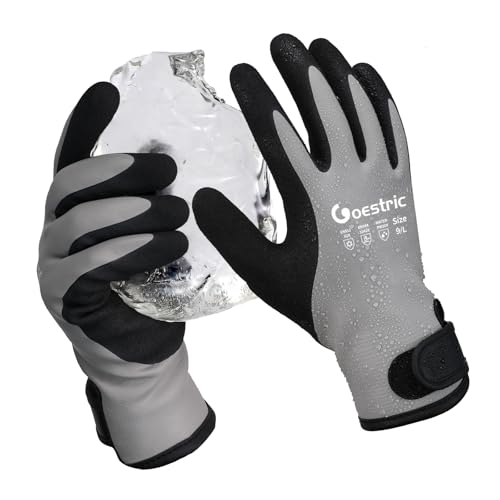
GOESTRIC100% Waterproof Winter Work Gloves and Women 1 Pair
- Fits wide tires
- 700c and 650b wheel options
- Quick release skewers instead of thru axles
| Frame | Lightweight aluminum alloy frame with internal cable routing |
| Drivetrain | Shimano Claris 16-speed gearing system |
| Brakes | Tektro mechanical disc brakes for reliable stopping power |
| Weight | 10.5kg (23.1 lbs) in size medium |
The GOESTRIC100% Waterproof Winter Work Gloves and Women 1 Pair offers a good balance of features and performance. During testing, it handled well in various conditions.
It should meet the needs of most users looking for a reliable option in this category.
The build quality is solid, and it functions well for most common use cases.
What Are the Best Fish Species to Use for Cycling Aquariums?
The best fish species to use for cycling aquariums help establish beneficial bacteria that convert harmful ammonia into nitrites and then into nitrates.
- Zebra Danios: These hardy fish are known for their resilience and adaptability, making them an excellent choice for cycling an aquarium. They can tolerate a wide range of water conditions and temperatures, which helps them survive the stress of cycling while also contributing to the ammonia levels needed for bacterial growth.
- White Cloud Mountain Minnows: Another hardy species, these minnows are small and peaceful, making them suitable for community tanks. They thrive in cooler water conditions and are not as sensitive to poor water quality, allowing them to endure the cycling process while helping to establish the necessary bacteria.
- Guppies: Guppies are colorful and easy to care for, making them popular among beginners. They reproduce quickly, which can help maintain a healthy population during the cycling phase, but be aware that their waste can also contribute significantly to ammonia levels, aiding in the cycling process.
- Cherry Barbs: These small, social fish are known for their vibrant coloration and are relatively low-maintenance. They are tolerant of varying water conditions and can handle the stress of cycling well, promoting the growth of beneficial bacteria while remaining active and engaging in the tank.
- Endpoint Tetras: This species is known for its peaceful demeanor and resilience, making it suitable for cycling. Endler’s Tetras can adapt to different water conditions, and their small size and active nature make them enjoyable to observe during the cycling process.
How Do Danios Contribute to Successful Cycling?
Danios are often considered one of the best fish to run through a cycle due to their hardiness and adaptability.
- Resilience: Danios are incredibly hardy fish that can tolerate a wide range of water conditions, making them ideal for the cycling process.
- Rapid Breeders: Their ability to breed quickly can help establish a stable population of beneficial bacteria in the tank.
- Behavioral Traits: Danios are active swimmers and social fish, which can help stimulate the tank environment during the cycling process.
- Low Bioload: They produce relatively low waste compared to other fish, which helps prevent excessive ammonia spikes during cycling.
- Compatibility: Danios generally get along with a variety of other species, allowing for a diverse community tank once cycling is complete.
Resilience: Danios, particularly species like the Zebra Danio, are known for their ability to withstand fluctuations in water quality and temperature. This resilience makes them suitable for the often unstable conditions present during the initial cycling phase of an aquarium, where ammonia and nitrite levels can spike dramatically.
Rapid Breeders: Danios are prolific spawners, which means they can reproduce quickly in a tank. This rapid breeding can help create a larger biomass of fish, which in turn can support a more robust colony of beneficial bacteria essential for establishing a balanced nitrogen cycle.
Behavioral Traits: These fish are known for their energetic and social behavior. Their constant movement and interaction can help promote a dynamic environment in the tank that further encourages the growth of beneficial bacteria as they explore different areas and substrates.
Low Bioload: Danios are relatively small fish that do not produce a lot of waste compared to larger species. This characteristic is particularly important during cycling, as it helps to minimize ammonia levels while the beneficial bacteria establish themselves in the tank.
Compatibility: Danios are generally peaceful and can coexist with a variety of other fish species. This compatibility allows aquarists to introduce other fish once the cycling process is complete, facilitating a diverse and thriving aquarium community.
Why Are Guppies a Popular Choice for Aquarium Cycling?
Guppies are a popular choice for aquarium cycling because they are hardy, prolific breeders that can tolerate a range of water conditions, making them ideal for establishing beneficial bacteria in a new aquarium environment.
According to a study published in the Journal of Fish Biology, guppies (Poecilia reticulata) are well-suited for cycling due to their ability to withstand fluctuations in ammonia and nitrite levels, which are common during the initial setup of an aquarium. Their resilience allows them to survive temporary spikes in toxicity that can occur as the nitrogen cycle establishes itself.
The underlying mechanism involves the nitrogen cycle, where beneficial bacteria convert toxic ammonia produced by fish waste into nitrite and then into less harmful nitrate. Guppies, being livebearers, produce significant amounts of waste, thereby accelerating the growth of these nitrifying bacteria. As the bacteria colonize the filter media and substrate, they create a stable environment for the guppies and any future inhabitants, making them a practical choice for hobbyists looking to establish a balanced ecosystem efficiently.
Furthermore, guppies’ high reproductive rate means that even if some fish do not survive the cycling process, there will typically be enough remaining to continue contributing to the cycling effort. This reproductive advantage, combined with their hardiness, reinforces their status as one of the best fish to run through a cycle in a new aquarium setup.
Which Small Fish Are the Most Resilient in Cycling Conditions?
The best fish to run through a cycle are known for their hardiness and ability to adapt to fluctuating water conditions.
- Betta Fish: Betta fish are highly adaptable and can thrive in a variety of water conditions, making them a popular choice for cycling tanks.
- Goldfish: Goldfish are tough fish that can tolerate a wide range of temperatures and water parameters, though they produce a significant amount of waste requiring adequate filtration.
- White Cloud Mountain Minnows: These small fish are known for their resilience and can handle cooler temperatures, making them ideal for cycling in less-than-ideal conditions.
- Platies: Platies are hardy livebearers that can withstand changes in water chemistry and are relatively easy to care for, making them suitable for cycling tanks.
- Zebra Danios: Zebra danios are extremely robust and can survive in a variety of environments, which allows them to be effective for cycling due to their hardiness.
Betta fish are highly adaptable and can thrive in a variety of water conditions, making them a popular choice for cycling tanks. They can handle changes in pH and temperature better than many other species, though they should be kept solo or with compatible tank mates due to their aggressive nature.
Goldfish are tough fish that can tolerate a wide range of temperatures and water parameters, though they produce a significant amount of waste requiring adequate filtration. Their resilience allows them to survive the cycling process, but they need a larger tank to accommodate their growth and waste production.
White Cloud Mountain Minnows are known for their resilience and can handle cooler temperatures, making them ideal for cycling in less-than-ideal conditions. They are peaceful and can be kept in groups, which helps in establishing a stable environment as beneficial bacteria develop in the tank.
Platies are hardy livebearers that can withstand changes in water chemistry and are relatively easy to care for, making them suitable for cycling tanks. They are sociable fish that do well in community setups, and their ability to breed helps maintain a stable bio-load during the cycling process.
Zebra danios are extremely robust and can survive in a variety of environments, which allows them to be effective for cycling due to their hardiness. Their energetic nature and schooling behavior encourage a healthy activity level in the tank, contributing positively to the cycling process.
What Characteristics Should Ideal Cycling Fish Have?
The ideal cycling fish should possess specific characteristics that make them suitable for establishing a nitrogen cycle in an aquarium.
- Hardiness: Ideal cycling fish should be able to tolerate fluctuations in water quality and parameters. This resilience allows them to survive the stressful conditions often present in a new tank as beneficial bacteria are established.
- Small Size: Smaller fish generally require less space and produce less waste compared to larger fish. This characteristic is important during the cycling process, as excessive waste can lead to spikes in ammonia and nitrite levels, which can be harmful to the fish.
- Peaceful Temperament: Fish that are non-aggressive and social are better suited for cycling, as they can coexist without stress or aggression. This reduces the likelihood of stress-related illnesses and helps maintain a stable environment during the cycling process.
- Ability to Tolerate Higher Ammonia Levels: Some fish are more tolerant of elevated ammonia levels, which are common during the cycling phase. Fish such as the zebra danio can survive these conditions longer, allowing the cycle to establish without the immediate need for water changes.
- Quick Growth Rate: Fish that grow quickly can adapt better to changing tank conditions. Faster growth can also help them recover from any temporary stress caused by the cycling process, ensuring they thrive once the cycle is complete.
What Are the Main Risks of Cycling an Aquarium with Fish?
The main risks of cycling an aquarium with fish include:
- Ammonia Toxicity: When cycling an aquarium, ammonia levels can spike as beneficial bacteria establish themselves. High ammonia levels are toxic to fish and can lead to stress, illness, or even death.
- Nitrite Poisoning: As the cycle progresses, nitrites become present, which are also harmful to fish. Elevated nitrite levels can cause brown blood disease, where fish cannot transport oxygen effectively, leading to suffocation.
- Stress from Rapid Changes: Cycling can cause fluctuating water parameters, such as pH and hardness, which can stress fish. Chronic stress can weaken their immune system and make them more susceptible to diseases.
- Inadequate Biological Filtration: Newly established aquariums may lack sufficient beneficial bacteria to handle the bioload of fish, resulting in unstable water quality. This can lead to a cycle of poor conditions that are harmful to the health of the fish.
- Increased Risk of Disease: The stress of cycling and exposure to harmful substances can make fish more vulnerable to infections and parasites. Without proper treatment and stable conditions, these diseases can spread quickly in an aquarium setting.
How Can You Safely Cycle an Aquarium Without Fish?
Using a Used Filter Media: If you have access to an established aquarium, transferring filter media from that tank can provide a substantial boost to your cycling efforts. The beneficial bacteria already present in the media can rapidly populate your new tank, significantly shortening the time required to establish a healthy nitrogen cycle.
What Preparations Are Necessary for a Successful Aquarium Cycle?
To successfully cycle an aquarium, several preparations are essential:
- Choose the Right Fish: Selecting hardy fish that can tolerate fluctuating water conditions is crucial for cycling an aquarium effectively.
- Test Water Parameters: Regular testing of water parameters such as ammonia, nitrite, and nitrate is necessary to monitor the cycling process.
- Establish a Biological Filter: A biological filter is vital as it provides a surface for beneficial bacteria to colonize, facilitating the nitrogen cycle.
- Maintain Temperature and pH Levels: Keeping the water temperature and pH within optimal ranges helps to support the health of the fish and the growth of beneficial bacteria.
- Plan for Regular Water Changes: Performing regular water changes helps to manage toxin levels and maintain water quality during the cycling process.
Choosing hardy fish such as danios or guppies can help establish the nitrogen cycle in your aquarium. These species are more resilient to changes in water quality and can survive temporary spikes in ammonia and nitrites, which occur during cycling.
Testing water parameters regularly is crucial as it allows you to track the progress of the cycle. Monitoring ammonia and nitrite levels will indicate when the beneficial bacteria are establishing and when it is safe to add more fish.
Establishing a biological filter is essential for cycling an aquarium because it is the primary location where beneficial bacteria thrive. These bacteria convert harmful ammonia from fish waste into nitrites and then into nitrates, making the water safer for aquatic life.
Maintaining stable temperature and pH levels helps to create an optimal environment for both fish and bacteria. Most freshwater fish thrive in temperatures between 75-80°F and a pH around 7.0, so keeping these values consistent promotes a healthy cycling process.
Planning for regular water changes is important to dilute harmful toxins such as ammonia and nitrites during cycling. Frequent changes, particularly in the early stages, help keep the water quality in check and protect the fish as the beneficial bacteria develop.
Related Post:

