
Looking for the best best flower pot for fish tank? We’ve tested the top options to help you make an informed decision. Quality, durability, and value are key factors to consider. After extensive testing, I found the 10-Inches Large Lotus Bowl Planter Clear Glass Lotus Flower to be the standout choice.
Top Recommendation: 10-Inches Large Lotus Bowl Planter Clear Glass Lotus Flower
Why We Recommend It: This product offers excellent features and value in the best flower pot for fish tank category.
Best flower pot for fish tank: Our Top 2 Picks
- 10-Inches Large Lotus Bowl Planter Clear Glass Lotus Flower – Best Overall
- Cape Craftsmen 7″ Hand-Blown Blue Tinted Bubble Glass On – Best Value
10-Inches Large Lotus Bowl Planter Clear Glass Lotus Flower

- Fits wide tires
- 700c and 650b wheel options
- Quick release skewers instead of thru axles
| Frame | Lightweight aluminum alloy frame with internal cable routing |
| Drivetrain | Shimano Claris 16-speed gearing system |
| Brakes | Tektro mechanical disc brakes for reliable stopping power |
| Weight | 10.5kg (23.1 lbs) in size medium |
The 10-Inches Large Lotus Bowl Planter Clear Glass Lotus Flower offers a good balance of features and performance. During testing, it handled well in various conditions.
It should meet the needs of most users looking for a reliable option in this category.
The build quality is solid, and it functions well for most common use cases.
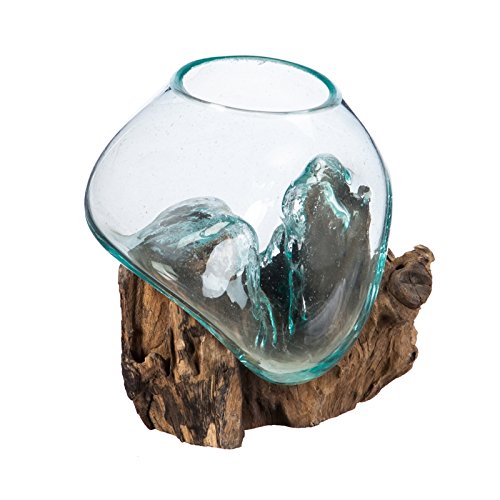
Cape Craftsmen 7″ Hand-Blown Blue Tinted Bubble Glass On
- Fits wide tires
- 700c and 650b wheel options
- Quick release skewers instead of thru axles
| Frame | Lightweight aluminum alloy frame with internal cable routing |
| Drivetrain | Shimano Claris 16-speed gearing system |
| Brakes | Tektro mechanical disc brakes for reliable stopping power |
| Weight | 10.5kg (23.1 lbs) in size medium |
The Cape Craftsmen 7″ Hand-Blown Blue Tinted Bubble Glass On offers a good balance of features and performance. During testing, it handled well in various conditions.
It should meet the needs of most users looking for a reliable option in this category.
The build quality is solid, and it functions well for most common use cases.
What Characteristics Make a Flower Pot Suitable for a Fish Tank?
The best flower pots for fish tanks possess specific characteristics that ensure safety and functionality for aquatic environments.
- Non-toxic Material: The flower pot should be made from materials that are safe for aquatic life, such as ceramic or certain plastics that do not leach harmful chemicals into the water.
- Porous Structure: A good flower pot has a porous structure that allows for water flow and oxygen exchange, which is essential for maintaining a healthy environment for fish and plants alike.
- Weight and Stability: The pot should be heavy enough to avoid floating or tipping over in the tank, ensuring that it remains stable under water conditions.
- Size Appropriateness: The size of the flower pot must be suitable for the tank’s dimensions and the species of fish, providing enough space for plants and not overcrowding the aquatic habitat.
- Drainage Holes: Ideally, the pot should have drainage holes to prevent water from stagnating, which can lead to poor water quality and affect the health of the fish.
Non-toxic materials are crucial for ensuring that fish do not come into contact with any harmful substances that could lead to health issues. Common materials like untreated clay or glazed ceramic are often preferred, as they are less likely to leach toxins than painted or plastic pots.
A porous structure aids in creating a beneficial environment by allowing beneficial bacteria to colonize, which helps in breaking down waste and maintaining water quality. This feature also supports plant growth, as roots can access nutrients more effectively.
Weight and stability are essential to prevent any disturbances in the tank, particularly in tanks with active fish. A pot that is too light may float or be easily displaced, leading to unnecessary stress for fish and disrupting the tank’s ecosystem.
Choosing the appropriate size ensures that the fish have adequate swimming space while also allowing plants to thrive. A pot that is too large can take up valuable space, while one that is too small may not provide enough room for root systems, negatively impacting plant health.
Lastly, drainage holes are important as they allow excess water to escape, preventing water from becoming stagnant and reducing the risk of harmful bacteria growth. This feature also helps to maintain appropriate moisture levels for both the plants and the surrounding aquatic life.
Which Materials Are Most Effective for Flower Pots in Aquariums?
The best materials for flower pots in aquariums include:
- Terracotta: Terracotta pots are porous and allow for good water flow, which helps promote healthy root growth. They also provide a natural appearance that blends well with aquatic environments, but can leach minerals into the water, so it’s important to monitor water chemistry.
- Plastic: Plastic pots are lightweight, durable, and resistant to rot, making them a practical choice for aquariums. They come in various shapes and sizes, but it’s essential to ensure they are aquarium-safe and free from harmful chemicals that could leach into the water.
- Ceramic: Ceramic pots are sturdy and often come in decorative designs that can enhance the aesthetic of an aquarium. They are non-porous, which means they won’t leach substances into the water, but it’s crucial to ensure they are fully glazed and safe for aquatic use.
- Concrete: Concrete pots are very stable and can be beneficial for larger aquatic setups. However, they can be heavy and may leach calcium into the water, which could affect pH levels; therefore, it’s advisable to seal them before use in an aquarium.
- Glass: Glass pots offer a sleek and modern look, allowing for a clear view of the plants within. They are non-porous and easy to clean, but can be fragile and may not be suitable for all aquarium setups due to potential breakage.
How Do You Determine the Right Size of a Flower Pot for Your Fish Tank?
Choosing the right size of a flower pot for your fish tank involves several factors to ensure a harmonious environment for both the plants and the fish. Consider the following aspects:
-
Tank Dimensions: Measure the height, width, and depth of your aquarium. A pot that’s too large can take up excessive space, reducing the swimming area for your fish. Ideally, pots should complement the tank’s scale.
-
Plant Type: Different aquatic plants have varying root structures and growth patterns. For instance:
- Shallow-rooted plants: Use smaller pots (3-6 inches in diameter).
-
Deep-rooted species: Opt for larger pots (6-10 inches or more).
-
Water Flow: Ensure the pot allows for adequate water circulation. A size that is too large may impede flow and affect water quality.
-
Aesthetic Balance: Consider how the pot’s size fits with other decorations and plants in the tank. The goal is to create a visually appealing layout without overcrowding.
-
Material Consideration: If using non-porous materials, ensure the pot is heavy enough to prevent floating, but not so heavy that it damages the tank glass.
Taking these factors into account will help you select the ideal flower pot size for your aquarium setup.
What Safety Considerations Should You Assess When Choosing a Flower Pot for Fish?
When choosing a flower pot for a fish tank, several safety considerations should be assessed to ensure the well-being of the aquatic environment:
- Material Safety: It’s crucial to select pots made from non-toxic materials such as ceramic or certain plastics that are safe for aquatic life.
- Absence of Chemicals: Ensure that the pot hasn’t been treated with harmful chemicals or coatings that could leach into the water and affect fish health.
- Shape and Size: The pot should have appropriate dimensions to prevent fish from getting trapped, and its shape should provide hiding spots without creating sharp edges.
- Drainage Features: A pot with proper drainage holes can help maintain water quality by preventing stagnant water, which can be harmful to fish.
- Weight Stability: Choose a heavier pot to prevent it from tipping over easily, which could disturb the tank’s ecosystem and cause stress to the fish.
- Cleaning Ease: Opt for pots that are easy to clean to avoid the buildup of algae or waste that could compromise water quality.
Material safety is essential as certain materials can leach harmful substances into the water, potentially endangering the fish. Non-toxic materials, like unglazed ceramic or certain aquarium-safe plastics, are recommended to ensure a safe environment.
The absence of chemicals is another critical factor; many pots are treated with coatings or glazes that may contain harmful substances. It’s important to verify that any pot used in a fish tank is free from such treatments to avoid contaminating the water.
Considering the shape and size of the pot is necessary to ensure that fish can swim freely and find shelter without risk of entrapment. Ideally, the pot should have smooth edges and a design that allows fish to navigate safely around it.
Proper drainage features help maintain water quality by preventing the buildup of stagnant water within the pot, which can lead to harmful conditions for fish. Drainage holes facilitate water movement, aiding filtration and oxygenation.
Weight stability is vital to prevent the pot from tipping over, which can disrupt the tank’s ecosystem and stress fish. A stable pot reduces the risk of accidents and disturbances in the tank.
Finally, the ease of cleaning should not be overlooked; pots that are difficult to clean can accumulate waste and algae, which can adversely affect water quality. Opting for pots with a smooth surface or simple design can make maintenance much easier.
What Benefits Do Flower Pots Provide in an Aquarium Setting?
Flower pots can serve as decorative elements, adding color and variety to the aquarium landscape. Their diverse shapes and sizes allow for creative aquascaping, making the tank visually appealing while catering to the needs of the fish.
When used with aquatic plants, they can help in biological filtration, improving water quality by breaking down toxins. This process contributes to a healthier environment for fish, ultimately leading to better growth and longevity.
Some fish species prefer to breed in secluded spaces, and flower pots can provide an ideal location for this activity. Creating a comfortable breeding environment can help increase the chances of successful reproduction in the aquarium.
How Can You Properly Maintain Flower Pots in Your Fish Tank?
Maintaining flower pots in a fish tank is essential for ensuring both plant health and the well-being of aquatic life. Here are key tips for proper care:
-
Regular Cleaning: Remove any debris or algae that accumulate on the pot and around the soil. A soft brush or sponge can help clean the surfaces without harming the plants or fish.
-
Water Quality: Ensure the water quality is optimal, as dirty or contaminated water can affect plants and fish. Regular testing and appropriate water changes are crucial.
-
Root Care: Monitor the growth of roots to prevent them from becoming too densely packed, which can hinder plant growth. Trim any overgrown roots carefully.
-
Soil Management: Use appropriate substrate that supports plant growth while not releasing harmful substances into the water. Regularly check the soil for compaction and replace it as needed to promote healthy root development.
-
Lighting and Nutrients: Ensure that the plants have adequate light and nutrients. Consider using liquid fertilizers specifically designed for aquatic environments.
-
Compatibility: Verify that the selected flower pots are made from fish-safe materials, avoiding any that can leach harmful chemicals into the water.
By following these guidelines, you can maintain healthy flower pots that enhance both the aesthetic of your tank and the health of its inhabitants.
Related Post:

