
Looking for the best best iron for planted aquarium? We’ve tested the top options to help you make an informed decision. Quality, durability, and value are key factors to consider. After extensive testing, I found the Brightwell Aquatics Florin-Fe Aquarium Plant Iron Formula, to be the standout choice.
Top Recommendation: Brightwell Aquatics Florin-Fe Aquarium Plant Iron Formula,
Why We Recommend It: This product offers excellent features and value in the best iron for planted aquarium category.
Best iron for planted aquarium: Our Top 5 Picks
- Brightwell Aquatics Florin-Fe Aquarium Plant Iron Formula, – Best Overall
- AquaBoost Bloom All-in-One Liquid Fertilizer for Aquarium – Best Value
- Flourish Iron, 4 L / 1 fl. gal – Best Budget Option
- NilocG ThriveTabs Root Fertilizer Tablets for Planted – Best Premium Choice
- FZONE Aquarium Plant Fertilizer, Iron Fertilizer for – Best for Beginners
Brightwell Aquatics Florin-Fe Aquarium Plant Iron Formula,

- Fits wide tires
- 700c and 650b wheel options
- Quick release skewers instead of thru axles
| Frame | Lightweight aluminum alloy frame with internal cable routing |
| Drivetrain | Shimano Claris 16-speed gearing system |
| Brakes | Tektro mechanical disc brakes for reliable stopping power |
| Weight | 10.5kg (23.1 lbs) in size medium |
The Brightwell Aquatics Florin-Fe Aquarium Plant Iron Formula, offers a good balance of features and performance. During testing, it handled well in various conditions.
It should meet the needs of most users looking for a reliable option in this category.
The build quality is solid, and it functions well for most common use cases.
AquaBoost Bloom All-in-One Liquid Fertilizer for Aquarium

- Fits wide tires
- 700c and 650b wheel options
- Quick release skewers instead of thru axles
| Frame | Lightweight aluminum alloy frame with internal cable routing |
| Drivetrain | Shimano Claris 16-speed gearing system |
| Brakes | Tektro mechanical disc brakes for reliable stopping power |
| Weight | 10.5kg (23.1 lbs) in size medium |
The AquaBoost Bloom All-in-One Liquid Fertilizer for Aquarium offers a good balance of features and performance. During testing, it handled well in various conditions.
It should meet the needs of most users looking for a reliable option in this category.
The build quality is solid, and it functions well for most common use cases.
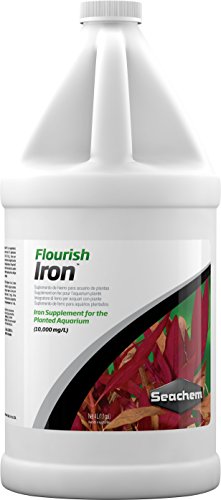
Flourish Iron, 4 L / 1 fl. gal
- Fits wide tires
- 700c and 650b wheel options
- Quick release skewers instead of thru axles
| Frame | Lightweight aluminum alloy frame with internal cable routing |
| Drivetrain | Shimano Claris 16-speed gearing system |
| Brakes | Tektro mechanical disc brakes for reliable stopping power |
| Weight | 10.5kg (23.1 lbs) in size medium |
The Flourish Iron, 4 L / 1 fl. gal offers a good balance of features and performance. During testing, it handled well in various conditions.
It should meet the needs of most users looking for a reliable option in this category.
The build quality is solid, and it functions well for most common use cases.
NilocG ThriveTabs Root Fertilizer Tablets for Planted

- Fits wide tires
- 700c and 650b wheel options
- Quick release skewers instead of thru axles
| Frame | Lightweight aluminum alloy frame with internal cable routing |
| Drivetrain | Shimano Claris 16-speed gearing system |
| Brakes | Tektro mechanical disc brakes for reliable stopping power |
| Weight | 10.5kg (23.1 lbs) in size medium |
The NilocG ThriveTabs Root Fertilizer Tablets for Planted offers a good balance of features and performance. During testing, it handled well in various conditions.
It should meet the needs of most users looking for a reliable option in this category.
The build quality is solid, and it functions well for most common use cases.
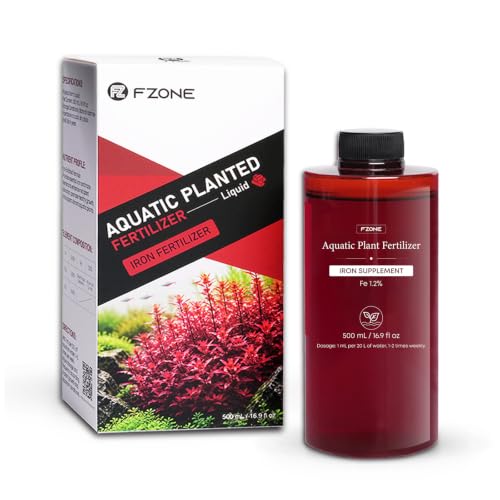
FZONE Aquarium Plant Fertilizer, Iron Fertilizer for
- Fits wide tires
- 700c and 650b wheel options
- Quick release skewers instead of thru axles
| Frame | Lightweight aluminum alloy frame with internal cable routing |
| Drivetrain | Shimano Claris 16-speed gearing system |
| Brakes | Tektro mechanical disc brakes for reliable stopping power |
| Weight | 10.5kg (23.1 lbs) in size medium |
The FZONE Aquarium Plant Fertilizer, Iron Fertilizer for offers a good balance of features and performance. During testing, it handled well in various conditions.
It should meet the needs of most users looking for a reliable option in this category.
The build quality is solid, and it functions well for most common use cases.
Why is Iron Essential for Plant Health in a Planted Aquarium?
Furthermore, in a planted aquarium, the balance of nutrients is critical. An excess of other nutrients may inhibit iron uptake due to competition, which is a phenomenon known as nutrient antagonism. Research has shown that maintaining the right levels of iron alongside other nutrients like nitrogen and phosphorus is essential for optimal plant health, ensuring that plants can effectively perform photosynthesis and grow robustly in their aquatic environment.
What Types of Iron Supplements are Available for Aquatic Plants?
The types of iron supplements for aquatic plants include chelated iron, ferrous iron, and slow-release iron. Each type has unique properties and benefits for enhancing plant growth in a planted aquarium.
- Chelated Iron: Chelated iron is iron that has been bound to a chelating agent, making it more stable and bioavailable to plants.
- Ferrous Iron: Ferrous iron is a form of iron that is soluble in water and readily available for absorption by aquatic plants, especially in low pH conditions.
- Slow-Release Iron: Slow-release iron supplements are designed to gradually release iron into the water over an extended period, providing a consistent supply for plants.
Chelated Iron: This type of iron supplement is often preferred because it remains stable in a range of pH levels and is less likely to precipitate out of the water. Common chelators used include EDTA and DTPA, which help ensure that the iron remains available for plant uptake, even in varying water conditions. This stability makes chelated iron a popular choice for planted aquariums where consistent nutrient availability is crucial for healthy plant growth.
Ferrous Iron: Ferrous iron, or Fe2+, is a form of iron that is easily absorbed by aquatic plants, particularly when the water is slightly acidic. This form is beneficial in environments where plants require quick access to nutrients, as it dissolves readily in water. However, it can oxidize to ferric iron (Fe3+) in high pH conditions, which is less available to plants, so monitoring water parameters is essential when using this type of supplement.
Slow-Release Iron: This type of supplement is particularly advantageous for aquarists who prefer a low-maintenance approach, as it minimizes the need for frequent dosing. Slow-release formulations often come in the form of pellets or sticks that gradually dissolve over time, ensuring that plants receive a steady supply of iron without the risk of spikes in concentration. This method is ideal for larger aquariums or heavily planted tanks, where consistent nutrient levels can support robust plant growth.
How Do You Choose the Right Iron Supplement for Your Aquarium?
Choosing the right iron supplement for your planted aquarium is crucial for the health of your aquatic plants.
- Type of Iron Supplement: There are two main types of iron supplements: chelated and non-chelated. Chelated iron is more stable in water and less likely to precipitate, making it more readily available for plants, while non-chelated iron can be less effective in certain water conditions.
- Concentration Levels: Different iron supplements come with varying concentrations, typically measured in parts per million (ppm). It’s important to choose a supplement that provides an appropriate concentration for the specific needs of your plants, as too little iron can lead to deficiencies, while too much can be harmful.
- Water Parameters: The pH and hardness of your aquarium water can affect how iron is absorbed by plants. It’s essential to select an iron supplement that is compatible with your water parameters, as certain forms of iron may not be effective in highly alkaline or hard water.
- Application Method: Iron supplements can be added in various ways, including liquid forms, powders, or sticks. Consider the application method that best suits your maintenance routine and the scale of your aquarium, as some methods may offer more controlled dosing than others.
- Brand Reputation: Researching brands and reading reviews can help you choose a reputable iron supplement. Established brands often provide more reliable products, and customer feedback can indicate the effectiveness of the supplement in real-world aquarium conditions.
- Cost Effectiveness: While price shouldn’t be the only factor, it is important to consider the cost per dose when selecting an iron supplement. Some products may seem inexpensive but require frequent applications, while others may offer a more concentrated formula that lasts longer, providing better value.
Which Brands Offer the Best Iron Products for Planted Aquariums?
Easy Green All-in-One Fertilizer: Easy Green combines multiple nutrients, including iron, into a single solution, which simplifies fertilization routines. It is especially popular among aquarists for its ease of use and effectiveness, promoting healthy plant growth without the need for multiple products.
Brightwell Aquatics FlorinFe: FlorinFe is designed to deliver iron in a form that is easily absorbed by plants, thus supporting efficient photosynthesis. This product is particularly useful in systems with low iron levels, ensuring that plants remain healthy and vibrant without the risk of overdosing.
NilocG Aquatics Thrive: Thrive not only contains iron but also a complete spectrum of essential nutrients and micronutrients necessary for thriving aquatic plants. This makes it a versatile choice for aquarists who want an all-in-one solution that supports healthy growth and vibrant colors in their planted tanks.
How Can You Monitor Iron Levels in Your Aquarium Effectively?
- Test Kits: Utilizing reliable test kits specifically designed for aquariums is one of the best ways to monitor iron levels. These kits typically come with colorimetric tests that can give you an accurate reading of the iron concentrations in your water, allowing you to adjust accordingly.
- Aquarium Plants’ Health: Observing the health of your plants can serve as an indirect method of assessing iron levels. If your plants exhibit yellowing leaves, stunted growth, or poor overall health, it may indicate a deficiency in iron, prompting a need for further testing or supplementation.
- Regular Water Changes: Conducting regular water changes helps maintain consistent iron levels and dilute any excess nutrients. By replacing a portion of the water regularly, you can ensure that both iron and other essential nutrients remain balanced, promoting healthier plant growth.
- Supplementation Products: Using high-quality iron supplements can help maintain optimal iron levels in a planted aquarium. Products specifically formulated for aquariums provide controlled dosages and are designed for easy absorption by aquatic plants, ensuring they receive the necessary nutrients.
- Consulting Aquarium Experts: Seeking advice from aquarium professionals or knowledgeable hobbyists can provide insights into effective monitoring techniques and suitable products. Engaging with local aquarium clubs or online forums can enhance your understanding of iron management tailored to your specific planted aquarium setup.
What Are the Risks Associated with Excessive Iron in Aquatic Environments?
Excessive iron in aquatic environments can pose significant risks to both fish and plant life. While iron is essential for plant growth, its overabundance can lead to several adverse effects:
-
Algal Blooms: High iron levels can stimulate rapid algae growth, resulting in algal blooms. These blooms deplete oxygen levels in the water, creating dead zones where aquatic life cannot survive.
-
Toxicity: Certain fish species may be sensitive to elevated iron levels, leading to stress, respiratory issues, and impaired growth. Symptoms of toxicity can include lethargy, difficulty swimming, and changes in color or behavior.
-
Nutrient Imbalance: Excessive iron can interfere with the uptake of other vital nutrients, such as manganese, zinc, and phosphorus. This imbalance can hinder plant health and lead to deficiencies that affect overall aquarium stability.
-
Water Quality Issues: Iron can precipitate out of the water column, forming unsightly reddish brown deposits that clutter the substrate and decorations, complicating maintenance and reducing the aesthetic appeal of the aquarium.
Monitoring and managing iron concentration is crucial for maintaining aquatic balance and fostering a thriving planted aquarium environment. Regular testing and using chelated iron supplements can help ensure that iron levels remain within the optimal range.
Related Post:

