
Looking for the best best kind of fish tank? We’ve tested the top options to help you make an informed decision. Quality, durability, and value are key factors to consider. After extensive testing, I found the onesimcr Floating Fish Tank Decorations, Aquarium to be the standout choice.
Top Recommendation: onesimcr Floating Fish Tank Decorations, Aquarium
Why We Recommend It: This product offers excellent features and value in the best kind of fish tank category.
Best kind of fish tank: Our Top 4 Picks
- onesimcr Floating Fish Tank Decorations, Aquarium – Best Overall
- Wonfly 2-Pack Tank Decorations, Cute Little Diver, Aquarium – Best Value
- SUPTEC 2-Pack Floating Fish Tank Decorations Little Diver – Best Budget Option
- 5Pcs Floating Fish Tank Decorations,Floating Little Diver – Best Premium Choice
onesimcr Floating Fish Tank Decorations, Aquarium

- Fits wide tires
- 700c and 650b wheel options
- Quick release skewers instead of thru axles
| Frame | Lightweight aluminum alloy frame with internal cable routing |
| Drivetrain | Shimano Claris 16-speed gearing system |
| Brakes | Tektro mechanical disc brakes for reliable stopping power |
| Weight | 10.5kg (23.1 lbs) in size medium |
The onesimcr Floating Fish Tank Decorations, Aquarium offers a good balance of features and performance. During testing, it handled well in various conditions.
It should meet the needs of most users looking for a reliable option in this category.
The build quality is solid, and it functions well for most common use cases.
Wonfly 2-Pack Tank Decorations, Cute Little Diver, Aquarium
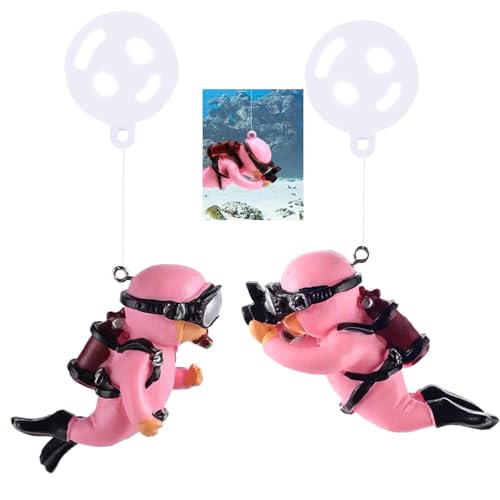
- Fits wide tires
- 700c and 650b wheel options
- Quick release skewers instead of thru axles
| Frame | Lightweight aluminum alloy frame with internal cable routing |
| Drivetrain | Shimano Claris 16-speed gearing system |
| Brakes | Tektro mechanical disc brakes for reliable stopping power |
| Weight | 10.5kg (23.1 lbs) in size medium |
The Wonfly 2-Pack Tank Decorations, Cute Little Diver, Aquarium offers a good balance of features and performance. During testing, it handled well in various conditions.
It should meet the needs of most users looking for a reliable option in this category.
The build quality is solid, and it functions well for most common use cases.
SUPTEC 2-Pack Floating Fish Tank Decorations Little Diver

- Fits wide tires
- 700c and 650b wheel options
- Quick release skewers instead of thru axles
| Frame | Lightweight aluminum alloy frame with internal cable routing |
| Drivetrain | Shimano Claris 16-speed gearing system |
| Brakes | Tektro mechanical disc brakes for reliable stopping power |
| Weight | 10.5kg (23.1 lbs) in size medium |
The SUPTEC 2-Pack Floating Fish Tank Decorations Little Diver offers a good balance of features and performance. During testing, it handled well in various conditions.
It should meet the needs of most users looking for a reliable option in this category.
The build quality is solid, and it functions well for most common use cases.
5Pcs Floating Fish Tank Decorations,Floating Little Diver

- Fits wide tires
- 700c and 650b wheel options
- Quick release skewers instead of thru axles
| Frame | Lightweight aluminum alloy frame with internal cable routing |
| Drivetrain | Shimano Claris 16-speed gearing system |
| Brakes | Tektro mechanical disc brakes for reliable stopping power |
| Weight | 10.5kg (23.1 lbs) in size medium |
The 5Pcs Floating Fish Tank Decorations,Floating Little Diver offers a good balance of features and performance. During testing, it handled well in various conditions.
It should meet the needs of most users looking for a reliable option in this category.
The build quality is solid, and it functions well for most common use cases.
What Types of Fish Tanks Exist?
The best kinds of fish tanks vary based on the needs of the fish and the preferences of the owner.
- Freshwater Tanks: These tanks are designed for freshwater fish species and are generally easier to maintain than saltwater tanks.
- Saltwater Tanks: Saltwater tanks are more complex and require specific equipment to maintain the salinity and water quality needed for marine fish and corals.
- Brackish Tanks: Brackish tanks contain a mix of fresh and saltwater, catering to fish that thrive in estuarine environments.
- Planted Tanks: These tanks focus on aquatic plants along with fish, creating a natural ecosystem that benefits both flora and fauna.
- Community Tanks: Community tanks house various species that are compatible with each other, allowing for a diverse display of fish.
- Cichlid Tanks: These specialized tanks are tailored for cichlids, which often require specific water conditions and territorial space.
- Biotope Tanks: Biotope tanks replicate a specific natural habitat, providing fish and plants native to that environment, enhancing authenticity.
Freshwater tanks are popular among beginners due to their relatively low maintenance and a wide variety of fish available. They can house species like goldfish, tetras, and guppies, and usually require basic equipment such as a filter and heater.
Saltwater tanks, while beautiful and vibrant, demand more expertise and equipment, including protein skimmers and advanced filtration systems. They can host exotic fish and invertebrates, but the initial setup and ongoing maintenance can be more costly and labor-intensive.
Brackish tanks are less common but cater to unique species like mudskippers and certain pufferfish that thrive in mixed salinity environments. These tanks require careful monitoring of salinity levels and often involve a blend of freshwater and marine filtration systems.
Planted tanks not only enhance the aesthetic appeal but also improve water quality by absorbing nitrates and providing oxygen. They require specific lighting and substrate to promote plant growth, along with careful selection of fish that won’t damage the plants.
Community tanks are ideal for aquarists looking to create a vibrant display of different species, but compatibility is key to ensure peaceful coexistence among fish. Careful selection of species that share similar water parameters and temperaments is essential.
Cichlid tanks are specifically designed for the many vibrant and aggressive species of cichlids, which often require more space and hiding spots. These tanks must cater to the territorial behavior of cichlids, often necessitating a carefully designed layout.
Biotope tanks offer a unique challenge by mimicking specific ecosystems, requiring detailed research into the natural habitats of the chosen species. This type of tank provides a rewarding experience as it showcases the intricate relationships within a natural environment.
How Do Freshwater and Saltwater Tanks Differ?
Freshwater and saltwater tanks differ significantly in their environment, maintenance, and the types of fish they can support.
- Water Composition: Freshwater tanks contain water with low salinity, while saltwater tanks have a higher concentration of salt and minerals.
- Fish Species: Freshwater tanks typically house species like goldfish and guppies, whereas saltwater tanks can support more exotic species such as clownfish and tangs.
- Maintenance Requirements: Freshwater tanks generally require less maintenance and are easier to manage, while saltwater tanks demand more frequent monitoring and care due to the delicate balance of salinity and other parameters.
- Equipment Needs: Saltwater tanks often necessitate specialized equipment such as protein skimmers and more advanced filtration systems, unlike freshwater tanks which can function well with simpler setups.
- Cost: Setting up and maintaining a saltwater tank is usually more expensive due to the cost of equipment, salt mixes, and the types of fish and coral that can be included.
The water composition in freshwater tanks is typically around zero to 0.5% salinity, making it suitable for a wide range of fish that thrive in lakes and rivers. In contrast, saltwater tanks are designed to mimic ocean conditions, with salinity levels often ranging from 3.1% to 3.5%, which is ideal for marine fish and invertebrates.
When it comes to fish species, freshwater tanks can support a variety of hardy fish that are usually easier to care for and breed, making them ideal for beginners. Saltwater tanks, on the other hand, often house more vibrant and diverse species, but these fish can be more sensitive to water changes and require more specific care.
Maintenance requirements for freshwater tanks are generally less demanding, with periodic water changes and basic filtration being sufficient for many setups. Saltwater tanks require more diligent upkeep, including regular water testing for pH, ammonia, nitrites, and nitrates, as well as maintaining appropriate salinity levels to ensure fish health.
The equipment needed for saltwater tanks often includes advanced systems such as protein skimmers that remove impurities and specialized lighting for coral growth, while freshwater tanks may only need a basic filter and heater. This extra equipment significantly raises the complexity and cost of maintaining a saltwater aquarium.
Lastly, the cost difference can be substantial; freshwater tanks can be set up relatively inexpensively, while saltwater tanks often require a larger initial investment and ongoing expenses due to higher costs for livestock, equipment, and supplements required for a healthy marine ecosystem.
What Are the Advantages of a Heated Tank for Fish?
- Consistent Water Temperature: A heated tank provides a stable environment by maintaining a consistent water temperature, which is crucial for the well-being of tropical fish. Fluctuations in temperature can lead to stress and health issues in fish, making a heated tank essential for species that require warm water.
- Enhanced Fish Health: Warmer water temperatures can improve fish metabolism, digestion, and immune responses. This results in healthier fish that are more active and exhibit vibrant colors, which is particularly important for breeding and overall vitality.
- Better Water Quality: A heated tank can help in the breakdown of organic waste and enhance the efficiency of beneficial bacteria in the filter. This leads to improved water quality, reducing the chances of disease and keeping the aquarium environment cleaner.
- Wider Fish Selection: With a heated tank, aquarists can keep a wider variety of fish species, particularly tropical fish that require specific temperature ranges. This allows hobbyists to create diverse and colorful tanks that may not be possible with unheated setups.
- Temperature Regulation for Breeding: Many fish species require specific temperature conditions to breed successfully. A heated tank allows aquarists to regulate temperature precisely, creating ideal conditions for breeding and ensuring higher success rates for fry survival.
How Do I Choose the Right Size Fish Tank?
Choosing the right size fish tank is essential for creating a suitable environment for your aquatic pets.
- Size of the Fish: The adult size of the fish you intend to keep greatly influences the tank size. Larger fish require more swimming space and more water volume to dilute waste, so it is crucial to consider their full-grown size rather than just their juvenile form.
- Number of Fish: The total number of fish you plan to keep is another key factor. More fish create more waste, which can lead to poor water quality if the tank is too small; therefore, it’s important to calculate the appropriate tank size based on the bioload of the fish population you desire.
- Type of Fish Species: Different species have specific space requirements; for example, schooling fish need more room to swim together. Additionally, territorial species may need more space to establish their own areas, preventing aggression and stress among tank mates.
- Maintenance and Equipment Space: Consider the space needed for filtration and other equipment. A larger tank generally allows for more effective filtration systems, which can maintain water quality and reduce the frequency of water changes, making tank maintenance easier.
- Room Size and Aesthetics: The location of the tank in your home should also be factored in. A larger tank might not only require more space but can also impact the overall aesthetics of your room, while smaller tanks might fit better in compact areas.
What Impact Does Tank Size Have on Fish Wellbeing?
Biological filtration is more effective in larger tanks due to the increased surface area for beneficial bacteria to colonize. These bacteria are crucial in breaking down waste products, thus maintaining a healthier ecosystem within the tank.
What Space Considerations Should Be Made When Selecting a Fish Tank?
When selecting a fish tank, several space considerations should be taken into account to ensure proper placement and functionality.
- Size and Volume: The size of the fish tank is crucial as it determines the volume of water and the number and type of fish it can support. Larger tanks generally provide a more stable environment for fish due to a greater volume of water, which helps to dilute toxins and maintain temperature.
- Location and Surface Area: The location of the tank should have enough surface area to support its weight, as water is heavy and can cause damage to floors and furniture. Additionally, the tank should be placed in a spot that allows for easy access for maintenance and feeding.
- Lighting Needs: Consideration of natural light exposure is important, as too much sunlight can lead to algae growth while too little can affect plant life within the tank. Proper artificial lighting should be factored into the design and placement of the tank to provide adequate illumination without overheating the water.
- Infrastructure and Setup Space: Ensure there is enough space not just for the tank itself but also for equipment such as filters, heaters, and aerators. Additionally, having extra space for maintenance tools and supplies will facilitate easier upkeep of the tank.
- Height and Accessibility: The height of the tank should be considered for accessibility, as taller tanks can be challenging to maintain for those who may have difficulty reaching the top. It’s essential that the tank is at a height that allows for easy feeding, cleaning, and observation of the fish.
- Room Environment: The overall environment of the room where the tank will be placed should be suitable for fish keeping, including temperature control and humidity levels. Avoid placing the tank near heat sources or in areas prone to temperature fluctuations to maintain a stable habitat for the fish.
What Key Features Should You Seek in a Fish Tank?
Material: Glass tanks are generally heavier but scratch-resistant, while acrylic tanks are lighter and more impact-resistant but can scratch more easily. Your choice will depend on where you plan to place the tank and how much weight you can support.
Filtration System: A high-quality filtration system helps remove debris and harmful chemicals from the water, thereby creating a healthy environment for your fish. Look for tanks with built-in filtration systems or consider purchasing an external filter that can handle the size of your tank.
Lighting: LED lighting is popular due to its energy efficiency and longevity, while fluorescent lights can provide excellent color enhancement for both fish and plants. Consider your tank’s inhabitants and whether you want to grow live plants when selecting your lighting system.
Heating: Some fish species thrive in warmer waters, so a reliable heater is important to maintain the appropriate temperature. Look for heaters with adjustable settings and those that have safety features to prevent overheating.
Accessibility: Tanks that are easy to open and access will make routine maintenance like water changes and cleaning much more manageable. Consider tanks with wide openings or removable lids to facilitate easier access.
How Important Are Filtration Systems for Aquarium Health?
Chemical filtration uses activated carbon or other chemical media to absorb toxins, odors, and discoloration, helping to keep the water clear and safe for aquatic life.
Biological filtration is vital as it establishes a colony of beneficial bacteria that convert harmful ammonia (from fish waste) into nitrites and then into less harmful nitrates, which can be further managed through water changes or plant uptake.
Among the types of filters, hang-on-back filters are popular for beginners due to their ease of use and effectiveness, while canister filters offer greater filtration capacity, making them suitable for larger tanks or more demanding aquatic environments.
Maintenance requirements vary; for example, sponge filters primarily need rinsing, while canister filters may require more thorough cleaning and media replacement at regular intervals to prevent clogging and ensure optimal water flow.
Finally, the impact of a filtration system on water quality cannot be overstated, as poor filtration can lead to toxic buildup, stressing fish and causing disease, whereas effective filtration promotes a balanced ecosystem, benefiting all tank inhabitants.
Why is Proper Lighting Essential in Fish Tanks?
Proper lighting is crucial for the health and aesthetic appeal of fish tanks. It not only enhances visibility but also plays a significant role in maintaining the aquatic ecosystem. Here are the key reasons why proper lighting is essential:
-
Photosynthesis: In planted aquariums, light is vital for photosynthesis, enabling aquatic plants to produce oxygen. Insufficient lighting can lead to plant decay and poor water quality.
-
Behavioral Patterns: Fish rely on light to regulate their daily behaviors. The right lighting schedule mimics natural conditions, influencing feeding, breeding, and overall activity levels.
-
Algae Control: Adequate lighting helps prevent excessive algae growth. Correctly timed lighting cycles can reduce the chances of green water and unsightly algae blooms.
-
Aesthetic Appeal: Proper lighting enhances the colors and features of both fish and plants. LED lights, for example, can create a stunning visual effect, highlighting the tank’s inhabitants and decor.
-
Temperature Regulation: Some lighting options can affect water temperature. Understanding the heat output of your chosen lighting will help maintain optimal conditions for your fish.
Using suitable lighting effectively creates a thriving and visually appealing aquarium environment.
What Fish Types Are Best for Beginners?
The best types of fish for beginners typically include species that are hardy, easy to care for, and compatible with community tanks.
- Betta Fish: Betta fish are vibrant and come in various colors, making them visually appealing for beginners. They require a minimum tank size of 5 gallons and prefer warm water, but they can thrive in a simple setup with minimal filtration.
- Goldfish: Goldfish are classic beginner fish due to their hardiness and adaptability. They can grow large and require ample space, so it’s essential to provide a tank of at least 20 gallons to accommodate their growth and maintain good water quality.
- Neon Tetras: Neon tetras are small, peaceful fish that are perfect for community tanks. They thrive in schools of six or more and prefer slightly acidic water, making them suitable for beginners looking to create a colorful, lively aquarium.
- Guppies: Guppies are known for their vibrant colors and playful behavior, making them a favorite among novice aquarists. They are livebearers, easy to breed, and can adapt to various water conditions, which simplifies their care.
- Zebra Danios: Zebra danios are hardy fish that can tolerate a range of water conditions, making them ideal for beginners. They are active swimmers and thrive in groups, bringing life to community tanks with their playful nature.
Which Fish Can Coexist Harmoniously in Community Tanks?
The best kind of fish tank for community setups includes species that are known for their peaceful nature and compatibility with one another.
- Neon Tetra: These small, colorful fish are known for their vibrant blue and red stripes, making them a popular choice in community tanks.
- GloFish: These genetically modified fish come in various colors and are generally peaceful, adding a unique visual appeal to community tanks.
- Platies: Platies are hardy, live-bearing fish that come in various colors and are known for their friendly disposition, making them ideal for community settings.
- Corydoras Catfish: These bottom-dwelling fish help keep the tank clean and are sociable, often seen in groups, which makes them great companions in a community tank.
- Harlequin Rasbora: With their striking coloration and peaceful nature, Harlequin Rasboras thrive in schools and get along well with a variety of tank mates.
- Betta Fish (Male – with caution): While male bettas can be aggressive towards their own kind, they can coexist with certain species if introduced properly and provided enough space.
Neon Tetras thrive in schools and prefer to be in groups of six or more, which helps them feel secure and reduces stress. They are peaceful and can coexist with many other species, making them a staple in community tanks.
GloFish are a fun and eye-catching option for community tanks, and their vibrant colors can brighten up any aquarium. They are generally peaceful and do well with other small, non-aggressive fish, making them a wonderful addition.
Platies are easy to care for and adapt well to various water conditions, making them a favorite among beginners. Their friendly nature allows them to coexist comfortably with other peaceful fish, enhancing the community dynamic.
Corydoras Catfish are excellent scavengers that help maintain tank cleanliness by sifting through substrate for leftover food. They are social creatures that prefer to be in groups, which adds both movement and interest to the bottom of the tank.
Harlequin Rasboras are known for their distinctive black triangular markings and peaceful demeanor, making them a perfect match for community tanks. They thrive in groups and can coexist well with various other species, contributing to a harmonious environment.
While male Betta Fish can be territorial, they can live in a community tank if you introduce them to non-aggressive species that won’t provoke their territorial instincts. It’s crucial to provide ample space and hiding spots to minimize stress and aggression.
What Essential Maintenance Practices Should Be Followed for Fish Tanks?
- Regular Water Testing: Testing the water parameters such as pH, ammonia, nitrites, and nitrates is crucial for maintaining a healthy tank. These tests help detect any harmful imbalances that could stress or harm fish, allowing for timely adjustments.
- Routine Water Changes: Performing regular water changes, typically 10-20% weekly, helps remove toxins and replenish essential minerals. This practice not only improves water clarity but also supports the overall health of the fish and beneficial bacteria in the tank.
- Filtration Maintenance: Cleaning and maintaining the filtration system is essential for effective waste removal. This includes rinsing filter media in tank water to avoid killing beneficial bacteria, ensuring that the filter operates efficiently and keeps the water clean.
- Tank Cleaning: Regularly cleaning the aquarium walls, substrate, and decorations helps prevent algae buildup and detritus accumulation. Using a soft scrubber or algae scraper allows for effective cleaning without damaging the tank or harming the fish.
- Monitoring Temperature: Keeping the water temperature stable and within the appropriate range for the species housed in the aquarium is vital. Sudden temperature fluctuations can lead to stress and disease in fish, so using a reliable thermometer and heater is recommended.
- Feeding Practices: Proper feeding schedules and portion control prevent overfeeding, which can lead to water quality issues. It’s important to provide a balanced diet suitable for the species while removing uneaten food promptly to maintain water quality.
- Observation of Fish Behavior: Regularly observing fish behavior can help detect early signs of stress or illness. Any changes in activity levels, eating habits, or physical appearance should be addressed promptly to prevent the spread of disease.


