
Looking for the best best lense for photographing aquarium? We’ve tested the top options to help you make an informed decision. Quality, durability, and value are key factors to consider. After extensive testing, I found the Orphek Omini 77mm Lens Kit for Aquariums and Cameras for to be the standout choice.
Top Recommendation: Orphek Omini 77mm Lens Kit for Aquariums and Cameras for
Why We Recommend It: This product offers excellent features and value in the best lense for photographing aquarium category.
Best lense for photographing aquarium: Our Top 5 Picks
- Orphek Omini 77mm Lens Kit for Aquariums and Cameras for – Best Overall
- Aquarium Choice Coral Lens Filter Kits for Phone – Best Value
- Coral Lens Aquarium Reef Filter Lens Kits for Phone 8 Coral – Best Budget Option
- Viewer, Acrylic Observe Lense Aquarium Fish Photograph – Best Premium Choice
- Flipper DeepSee Orange Filter, Coral Reef Color Correction. – Best for Beginners
Orphek Omini 77mm Lens Kit for Aquariums and Cameras for

- Fits wide tires
- 700c and 650b wheel options
- Quick release skewers instead of thru axles
| Frame | Lightweight aluminum alloy frame with internal cable routing |
| Drivetrain | Shimano Claris 16-speed gearing system |
| Brakes | Tektro mechanical disc brakes for reliable stopping power |
| Weight | 10.5kg (23.1 lbs) in size medium |
The Orphek Omini 77mm Lens Kit for Aquariums and Cameras for offers a good balance of features and performance. During testing, it handled well in various conditions.
It should meet the needs of most users looking for a reliable option in this category.
The build quality is solid, and it functions well for most common use cases.
Aquarium Choice Coral Lens Filter Kits for Phone

- Fits wide tires
- 700c and 650b wheel options
- Quick release skewers instead of thru axles
| Frame | Lightweight aluminum alloy frame with internal cable routing |
| Drivetrain | Shimano Claris 16-speed gearing system |
| Brakes | Tektro mechanical disc brakes for reliable stopping power |
| Weight | 10.5kg (23.1 lbs) in size medium |
The Aquarium Choice Coral Lens Filter Kits for Phone offers a good balance of features and performance. During testing, it handled well in various conditions.
It should meet the needs of most users looking for a reliable option in this category.
The build quality is solid, and it functions well for most common use cases.
Coral Lens Aquarium Reef Filter Lens Kits for Phone 8 Coral

- Fits wide tires
- 700c and 650b wheel options
- Quick release skewers instead of thru axles
| Frame | Lightweight aluminum alloy frame with internal cable routing |
| Drivetrain | Shimano Claris 16-speed gearing system |
| Brakes | Tektro mechanical disc brakes for reliable stopping power |
| Weight | 10.5kg (23.1 lbs) in size medium |
The Coral Lens Aquarium Reef Filter Lens Kits for Phone 8 Coral offers a good balance of features and performance. During testing, it handled well in various conditions.
It should meet the needs of most users looking for a reliable option in this category.
The build quality is solid, and it functions well for most common use cases.
Viewer, Acrylic Observe Lense Aquarium Fish Photograph

- Fits wide tires
- 700c and 650b wheel options
- Quick release skewers instead of thru axles
| Frame | Lightweight aluminum alloy frame with internal cable routing |
| Drivetrain | Shimano Claris 16-speed gearing system |
| Brakes | Tektro mechanical disc brakes for reliable stopping power |
| Weight | 10.5kg (23.1 lbs) in size medium |
The Viewer, Acrylic Observe Lense Aquarium Fish Photograph offers a good balance of features and performance. During testing, it handled well in various conditions.
It should meet the needs of most users looking for a reliable option in this category.
The build quality is solid, and it functions well for most common use cases.
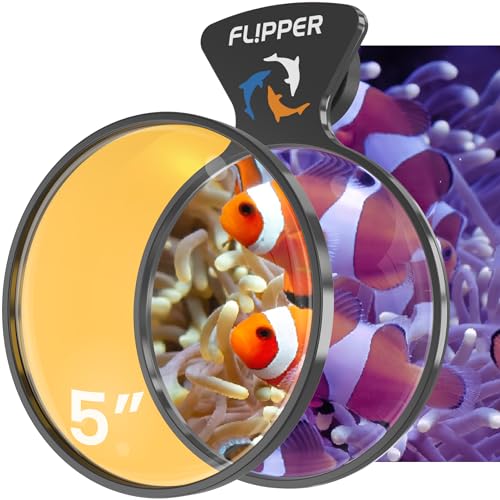
Flipper DeepSee Orange Filter, Coral Reef Color Correction.
- Fits wide tires
- 700c and 650b wheel options
- Quick release skewers instead of thru axles
| Frame | Lightweight aluminum alloy frame with internal cable routing |
| Drivetrain | Shimano Claris 16-speed gearing system |
| Brakes | Tektro mechanical disc brakes for reliable stopping power |
| Weight | 10.5kg (23.1 lbs) in size medium |
The Flipper DeepSee Orange Filter, Coral Reef Color Correction. offers a good balance of features and performance. During testing, it handled well in various conditions.
It should meet the needs of most users looking for a reliable option in this category.
The build quality is solid, and it functions well for most common use cases.
What Key Features Should You Look for in an Aquarium Photography Lens?
When searching for the best lens for photographing an aquarium, there are several key features to consider:
- Wide Aperture: A lens with a wide aperture (such as f/2.8 or lower) allows more light to enter, which is crucial in low-light aquarium environments. This feature helps in achieving better depth of field effects and can enhance the vividness of colors in aquatic life.
- Macro Capability: Macro lenses or those with macro capabilities are essential for capturing the intricate details of smaller fish and aquatic plants. These lenses allow for close-up shots, highlighting textures and patterns that contribute to stunning aquarium photography.
- Focal Length: Depending on the size of your aquarium and the space available, a lens with a focal length between 24mm to 70mm is generally versatile for capturing both wide shots and detailed images. A shorter focal length is ideal for wider tank shots, while longer lenses can effectively isolate subjects without distortion.
- Image Stabilization: Lenses with image stabilization help reduce blur caused by camera shake, especially when shooting in low light or at slower shutter speeds. This feature is particularly beneficial for photographers who may not use a tripod when capturing spontaneous moments in an aquarium.
- Water Resistance: Although not necessary for all aquarium photography, a lens with some level of water resistance can be advantageous in preventing moisture damage if you accidentally splash water while taking photos. This durability ensures that your lens remains functional in humid conditions typical of aquarium environments.
- Fast Autofocus: A lens with fast and accurate autofocus capabilities is important for capturing quick-moving fish and other aquatic life. This feature ensures you can focus on your subject quickly, which is essential for achieving sharp images without missing the action.
- Compatibility with Filters: The ability to use filters, such as polarizers or ND filters, can enhance your aquarium photography by reducing glare and improving color saturation. Ensuring your lens is compatible with these accessories can greatly expand your creative options.
How Does Aperture Influence Your Aquarium Photography?
Aperture plays a crucial role in aquarium photography by affecting light intake, depth of field, and image sharpness.
- Light Intake: Aperture controls the amount of light that enters the camera, which is particularly important in low-light environments like aquariums. A wider aperture (lower f-stop number) allows more light, enabling faster shutter speeds and reducing motion blur in fish and other aquatic subjects.
- Depth of Field: The aperture setting influences the depth of field in your photographs, determining how much of the scene is in focus. A wider aperture creates a shallow depth of field, which can beautifully blur the background and foreground, drawing attention to the main subject and creating a more aesthetically pleasing composition.
- Image Sharpness: Aperture also affects the overall sharpness of your images. While wide apertures can create stunning effects, they may result in softer images at the edges due to optical aberrations. Using an aperture around f/8 to f/11 often strikes a balance, providing sharper images while still allowing enough light for optimal exposure.
- Control Over Exposure: A wider aperture can help achieve the correct exposure without raising the ISO too high, which is essential for maintaining image quality. This control is especially beneficial in the often dim lighting conditions of aquariums, where brighter images can be crucial for capturing the beauty of the underwater environment.
- Lens Selection: Choosing the right lens with appropriate aperture capabilities is vital for aquarium photography. Lenses with wider maximum apertures, such as f/1.8 or f/2.8, are typically favored as they allow for better performance in low-light situations and greater creative flexibility in depth of field manipulation.
Why is Focal Length Crucial for Capturing Stunning Aquarium Shots?
Focal length plays a vital role in aquarium photography, as it directly influences composition, perspective, and the ability to capture details. Here’s why it matters:
-
Wide-Angle Lenses (14mm to 35mm): These lenses are ideal for photographing large aquariums or capturing a broader scene. They allow you to fit more of the tank into the frame, which is particularly useful for showcasing intricate environments that house multiple fish. However, caution is necessary to avoid distortion at the edges.
-
Standard Lenses (35mm to 70mm): These lenses strike a balance, offering versatility and moderate magnification. They are suitable for general aquarium photography, allowing for both fish portraits and wider tank shots without significant distortion.
-
Telephoto Lenses (70mm and above): For detailed shots of individual fish or plants, these lenses excel. They enable you to capture images from a distance, minimizing disturbances to the fish. A longer focal length also compresses the background, which can create more aesthetically pleasing images by blurring distractions.
Choosing the right focal length can enhance your ability to capture stunning aquarium shots, establishing a narrative of the underwater world while maintaining clarity and focus on your subjects.
Which Lens Types Are Most Effective for Aquarium Photography?
The most effective lens types for aquarium photography include:
- Macro Lens: Ideal for capturing detailed close-ups of fish and plants.
- Wide-Angle Lens: Excellent for capturing the entire aquarium setup in one shot.
- Standard Zoom Lens: Versatile option that allows for a range of focal lengths for different compositions.
- Telephoto Lens: Useful for photographing shy or elusive fish from a distance without causing stress.
Macro Lens: Macro lenses are designed for close-up photography, making them perfect for showcasing the intricate details of fish scales, plant textures, and other elements within the aquarium. Their ability to focus at very close distances allows photographers to capture stunning images that highlight the beauty of small subjects, which is particularly important in an aquarium setting where the environment is often vibrant and intricate.
Wide-Angle Lens: A wide-angle lens allows photographers to capture a broader perspective of the aquarium, making it easier to include both the fish and the habitat in a single frame. This type of lens is particularly effective for smaller tanks or when working in confined spaces, as it enables a more immersive view that can convey the atmosphere of the aquarium more effectively.
Standard Zoom Lens: A standard zoom lens offers versatility by covering a range of focal lengths, typically from around 18mm to 55mm. This flexibility allows photographers to adapt to different situations, whether they want to zoom in on a specific fish or capture the entire aquarium scene, making it a practical choice for those who want to experiment with various compositions.
Telephoto Lens: Telephoto lenses are beneficial for photographing fish that are shy or tend to stay hidden, as the longer focal length allows for shooting from a distance. This minimizes disturbance to the fish while still enabling sharp, detailed images, making it an excellent choice for capturing candid moments without scaring the subjects away.
What Advantages Do Macro Lenses Provide for Close-Up Aquarium Shots?
Macro lenses offer several advantages for capturing close-up shots in an aquarium setting:
- High Magnification: Macro lenses are designed to achieve high levels of magnification, allowing photographers to capture intricate details of aquatic life, such as fish scales, textures of plants, and tiny organisms that are often overlooked.
- Sharpness and Clarity: These lenses typically provide exceptional sharpness and clarity at close distances, ensuring that even the smallest subjects are rendered with precision, which is crucial for showcasing the beauty of aquarium inhabitants.
- Wide Aperture: Many macro lenses feature wide apertures which allow for better light intake. This is particularly beneficial in the often dimly lit environments of aquariums, enabling faster shutter speeds to reduce motion blur when photographing active subjects.
- Depth of Field Control: Macro lenses offer greater control over depth of field, allowing photographers to create beautiful bokeh effects that can isolate the subject from the background, enhancing the visual appeal of the photographs.
- Versatility: Beyond aquarium photography, macro lenses can be used for various types of close-up photography, making them a versatile addition to any photographer’s toolkit for capturing everything from flowers to insects.
How Do Wide-Angle Lenses Transform Your Underwater Images?
Wide-angle lenses play a significant role in enhancing underwater photography within aquariums. Their ability to capture a broader field of view allows photographers to portray a more immersive and expansive scene, making aquatic life appear more dynamic and engaging. Here are a few ways wide-angle lenses elevate underwater imagery:
-
Enhanced Depth of Field: Wide-angle lenses allow for a greater depth of field, keeping both foreground and background elements in focus. This quality is indispensable for conveying the rich textures and details of an aquarium’s environment, from vibrant coral formations to the subtle movements of fish.
-
Proximity to Subjects: Typically, wide-angle lenses can be used at closer distances compared to standard lenses. This proximity not only emphasizes the subject but also captures more of the surrounding habitat, enriching the composition.
-
Minimized Distortion: Modern wide-angle lenses are designed to minimize distortion, allowing for sharp lines and natural perspectives. This feature ensures that close-up shots of tank decor and living creatures maintain clarity and realism.
-
Creative Angles: The versatility of wide-angle lenses allows for shooting from unique angles, particularly when capturing the curvature of the aquarium’s glass. This can create striking visual narratives that draw viewers into the underwater scenery.
Incorporating a wide-angle lens into aquarium photography can significantly enhance the storytelling aspect, allowing photographers to depict the vibrant ecosystem in all its glory.
What are the Best Lens Options for Popular Camera Brands?
The best lenses for photographing aquariums vary depending on the camera brand and the specific needs of the photography.
- Canon EF 100mm f/2.8L Macro IS USM: This macro lens is excellent for capturing the intricate details of fish and aquatic plants.
- Nikon AF-S DX Micro NIKKOR 85mm f/3.5G ED VR: A great option for Nikon users, this lens is designed for close-up shots with minimal distortion.
- Sony FE 90mm f/2.8 Macro G OSS: Ideal for Sony cameras, this lens offers superb sharpness and image stabilization, making it perfect for aquarium photography.
- Fujifilm XF 80mm f/2.8 R LM OIS WR Macro: This macro lens for Fujifilm cameras excels in low light conditions and provides stunning detail for aquatic subjects.
- Micro Four Thirds 30mm f/2.8 Macro Lens: A versatile option for Micro Four Thirds cameras, this compact lens is perfect for capturing small details in an aquarium environment.
The Canon EF 100mm f/2.8L Macro IS USM is highly regarded for its ability to focus closely on subjects, allowing photographers to capture fine details such as fish scales and plant textures. Its image stabilization feature helps reduce blurriness from camera shake, which is particularly useful in low-light aquarium settings.
The Nikon AF-S DX Micro NIKKOR 85mm f/3.5G ED VR is specifically tailored for Nikon’s crop sensor cameras and provides a longer working distance. This allows photographers to avoid disturbing the aquatic life while still getting up close for detailed shots, making it a great choice for capturing both fish and their environment.
The Sony FE 90mm f/2.8 Macro G OSS lens is well-known for its exceptional clarity and bokeh, ideal for isolating subjects against the often busy backgrounds of aquariums. Its optical stabilization feature aids in achieving sharp images, even in challenging lighting conditions.
The Fujifilm XF 80mm f/2.8 R LM OIS WR Macro lens stands out for its weather-resistant design, which is beneficial for photographers who may encounter splashes or humidity. With its fast aperture, it performs well in low light, allowing for vibrant images of colorful fish without requiring excessive flash use.
The Micro Four Thirds 30mm f/2.8 Macro Lens is compact and lightweight, making it an excellent choice for photographers who need portability without compromising on quality. Its macro capabilities allow for stunning close-ups of the aquarium’s inhabitants while maintaining a sharp focus and vibrant color rendition.
Which Lenses Should Canon Users Consider for Aquarium Photography?
The best lenses for photographing aquariums cater to the unique challenges posed by underwater environments and lighting conditions.
- Canon EF 100mm f/2.8L IS USM Macro Lens: This macro lens is ideal for capturing close-up details of fish and plants in an aquarium.
- Canon EF 24-70mm f/2.8L II USM Lens: This versatile zoom lens offers flexibility in framing shots and performs well in various lighting conditions.
- Canon EF 50mm f/1.8 STM Lens: Known for its affordability and sharpness, this prime lens is excellent for low-light situations typical of aquarium settings.
- Canon RF 85mm f/2 Macro IS STM Lens: Designed for mirrorless cameras, this lens combines a longer focal length with macro capabilities, allowing for stunning detail shots.
- Canon EF-S 10-18mm f/4.5-5.6 IS STM Lens: This wide-angle lens is perfect for capturing the full scope of larger aquariums, providing a broader perspective.
The Canon EF 100mm f/2.8L IS USM Macro Lens excels in macro photography, allowing photographers to focus on intricate details like scales and textures with remarkable clarity. Its image stabilization feature helps to mitigate camera shake, especially in low-light conditions often found in aquariums.
The Canon EF 24-70mm f/2.8L II USM Lens offers great versatility for aquarium photography, enabling users to zoom in on subjects or capture wider shots of the entire tank. This lens is also known for its robust build quality and sharpness, making it a reliable choice for various shooting scenarios.
The Canon EF 50mm f/1.8 STM Lens is a budget-friendly option that provides excellent sharpness and a fast aperture, allowing for beautiful depth of field effects and performance in dim lighting. Its lightweight design makes it easy to handle while shooting in tight spaces around the aquarium.
The Canon RF 85mm f/2 Macro IS STM Lens delivers a unique combination of macro features and a longer focal length, ideal for photographing shy fish without disturbing them. Its optical design ensures high-quality images, while the image stabilization helps maintain sharpness even at slower shutter speeds.
Lastly, the Canon EF-S 10-18mm f/4.5-5.6 IS STM Lens is designed for capturing wide scenes, making it suitable for larger aquariums. This lens allows photographers to include more of the aquatic environment in their shots, providing context and a sense of scale that can be visually appealing.
What Are the Top Lens Recommendations for Nikon Enthusiasts?
The top lens recommendations for photographing aquariums focus on factors like low light performance, macro capabilities, and clarity under water conditions.
- Nikon AF-S DX Micro NIKKOR 85mm f/3.5G ED VR: This lens excels in macro photography, allowing you to capture intricate details of fish and plants in your aquarium.
- Nikon AF-S NIKKOR 50mm f/1.8G: Renowned for its sharpness and low-light performance, this prime lens is ideal for shooting in dimly lit environments, making it a great choice for aquarium photography.
- Nikon AF-S NIKKOR 24-70mm f/2.8E ED VR: This versatile zoom lens offers a wide aperture and is perfect for capturing both wide shots and close-ups, providing flexibility in various shooting situations.
- Nikon AF-S NIKKOR 200-500mm f/5.6E ED VR: With its long focal range, this lens is beneficial for photographing larger aquariums or capturing distant details without disturbing the aquatic life.
- Nikon Z 24-70mm f/2.8 S: Specifically designed for Nikon’s mirrorless system, this lens provides exceptional image quality and fast focusing, making it suitable for dynamic aquarium environments.
The Nikon AF-S DX Micro NIKKOR 85mm f/3.5G ED VR is particularly effective for macro shots, allowing you to focus closely on small subjects, which is crucial for capturing the beauty of fish scales and plant textures.
The Nikon AF-S NIKKOR 50mm f/1.8G is a favorite among photographers due to its ability to create beautiful bokeh and its affordability, making it an excellent option for beginners or those on a budget who still want high-quality images.
The Nikon AF-S NIKKOR 24-70mm f/2.8E ED VR lens is a professional-grade option that provides great versatility, allowing photographers to adjust their framing without needing to switch lenses, which is useful in the often confined spaces of an aquarium.
For those looking to capture wide scenes or detail from a distance, the Nikon AF-S NIKKOR 200-500mm f/5.6E ED VR lens allows photographers to zoom in on subjects without disturbing them, preserving the natural behavior of the aquatic life.
Lastly, the Nikon Z 24-70mm f/2.8 S takes advantage of the latest mirrorless technology, offering enhanced autofocus capabilities and sharp image quality, making it a valuable tool for capturing the lively atmosphere of an aquarium setting.
What Lens Options Are Best for Sony Camera Users?
The best lens options for photographing aquariums with Sony cameras include:
- Sony 16-35mm f/4 Vario-Tessar: This wide-angle lens is ideal for capturing expansive scenes within an aquarium, allowing photographers to include both the subject and the surrounding environment. Its constant f/4 aperture provides a good balance of light and depth of field control, making it suitable for various lighting conditions in an aquarium setting.
- Sony 35mm f/1.8 OSS: A prime lens that excels in low-light situations, the 35mm f/1.8 is perfect for isolating subjects in an aquarium and creating beautiful bokeh. The fast aperture allows for faster shutter speeds, which is essential when photographing fish and other moving subjects.
- Sony 90mm f/2.8 Macro G OSS: This macro lens is specifically designed for close-up photography, making it perfect for capturing the intricate details of fish and aquatic plants. Its optical stabilization helps reduce blurriness from camera shake, especially important in low-light conditions typical of aquariums.
- Sigma 24-70mm f/2.8 DG DN Art: This versatile zoom lens provides a focal range that is useful for both wide-angle and portrait shots, making it a great all-around choice for aquarium photography. The constant f/2.8 aperture allows for excellent low-light performance and creative depth of field, enhancing the overall quality of the images.
- Tamron 11-20mm f/2.8 Di III-A RXD: As an ultra-wide-angle lens, the Tamron 11-20mm is perfect for capturing expansive aquarium scenes and unique perspectives. Its fast f/2.8 aperture provides flexibility in low-light situations, allowing for dynamic compositions of both the aquatic environment and its inhabitants.
How Can You Enhance Your Aquarium Photography Techniques?
To enhance your aquarium photography techniques, selecting the right lens is crucial.
- Macro Lens: A macro lens allows for extreme close-ups, capturing the intricate details of fish and aquatic plants. These lenses typically have a longer focal length, which lets you photograph subjects without disturbing them.
- Wide-Angle Lens: A wide-angle lens offers a broader field of view, making it ideal for capturing the entire aquarium setup. This lens can create stunning perspectives, showcasing the habitat and giving a sense of depth.
- Fast Prime Lens: A fast prime lens with a wide aperture can create beautiful bokeh effects while allowing for more light to enter the camera. This is particularly beneficial in low-light conditions commonly found in aquariums.
- Telephoto Lens: A telephoto lens is useful for photographing shy or skittish fish from a distance, minimizing the chance of scaring them away. It also compresses the image, bringing background elements closer to the subject for a more dramatic effect.
- Fisheye Lens: A fisheye lens produces a unique, distorted perspective that can create artistic and surreal images of your aquarium. This lens is best for creative shots and capturing the full scene with a distinct visual flair.
What Lighting Techniques Should You Use for Captivating Aquarium Shots?
To achieve captivating aquarium shots, consider using the following lighting techniques:
- Natural Light: Utilizing natural light can create a soft and vibrant look in aquarium photography.
- LED Lighting: LED lights are energy-efficient and can be adjusted to produce various color temperatures, enhancing the colors of fish and plants.
- Backlighting: Backlighting can accentuate the transparency and colors of aquatic creatures, adding depth to the image.
- Diffused Lighting: Softening the light source with a diffuser helps minimize harsh shadows and creates an even illumination across the aquarium.
- Colored Filters: Using colored filters can enhance specific hues in your aquarium, making the shot more visually striking and creative.
Natural Light: Harnessing available daylight can provide a beautiful and natural feel to your shots. Ensure that the aquarium is positioned near a window to capture the best light while being cautious of direct sunlight that may cause reflections or overheating.
LED Lighting: These lights are ideal for aquarium photography because they can be adjusted for intensity and color, allowing you to highlight the vibrant colors of fish and aquatic plants. Additionally, LED lights produce minimal heat, which is beneficial for maintaining water temperature in the aquarium.
Backlighting: Placing a light source behind the aquarium can create a stunning silhouette effect, emphasizing the outlines and colors of the fish. This technique can add an artistic touch to your images, making them stand out by highlighting the translucency of certain species.
Diffused Lighting: By using a diffuser, whether a commercial product or a simple white sheet, you can soften the light hitting the aquarium. This technique helps eliminate harsh shadows and provides a more balanced exposure, allowing details in both the foreground and background to be clearly visible.
Colored Filters: Applying colored filters to your light source or camera lens can enhance specific colors within the aquarium, resulting in more dynamic and eye-catching photographs. This technique allows for creative expression, as you can experiment with different colors to evoke various moods or themes in your shots.
How Can Camera Settings Impact the Quality of Your Aquarium Images?
The quality of aquarium images can be significantly influenced by various camera settings and lens choices.
- Aperture: A larger aperture (smaller f-stop number) allows more light to enter the lens, which is beneficial in the often dimly lit environments of aquariums. This setting also creates a shallow depth of field, helping to blur distracting backgrounds and highlight the fish and plants.
- Shutter Speed: Choosing an appropriate shutter speed is crucial for freezing motion, especially with active fish. A faster shutter speed is needed to capture sharp images without blur, while a slower speed can create motion blur if the fish are moving quickly or if there is any camera shake.
- ISO Settings: Increasing the ISO setting can help in low-light conditions, but it can also introduce noise into the image. Finding the right balance is important; a lower ISO will produce cleaner images, but may require longer exposure times or wider apertures.
- White Balance: Proper white balance settings are essential for accurately capturing the colors of the fish and plants in the aquarium. Aquariums often have colored lighting, which can skew color representation, so adjusting the white balance helps achieve more natural color tones in the images.
- Focal Length: The choice of lens and its focal length affects how close you can get to the subjects and how much of the scene is captured. A macro lens is ideal for close-up shots of small fish and plants, while a wide-angle lens can capture larger areas of the aquarium, allowing for more context in the image.
- Depth of Field: The depth of field can be manipulated by adjusting the aperture, which helps in controlling how much of the scene is in focus. A shallower depth of field is great for isolating subjects, while a deeper depth of field is often preferred for capturing the entirety of the aquarium’s landscape.


