
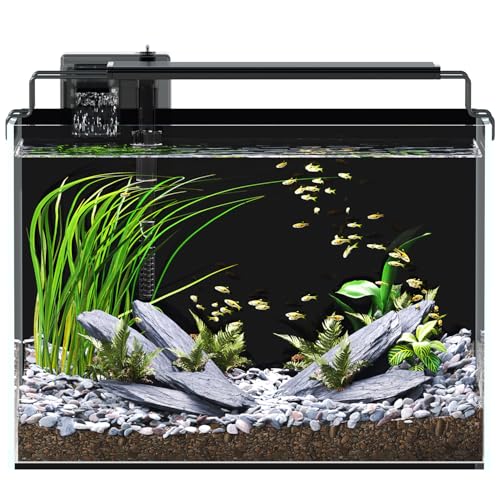
Looking for the best best mid sized fish tanks? We’ve tested the top options to help you make an informed decision. Quality, durability, and value are key factors to consider. After extensive testing, I found the 5 Gallon Fish Tank Aquarium Starter Kit Filter Light Lid to be the standout choice.
Top Recommendation: 5 Gallon Fish Tank Aquarium Starter Kit Filter Light Lid
Why We Recommend It: This product offers excellent features and value in the best mid sized fish tanks category.
5 Gallon Fish Tank Aquarium Starter Kit Filter Light Lid
- Fits wide tires
- 700c and 650b wheel options
- Quick release skewers instead of thru axles
| Frame | Lightweight aluminum alloy frame with internal cable routing |
| Drivetrain | Shimano Claris 16-speed gearing system |
| Brakes | Tektro mechanical disc brakes for reliable stopping power |
| Weight | 10.5kg (23.1 lbs) in size medium |
The 5 Gallon Fish Tank Aquarium Starter Kit Filter Light Lid offers a good balance of features and performance. During testing, it handled well in various conditions.
It should meet the needs of most users looking for a reliable option in this category.
The build quality is solid, and it functions well for most common use cases.
What Is Considered a Mid-Sized Fish Tank?
This size of aquarium also allows for better water quality management, as larger volumes of water dilute toxins and waste more effectively than smaller tanks. This is crucial for maintaining a healthy environment for the fish, as fluctuations in water chemistry can lead to stress or disease among the inhabitants. For example, a 55-gallon tank can support a larger bioload compared to a 20-gallon tank, thereby offering a more stable living condition.
The benefits of mid-sized fish tanks include enhanced aesthetic appeal due to larger design options and the ability to create more complex habitats, which can lead to more engaging interactions among fish. Additionally, they often allow for a greater variety of fish, which can create a more dynamic and visually interesting aquarium. Mid-sized tanks are also easier to maintain than larger tanks, making them suitable for hobbyists who may not have the time or resources for a larger setup.
Best practices for maintaining a mid-sized fish tank include regular water testing, scheduled water changes, and appropriate filtration. Investing in quality equipment, such as a reliable filter and heater, can significantly enhance the health of the aquarium. Additionally, ensuring that the tank is not overstocked and that fish are compatible can prevent stress and promote a thriving underwater community.
What Are the Key Benefits of Owning a Mid-Sized Fish Tank?
The key benefits of owning a mid-sized fish tank include ease of maintenance, a diverse aquatic environment, and enhanced aesthetic appeal.
- Ease of Maintenance: Mid-sized fish tanks strike a balance between being manageable and complex, allowing for easier maintenance compared to larger tanks. Regular water changes, filter cleaning, and feeding schedules are less demanding, making it suitable for both beginners and experienced aquarists.
- Diverse Aquatic Environment: With a mid-sized tank, you have the flexibility to create a diverse ecosystem that can house a variety of fish species and aquatic plants. This diversity not only promotes a healthier environment for the fish but also allows for interesting community dynamics to develop.
- Enhanced Aesthetic Appeal: Mid-sized fish tanks offer a visually appealing centerpiece that can enhance the decor of any room. They provide enough space for aquascaping and creative designs, attracting attention while also serving as a calming focal point in your home or office.
- Cost-Effectiveness: Mid-sized tanks typically require less investment than larger tanks in terms of equipment and maintenance costs. They provide a good balance between size and affordability, offering a rewarding experience without overwhelming expenses.
- Better Water Stability: The water parameters in a mid-sized tank tend to be more stable than in smaller tanks, making it easier to maintain ideal conditions for fish health. This stability reduces the frequency of drastic changes, which can stress fish and lead to health issues.
What Essential Features Should You Look for in a Mid-Sized Fish Tank?
When choosing the best mid-sized fish tanks, consider these essential features:
- Size and Dimensions: The size of the tank is crucial as it determines the amount of water and space available for fish. A mid-sized tank usually ranges from 20 to 55 gallons, providing enough room for a variety of fish without overwhelming the aquarist.
- Filtration System: A reliable filtration system is essential for maintaining water quality and ensuring the health of your fish. Look for a filter that suits the tank size and type of fish you plan to keep, as it helps remove waste and toxins from the water.
- Heating and Temperature Control: Many fish require a stable temperature for optimal health, so an adjustable heater is important in mid-sized tanks. Ensure that the heating system is compatible with the tank’s size and can maintain the desired temperature range for your fish species.
- Aeration: Proper aeration is vital for keeping oxygen levels high in the tank. Look for tanks that allow for adequate air exchange, whether through built-in aeration systems or by ensuring that the filter produces sufficient water movement.
- Lighting: Good lighting is essential not only for aesthetic appeal but also for the health of live plants and fish. Choose a lighting system that matches the needs of your aquarium inhabitants, considering factors like spectrum and intensity.
- Material and Build Quality: The material of the tank affects durability and visibility. Glass tanks are clearer and more scratch-resistant, while acrylic tanks are lighter and less prone to breakage; choose one that fits your needs and aesthetic preferences.
- Accessibility and Maintenance: A tank that is easy to access for feeding and cleaning will save you time and effort in maintenance. Look for features like a wide opening or removable lid that simplifies the process of reaching into the tank.
- Compatibility with Fish Species: Consider the types of fish you intend to keep, as they have different space and social needs. A mid-sized tank can accommodate various species, but it’s important to research compatibility to avoid overcrowding and aggression.
What Are Some Well-Regarded Brands That Offer Mid-Sized Fish Tanks?
Some well-regarded brands that offer mid-sized fish tanks include:
- Marineland: Marineland is known for its high-quality aquariums that combine functionality and aesthetic appeal. Their mid-sized tanks often feature built-in filtration systems and LED lighting, making them easy to maintain and visually pleasing.
- Aqueon: Aqueon offers a variety of mid-sized tanks that are perfect for both beginners and experienced aquarists. Their tanks are durable and come with optional starter kits that include filtration and heating systems, making setup straightforward.
- Fluval: Fluval is renowned for its innovative designs and advanced filtration technology. Their mid-sized tanks often incorporate features like a multi-stage filtration system and easy access for maintenance, which helps in keeping aquatic environments healthy.
- Seaclear: Seaclear tanks are made from acrylic, which is lighter and more impact-resistant than glass. This brand offers customizable options for mid-sized tanks and is appreciated for their clarity and ability to showcase aquatic life beautifully.
- GloFish: GloFish offers mid-sized tanks specially designed to enhance the vibrant colors of their unique fluorescent fish. These tanks often come equipped with LED lighting that brings out the best in GloFish, making them a favorite among enthusiasts looking for a striking display.
What Types of Fish Thrive in Mid-Sized Tanks?
The types of fish that thrive in mid-sized tanks are diverse and can accommodate various aquatic environments.
- Guppies: Guppies are colorful, hardy fish that are ideal for mid-sized tanks. They are livebearers, which means they give birth to live young, and their vibrant colors can add a lively feel to your aquarium.
- Neon Tetras: Neon tetras are small, peaceful fish that prefer to be in schools of six or more. Their striking blue and red coloration makes them a popular choice for community tanks, and they adapt well to various water conditions.
- Platies: Platies are easy to care for and come in various colors. They are also livebearers and can thrive in a community tank, making them an excellent choice for beginners.
- Corydoras Catfish: Corydoras catfish are bottom-dwelling fish that help keep the tank clean by scavenging for leftover food. They are social creatures and do best in groups, making them a great addition to a mid-sized tank.
- Swordtails: Swordtails are known for their elongated tails and come in several color variations. They are active swimmers and can coexist well with other community fish, making them suitable for mid-sized tanks.
- Betta Fish: While male bettas can be territorial, they can thrive in mid-sized tanks when housed alone or with compatible tank mates. Their flowing fins and vibrant colors can be a stunning focal point in your aquarium.
- Rasboras: Rasboras are small, schooling fish that add movement and color to tanks. They are peaceful and can adapt well to a variety of tank setups, making them excellent for mid-sized environments.
What Maintenance Practices Are Crucial for Mid-Sized Fish Tanks?
Crucial maintenance practices for mid-sized fish tanks ensure a healthy environment for fish and aquatic life.
- Regular Water Changes: Performing water changes is essential to remove toxins and replenish essential minerals in the aquarium.
- Filtration Maintenance: Keeping the filter clean and functioning properly is vital for maintaining water clarity and quality.
- Monitoring Water Parameters: Regular testing of water parameters like pH, ammonia, nitrite, and nitrate levels helps in maintaining a stable environment.
- Cleaning the Tank Decor and Substrate: Regularly cleaning decorations and substrate prevents algae buildup and detritus accumulation, which can harm fish health.
- Feeding Practices: Implementing a proper feeding schedule and quantity helps to prevent overfeeding and reduces waste in the tank.
Regular water changes should be conducted at least once every two weeks, replacing about 10-20% of the water to keep the tank clean and reduce the concentration of harmful substances. This practice not only improves water quality but also encourages a healthier ecosystem for the fish.
Filtration maintenance involves cleaning or replacing filter media as needed, usually every month or according to the manufacturer’s guidelines. A good filter removes particulate matter and biological waste, ensuring that the beneficial bacteria needed for the nitrogen cycle thrive.
Monitoring water parameters can be done using test kits or strips, and it is crucial for keeping track of the tank’s health. Fluctuations in pH, ammonia, nitrite, and nitrate levels can indicate underlying problems that need to be addressed promptly to avoid stress or illness in fish.
Cleaning the tank decor and substrate should be done gently to avoid disrupting the aquatic environment. Using a siphon for substrate cleaning and algae scrapers for decorations can help keep the tank aesthetically pleasing and safe for fish.
Feeding practices should focus on providing the right amount of food that fish can consume within a few minutes, minimizing leftover food that can decay and pollute the water. It’s important to choose high-quality fish food suitable for the specific species in the tank to promote their health and vitality.
What Common Mistakes Should Be Avoided When Setting Up a Mid-Sized Fish Tank?
When setting up a mid-sized fish tank, avoiding common mistakes can lead to a healthier environment for your aquatic pets.
- Inadequate Filtration: Many new aquarium owners underestimate the importance of proper filtration. A good filter not only removes waste but also helps maintain water quality by promoting beneficial bacteria growth, which is essential for the nitrogen cycle.
- Poor Water Testing: Neglecting to regularly test water parameters such as pH, ammonia, nitrite, and nitrate levels can lead to fish stress or death. Using a reliable test kit ensures that the water conditions remain optimal for the species you are keeping.
- Overstocking the Tank: It’s easy to get excited and add too many fish at once, but overcrowding can lead to poor water quality and increased aggression among fish. It’s vital to research the adult size and compatibility of fish species to maintain a balanced ecosystem.
- Ignoring Temperature Requirements: Different fish species thrive at different temperatures, and failing to maintain the appropriate temperature can stress or harm your fish. Investing in a good aquarium heater and thermometer helps ensure that the water stays within the ideal range for your chosen species.
- Skipping the Cycling Process: Setting up a tank without allowing it to cycle properly can result in toxic ammonia and nitrite spikes. Cycling the tank, whether through fishless cycling or with hardy fish, establishes beneficial bacteria that will help break down waste products.
- Neglecting Regular Maintenance: Regular maintenance such as water changes, cleaning the substrate, and checking equipment is crucial for the health of your aquarium. Establishing a maintenance schedule can help prevent algae overgrowth and keep fish healthy.
- Choosing Incompatible Fish: Not all fish species can coexist peacefully, and mixing aggressive and peaceful species can lead to stress and fatalities. Researching the behavior and requirements of each species before introducing them can create a harmonious tank environment.


