
Looking for the best best cichlids small tank? We’ve tested the top options to help you make an informed decision. Quality, durability, and value are key factors to consider. After extensive testing, I found the SF Aquatic Mixed Color Balloon Ram Cichlid Live Freshwater to be the standout choice.
Top Recommendation: SF Aquatic Mixed Color Balloon Ram Cichlid Live Freshwater
Why We Recommend It: This product offers excellent features and value in the best cichlids small tank category.
Best cichlids small tank: Our Top 4 Picks
- SF Aquatic Mixed Color Balloon Ram Cichlid Live Freshwater – Best Overall
- Black Belt Cichlid – 1.5” Juveniles | Live Freshwater – Best Value
- Swimming Creatures™ 12 Assorted Color Mbuna African – Best Budget Option
- 5-Pack Assorted Peacock Cichlid 2″ Live Freshwater Fish – – Best Premium Choice
SF Aquatic Mixed Color Balloon Ram Cichlid Live Freshwater

- Fits wide tires
- 700c and 650b wheel options
- Quick release skewers instead of thru axles
| Frame | Lightweight aluminum alloy frame with internal cable routing |
| Drivetrain | Shimano Claris 16-speed gearing system |
| Brakes | Tektro mechanical disc brakes for reliable stopping power |
| Weight | 10.5kg (23.1 lbs) in size medium |
The SF Aquatic Mixed Color Balloon Ram Cichlid Live Freshwater offers a good balance of features and performance. During testing, it handled well in various conditions.
It should meet the needs of most users looking for a reliable option in this category.
The build quality is solid, and it functions well for most common use cases.
Black Belt Cichlid – 1.5” Juveniles | Live Freshwater

- Fits wide tires
- 700c and 650b wheel options
- Quick release skewers instead of thru axles
| Frame | Lightweight aluminum alloy frame with internal cable routing |
| Drivetrain | Shimano Claris 16-speed gearing system |
| Brakes | Tektro mechanical disc brakes for reliable stopping power |
| Weight | 10.5kg (23.1 lbs) in size medium |
The Black Belt Cichlid – 1.5” Juveniles | Live Freshwater offers a good balance of features and performance. During testing, it handled well in various conditions.
It should meet the needs of most users looking for a reliable option in this category.
The build quality is solid, and it functions well for most common use cases.
Swimming Creatures™ 12 Assorted Color Mbuna African
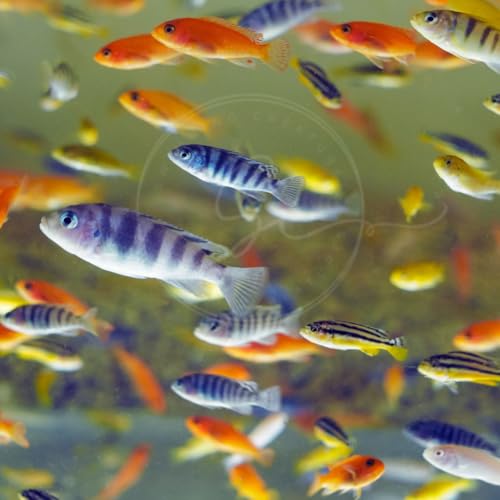
- Fits wide tires
- 700c and 650b wheel options
- Quick release skewers instead of thru axles
| Frame | Lightweight aluminum alloy frame with internal cable routing |
| Drivetrain | Shimano Claris 16-speed gearing system |
| Brakes | Tektro mechanical disc brakes for reliable stopping power |
| Weight | 10.5kg (23.1 lbs) in size medium |
The Swimming Creatures™ 12 Assorted Color Mbuna African offers a good balance of features and performance. During testing, it handled well in various conditions.
It should meet the needs of most users looking for a reliable option in this category.
The build quality is solid, and it functions well for most common use cases.
5-Pack Assorted Peacock Cichlid 2″ Live Freshwater Fish –

- Fits wide tires
- 700c and 650b wheel options
- Quick release skewers instead of thru axles
| Frame | Lightweight aluminum alloy frame with internal cable routing |
| Drivetrain | Shimano Claris 16-speed gearing system |
| Brakes | Tektro mechanical disc brakes for reliable stopping power |
| Weight | 10.5kg (23.1 lbs) in size medium |
The 5-Pack Assorted Peacock Cichlid 2″ Live Freshwater Fish – offers a good balance of features and performance. During testing, it handled well in various conditions.
It should meet the needs of most users looking for a reliable option in this category.
The build quality is solid, and it functions well for most common use cases.
What Are the Best Cichlid Species for Small Tanks?
When considering cichlids for small tanks, it’s essential to choose species that thrive in limited space while maintaining peaceful temperaments.
- Betta Cichlid (Betta splendens): This species is known for its vibrant colors and flowing fins, making it a popular choice for small tanks.
- Apistogramma (Apistogramma spp.): These dwarf cichlids are perfect for small aquariums, as they are relatively small and display interesting behaviors.
- Keyhole Cichlid (Cleithracara maronii): This species is peaceful and can adapt well to smaller environments, providing a unique look with its distinctive markings.
- Neolamprologus Brevis: A small African cichlid that thrives in smaller tanks, it is known for its charming personality and interesting shell-dwelling behavior.
- Bolivian Ram (Mikrogeophagus altispinosus): This hardy cichlid is suitable for small tanks, displaying beautiful colors and a generally peaceful demeanor.
The Betta Cichlid is often favored due to its striking appearance and relative ease of care, making it an excellent choice for beginners. They are solitary fish and can thrive in a 5-gallon tank, but it’s important to avoid keeping them with other aggressive species to prevent fin nipping.
Apistogramma species are small, colorful cichlids that exhibit fascinating breeding behaviors, making them a delight for aquarists. They typically require a well-planted tank with hiding spots, and while they can be territorial, they are usually compatible with other small, non-aggressive fish.
The Keyhole Cichlid is a peaceful fish that grows to about 4-6 inches, making it suitable for small to medium tanks. They appreciate a calm environment and can coexist with other community fish if given enough space and hiding places.
Neolamprologus Brevis are unique in that they inhabit shells in the wild, allowing them to thrive in smaller setups with adequate hiding spots. Their engaging behavior and small size make them a great option for nano tanks, but they can be territorial with their own kind.
Bolivian Rams are known for their beautiful pastel colors and peaceful nature, making them ideal for community tanks. They thrive in groups and prefer a well-planted tank with gentle filtration, fitting comfortably in tanks as small as 20 gallons.
How Do Dwarf Cichlids Adapt to Small Aquariums?
Dwarf cichlids are ideal for small aquariums due to their unique adaptations and behaviors that suit confined spaces.
- Size: Dwarf cichlids typically grow to a maximum of 3-4 inches, making them perfect for small tanks where space is limited.
- Territorial Behavior: Despite their small size, dwarf cichlids establish territories, which allows them to thrive even in smaller environments by creating distinct living areas.
- Compatibility: Many dwarf cichlid species are relatively peaceful and can coexist with other small fish, reducing aggression and stress in a confined tank setup.
- Breeding Behavior: Dwarf cichlids exhibit interesting breeding behaviors, often creating nests in small spaces, which not only helps in their reproduction but also adds to the aesthetic of a small aquarium.
- Water Parameter Tolerance: Dwarf cichlids can adapt to a range of water conditions, which is beneficial in smaller aquariums where maintaining stable parameters can be challenging.
Size: Dwarf cichlids generally remain small, allowing them to be comfortably housed in tanks as small as 10 gallons. Their manageable size not only makes them suitable for limited spaces but also ensures they do not outgrow the aquarium quickly.
Territorial Behavior: These fish are known for their territorial nature, which helps them establish a defined area in a small tank. This behavior is essential for maintaining a sense of security and reduces stress, as they can claim a space that they can defend from others.
Compatibility: Many dwarf cichlid species are compatible with other small fish, which can coexist peacefully in a small tank. This compatibility allows for a more diverse and dynamic aquarium community without excessive aggression or competition for space.
Breeding Behavior: Dwarf cichlids are fascinating for their breeding rituals, often selecting small crevices or flat surfaces as nesting sites. This behavior not only showcases their adaptability but also enhances the visual appeal of the aquarium as they nurture their young.
Water Parameter Tolerance: Dwarf cichlids are known to be hardy and can adjust to various water conditions, which is a significant advantage in smaller tanks where fluctuations can occur. Their resilience helps ensure a stable environment, making them suitable for less experienced aquarists.
Why Is the Apistogramma a Suitable Choice for Compact Spaces?
The Apistogramma is a suitable choice for compact spaces primarily because of its small size and relatively low territorial behavior, making it ideal for smaller aquariums.
According to research published in “Aquarium Fish Magazine,” Apistogramma species typically grow to only about 2 to 4 inches in length, which allows them to thrive in aquariums as small as 10 gallons (38 liters). Their manageable size means they can be kept in smaller tanks without overcrowding, unlike larger cichlid species that require more space to establish territories.
The underlying mechanism for their suitability in compact spaces lies in their natural habitat preferences and social behaviors. Apistogrammas are native to the Amazon River basin, where they inhabit densely planted areas with plenty of hiding spots. This environmental adaptation enables them to feel secure in smaller tanks that replicate such conditions. Additionally, their less aggressive nature compared to other cichlids means they can coexist more harmoniously with other species in limited spaces, further enhancing their appeal for aquarists with small tanks.
Which Other Cichlid Varieties Thrive in Limited Tank Sizes?
Several cichlid varieties are well-suited for smaller tank sizes.
- Apistogramma Cacatuoides: This dwarf cichlid is known for its vibrant colors and unique breeding behaviors.
- Microgeophagus Ramirezi: Also called the German Blue Ram, this species is not only stunning but also relatively peaceful, making it ideal for community tanks.
- Neolamprologus Multifasciatus: Known as the “Multies,” these small cichlids are perfect for nano tanks and exhibit interesting social structures.
- Pelvicachromis Pulcher: Commonly referred to as the Kribensis, this cichlid is hardy and can adapt well to smaller environments while showcasing beautiful colors.
- Haplochromis Nigripinnis: This smaller variant of the Haplochromis family is known for its adaptability to limited space and its lively demeanor.
Apistogramma Cacatuoides: This species thrives in a 20-gallon tank and is characterized by its striking yellow and black markings, especially in males. They prefer a densely planted environment with hiding spots, which helps reduce aggression and encourages breeding behaviors.
Microgeophagus Ramirezi: The German Blue Ram can thrive in tanks as small as 10 gallons, where it enjoys a planted substrate and peaceful tankmates. They are known for their vibrant blue and yellow coloration and exhibit interesting parental care when breeding.
Neolamprologus Multifasciatus: These tiny cichlids can comfortably live in a 10-gallon tank, making them ideal for aquarists with limited space. They are social fish that prefer to live in colonies and will create unique shell-based habitats, contributing to a dynamic aquarium environment.
Pelvicachromis Pulcher: Kribensis can thrive in a tank size as small as 15 gallons and are recognized for their bright colors and gentle temperament. They enjoy hiding spots and can be kept with other peaceful species, making them a great addition to community aquariums.
Haplochromis Nigripinnis: This smaller cichlid can adapt to tanks of around 20 gallons, where it exhibits a vibrant personality and active swimming behavior. Its resilience and adaptability make it a suitable candidate for beginners looking to maintain a smaller cichlid tank.
What Are the Specific Care Requirements for Small Cichlids?
Small cichlids can thrive in smaller tanks with the right care requirements, making them ideal for aquarists with limited space.
- Tank Size: Small cichlids generally require a tank size of 20 gallons or more to provide ample swimming space and proper water conditions.
- Water Conditions: Maintaining stable water parameters is crucial, including a temperature range of 75-82°F, pH levels between 6.5-8.5, and regular water changes to ensure cleanliness.
- Diet: A balanced diet is essential; small cichlids thrive on high-quality pellets, flakes, and supplementary foods like frozen or live brine shrimp and bloodworms.
- Tank Mates: Careful selection of tank mates is important; compatible species should be chosen to avoid aggression, with consideration for the cichlid’s territorial nature.
- Hiding Spots: Providing plenty of hiding spots and territories using rocks, caves, and plants helps reduce stress and aggression among small cichlids.
Tank Size: A 20-gallon tank is often considered the minimum for small cichlids, as it allows them to establish territories and swim freely. Overcrowding can lead to stress and aggression, which is why a spacious environment is essential for their well-being.
Water Conditions: Small cichlids are sensitive to changes in water chemistry, so regular monitoring and maintenance are necessary. Using a reliable filtration system and performing weekly water changes will help keep the environment stable and healthy.
Diet: Feeding small cichlids a varied diet promotes their health and coloration. High-quality pellets designed for cichlids should be the staple, while occasional treats can enhance their diet and encourage natural foraging behavior.
Tank Mates: Small cichlids can sometimes display aggressive behavior, so it’s essential to choose tank mates that are equally small and non-aggressive. Fish such as tetras, rasboras, and certain types of catfish can coexist peacefully with small cichlids if introduced properly.
Hiding Spots: Creating a well-structured tank with ample hiding spots reduces stress and aggression amongst cichlids. Items like driftwood, caves, and live or artificial plants not only provide shelter but also mimic their natural habitat, promoting a sense of security.
How Do You Set Up a Small Tank for Cichlids?
Setting up a small tank for cichlids requires attention to specific needs related to size, water parameters, and tank mates.
- Tank Size: A minimum of 20 gallons is recommended for a small cichlid tank.
- Water Parameters: Cichlids thrive in specific water conditions, usually preferring a pH of 7.5 to 8.5 and a temperature range of 75°F to 82°F.
- Filtration: A high-quality filtration system is crucial to maintain water quality, as cichlids can be messy eaters.
- Substrate: The substrate choice is important; sand is often preferred for many cichlid species as it mimics their natural habitat.
- Hiding Places: Providing caves and hiding spots is essential to reduce stress and territorial disputes among cichlids.
- Tank Mates: Choosing compatible tank mates is vital; some cichlids can be aggressive, so select species that can coexist peacefully.
- Regular Maintenance: Regular water changes and tank maintenance are essential to keep the environment healthy for cichlids.
The right tank size is critical because cichlids can be territorial and require space to establish their own territories. A 20-gallon tank is typically the smallest size recommended for keeping small cichlid species, providing enough room for swimming and hiding.
Maintaining appropriate water parameters is vital for the health of cichlids. They prefer slightly alkaline water with a pH between 7.5 and 8.5 and thrive best in warmer temperatures, ideally between 75°F and 82°F, which mimics their natural environment.
A reliable filtration system is necessary due to the high bioload that cichlids produce. A good filter will help keep the water clean and well-oxygenated, which is essential for the health of your fish.
Choosing the right substrate can enhance the well-being of cichlids. Sand is often the best option because it allows for natural digging behaviors and is easier on their delicate fins compared to gravel.
Providing ample hiding places and caves helps to reduce stress and allows cichlids to establish territories. Items like rocks, driftwood, or commercially available caves can serve as shelter and create a more natural environment.
When selecting tank mates, it’s important to consider the temperament of the cichlid species you have. Some cichlids can be aggressive, so it’s wise to choose more peaceful fish or species that can tolerate the cichlid’s behavior to avoid conflicts.
Lastly, regular maintenance is essential for a thriving cichlid tank. Scheduled water changes and routine cleaning help to maintain stable water quality and prevent disease, ensuring a healthy environment for your cichlids.
What Water Conditions Are Ideal for Small Cichlid Species?
Ideal water conditions for small cichlid species are crucial for their health and well-being.
- Temperature: Small cichlids typically thrive in warmer water temperatures ranging from 75°F to 82°F (24°C to 28°C). Maintaining this temperature range promotes optimal metabolic function and encourages natural behaviors in these fish.
- pH Level: A slightly acidic to neutral pH level, ideally between 6.5 and 7.5, is preferred by most small cichlid species. This pH range helps mimic their natural habitat, allowing for better breeding conditions and overall health.
- Hardness: Water hardness should be moderate, generally between 5 to 15 dGH (degrees of General Hardness). This level of hardness supports the physiological processes of small cichlids and assists in maintaining their vital functions.
- Aeration: Adequate aeration is essential to ensure oxygen levels in the water remain high. Small cichlids benefit from well-oxygenated water, which can be achieved through filtration and the use of air stones.
- Water Quality: Regular monitoring and maintenance of water quality are vital, including low levels of ammonia and nitrites, and controlled nitrates. Frequent water changes and a good filtration system help maintain a stable and clean environment for small cichlids.
What Common Mistakes Should You Avoid When Keeping Small Cichlids?
When keeping small cichlids, there are several common mistakes that should be avoided to ensure their health and well-being.
- Inadequate Tank Size: Many aquarists underestimate the space small cichlids need to thrive. Even small cichlid species require a minimum tank size of 20 gallons to establish territories and reduce aggression.
- Poor Water Quality: Small cichlids are sensitive to changes in water quality, so neglecting regular water changes and maintenance can lead to stress and disease. It is important to monitor parameters such as pH, ammonia, nitrite, and nitrate levels consistently.
- Improper Tank Mates: Choosing the wrong tank mates can lead to aggression and stress among fish. Small cichlids may become territorial, so it’s crucial to select compatible species that can coexist peacefully.
- Ignoring Behavior and Temperament: Not all small cichlids share the same temperament; some may be more aggressive than others. Understanding the behavior of the specific species you are keeping can help you manage their interactions and reduce conflicts.
- Overfeeding: It’s easy to overfeed small cichlids, which can lead to water quality issues and health problems. Feeding small amounts multiple times a day is better than large quantities at once, ensuring they receive proper nutrition without excess waste.
- Lack of Hiding Spots: Small cichlids appreciate having places to hide and establish territories. Providing caves, plants, and other structures in the tank can help reduce stress and aggression by giving them safe spaces to retreat to.
- Neglecting Temperature and pH Needs: Each cichlid species has specific temperature and pH preferences that must be maintained for optimal health. Failing to keep these parameters stable can lead to stress and vulnerability to disease.
How Can Overcrowding Affect Small Cichlid Health?
Overcrowding can significantly impact the health of small cichlids in various ways.
- Stress: Overcrowding increases the competition for resources such as food and space, leading to heightened stress levels among cichlids. This stress can weaken their immune systems, making them more susceptible to diseases and infections.
- Water Quality: A higher number of fish in a small tank can lead to rapid degradation of water quality due to the accumulation of waste products. Poor water quality can result in harmful ammonia and nitrite spikes, which are detrimental to the health of cichlids.
- Aggression: Small cichlids can display territorial behaviors, and overcrowding can escalate aggression among them. Increased aggression can lead to injuries, fin nipping, and even death, particularly if more dominant fish harass weaker individuals.
- Stunted Growth: When cichlids are overcrowded, they may not receive adequate nutrition because of competition for food. This can lead to stunted growth and developmental issues, affecting their overall health and longevity.
- Reduced Breeding Success: Overcrowding can disrupt breeding behaviors and reduce available territory for nesting. This can lead to lower breeding success rates, impacting the population dynamics in the tank.
Why Is Water Quality Important for Small Tank Cichlids?
According to a study published in the Journal of Aquatic Animal Health, maintaining optimal water parameters such as pH, ammonia, nitrite, and nitrate levels is essential for fish health. Cichlids, particularly small tank varieties, are sensitive to changes in these parameters due to their natural habitats, which often have stable environmental conditions.
The underlying mechanism involves the biological filtration process that occurs in an aquarium. Cichlids produce waste, which leads to the accumulation of ammonia, a toxic compound. Beneficial bacteria in the aquarium convert ammonia to nitrite and then to nitrate, which is less harmful. However, if water changes are not performed regularly or if the tank is overstocked, these toxins can rapidly build up, impairing the fish’s gill function and leading to oxygen deprivation. Stress from poor water quality can also compromise their immune systems, making them more susceptible to infections and diseases.
Additionally, small tank cichlids often have specific territorial and social needs that can be exacerbated by poor water quality. For instance, stress from toxins can lead to aggressive behavior, impacting their social structure and interactions. Stress hormones can also disrupt feeding patterns, further affecting their health. The delicate balance of water quality is thus not just a matter of survival but also of maintaining the natural behaviors and social dynamics that are vital for their well-being.
Related Post:

