
Looking for the best best fh for planted aquarium? We’ve tested the top options to help you make an informed decision. Quality, durability, and value are key factors to consider. After extensive testing, I found the Thrive Planted Aquarium Fertilizer -All in One Planted Tank to be the standout choice.
Top Recommendation: Thrive Planted Aquarium Fertilizer -All in One Planted Tank
Why We Recommend It: This product offers excellent features and value in the best fh for planted aquarium category.
Best fh for planted aquarium: Our Top 5 Picks
- Thrive Planted Aquarium Fertilizer -All in One Planted Tank – Best Overall
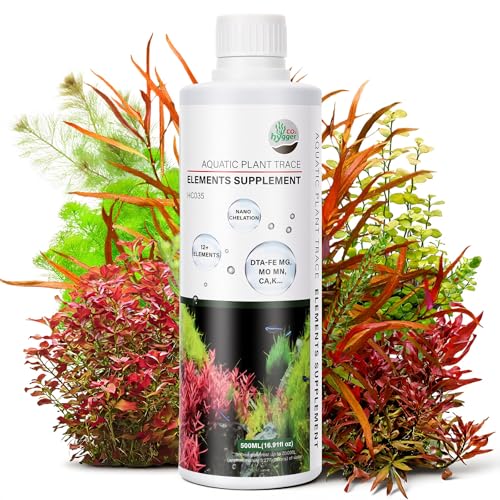
- Hygger CO2 HC035 All-in-One Liquid Aquarium Plant – Best Value
- Fluval Plant 3.0 LED Planted Aquarium Lighting, 22 Watts, – Best Budget Option
- Hygger CO2 HC034 Aquarium Plant Liquid Fertilizer – – Best Premium Choice
- Fluval Plant 3.0 LED Planted Aquarium Lighting, 46 Watts, – Best for Beginners
Thrive Planted Aquarium Fertilizer -All in One Planted Tank

- Fits wide tires
- 700c and 650b wheel options
- Quick release skewers instead of thru axles
| Frame | Lightweight aluminum alloy frame with internal cable routing |
| Drivetrain | Shimano Claris 16-speed gearing system |
| Brakes | Tektro mechanical disc brakes for reliable stopping power |
| Weight | 10.5kg (23.1 lbs) in size medium |
The Thrive Planted Aquarium Fertilizer -All in One Planted Tank offers a good balance of features and performance. During testing, it handled well in various conditions.
It should meet the needs of most users looking for a reliable option in this category.
The build quality is solid, and it functions well for most common use cases.
Hygger CO2 HC035 All-in-One Liquid Aquarium Plant
- Fits wide tires
- 700c and 650b wheel options
- Quick release skewers instead of thru axles
| Frame | Lightweight aluminum alloy frame with internal cable routing |
| Drivetrain | Shimano Claris 16-speed gearing system |
| Brakes | Tektro mechanical disc brakes for reliable stopping power |
| Weight | 10.5kg (23.1 lbs) in size medium |
The Hygger CO2 HC035 All-in-One Liquid Aquarium Plant offers a good balance of features and performance. During testing, it handled well in various conditions.
It should meet the needs of most users looking for a reliable option in this category.
The build quality is solid, and it functions well for most common use cases.
Fluval Plant 3.0 LED Planted Aquarium Lighting, 22 Watts,

- Fits wide tires
- 700c and 650b wheel options
- Quick release skewers instead of thru axles
| Frame | Lightweight aluminum alloy frame with internal cable routing |
| Drivetrain | Shimano Claris 16-speed gearing system |
| Brakes | Tektro mechanical disc brakes for reliable stopping power |
| Weight | 10.5kg (23.1 lbs) in size medium |
The Fluval Plant 3.0 LED Planted Aquarium Lighting, 22 Watts, offers a good balance of features and performance. During testing, it handled well in various conditions.
It should meet the needs of most users looking for a reliable option in this category.
The build quality is solid, and it functions well for most common use cases.
Hygger CO2 HC034 Aquarium Plant Liquid Fertilizer –

- Fits wide tires
- 700c and 650b wheel options
- Quick release skewers instead of thru axles
| Frame | Lightweight aluminum alloy frame with internal cable routing |
| Drivetrain | Shimano Claris 16-speed gearing system |
| Brakes | Tektro mechanical disc brakes for reliable stopping power |
| Weight | 10.5kg (23.1 lbs) in size medium |
The Hygger CO2 HC034 Aquarium Plant Liquid Fertilizer – offers a good balance of features and performance. During testing, it handled well in various conditions.
It should meet the needs of most users looking for a reliable option in this category.
The build quality is solid, and it functions well for most common use cases.
Fluval Plant 3.0 LED Planted Aquarium Lighting, 46 Watts,

- Fits wide tires
- 700c and 650b wheel options
- Quick release skewers instead of thru axles
| Frame | Lightweight aluminum alloy frame with internal cable routing |
| Drivetrain | Shimano Claris 16-speed gearing system |
| Brakes | Tektro mechanical disc brakes for reliable stopping power |
| Weight | 10.5kg (23.1 lbs) in size medium |
The Fluval Plant 3.0 LED Planted Aquarium Lighting, 46 Watts, offers a good balance of features and performance. During testing, it handled well in various conditions.
It should meet the needs of most users looking for a reliable option in this category.
The build quality is solid, and it functions well for most common use cases.
What Factors Should You Consider When Choosing the Best Fish for a Planted Aquarium?
When selecting the best fish for a planted aquarium, several critical factors must be considered to ensure a harmonious environment for both the aquatic plants and the fish.
- Size of Fish: The size of the fish is important because larger fish may uproot or damage delicate plants while swimming or foraging. It’s best to choose small to medium-sized fish that can coexist comfortably in the space without disrupting the plants.
- Temperament: The behavior of the fish species is crucial as some may be aggressive or territorial, which can lead to stress among other tank inhabitants. Opt for peaceful species that are known to thrive in community settings, allowing for a balanced ecosystem with the plants.
- Water Parameters: Different fish have specific requirements regarding water temperature, pH, and hardness. It’s essential to select fish that can thrive in the same water conditions that your plants prefer, ensuring that both can flourish together.
- Dietary Needs: Consider the dietary needs of the fish and how they may impact the planted environment. Some fish may graze on plants, while others might require a diet that complements the growth of aquatic vegetation, so selecting herbivorous or omnivorous species can be beneficial.
- Compatibility with Plants: Some fish species are known to nibble on or uproot certain types of plants. Research which fish are less likely to damage your selected flora to maintain the aesthetic and health of the aquarium.
- Activity Level: The activity level of the fish can influence the overall dynamics within the tank. Fish that are too active may disturb plants, while more sedentary species can create a peaceful atmosphere, making it vital to find a balance that suits your planted aquarium.
- Breeding Behavior: Some fish exhibit breeding behaviors that can lead to significant changes in the tank environment, including uprooting plants or altering water parameters. Understanding these behaviors helps in choosing species that will not disrupt the planted setup during breeding seasons.
Which Fish Species Are Best for Thriving in Planted Aquariums?
The best fish species for thriving in planted aquariums offer compatibility with plants and contribute positively to the ecosystem.
- Neon Tetra: This small, colorful fish is ideal for planted tanks due to its peaceful nature and preference for schools.
- Betta Fish: Known for their vibrant colors and flowing fins, bettas can thrive in planted tanks if housed alone or with compatible species.
- Cardinal Tetra: Similar to neon tetras, cardinal tetras are vibrant and prefer to be in groups, making them suitable for heavily planted environments.
- Harlequin Rasbora: This hardy species is known for its adaptability and peaceful demeanor, which makes it a great addition to planted aquariums.
- Cherry Shrimp: While technically not a fish, cherry shrimp are excellent for planted tanks as they help maintain algae levels and enhance the tank’s aesthetics.
- Guppies: Their vibrant colors and live-bearing nature make guppies a popular option for planted tanks, where they can swim among the foliage.
- Rummy Nose Tetra: With their distinctive red noses and striking patterns, rummy nose tetras thrive in schools and add visual appeal to planted setups.
Neon tetras are small and colorful, making them perfect for a peaceful community tank. They thrive in groups and appreciate the shelter that plants provide, which helps reduce stress and encourages natural behavior.
Betta fish, known for their stunning colors and unique personalities, can adapt well to planted aquariums as long as they are not kept with aggressive tank mates. They enjoy having plants to hide in and explore, creating a more enriching environment.
Cardinal tetras are similar to neon tetras but are larger and have a more vivid coloration, which makes them visually striking against a backdrop of lush greenery. They prefer to be in schools of six or more, which encourages their natural schooling behavior.
Harlequin rasboras are another excellent choice, known for their hardiness and peaceful nature, making them compatible with a variety of tank mates. They thrive in well-planted tanks where they can find cover and swim freely, adding movement and color to the aquarium.
Cherry shrimp, while not fish, are fantastic for planted aquariums because they help control algae and detritus while also adding a splash of color. Their small size and peaceful temperament allow them to coexist with many fish species without issues.
Guppies are a popular choice for beginners due to their vibrant colors and ease of care. They thrive in planted tanks, where they can find hiding spots among the foliage, and their live-bearing nature adds a layer of intrigue and excitement to the aquarium.
Rummy nose tetras are valued for their striking appearance and social nature, making them a delightful addition to a planted aquarium. They thrive in schools and appreciate the cover provided by plants, which helps them feel secure and enhances their coloration.
What Are the Top Nano Fish for a Planted Aquarium?
The best nano fish for a planted aquarium offer vibrant colors and small sizes, making them ideal for such environments.
- Neon Tetra: Neon tetras are small, peaceful fish known for their striking blue and red coloration. They thrive in schools of six or more and prefer densely planted tanks, which provide hiding spots and mimic their natural habitat in the Amazon basin.
- Ember Tetra: Ember tetras are tiny fish that display a bright orange hue, making them a stunning addition to any planted aquarium. They are social creatures that enjoy being in groups and tend to stay near the middle of the tank, enhancing the visual appeal of the planted layout.
- Celestial Pearl Danio: Also known as the galaxy rasbora, these fish have a unique pattern of iridescent blue and yellow spots, which stand out against a backdrop of green plants. They are hardy and can adapt to various water conditions, but they prefer well-planted tanks that offer both swimming space and cover.
- Pygmy Corydoras: Pygmy corydoras are small catfish that help keep the substrate clean by scavenging for leftover food. Their peaceful nature makes them compatible with other nano fish, and they benefit from a planted aquarium where they can explore and hide among the vegetation.
- Cherry Shrimp: While not a fish, cherry shrimp are a popular addition to planted aquariums due to their vibrant red color and algae-eating habits. They thrive in planted environments where they can forage for food and find shelter, contributing to the tank’s natural balance.
- Rasbora Heteromorpha: Known as the harlequin rasbora, this fish features a distinctive triangular black patch on its side, complemented by a copper-orange body. They prefer to swim in schools and appreciate the presence of plants and decorations, which provide security and reduce stress.
What Medium-Sized Fish Work Well in Planted Tanks?
When considering medium-sized fish that thrive in planted tanks, it’s essential to choose species that are compatible with both the plants and each other.
- Rainbowfish: These vibrant fish are known for their striking colors and active swimming behavior. They prefer to be kept in schools and adapt well to a planted tank environment, as they enjoy swimming through and around the foliage.
- Danios: Danios are hardy, active fish that do well in a variety of water conditions. Their playful nature and tendency to swim at all levels in the tank make them an excellent choice for a planted aquarium, where they can dart around the plants.
- Apistogramma: This genus includes several dwarf cichlid species that are perfect for planted tanks. They appreciate hiding spots among plants and are known for their vibrant colors and interesting behaviors, making them a captivating addition to your aquarium.
- Platies: Platies are peaceful, colorful fish that do well in community tanks. They thrive in planted environments where they can forage among the plants and enjoy a well-structured habitat, contributing to the tank’s overall aesthetic.
- Guppies: Guppies are small, colorful fish that can adapt to various aquatic environments. They thrive in well-planted tanks, where they can find cover and breeding spots, making them a lively addition to your aquarium.
Which Large Fish Can Coexist with Plants in Your Aquarium?
When considering large fish that can coexist with plants in your aquarium, the following options are ideal:
- Angelfish: Angelfish are known for their striking appearance and graceful swimming. They thrive in planted tanks as they prefer a structured environment with hiding spots, which can be provided by plants. While they may nibble on softer plant leaves, many species work well with robust plants like Java fern or Anubias.
- Discus: Discus fish are vibrant and social, often requiring a well-planted tank for comfort and security. They enjoy swimming among plants, which help to mimic their natural habitat. However, they are sensitive to water quality, so it’s essential to maintain a clean environment that supports both the fish and the health of the plants.
- Rainbowfish: Rainbowfish are lively and colorful, making them a popular choice for community tanks. They are generally peaceful and can coexist with a variety of plants, especially those that provide cover without overwhelming the space. Their active swimming behavior complements a well-planted aquarium by creating a dynamic visual display.
- Giant Gourami: Giant Gouramis can adapt well to planted tanks, as they appreciate the shelter that plants provide. They are relatively calm and can coexist with many other species, though their size means that tank mates should be chosen carefully. Opting for sturdy plants will ensure that they do not cause damage as they explore their environment.
- Oscar Fish: Oscars are known for their intelligence and personality, often requiring ample space and hiding spots, which can be created with plants. While they can uproot more delicate plants, they tend to coexist well with hardy varieties like Amazon swords or strong ferns. Proper tank size and filtration are crucial, as Oscars can produce significant waste.
How Can You Ensure Compatibility Between Fish and Plants in Your Aquarium?
To ensure compatibility between fish and plants in your aquarium, consider the following factors:
- Fish Species Selection: Choose fish species that are known to coexist peacefully with aquatic plants.
- Plant Selection: Opt for hardy plants that can withstand the activities of the fish without being damaged.
- Water Parameters: Maintain suitable water conditions that benefit both the fish and the plants.
- Aquascaping Techniques: Use aquascaping methods that create hiding spots and open swimming spaces for fish while promoting plant growth.
- Feeding Practices: Ensure that feeding practices do not lead to excess waste that could harm plant health.
Fish Species Selection: Selecting peaceful fish species is crucial for a harmonious ecosystem in a planted aquarium. Species like tetras, rasboras, and certain types of gouramis are often good choices, as they tend to avoid uprooting plants and will not nibble on their leaves.
Plant Selection: Choosing robust plants such as Java fern, Anubias, or Vallisneria can help establish a resilient environment. These plants are less likely to be disturbed by curious fish and can thrive in various water conditions, making them ideal for beginner aquarists.
Water Parameters: It is essential to maintain water parameters such as temperature, pH, and hardness that are compatible with both fish and plants. Many plants prefer slightly acidic to neutral pH, while certain fish may thrive in different conditions, so finding a balance is key.
Aquascaping Techniques: Effective aquascaping can enhance both fish and plant health. By creating layers and varying heights, you can provide fish with hiding spots while ensuring that plants receive adequate light and space to grow without being overshadowed.
Feeding Practices: Careful feeding can prevent excess waste and nutrient overload that might harm plants. Overfeeding can lead to detritus buildup, which can smother plant roots, so it is important to feed only what can be consumed in a few minutes and to regularly clean the substrate.
What Are the Challenges of Keeping Fish in a Planted Aquarium and How Can You Overcome Them?
Keeping fish in a planted aquarium presents several challenges, but with the right strategies, these issues can be effectively managed.
- Water Quality Management: Maintaining optimal water quality is crucial in a planted aquarium, as live plants can affect the nitrogen cycle. Regular testing and changes of water are necessary to keep ammonia, nitrite, and nitrate levels within safe ranges for both fish and plants.
- Lighting Requirements: Plants typically require specific lighting conditions to thrive, which can sometimes be too intense for certain fish species. Selecting the right type of light and ensuring it operates on a suitable photoperiod can help balance plant growth without stressing fish.
- Nutrient Competition: Fish and plants compete for nutrients in the aquarium, which can lead to deficiencies in either. Supplementing with liquid fertilizers or using substrate that provides essential nutrients can help ensure both fish and plants receive what they need.
- Algae Growth: Planted aquariums can sometimes experience algae blooms due to excess nutrients and light. Implementing a balanced approach to fertilization, controlling light duration, and introducing algae-eating fish or invertebrates can help manage algae levels effectively.
- Fish Selection: Choosing the right fish species is vital, as some fish may uproot plants or consume them. Researching compatible species that are known to coexist peacefully with plant life can lead to a more harmonious aquarium environment.
- Carbon Dioxide Supply: CO2 is essential for plant growth, but too much can be harmful to fish. Using a CO2 injection system with a proper regulator ensures that plants thrive while maintaining safe levels for aquatic life.
What Maintenance Tips Can Help You Create the Best Environment for Fish in a Planted Aquarium?
Choosing Compatible Fish: Selecting fish species that thrive in planted aquariums is key to a harmonious environment. Compatible species will coexist peacefully, reducing aggression and stress while promoting a lively and vibrant aquarium community.
Trimming Plants: Regularly trimming aquatic plants helps maintain a healthy balance in the aquarium. Proper pruning prevents overcrowding, ensures that all plants receive adequate light, and allows for better water circulation, creating a more favorable environment for both fish and plants.
Related Post:

