
Looking for the best best fish nano tank? We’ve tested the top options to help you make an informed decision. Quality, durability, and value are key factors to consider. After extensive testing, I found the NICREW 2.5 Gallon Nano Nature Aquarium Kit Betta Fish Tank, to be the standout choice.
Top Recommendation: NICREW 2.5 Gallon Nano Nature Aquarium Kit Betta Fish Tank,
Why We Recommend It: This product offers excellent features and value in the best fish nano tank category.
Best fish nano tank: Our Top 4 Picks
- NICREW 2.5 Gallon Nano Nature Aquarium Kit Betta Fish Tank, – Best Overall
- Vehipa Betta Fish Tank 1 Gal, Acrylic Nano Aquarium Kit – Best Value
- VIVOHOME 2 Gallon Smart Fish Tank APP Control and Auto – Best Budget Option
- Novique Small Fish Tank Kit 1 Gallon Aquarium Three-Color – Best Premium Choice
NICREW 2.5 Gallon Nano Nature Aquarium Kit Betta Fish Tank,

- Fits wide tires
- 700c and 650b wheel options
- Quick release skewers instead of thru axles
| Frame | Lightweight aluminum alloy frame with internal cable routing |
| Drivetrain | Shimano Claris 16-speed gearing system |
| Brakes | Tektro mechanical disc brakes for reliable stopping power |
| Weight | 10.5kg (23.1 lbs) in size medium |
The NICREW 2.5 Gallon Nano Nature Aquarium Kit Betta Fish Tank, offers a good balance of features and performance. During testing, it handled well in various conditions.
It should meet the needs of most users looking for a reliable option in this category.
The build quality is solid, and it functions well for most common use cases.
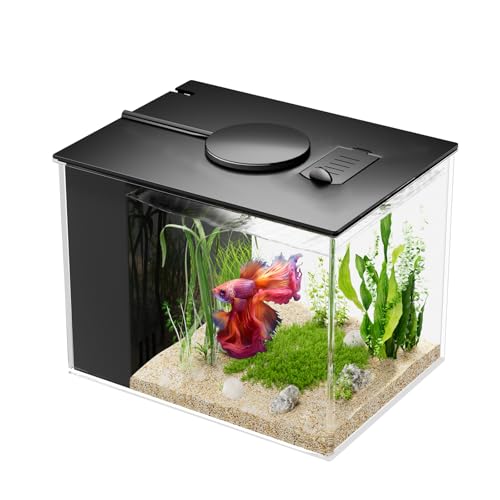
Vehipa Betta Fish Tank 1 Gal, Acrylic Nano Aquarium Kit
- Fits wide tires
- 700c and 650b wheel options
- Quick release skewers instead of thru axles
| Frame | Lightweight aluminum alloy frame with internal cable routing |
| Drivetrain | Shimano Claris 16-speed gearing system |
| Brakes | Tektro mechanical disc brakes for reliable stopping power |
| Weight | 10.5kg (23.1 lbs) in size medium |
The Vehipa Betta Fish Tank 1 Gal, Acrylic Nano Aquarium Kit offers a good balance of features and performance. During testing, it handled well in various conditions.
It should meet the needs of most users looking for a reliable option in this category.
The build quality is solid, and it functions well for most common use cases.
VIVOHOME 2 Gallon Smart Fish Tank APP Control and Auto

- Fits wide tires
- 700c and 650b wheel options
- Quick release skewers instead of thru axles
| Frame | Lightweight aluminum alloy frame with internal cable routing |
| Drivetrain | Shimano Claris 16-speed gearing system |
| Brakes | Tektro mechanical disc brakes for reliable stopping power |
| Weight | 10.5kg (23.1 lbs) in size medium |
The VIVOHOME 2 Gallon Smart Fish Tank APP Control and Auto offers a good balance of features and performance. During testing, it handled well in various conditions.
It should meet the needs of most users looking for a reliable option in this category.
The build quality is solid, and it functions well for most common use cases.
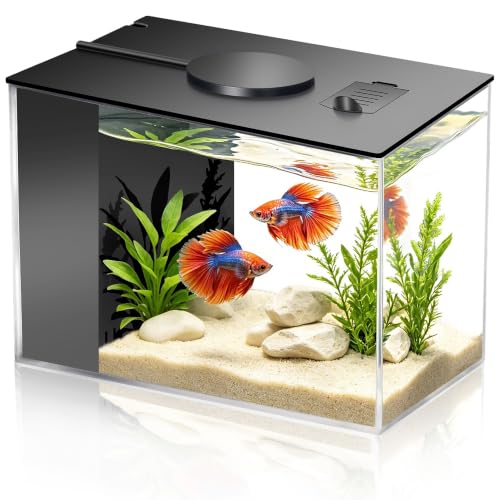
Novique Small Fish Tank Kit 1 Gallon Aquarium Three-Color
- Fits wide tires
- 700c and 650b wheel options
- Quick release skewers instead of thru axles
| Frame | Lightweight aluminum alloy frame with internal cable routing |
| Drivetrain | Shimano Claris 16-speed gearing system |
| Brakes | Tektro mechanical disc brakes for reliable stopping power |
| Weight | 10.5kg (23.1 lbs) in size medium |
The Novique Small Fish Tank Kit 1 Gallon Aquarium Three-Color offers a good balance of features and performance. During testing, it handled well in various conditions.
It should meet the needs of most users looking for a reliable option in this category.
The build quality is solid, and it functions well for most common use cases.
What is a Fish Nano Tank and Why is it Popular?
A fish nano tank is a small aquarium typically ranging from 5 to 20 gallons. These tanks are designed to accommodate a limited number of fish, making them ideal for both beginners and experienced aquarists seeking to create a vibrant aquatic ecosystem in a compact space.
The popularity of fish nano tanks can be attributed to several factors:
-
Space Efficiency: Perfect for homes and apartments where space is limited, allowing aquarists to enjoy a captivating aquatic environment without needing a large setup.
-
Low Maintenance: Smaller volumes mean less water to manage, making upkeep simpler. Regular water changes and basic cleaning can usually be handled quickly.
-
Cost-Effective: Nano tanks generally require fewer resources, including less substrate, decorations, and equipment. This makes initial setup more affordable.
-
Aesthetic Appeal: These tanks can serve as striking centerpieces or accents in any room, showcasing intricate plant life and colorful fish in a manageable environment.
-
Focused Experiments: Enthusiasts can try various biotope styles or breeding projects, as the limited space encourages creativity while encouraging the use of nano-specific fish and plants.
With these advantages, fish nano tanks have become a favored choice for many aquarists looking to enjoy the beauty of aquatic life without the complexities of larger setups.
What Size is Considered a Nano Tank?
Stocking options for nano tanks are generally limited to small fish species like bettas, guppies, or even shrimp, which thrive in confined spaces. Choosing the right species is essential to maintain a balanced ecosystem, as larger fish can quickly outgrow or stress the tank’s environment.
Filtration and maintenance are critical considerations for nano tanks, as the smaller water volume can lead to rapid changes in water quality. A suitable filtration system is necessary to keep the water clean, and regular water changes are essential to prevent the buildup of toxins.
What Are the Best Fish Species for a Nano Tank?
When considering the best fish species for a nano tank, it’s important to choose small, peaceful fish that thrive in limited space.
- Betta Fish: Betta fish are vibrant and come in a variety of colors, making them a popular choice for nano tanks. They are labyrinth fish, meaning they can breathe atmospheric air, which allows them to adapt well to smaller environments, but males should be kept alone to avoid aggression.
- Neon Tetras: Neon tetras are small, schooling fish that display stunning blue and red colors. They thrive in groups of six or more, adding activity and color to the tank, and they are generally peaceful, making them a great addition to community nano setups.
- Pygmy Corydoras: These tiny catfish are excellent for nano tanks due to their small size and friendly nature. They are bottom-dwellers that help keep the substrate clean by scavenging for leftover food, and they prefer to be in groups, so it’s best to keep at least four to six together.
- Endler’s Livebearers: Endler’s livebearers are small, colorful fish that can adapt well to the dimensions of a nano tank. They are livebearers, meaning they give birth to free-swimming young, and their peaceful temperament allows them to thrive in community tanks with similar-sized species.
- Cherry Shrimp: While not a fish, cherry shrimp are a popular addition to nano tanks for their vibrant red color and algae-eating habits. They are small, easy to care for, and contribute to the overall health of the tank by helping control algae growth, while also providing an interesting dynamic to the aquarium environment.
- Rasboras: Small species like the Harlequin Rasbora are ideal for nano tanks due to their peaceful demeanor and attractive appearance. They prefer to be in schools, so keeping a group of six or more will create a lively display, and they adapt well to various water conditions, making them suitable for beginners.
Which Fish Are Compatible with Others in a Nano Tank?
The best fish for a nano tank are those that are small, peaceful, and compatible with one another.
- Neon Tetras: These small, vibrant fish are ideal for nano tanks due to their peaceful nature and striking colors. They thrive in schools of six or more, which enhances their natural behavior and display.
- Betta Fish: While male bettas are known for their aggressive tendencies, they can coexist with peaceful tank mates in larger nano tanks. However, it’s essential to avoid keeping them with fin-nipping species or other male bettas.
- Endler’s Livebearers: This species is small and colorful, making them a popular choice for nano aquariums. They are peaceful and can be kept in groups, often breeding in a community tank setting.
- Cherry Shrimp: While not fish, these small invertebrates are excellent companions for many nano fish. They help keep the tank clean by consuming algae and organic debris, and they add a splash of color to the tank.
- Guppies: Guppies are hardy, small, and come in a variety of colors, making them a great addition to nano tanks. They are livebearers and thrive in groups, but care should be taken to manage their breeding in smaller aquariums.
- Pygmy Corydoras: These tiny catfish are peaceful bottom dwellers that can help keep the substrate clean. They do well in small schools and are perfect for community tanks, as they typically get along with most other species.
- Rasboras: Small species like the Harlequin Rasbora are ideal for nano tanks due to their peaceful nature and schooling behavior. They are active swimmers and appreciate being kept in groups, contributing to the tank’s liveliness.
- Otocinclus Catfish: These small algae eaters are perfect for nano tanks as they help control algae growth while being peaceful tank mates. They prefer to be in groups and require a well-planted environment to thrive.
What Fish Can Thrive in a Nano Tank Environment?
Several fish species are well-suited for thriving in a nano tank environment:
- Betta Fish: Betta fish are popular for small tanks due to their striking colors and personalities. They thrive in tanks of 5 gallons or more, prefer warmer water, and can live comfortably alone or with compatible tank mates.
- Neon Tetras: Neon tetras are small, peaceful fish that do well in shoals, making them ideal for nano tanks of at least 10 gallons. Their vibrant blue and red coloration adds beauty to any aquarium, and they are easy to care for, thriving in slightly acidic water.
- Cherry Shrimp: While not fish, cherry shrimp are excellent companions in a nano tank, helping to keep the aquarium clean by eating algae. They are hardy, reproduce easily, and come in various colors, adding visual interest to the tank while maintaining a peaceful environment.
- Endler’s Livebearers: Endler’s livebearers are small, lively fish that adapt well to nano tanks and can thrive in groups. They are colorful and easy to care for, preferring a planted environment where they can exhibit natural behaviors.
- Pygmy Corydoras: These tiny catfish are perfect for nano tanks and enjoy being in groups. They are bottom dwellers that help maintain tank cleanliness by scavenging for leftover food, and they thrive in well-planted environments with soft substrate.
- White Cloud Mountain Minnows: These hardy fish are ideal for cooler nano tanks and can tolerate a range of water conditions. They are peaceful, active swimmers that do well in small schools, adding movement to the tank while being easy to care for.
What Essential Equipment is Needed for a Nano Tank?
Using a water conditioner is essential to prepare tap water for your aquarium, as it neutralizes harmful chemicals that can adversely affect fish health. This step is crucial, especially when setting up the tank or performing water changes.
Test kits allow you to monitor your water quality regularly, helping to prevent issues that can arise from imbalanced parameters. Knowing your tank’s chemistry will enable you to make informed adjustments to keep your fish thriving.
Decor and plants not only enhance the tank’s visual appeal but also provide essential hiding places for fish, reducing stress and creating a more natural environment. Live plants can also contribute to water quality by absorbing nitrates and providing oxygen.
Finally, selecting appropriate fish food tailored to the nutritional needs of your fish species is critical. High-quality food can improve fish health and color, leading to a vibrant and dynamic nano tank.
Which Filtration System Works Best for Small Tanks?
When it comes to finding the best filtration system for small tanks, several options cater to the unique needs of nano aquariums.
- Hang-on-Back (HOB) Filters: These filters are popular for their ease of installation and maintenance.
- Internal Filters: Internal filters are compact and designed to fit inside the tank, providing effective filtration without taking up much space.
- Cylinder Filters: These are specifically designed for nano tanks, providing powerful filtration in a small footprint.
- Sponge Filters: Sponge filters are a gentle filtration option that is particularly beneficial for fry and delicate species.
- Canister Filters: Although typically used for larger tanks, some small canister filters are available that can work effectively in nano setups.
Hang-on-Back (HOB) Filters: HOB filters hang on the back of the aquarium and draw water through a filter media before returning it to the tank. They offer adjustable flow rates and are easy to maintain, making them ideal for nano tanks where space is limited. However, it’s essential to choose a model with a suitable flow rate to avoid disturbing small fish or delicate plants.
Internal Filters: Internal filters are submerged within the tank and are often adjustable in terms of water flow. They provide both mechanical and biological filtration, making them suitable for smaller aquariums. Their footprint is minimal, which helps in conserving space, but they can sometimes be more challenging to clean due to their placement inside the tank.
Cylinder Filters: These filters are designed specifically for nano tanks and often come with multi-stage filtration systems that can handle the smaller volumes of water effectively. They are usually sleek and unobtrusive, maintaining the aesthetic of the aquarium while ensuring excellent water quality. Their compact design allows for easy placement and maintenance.
Sponge Filters: Sponge filters utilize a sponge as their main filtration medium, which provides both mechanical and biological filtration. They are ideal for small tanks, especially for breeding setups or tanks with fry, as they create minimal water movement and prevent small fish from being sucked in. Additionally, they are easy to clean and maintain, making them a practical choice.
Canister Filters: While canister filters are generally larger, some smaller models are designed to fit in nano aquariums. They offer superior filtration capabilities and the ability to customize media types, which can enhance water clarity and quality significantly. The challenge with canister filters in small tanks is ensuring that the flow rate is appropriate for the size of the aquarium to avoid excessive turbulence.
What are the Best Lighting Options for Nano Tanks?
The best lighting options for nano tanks enhance the aesthetics while supporting plant growth and fish health.
- LED Strip Lights: LED strip lights are energy-efficient and versatile, making them a popular choice for nano tanks. They provide a full spectrum of light, which promotes plant growth and can be adjusted in intensity, allowing for customization based on the specific needs of your aquarium.
- Clip-On LED Lights: Clip-on LED lights are convenient and easy to install, perfect for small tanks. They often come with adjustable brightness levels and can be positioned directly over the tank, ensuring even light distribution and reducing shadows.
- Compact Fluorescent Lights (CFL): CFLs offer a high lumen output in a compact size, making them suitable for nano tanks. They provide bright light that can benefit both plants and fish, and they are available in various color temperatures to create the desired ambiance in the aquarium.
- Full Spectrum Bulbs: Full spectrum bulbs simulate natural sunlight, which is beneficial for plant growth and enhances the colors of fish. These bulbs provide a balanced light that helps in maintaining a healthy ecosystem while making the tank visually appealing.
- Moonlight LED Fixtures: Moonlight LED fixtures are ideal for nighttime viewing and create a serene atmosphere in the aquarium. They emit a soft blue light that mimics moonlight, allowing you to observe the behavior of nocturnal fish without disturbing their natural rhythm.
How Should You Maintain a Nano Tank for Optimal Health?
To maintain a nano tank for optimal health, several key practices should be followed:
- Regular Water Changes: Changing a portion of the water weekly helps remove toxins and excess nutrients. This practice is crucial in smaller tanks where water quality can deteriorate quickly due to limited volume.
- Proper Filtration: A quality filter is essential for maintaining water clarity and quality. Choose a filter that is appropriately sized for your tank to ensure efficient mechanical, chemical, and biological filtration.
- Monitoring Water Parameters: Regularly testing pH, ammonia, nitrites, and nitrates is vital for fish health. Keeping these parameters within optimal ranges ensures a stable environment for your aquatic life.
- Thoughtful Stocking: Select fish that are suitable for a nano tank and avoid overstocking. Smaller species that thrive in groups, like nano rasboras or shrimp, can create a balanced ecosystem without overwhelming the tank’s capacity.
- Routine Maintenance: Regularly clean the tank, including substrate vacuuming and algae removal, to promote a healthy environment. This maintenance helps prevent the buildup of harmful substances and keeps the tank aesthetically pleasing.
- Plants and Decor: Adding live plants and appropriate decor provides hiding spots and reduces stress for fish. Plants also help absorb nitrates and improve water quality, contributing to a healthier tank overall.
- Feeding Practices: Feed your fish a varied diet in appropriate amounts to prevent overfeeding. Uneaten food can decay and pollute the water, thus maintaining a feeding schedule is essential for the health of both the fish and the tank.
What Common Challenges Will You Face with a Nano Tank?
When setting up a nano tank, you may encounter several common challenges:
- Water Quality Maintenance: Maintaining stable water quality can be difficult in a nano tank due to its small volume. Small changes in parameters such as pH, ammonia, and nitrate can occur rapidly, requiring frequent monitoring and adjustments to ensure a healthy environment for your fish.
- Limited Stocking Options: The small size of a nano tank limits the number and variety of fish species you can keep. Fish that are too large or too active may not thrive in such confined spaces, so careful selection of species that are suitable for nano environments is essential.
- Temperature Fluctuations: Nano tanks are more susceptible to temperature changes because of their smaller water volume. Minor variations in room temperature can lead to rapid changes in tank temperature, which can stress fish and affect their health, making the use of a reliable heater or chiller important.
- Overfeeding Risks: In a nano tank, it’s easy to overfeed due to the limited fish population and often small size of the fish. Overfeeding can quickly lead to water quality issues, as uneaten food decomposes and releases harmful toxins, so portion control is crucial.
- Aggression and Territorial Behavior: While many fish are suitable for nano tanks, some species may exhibit aggression or territorial behavior, leading to stress or injury among tank mates. Careful planning and research into compatible species are necessary to create a peaceful community.
- Limited Filtration Capacity: The filtration system in a nano tank is often smaller and less powerful, which can result in less effective filtration. A well-designed filtration system is essential to keep the water clean, but it must also be gentle enough not to create strong currents that could stress delicate fish.


