
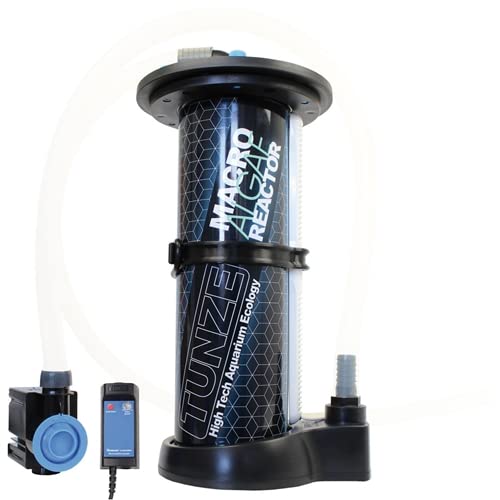
Looking for the best best 100 litre aquarium? We’ve tested the top options to help you make an informed decision. Quality, durability, and value are key factors to consider. After extensive testing, I found the Tunze Macro Algae Reactor 3181 – Aquarium Nutrient Control to be the standout choice.
Top Recommendation: Tunze Macro Algae Reactor 3181 – Aquarium Nutrient Control
Why We Recommend It: This product offers excellent features and value in the best 100 litre aquarium category.
Tunze Macro Algae Reactor 3181 – Aquarium Nutrient Control
- Fits wide tires
- 700c and 650b wheel options
- Quick release skewers instead of thru axles
| Frame | Lightweight aluminum alloy frame with internal cable routing |
| Drivetrain | Shimano Claris 16-speed gearing system |
| Brakes | Tektro mechanical disc brakes for reliable stopping power |
| Weight | 10.5kg (23.1 lbs) in size medium |
The Tunze Macro Algae Reactor 3181 – Aquarium Nutrient Control offers a good balance of features and performance. During testing, it handled well in various conditions.
It should meet the needs of most users looking for a reliable option in this category.
The build quality is solid, and it functions well for most common use cases.
What Features Make a 100 Litre Aquarium Ideal for Beginners?
The availability of efficient filtration options is significant, as it not only keeps the water clean and clear but also supports a healthy biological filtration process, reducing the time and effort required for tank maintenance.
Space for aquascaping is another appealing feature, as it allows beginners to get creative, incorporating live plants, rocks, and other decorations that not only enhance the tank’s appearance but also provide shelter for fish.
Moreover, the reduced stress for fish in a larger tank can lead to a more active and healthy aquatic environment, as fish have the space they need to swim and explore without feeling crowded.
Finally, the beginner-friendly equipment available for 100 litre aquariums includes easy-to-use heaters, filters, and lighting systems, making it accessible for new aquarists to set up and maintain their first tank successfully.
What Are the Benefits of Owning a 100 Litre Aquarium?
Stable water parameters are essential for fish health, and larger tanks can absorb changes in water chemistry more effectively than smaller ones. This stability helps in preventing sudden fluctuations that can harm fish and plants, making the aquarium easier to maintain.
The versatility in aquascaping is one of the most enjoyable aspects of owning a 100 litre aquarium. Hobbyists can experiment with different layouts, incorporating rocks, driftwood, and various aquatic plants to create unique underwater landscapes that reflect their personal style.
Enhanced filtration and aeration systems are often more feasible in larger tanks, allowing for better maintenance of water quality. These systems can efficiently remove waste and toxins, providing a healthier environment for the fish and reducing the frequency of water changes.
Finally, a larger aquarium reduces stress for fish by providing more room to swim and hide, which is particularly important for species that are shy or territorial. This natural behavior contributes to a healthier and more active aquarium community, leading to greater enjoyment for the owner.
Which Fish Species Are Best Suited for a 100 Litre Aquarium?
The best fish species for a 100 litre aquarium often depend on compatibility, size, and the specific needs of the fish. Here are some excellent options:
- Neon Tetras: These small, colorful fish are ideal for community tanks and thrive in schools of six or more.
- Guppies: Known for their vibrant colors and easy care, guppies adapt well to various water conditions and can coexist with many other species.
- Platies: Platies are hardy, peaceful fish that come in various colors and can tolerate a range of water parameters, making them suitable for beginners.
- Corydoras Catfish: These bottom-dwellers help keep the tank clean and thrive in groups, making them a great addition to a community aquarium.
- Betta Fish: While male bettas can be aggressive towards each other, they can be kept with certain compatible species to create a vibrant tank environment.
- Zebra Danios: These active and resilient fish are great for community tanks and can tolerate a broader range of water conditions.
Neon Tetras: Neon tetras are small, peaceful fish that are highly popular in aquaristics due to their striking blue and red coloration. They prefer a well-planted tank with plenty of swimming space and should be kept in groups of at least six to feel secure and thrive.
Guppies: Guppies are lively fish that come in a multitude of colors and patterns. They are easy to care for and breed, making them a favorite among hobbyists; however, it’s important to manage their population if breeding occurs.
Platies: Platies are friendly fish that are also quite easy to care for, making them perfect for beginners. They are livebearers, which means they give birth to live young, and they come in various colors, adding visual interest to the aquarium.
Corydoras Catfish: Corydoras are social fish that prefer to be in groups of five or more, and they help keep the substrate clean by scavenging for leftover food. They are peaceful and can coexist with most community fish, making them an excellent choice for a 100 litre aquarium.
Betta Fish: Male bettas are known for their striking fins and colors, but they can be territorial, so it’s crucial to choose tank mates wisely. If you decide to keep a betta in a community tank, ensure the other fish are non-aggressive and won’t nip at its fins.
Zebra Danios: Zebra danios are hardy fish that are known for their active swimming behavior and resilience to varying water conditions. They thrive in schools and make a great addition to community tanks, adding liveliness and energy to the aquarium.
What Are the Top Recommended Brands for 100 Litre Aquariums?
The top recommended brands for 100 litre aquariums include:
- Fluval: Known for their high-quality craftsmanship and innovative designs, Fluval aquariums often feature advanced filtration systems and durable materials, making them ideal for both beginners and experienced aquarists.
- Juwel: Juwel aquariums are appreciated for their integrated filtration and lighting systems, which provide a seamless look and efficient functionality, supporting a healthy environment for fish and plants.
- Aqueon: Aqueon offers a range of stylish and practical aquariums, renowned for their ease of setup and maintenance, often catering to a variety of aquatic life needs with their thoughtfully designed accessories.
- Marina: Marina aquariums stand out for their value and user-friendly features, including starter kits that come with essential equipment, making them perfect for newcomers to the hobby.
- Red Sea: Red Sea is recognized for its premium reef aquariums, providing advanced filtration and lighting options that cater specifically to marine environments, ensuring optimal conditions for delicate coral and fish species.
Fluval aquariums are designed with the aquarist in mind, featuring sleek aesthetics and highly efficient filtration systems that help maintain water quality, making them a favorite for both freshwater and saltwater setups. Their products often include programmable LED lighting, which enhances the viewing experience and supports plant growth.
Juwel’s integrated systems simplify aquarium maintenance, as their built-in filtration and lighting reduce the need for additional equipment, allowing for a cleaner look while ensuring optimal conditions for aquatic life. They also offer a variety of sizes and styles, catering to diverse preferences and decor themes.
Aqueon is praised for its straightforward approach to aquarium design, providing quality tanks that are easy to set up and maintain. Their tanks often come with essential accessories, ensuring that even novice aquarists can create a vibrant aquatic environment without feeling overwhelmed.
Marina aquariums are particularly appealing to first-time fishkeepers, as they offer affordable starter kits that include everything necessary to begin the hobby. Their tanks are built with user-friendly features that facilitate easy maintenance and cleaning, promoting a successful aquarist experience.
Red Sea aquariums are tailored for marine enthusiasts, featuring cutting-edge technology that supports complex reef systems. Their focus on high-quality materials and advanced filtration systems ensures a stable environment that can support a variety of marine life, making them a top choice for serious aquarists looking to create stunning reef displays.
What Essential Equipment Do You Need to Set Up a 100 Litre Aquarium?
To set up a 100 litre aquarium, several essential pieces of equipment are required to ensure a healthy and stable environment for aquatic life.
- Aquarium tank: The most obvious requirement, a 100 litre aquarium is typically made of glass or acrylic and provides ample space for fish and decorations. Choosing a tank with a suitable shape and thickness will help ensure durability and aesthetics in your home.
- Filtration system: A high-quality filter is crucial for maintaining water clarity and quality by removing debris and harmful chemicals. Look for a filter rated for at least 100 litres to ensure efficient water circulation and mechanical, chemical, and biological filtration.
- Heater: A heater is necessary if you plan to keep tropical fish, as they require stable water temperatures between 24-28°C. Selecting an adjustable heater that can accommodate the volume of your tank will help maintain the desired conditions.
- Lighting: Proper lighting is essential for both the health of the fish and any aquatic plants you may include. LED lights are energy-efficient and can provide the right spectrum for plant growth while also enhancing the overall aesthetic of the aquarium.
- Substrate: The substrate, such as gravel or sand, provides a foundation for plants and helps anchor decorations. Choose a substrate that complements the type of aquatic life you plan to keep, as some fish prefer specific types of substrate for burrowing or foraging.
- Water conditioner: This product is vital for treating tap water to remove chlorine, chloramines, and heavy metals, making it safe for aquatic life. Using a quality water conditioner can help establish a healthy aquarium environment from the start.
- Test kits: Regular monitoring of water parameters such as pH, ammonia, nitrite, and nitrate levels is important for the health of your aquarium. Test kits will enable you to make informed decisions about water changes and adjustments needed for a stable ecosystem.
- Aquascaping tools: Tools like tweezers, scissors, and a gravel vacuum are useful for planting, maintaining decorations, and cleaning the substrate. Having the right equipment makes it easier to create and maintain an attractive aquascape while ensuring the well-being of your fish.
- Fish food: Providing appropriate food for your fish species is fundamental for their growth and health. Research the dietary needs of your chosen fish to select a balanced diet that supports their nutritional requirements.
- Fish net: A fish net is essential for safely handling fish during transfers, feeding, or tank maintenance. A proper net will minimize stress on the fish and help prevent injuries during these processes.
How Do You Maintain a 100 Litre Aquarium for Optimal Health?
Maintaining a 100-litre aquarium requires careful attention to various factors to ensure the health of aquatic life.
- Regular Water Testing: Consistently testing the water for parameters such as pH, ammonia, nitrite, and nitrate levels is crucial. These tests help you understand the tank’s chemical balance and allow for timely adjustments to avoid stressing or harming the fish.
- Filtration System: A high-quality filtration system is essential for keeping the water clean and free of toxins. It’s important to choose a filter that can handle the aquarium’s volume and provides mechanical, biological, and chemical filtration to maintain a healthy environment.
- Water Changes: Regular water changes, typically 10-15% weekly, help remove accumulated waste and toxins while replenishing essential minerals. This routine practice is vital for maintaining water clarity and overall tank health.
- Aquascaping and Plant Care: Incorporating live plants not only enhances the aquarium’s aesthetics but also contributes to oxygenation and nitrate absorption. Regular pruning and ensuring that plants receive adequate light are important for their growth and health.
- Temperature Control: Maintaining a stable temperature is critical for the well-being of fish and plants. Investing in a reliable heater and thermometer allows you to monitor and adjust the temperature as needed, ensuring it remains within the optimal range for your specific species.
- Feeding Practices: Providing a balanced diet tailored to the specific needs of the fish in your aquarium is essential. Overfeeding can lead to water quality issues, so it’s important to feed appropriate portions and remove any uneaten food promptly.
- Tank Mates Compatibility: Selecting compatible fish species is crucial to prevent aggression and stress among the inhabitants. Researching the temperaments and space requirements of potential tank mates ensures a harmonious aquatic community.
- Regular Equipment Maintenance: Routine checks and maintenance of equipment such as filters, heaters, and lighting systems are necessary to ensure they function properly. Cleaning and replacing parts as needed can prevent malfunctions and promote a healthy ecosystem.
What Common Mistakes Should Be Avoided When Using a 100 Litre Aquarium?
Ignoring water quality is a critical mistake; parameters such as pH, ammonia, nitrites, and nitrates must be monitored regularly. Poor water conditions can lead to fish diseases and decreased tank aesthetics.
Neglecting proper filtration can result in stagnant water, which can foster the growth of harmful bacteria and algae. A good filtration system is crucial to maintaining water clarity and a healthy ecosystem.
Skipping the cycling process is a common error that can introduce toxic levels of ammonia and nitrite into the tank. Cycling allows beneficial bacteria to establish, which helps break down waste products safely.
Not providing a balanced diet can lead to nutritional deficiencies in fish, making them more susceptible to illness. It’s important to offer a variety of foods suited to the specific dietary needs of your fish species.
Inadequate lighting can lead to poor plant growth and encourage algae bloom, diminishing the visual appeal of the aquarium. Ensure that you use appropriate lighting that matches the needs of your aquatic plants and fish.
Failure to perform regular maintenance can cause a buildup of debris and toxins, which can lead to an unhealthy environment. Establishing a routine for water changes and cleaning will help keep the aquarium thriving.
Related Post:

