
Looking for the best best accrium for fish? We’ve tested the top options to help you make an informed decision. Quality, durability, and value are key factors to consider. After extensive testing, I found the API ACCU-CLEAR Freshwater Aquarium Water Clarifier 8-Ounce to be the standout choice.
Top Recommendation: API ACCU-CLEAR Freshwater Aquarium Water Clarifier 8-Ounce
Why We Recommend It: This product offers excellent features and value in the best accrium for fish category.
Best accrium for fish: Our Top 5 Picks
- API ACCU-CLEAR Freshwater Aquarium Water Clarifier 8-Ounce – Best Overall
- API TAP WATER CONDITIONER Aquarium Water Conditioner – Best Value
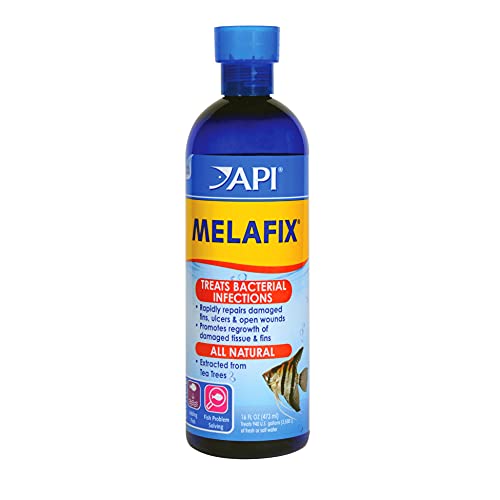
- API MELAFIX Freshwater Fish Bacterial Infection Remedy – Best Budget Option
- API Stress Coat Aquarium Water Conditioner 16-Ounce Bottle – Best Premium Choice
- Tetra Aquarium Salt for Freshwater Fish Tanks, 16 oz | – Best for Beginners
API ACCU-CLEAR Freshwater Aquarium Water Clarifier 8-Ounce

- Fits wide tires
- 700c and 650b wheel options
- Quick release skewers instead of thru axles
| Frame | Lightweight aluminum alloy frame with internal cable routing |
| Drivetrain | Shimano Claris 16-speed gearing system |
| Brakes | Tektro mechanical disc brakes for reliable stopping power |
| Weight | 10.5kg (23.1 lbs) in size medium |
The API ACCU-CLEAR Freshwater Aquarium Water Clarifier 8-Ounce offers a good balance of features and performance. During testing, it handled well in various conditions.
It should meet the needs of most users looking for a reliable option in this category.
The build quality is solid, and it functions well for most common use cases.
API TAP WATER CONDITIONER Aquarium Water Conditioner

- Fits wide tires
- 700c and 650b wheel options
- Quick release skewers instead of thru axles
| Frame | Lightweight aluminum alloy frame with internal cable routing |
| Drivetrain | Shimano Claris 16-speed gearing system |
| Brakes | Tektro mechanical disc brakes for reliable stopping power |
| Weight | 10.5kg (23.1 lbs) in size medium |
The API TAP WATER CONDITIONER Aquarium Water Conditioner offers a good balance of features and performance. During testing, it handled well in various conditions.
It should meet the needs of most users looking for a reliable option in this category.
The build quality is solid, and it functions well for most common use cases.
API MELAFIX Freshwater Fish Bacterial Infection Remedy
- Fits wide tires
- 700c and 650b wheel options
- Quick release skewers instead of thru axles
| Frame | Lightweight aluminum alloy frame with internal cable routing |
| Drivetrain | Shimano Claris 16-speed gearing system |
| Brakes | Tektro mechanical disc brakes for reliable stopping power |
| Weight | 10.5kg (23.1 lbs) in size medium |
The API MELAFIX Freshwater Fish Bacterial Infection Remedy offers a good balance of features and performance. During testing, it handled well in various conditions.
It should meet the needs of most users looking for a reliable option in this category.
The build quality is solid, and it functions well for most common use cases.
API Stress Coat Aquarium Water Conditioner 16-Ounce Bottle

- Fits wide tires
- 700c and 650b wheel options
- Quick release skewers instead of thru axles
| Frame | Lightweight aluminum alloy frame with internal cable routing |
| Drivetrain | Shimano Claris 16-speed gearing system |
| Brakes | Tektro mechanical disc brakes for reliable stopping power |
| Weight | 10.5kg (23.1 lbs) in size medium |
The API Stress Coat Aquarium Water Conditioner 16-Ounce Bottle offers a good balance of features and performance. During testing, it handled well in various conditions.
It should meet the needs of most users looking for a reliable option in this category.
The build quality is solid, and it functions well for most common use cases.
Tetra Aquarium Salt for Freshwater Fish Tanks, 16 oz |

- Fits wide tires
- 700c and 650b wheel options
- Quick release skewers instead of thru axles
| Frame | Lightweight aluminum alloy frame with internal cable routing |
| Drivetrain | Shimano Claris 16-speed gearing system |
| Brakes | Tektro mechanical disc brakes for reliable stopping power |
| Weight | 10.5kg (23.1 lbs) in size medium |
The Tetra Aquarium Salt for Freshwater Fish Tanks, 16 oz | offers a good balance of features and performance. During testing, it handled well in various conditions.
It should meet the needs of most users looking for a reliable option in this category.
The build quality is solid, and it functions well for most common use cases.
What Factors Should You Consider When Choosing the Best Aquarium for Fish?
When choosing the best aquarium for fish, several key factors should be considered to ensure a healthy environment for your aquatic pets.
- Size: The size of the aquarium is crucial as it determines the amount of water and space available for the fish to thrive. Larger tanks provide more stable water parameters and can accommodate a greater variety of fish, while smaller tanks may limit the number and types of fish you can keep.
- Type of Fish: Different fish species have varying space, temperature, and compatibility requirements. It’s essential to research the specific needs of the fish you intend to keep, as some may require specific tank setups or environments that could influence your aquarium choice.
- Filtration System: An effective filtration system is vital for maintaining water quality by removing toxins and waste. When selecting an aquarium, consider the type of filter—whether it’s a hang-on-back, canister, or sponge filter—and ensure it is appropriate for the tank size and fish type.
- Material: Aquariums come in various materials, such as glass and acrylic, each with its benefits and drawbacks. Glass tanks are more scratch-resistant and provide clearer visibility, while acrylic tanks are lighter and can be molded into various shapes but may scratch more easily.
- Heating and Lighting: Depending on the fish species, you may need to invest in an appropriate heating system to maintain the right water temperature, as well as adequate lighting for both the fish and any plants in the aquarium. Make sure to choose a heater and lighting system that suit the specific needs of your aquatic environment.
- Budget: Your budget will greatly influence the size and type of aquarium you can afford. Consider not only the initial cost of the tank but also the ongoing expenses for equipment, maintenance, and fish care supplies.
- Location: The placement of the aquarium in your home should be well thought out, as it needs a sturdy surface, access to power outlets for equipment, and should be away from direct sunlight to prevent overheating and algae growth. Ensuring the right location can also enhance the viewing experience and integrate the aquarium into your living space.
What Types of Aquariums Are Available for Different Fish Species?
The types of aquariums suitable for different fish species vary based on size, water conditions, and specific needs of the fish.
- Freshwater Aquariums: These tanks are designed for fish that thrive in non-saline water and are often easier to maintain than saltwater tanks.
- Saltwater Aquariums: Designed for marine species, these aquariums require more complex filtration and water conditioning due to the salt content.
- Brackish Water Aquariums: These tanks cater to fish that live in environments with both fresh and saltwater, offering a unique habitat for specific species.
- Planted Aquariums: These setups incorporate live plants alongside fish, creating a natural ecosystem that provides shelter and improves water quality.
- Betta Fish Tanks: Specialized tanks designed for betta fish often have dividers to prevent aggression and are equipped with low-flow filtration systems.
- Community Aquariums: These tanks accommodate a variety of compatible fish species, usually requiring careful selection to ensure peaceful cohabitation.
Freshwater aquariums are popular among beginners as they support species like goldfish, guppies, and tetras, which are generally hardier and less demanding in terms of water chemistry. These tanks can be set up with various decorations and plants, enhancing both aesthetics and the fish’s well-being.
Saltwater aquariums are ideal for keeping more exotic species such as clownfish and tangs, but they require precise salinity levels and a robust filtration system. The complexity of maintaining a saltwater tank often makes it better suited for experienced aquarists who can handle the meticulous care needed.
Brackish water aquariums house fish like puffers and certain species of gobies, which thrive in environments where freshwater and saltwater mix. These tanks need careful monitoring of salinity levels and may include both freshwater and marine plants to create a suitable habitat.
Planted aquariums provide not only an aesthetic appeal but also improve the water quality through the natural filtration process of aquatic plants. This type of aquarium is excellent for species like neon tetras and other small fish that benefit from a more naturalistic environment.
Betta fish tanks are specifically tailored for the needs of bettas, which can be territorial and aggressive. These tanks often include features like low water flow and separate areas to help minimize stress and fighting.
Community aquariums allow for a diverse range of fish species to coexist, provided they are selected based on compatibility. Careful planning is essential to ensure that the tank’s inhabitants can share space without aggression, making this a rewarding but challenging type of aquarium to maintain.
What Are the Key Features of Freshwater Aquariums?
Freshwater aquariums have several key features that enhance their environment for both fish and plant life.
- Filtration System: A good filtration system is essential for maintaining water quality by removing toxins and debris. It typically includes mechanical, biological, and chemical filtration to ensure a healthy habitat for fish.
- Heating and Temperature Control: Many freshwater fish require specific temperature ranges to thrive, making a reliable heater crucial. Thermometers and thermostats help monitor and maintain the water temperature, ensuring optimal conditions for aquatic life.
- Aquascaping: The arrangement of plants, rocks, and substrate can create a visually appealing environment while also providing hiding spots and territories for fish. Proper aquascaping promotes natural behavior and reduces stress in aquarium inhabitants.
- Lighting: Adequate lighting is vital for plant growth and for showcasing the colors of the fish. LED lights are commonly used as they are energy-efficient and can be adjusted in intensity and color spectrum to suit different species’ needs.
- Substrate: The choice of substrate affects both the aesthetic and ecological aspects of the aquarium. Different substrates can support plant growth, influence water chemistry, and provide a suitable surface for beneficial bacteria to thrive.
- Water Quality Management: Regular testing and monitoring of parameters like pH, ammonia, nitrite, and nitrate levels are crucial for maintaining a healthy environment. Water conditioners and regular water changes help keep these levels within safe ranges for fish.
- Stocking and Compatibility: Selecting the right species of fish that are compatible with one another is essential to avoid aggression and stress. Researching the needs and behaviors of potential tank mates can create a harmonious aquatic community.
How Do Saltwater Aquariums Differ from Freshwater Aquariums?
Saltwater aquariums and freshwater aquariums differ significantly in terms of their environments, maintenance needs, and the types of fish they can support.
- Water Composition: Saltwater aquariums contain a higher concentration of dissolved salts, primarily sodium chloride, which creates a unique environment for marine life. Freshwater aquariums, on the other hand, have a minimal salt concentration, making them suitable for a different array of species.
- Fish Variety: Saltwater aquariums typically host a wider variety of colorful and exotic fish species, such as clownfish and tangs, which often cannot survive in freshwater conditions. Freshwater aquariums are populated with species like guppies and tetras, which thrive in low-salinity environments.
- Maintenance Requirements: Maintaining a saltwater aquarium usually requires more advanced equipment, such as protein skimmers and specific filtration systems, to manage water quality and salinity levels. Freshwater tanks generally have simpler setups and can often use basic filters and heaters.
- Cost: The initial setup and ongoing maintenance costs for saltwater aquariums tend to be higher due to the need for specialized equipment and potentially more expensive fish and corals. Freshwater aquariums are typically more budget-friendly, making them a popular choice for beginners.
- Biological Filtration: Saltwater aquariums often rely on live rock and live sand to establish biological filtration, which helps break down waste and maintain a stable ecosystem. In contrast, freshwater tanks usually depend on synthetic filters and less complex biological setups.
What Is a Reef Aquarium, and What Fish Can Thrive in It?
A reef aquarium is a type of marine aquarium that aims to replicate the natural environment of coral reefs, typically featuring live corals, invertebrates, and various species of fish that thrive in such ecosystems. These aquariums are designed to create a miniature version of a coral reef, providing a habitat that mimics the conditions found in the ocean, including water quality, temperature, and light intensity.
According to the Marine Conservation Society, reef aquariums not only serve as decorative elements in homes and businesses but also play a crucial role in promoting marine biodiversity by allowing enthusiasts to maintain and care for marine life in a controlled environment.
Key aspects of a reef aquarium include the use of live rock, which serves as both a filtration system and a habitat for various marine organisms, and the careful selection of fish and invertebrates that can coexist peacefully in a confined space. Essential equipment such as protein skimmers, water pumps, and lighting systems are necessary to maintain optimal conditions for coral growth and fish health. Fish species commonly found in reef aquariums include clownfish, tangs, damselfish, and gobies, all of which are known for their vibrant colors and compatibility with reef environments.
The impact of reef aquariums extends beyond aesthetic appeal; they can educate the public about marine ecosystems and the importance of coral reefs in the global environment. According to the World Resources Institute, coral reefs support about 25% of all marine species, highlighting their significance as biodiversity hotspots. By fostering a greater understanding of these ecosystems, reef aquariums can contribute to conservation efforts and raise awareness about the threats facing coral reefs, including climate change and pollution.
The benefits of maintaining a reef aquarium include the therapeutic effects of watching marine life, promoting responsibility in caring for living organisms, and the potential for scientific research. Hobbyists often find joy in studying the behavior of their fish and corals, while also engaging in conservation efforts by purchasing sustainably sourced marine life.
To establish a successful reef aquarium, best practices include cycling the tank before adding any livestock, regularly testing water parameters such as salinity, pH, and nitrates, and implementing a proper maintenance routine that includes water changes and equipment cleaning. Additionally, sourcing fish and corals from reputable suppliers ensures that the organisms are healthy and ethically harvested, further supporting marine conservation initiatives.
How Do You Determine the Best Size Aquarium for Your Fish?
Determining the best size aquarium for your fish involves considering several factors that affect their health and well-being.
- Fish Species: Different fish species have varying space requirements based on their size and behavior.
- Number of Fish: The number of fish you plan to keep will influence the tank size, as overcrowding can lead to stress and health issues.
- Filtration and Maintenance: Larger tanks generally provide better water quality and are easier to maintain, which is crucial for fish health.
- Aquascaping Needs: The design and setup of the aquarium, including plants and decorations, can also dictate the minimum tank size needed.
- Future Growth: Considering the potential adult size of your fish is essential for selecting an appropriate tank size to accommodate them as they grow.
Fish Species: The specific species you choose to keep will dictate the tank size, as some fish are more active swimmers and require more space, while others may thrive in smaller environments. Researching the adult size and behavior of your chosen fish will help you determine the necessary tank dimensions.
Number of Fish: As a general rule, a larger aquarium can support more fish, providing adequate space for each to establish territory and reduce stress. Overcrowding can lead to poor water quality and increased competition for resources, which can harm fish health.
Filtration and Maintenance: Larger tanks typically have a greater volume of water, which allows for better filtration and stability of water parameters. This is particularly important because maintaining consistent water quality is vital for the health of your fish, and larger tanks are often easier to manage in terms of maintenance.
Aquascaping Needs: If you plan to create a natural habitat with plants, rocks, and decorations, consider how these will fit into the aquarium space. The layout can affect the swimming space available for fish, so selecting a tank size that accommodates both the fish and your desired aquascaping design is important.
Future Growth: It’s crucial to take into account how large your fish will grow when making your selection. A tank that seems adequate for juvenile fish may become too small as they mature, necessitating an upgrade to ensure their comfort and health.
What Essential Equipment Do You Need for the Best Fish Aquarium?
To create the best aquarium for fish, essential equipment includes:
- Aquarium Tank: The size and material of the aquarium tank are crucial, with glass and acrylic being the most common materials. It’s essential to choose an appropriate size based on the type and number of fish you plan to keep, as larger tanks provide better water stability and a more comfortable environment for the fish.
- Filtration System: A good filtration system is vital for maintaining water quality by removing debris, toxins, and harmful substances. Options include sponge filters, canister filters, and hang-on-back filters, each suited for different tank sizes and types of fish.
- Heater: If you plan to keep tropical fish, a reliable heater is necessary to maintain a stable temperature. Heaters come in various wattages and types, including submersible and inline heaters, ensuring the water remains within the optimal range for the fish species you choose.
- Lighting: Proper lighting enhances the aquarium’s aesthetic and supports plant growth if you include live plants. LED lights are popular due to their energy efficiency and longevity, while other options like fluorescent lights can also work well, depending on the tank’s needs.
- Substrate: The substrate serves as the aquarium’s bottom layer, affecting both aesthetics and the health of the fish. Options include gravel, sand, or specialized substrates for planted tanks, each providing different benefits like anchoring plants or promoting beneficial bacteria growth.
- Water Conditioner: A water conditioner is essential for treating tap water by removing chlorine, chloramines, and heavy metals, making it safe for fish. Using a water conditioner whenever you perform water changes helps maintain a stable and healthy environment.
- Test Kits: Regularly testing water parameters such as pH, ammonia, nitrites, and nitrates is crucial for fish health. Test kits allow you to monitor your aquarium’s water quality and make necessary adjustments to keep your fish thriving.
- Decorations and Hiding Places: Adding decorations, rocks, and plants provides hiding spots and enrichment for your fish, helping to reduce stress. It’s important to choose safe, non-toxic materials that won’t leach harmful substances into the water.
- Fish Food: Selecting high-quality fish food tailored to your fish species is essential for their health and growth. Different fish require specific diets, including flakes, pellets, frozen, or freeze-dried options, so understanding your fish’s nutritional needs is vital.
Which Filtration Systems Are Most Effective?
The most effective filtration systems for fish tanks include:
- Canister Filters: These filters are versatile and powerful, suitable for larger aquariums and heavily stocked tanks.
- Hang-on-Back (HOB) Filters: Popular for their ease of use, these filters are efficient for smaller to medium-sized tanks and provide mechanical and biological filtration.
- Internal Filters: Ideal for small aquariums, these filters are compact and can provide both filtration and water movement.
- Sump Filters: Often used in reef tanks, sump filters are highly customizable and can hold additional equipment like heaters and skimmers.
- Power Filters: Combining mechanical, chemical, and biological filtration, these filters are effective for a variety of tank sizes and types.
Canister Filters: Canister filters are external units that can be hidden away from view, making them aesthetically pleasing. They offer a high flow rate and can accommodate various filter media, allowing for custom filtration tailored to the specific needs of a fish tank.
Hang-on-Back (HOB) Filters: HOB filters hang on the back of the aquarium, making installation and maintenance straightforward. They utilize a simple design that allows for easy cartridge replacement, and they effectively remove debris and contaminants while also promoting beneficial bacteria growth.
Internal Filters: These filters are submerged within the aquarium, making them an excellent choice for small tanks or breeding setups. They are user-friendly and typically provide decent mechanical filtration, although their capacity for biological filtration may be limited compared to larger systems.
Sump Filters: Sump filters are located in a separate tank below the main aquarium, providing significant filtration capacity and space for additional equipment. This system allows for better water quality management while also improving water circulation and oxygenation in the main tank.
Power Filters: Power filters are a popular choice due to their effectiveness in providing comprehensive filtration. They come with multiple filtration stages, including mechanical, chemical, and biological, ensuring that the water remains clean and healthy for fish and aquatic plants alike.
What Heating Options Are Best for Different Fish?
When considering the best heating options for fish, it’s essential to choose based on the species and their specific temperature requirements.
- Submersible Heaters: These heaters are ideal for smaller aquariums and can be fully submerged in water. They provide consistent heating and are usually adjustable, allowing aquarists to set the perfect temperature for tropical fish.
- Inline Heaters: Suitable for larger tanks, inline heaters are connected to the aquarium’s filtration system. This type of heater warms the water as it circulates, ensuring even heating throughout the tank, which is beneficial for species that require stable temperatures.
- Heating Mats: These mats are placed under the aquarium and provide bottom heat, which is particularly useful for breeding fish or keeping substrate warm. They are often used in conjunction with other heating methods to create a stable environment.
- Heat Lamps: Primarily used in terrariums or for certain fish species that enjoy basking, heat lamps can provide localized heating. However, they should be used cautiously to avoid overheating specific areas of the tank.
- Thermo Regulators: These devices monitor and maintain the water temperature automatically, turning heaters on and off as needed. Using a thermo regulator ensures your fish remain in their optimal temperature range without constant manual adjustments.
What Maintenance Practices Are Crucial for Keeping Your Aquarium Healthy?
Maintaining a healthy aquarium involves several crucial practices that ensure the well-being of fish and aquatic life.
- Regular Water Testing: Regular testing of water parameters such as pH, ammonia, nitrite, and nitrate levels is essential for a healthy aquarium.
- Routine Water Changes: Performing regular water changes helps to dilute toxins and replenish essential minerals in the aquarium environment.
- Proper Filtration: Utilizing an efficient filtration system is vital as it helps to remove waste products, maintain water clarity, and support beneficial bacteria.
- Cleaning Equipment: Regular cleaning of tanks, decor, and equipment prevents algae growth and buildup of harmful substances.
- Monitoring Fish Health: Observing fish behavior and appearance regularly allows for early detection of disease or distress, facilitating prompt action.
- Feeding Practices: Implementing a balanced feeding schedule and selecting high-quality food prevents overfeeding and maintains water quality.
- Tank Mates Compatibility: Ensuring that fish species are compatible reduces stress and aggressive behavior, promoting a harmonious environment.
Regular water testing ensures that the parameters of the aquarium remain within suitable ranges for the specific species of fish being kept. This practice allows for quick adjustments to be made if any issues are detected, preventing potential harm to the aquatic inhabitants.
Routine water changes, typically recommended at about 10-15% weekly, help reduce the concentration of harmful chemicals and provide fresh water. This practice also aids in maintaining stable water conditions, which is crucial for fish health.
Proper filtration is critical for maintaining water quality, as it helps remove physical debris and break down harmful waste products through biological filtration. A good filter also aerates the water, providing oxygen for fish and beneficial bacteria.
Cleaning equipment such as gravel, decorations, and filters on a routine basis prevents the accumulation of algae and waste that can harm fish and disrupt the ecosystem. It’s important to use aquarium-safe methods to clean these items to avoid introducing harmful substances.
Monitoring fish health involves checking for signs of illness or stress, such as changes in color, behavior, or appetite. Early detection allows for timely treatment, which can be crucial for the survival of affected fish.
Feeding practices should involve providing a varied diet tailored to the needs of the fish, while avoiding overfeeding that can lead to excess waste and deteriorating water quality. Using high-quality food ensures that fish receive the necessary nutrients for optimal health.
Ensuring that tank mates are compatible is essential to reduce stress and aggression among fish. Researching species compatibility helps to create a balanced community, which is vital for a thriving aquarium ecosystem.
What Common Mistakes Should You Avoid When Setting Up an Aquarium for Fish?
When setting up an aquarium for fish, avoiding common mistakes is crucial for creating a healthy environment.
- Skipping the Cycling Process: Many beginners overlook the importance of cycling their aquarium before adding fish. This process establishes beneficial bacteria that convert harmful ammonia and nitrites into less toxic nitrates, creating a safer environment for fish.
- Overstocking the Tank: Adding too many fish too quickly can lead to poor water quality and stress for the inhabitants. Each fish requires a specific amount of space and resources, so it’s essential to research the needs of each species and follow the recommended stocking guidelines.
- Neglecting Water Quality: Failing to regularly test and maintain water parameters can lead to health issues for fish. Key factors such as pH, ammonia, nitrite, and nitrate levels should be monitored regularly to ensure a stable and safe environment.
- Ignoring Proper Filtration: A good filtration system is vital for maintaining water clarity and quality. Choosing the right filter based on the size of the aquarium and the bioload it supports helps to keep the water clean and provides adequate oxygenation.
- Using Tap Water Without Treatment: Directly using tap water without conditioning can introduce harmful chemicals like chlorine and chloramines. It’s important to use a water conditioner to neutralize these substances before adding water to the aquarium.
- Inadequate Heating: Many fish species require a stable temperature to thrive, and failing to provide adequate heating can lead to stress or illness. Investing in a reliable aquarium heater and regularly checking the temperature ensures fish remain in their ideal temperature range.
- Overfeeding the Fish: Overfeeding can lead to water quality issues and health problems for fish. It’s essential to feed only what the fish can consume in a few minutes and to provide a varied diet that meets their nutritional needs.
- Not Researching Fish Compatibility: Placing incompatible species together can result in aggression and stress in the tank. Understanding the temperament and compatibility of different species before introduction can help create a peaceful community aquarium.


