
Looking for the best best aquarium plumbing? We’ve tested the top options to help you make an informed decision. Quality, durability, and value are key factors to consider. After extensive testing, I found the Aquarium Sump Return Pump Manifold, No-Drill HOB Aquarium to be the standout choice.
Top Recommendation: Aquarium Sump Return Pump Manifold, No-Drill HOB Aquarium
Why We Recommend It: This product offers excellent features and value in the best aquarium plumbing category.
Best aquarium plumbing: Our Top 5 Picks
- Aquarium Sump Return Pump Manifold, No-Drill HOB Aquarium – Best Overall
- Eshopps AEO19020 Hose for Aquarium Water Pump, 4-Feet – Best Value
- LANDEN Aquarium Stainless Steel Lily Pipe Kit 16mm Diameter – Best Budget Option
- 79” Flexible Pipe Cleaner Brush Set, Dual-Ended and – Best Premium Choice
- bskkw 3PCS 22mm Dark Gray Aquarium Nozzle, Plastic Water – Best for Beginners
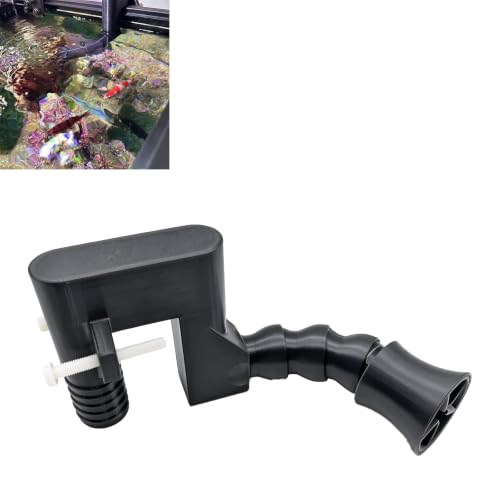
Aquarium Sump Return Pump Manifold, No-Drill HOB Aquarium
- Fits wide tires
- 700c and 650b wheel options
- Quick release skewers instead of thru axles
| Frame | Lightweight aluminum alloy frame with internal cable routing |
| Drivetrain | Shimano Claris 16-speed gearing system |
| Brakes | Tektro mechanical disc brakes for reliable stopping power |
| Weight | 10.5kg (23.1 lbs) in size medium |
The Aquarium Sump Return Pump Manifold, No-Drill HOB Aquarium offers a good balance of features and performance. During testing, it handled well in various conditions.
It should meet the needs of most users looking for a reliable option in this category.
The build quality is solid, and it functions well for most common use cases.
Eshopps AEO19020 Hose for Aquarium Water Pump, 4-Feet

- Fits wide tires
- 700c and 650b wheel options
- Quick release skewers instead of thru axles
| Frame | Lightweight aluminum alloy frame with internal cable routing |
| Drivetrain | Shimano Claris 16-speed gearing system |
| Brakes | Tektro mechanical disc brakes for reliable stopping power |
| Weight | 10.5kg (23.1 lbs) in size medium |
The Eshopps AEO19020 Hose for Aquarium Water Pump, 4-Feet offers a good balance of features and performance. During testing, it handled well in various conditions.
It should meet the needs of most users looking for a reliable option in this category.
The build quality is solid, and it functions well for most common use cases.
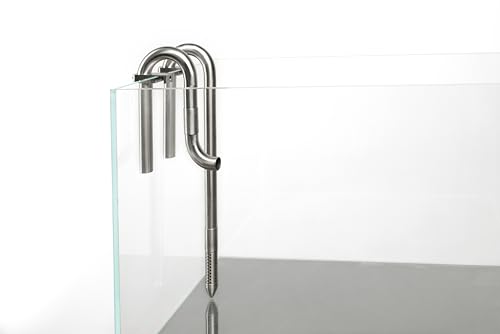
LANDEN Aquarium Stainless Steel Lily Pipe Kit 16mm Diameter
- Fits wide tires
- 700c and 650b wheel options
- Quick release skewers instead of thru axles
| Frame | Lightweight aluminum alloy frame with internal cable routing |
| Drivetrain | Shimano Claris 16-speed gearing system |
| Brakes | Tektro mechanical disc brakes for reliable stopping power |
| Weight | 10.5kg (23.1 lbs) in size medium |
The LANDEN Aquarium Stainless Steel Lily Pipe Kit 16mm Diameter offers a good balance of features and performance. During testing, it handled well in various conditions.
It should meet the needs of most users looking for a reliable option in this category.
The build quality is solid, and it functions well for most common use cases.
79” Flexible Pipe Cleaner Brush Set, Dual-Ended and

- Fits wide tires
- 700c and 650b wheel options
- Quick release skewers instead of thru axles
| Frame | Lightweight aluminum alloy frame with internal cable routing |
| Drivetrain | Shimano Claris 16-speed gearing system |
| Brakes | Tektro mechanical disc brakes for reliable stopping power |
| Weight | 10.5kg (23.1 lbs) in size medium |
The 79” Flexible Pipe Cleaner Brush Set, Dual-Ended and offers a good balance of features and performance. During testing, it handled well in various conditions.
It should meet the needs of most users looking for a reliable option in this category.
The build quality is solid, and it functions well for most common use cases.
bskkw 3PCS 22mm Dark Gray Aquarium Nozzle, Plastic Water

- Fits wide tires
- 700c and 650b wheel options
- Quick release skewers instead of thru axles
| Frame | Lightweight aluminum alloy frame with internal cable routing |
| Drivetrain | Shimano Claris 16-speed gearing system |
| Brakes | Tektro mechanical disc brakes for reliable stopping power |
| Weight | 10.5kg (23.1 lbs) in size medium |
The bskkw 3PCS 22mm Dark Gray Aquarium Nozzle, Plastic Water offers a good balance of features and performance. During testing, it handled well in various conditions.
It should meet the needs of most users looking for a reliable option in this category.
The build quality is solid, and it functions well for most common use cases.
What Is Aquarium Plumbing and Why Is It Important?
Statistics indicate that over 70% of aquarium keepers experience issues related to water quality, often stemming from inadequate plumbing systems. Therefore, investing in the best aquarium plumbing not only enhances performance but also contributes to the longevity of both the aquarium setup and its inhabitants.
To achieve optimal results with aquarium plumbing, best practices include regularly inspecting and maintaining the plumbing components, using high-quality materials that resist corrosion and wear, and designing the plumbing layout to accommodate easy access for cleaning and repairs. Additionally, utilizing check valves can prevent backflow and potential contamination, further ensuring the health of the aquatic environment.
What Are the Key Components of Effective Aquarium Plumbing?
The key components of effective aquarium plumbing ensure a well-functioning and healthy aquatic environment.
- Water Pump: A water pump is essential for circulating water throughout the aquarium system. It helps maintain water movement, ensuring that all areas of the tank receive adequate filtration and oxygenation, which is crucial for the health of aquatic life.
- Filter: The filter is responsible for removing debris, waste, and toxins from the water. There are various types of filters, including canister, hang-on-back, and sump filters, each designed to cater to different aquarium sizes and bioloads, thus keeping the water clean and safe for inhabitants.
- Bulkhead Fittings: Bulkhead fittings are used to create watertight connections between the aquarium and plumbing components. They allow for the safe passage of water between tanks or from the aquarium to external filters and sumps, preventing leaks and maintaining water levels.
- Overflow Box: An overflow box is crucial for managing water levels in the aquarium while ensuring a continuous flow into the filtration system. It allows excess water to drain into the sump or filter, preventing overflow and maintaining a stable environment for fish and plants.
- Hoses and Tubing: Hoses and tubing connect various plumbing components and facilitate water movement. They come in different diameters and materials, allowing for flexibility in design while ensuring that water flows efficiently without leaks or blockages.
- Valves: Valves control the flow of water in the plumbing system. They can be shut off or adjusted to regulate water movement, making maintenance easier and allowing for precise control over the aquarium’s water parameters.
- Return Line: The return line directs filtered water back into the aquarium from the filter or sump. It is important for maintaining circulation and ensuring that the aquarium remains oxygenated and clean for aquatic life.
- Heater: While not traditionally seen as plumbing, a heater is essential for maintaining the desired water temperature in the aquarium. Proper placement and integration within the plumbing system ensure that heated water is evenly distributed, promoting a stable environment.
Which Types of Pipes Are Best for Aquarium Use?
When considering the best aquarium plumbing, various types of pipes are suitable for different setups and needs.
- PVC Pipes: These are popular due to their durability and resistance to corrosion.
- Flexible Tubing: This option is favored for its ease of installation and versatility in tight spaces.
- ABS Pipes: Known for their sturdiness, they are often used in larger systems where strength is paramount.
- Silicone Tubing: This type is ideal for connecting pumps and other equipment due to its flexibility and resistance to kinking.
- Stainless Steel Pipes: Though less common, they provide excellent longevity and are resistant to rust and corrosion.
PVC Pipes: PVC pipes are a staple in aquarium plumbing because they are lightweight, easy to work with, and available in various sizes. They are also non-toxic once properly cured, making them safe for aquatic life. Their rigid structure allows for secure connections and minimizes leaks.
Flexible Tubing: Flexible tubing is often made from materials like vinyl or silicone, allowing for easy routing around obstacles in and out of the aquarium. This type is particularly useful for applications where bends and curves are necessary, and it can be cut to the desired length without specialized tools. However, it’s essential to choose high-quality tubing to prevent wear and tear over time.
ABS Pipes: Acrylonitrile Butadiene Styrene (ABS) pipes are stronger than PVC, making them a reliable choice for large aquariums or systems with significant water flow. They are resistant to impact and can withstand high temperatures, which is beneficial in certain settings. However, they can be more challenging to find and work with compared to PVC.
Silicone Tubing: Silicone tubing is favored for its flexibility and ability to create watertight seals with minimal effort. It can easily conform to various shapes and is resistant to UV and ozone, making it a long-lasting option for aquarium systems. Additionally, its transparency can help monitor flow and potential blockages.
Stainless Steel Pipes: While not as common in hobbyist aquariums, stainless steel pipes offer superb durability and resistance to corrosion, making them ideal for saltwater setups. They can handle high pressure and temperature fluctuations, ensuring a reliable plumbing system. However, they can be more expensive and require proper maintenance to prevent tarnishing.
How Do Fittings and Valves Enhance Plumbing Efficiency?
Bulkheads: Bulkheads are essential for creating holes in aquarium tanks for plumbing connections, allowing for the integration of overflow systems and sump setups. They are designed to prevent leaks and maintain structural integrity while facilitating water movement to and from the aquarium.
Check Valves: These valves serve as a safeguard against backflow, which can lead to contamination or siphoning issues. By installing check valves strategically in the plumbing system, aquarists can ensure that water remains within designated paths, preserving water quality and system stability.
Ball Valves: Ball valves are favored for their durability and ease of use, allowing for complete closure of the water line with minimal effort. Their ability to quickly stop water flow is particularly beneficial during routine maintenance or in emergencies, as it minimizes disruption to the aquarium environment.
What Plumbing Systems Are Commonly Used in Aquariums?
The best aquarium plumbing systems include various types designed to ensure efficient water circulation, filtration, and maintenance in both freshwater and saltwater setups.
- Canister Filters: These are external filters that can handle large volumes of water, making them ideal for bigger aquariums. They allow for mechanical, chemical, and biological filtration, providing a comprehensive solution to keep the water clean and healthy for aquatic life.
- Hang-on-Back Filters: These filters are mounted on the back of the aquarium and are popular for their ease of use and maintenance. They provide effective filtration and oxygenation while taking up minimal space inside the tank.
- Drilled Systems with Sumps: This plumbing setup involves drilling holes in the aquarium and connecting it to a sump, which is a separate tank for filtration and water circulation. This system is favored in larger aquariums as it offers greater flexibility in filtration options and is quieter than other methods.
- Inline Heaters: Installed within the plumbing system, inline heaters help regulate water temperature effectively without taking up space in the aquarium. They are especially useful in larger tanks where traditional heaters may not provide consistent heating.
- Bulkheads and Valves: Bulkheads are fittings that allow water to pass through the aquarium walls to an external filtration system, while valves control water flow. These components are essential for maintaining a clean and functional plumbing system, allowing for easy maintenance and adjustments.
- Air Pumps and Air Stones: Air pumps push air through air stones, creating bubbles that enhance oxygen exchange in the water. This is crucial for the health of fish and other aquatic organisms, particularly in densely populated tanks.
How Does a Sump System Operate in an Aquarium Setup?
A sump system is essential in aquarium setups for effective filtration, water circulation, and additional water volume. Here are the main components and functions of a sump system:
- Overflow Box: The overflow box collects water from the aquarium and directs it into the sump. It prevents water from spilling over the edges of the tank and maintains the water level, ensuring a constant flow to the filtration system.
- Sump Tank: The sump tank is a separate compartment that houses various filtration media, pumps, and equipment. It allows for additional water volume, which helps in stabilizing the aquarium’s water parameters and provides a space for equipment that would otherwise take up space in the main tank.
- Return Pump: The return pump is responsible for pumping the water back from the sump to the main aquarium. It ensures efficient circulation, helping to distribute heat and nutrients evenly throughout the tank, and can be adjusted to control the flow rate based on the aquarium’s needs.
- Filtration Media: This includes various types of filter media such as sponge, activated carbon, or ceramic rings, which are placed in the sump. They provide biological, mechanical, and chemical filtration, helping to maintain water clarity and quality by removing debris, toxins, and harmful substances.
- Heater and Protein Skimmer: Many aquarists place a heater and protein skimmer in the sump for optimal performance. The heater maintains a stable temperature, while the protein skimmer removes organic waste before it can decompose, improving overall water quality and reducing the load on biological filtration.
- Water Level Control: Sump systems often have a water level control feature, such as an auto top-off system, to maintain consistent water levels. This helps prevent fluctuations caused by evaporation and ensures that the filtration system operates efficiently.
What Role Does an Overflow System Play in Aquatic Environments?
An overflow system plays a crucial role in maintaining the health and stability of aquatic environments by managing water levels and preventing overflow.
- Water Level Regulation: An overflow system helps to maintain a consistent water level in an aquarium, which is vital for the well-being of the aquatic life. It ensures that the water does not rise above a certain point, preventing spillage and potential damage to the surrounding area.
- Waste Removal: By allowing excess water to exit the aquarium, an overflow system helps in the removal of waste and pollutants. This process promotes a healthier environment as it reduces the accumulation of harmful substances, contributing to the overall water quality.
- Filtration Efficiency: An overflow system can enhance the efficiency of the aquarium’s filtration system by ensuring a steady flow of water through the filter. This consistent movement helps to optimize the filtration process, providing cleaner water for the inhabitants.
- Emergency Overflow Prevention: In case of sudden water level increases due to factors like equipment failure or heavy rainfall in outdoor setups, an overflow system acts as a safety net. It prevents overflow by redirecting excess water to a designated drain, thus safeguarding the aquarium and its surroundings.
- Aesthetic Considerations: An overflow system can also contribute to the aesthetic appeal of an aquarium. By hiding plumbing and creating a seamless water surface, it allows for a more visually pleasing environment while maintaining functionality.
What Factors Should You Consider When Selecting Plumbing for Your Aquarium?
When selecting plumbing for your aquarium, several key factors should be taken into account to ensure optimal performance and maintenance.
- Pipe Material: The choice of pipe material can significantly impact water quality and durability. PVC is a popular option due to its resistance to corrosion and ease of installation, while flexible tubing can offer versatility in tight spaces.
- Pipe Diameter: The diameter of the pipes will affect water flow rates and pressure. Using pipes that are too small can restrict flow, leading to inadequate filtration and circulation, while oversized pipes may be unnecessary and costly.
- Fittings and Valves: Selecting the right fittings and valves is crucial for controlling water flow and making adjustments. Look for high-quality, leak-proof fittings that can handle the specific pressures and conditions of your aquarium system.
- Water Pump Compatibility: Ensure that the plumbing system is compatible with your chosen water pump. The pump’s flow rate and head height must align with the plumbing setup to maintain efficient circulation and filtration.
- Ease of Maintenance: Consider how easy it will be to clean and maintain the plumbing system. Simple setups with fewer joints and accessible locations for cleaning can save time and effort in the long run.
- Noise Levels: Some plumbing systems can generate noise, which may be disruptive in a home environment. Choosing quieter pump options and ensuring proper installation can help minimize operational noise.
- Cost: Budget considerations are essential when selecting plumbing components. While it may be tempting to opt for cheaper options, investing in quality materials can prevent future problems and expenses related to leaks or replacements.
How Do Size and Compatibility Influence Plumbing Choices?
Size and compatibility are crucial factors influencing plumbing choices in aquarium setups, as they ensure optimal water flow and system efficiency.
- Aquarium Size: The size of the aquarium directly affects the type and size of plumbing required.
- Pump Size: The pump must be appropriately sized to handle the volume of water in the aquarium, ensuring adequate circulation and filtration.
- Pipe Diameter: The diameter of the plumbing pipes must be compatible with both the pump and the aquarium’s dimensions to prevent clogs and maintain efficient water flow.
- Material Compatibility: Choosing the right materials for piping, such as PVC or flexible tubing, is essential for preventing leaks and ensuring durability.
- Fittings and Connectors: Proper fittings and connectors are vital for securing the plumbing system, and they must match the pipe sizes and materials to prevent water loss.
The size of the aquarium directly affects the type and size of plumbing required. A larger aquarium will demand more robust plumbing systems capable of handling greater water volumes, while smaller tanks may require simpler setups. Ensuring that the plumbing is scaled appropriately helps maintain water quality and prevents unnecessary strain on the filtration system.
The pump must be appropriately sized to handle the volume of water in the aquarium, ensuring adequate circulation and filtration. An undersized pump could lead to stagnant water and poor filtration, while an oversized pump could create excessive water flow, stressing aquatic life. Therefore, calculating the aquarium’s total volume and selecting a pump that meets or slightly exceeds that requirement is essential.
The diameter of the plumbing pipes must be compatible with both the pump and the aquarium’s dimensions to prevent clogs and maintain efficient water flow. Pipes that are too small can restrict water movement and lead to pressure buildup, while those that are too large might not fit properly with standard fittings or connections. It’s important to consider the manufacturer’s recommendations for pipe sizes based on the pump specifications and tank size.
Choosing the right materials for piping, such as PVC or flexible tubing, is essential for preventing leaks and ensuring durability. PVC is often favored for its rigidity and resistance to corrosion, while flexible tubing can be useful for tight spaces and adjustments. Ensuring that the material is non-toxic to aquatic life is also a critical consideration for maintaining a safe environment.
Proper fittings and connectors are vital for securing the plumbing system, and they must match the pipe sizes and materials to prevent water loss. Mismatched fittings can lead to leaks and inefficiencies in the system, which could compromise water quality. Selecting high-quality, compatible fittings ensures a reliable and long-lasting plumbing system.
What Materials Are Most Reliable for Aquarium Plumbing Solutions?
The best materials for aquarium plumbing solutions include:
- PVC Pipe: PVC (Polyvinyl Chloride) is a popular choice for aquarium plumbing due to its durability and resistance to corrosion and chemicals. It is lightweight, easy to work with, and can be glued together using solvent cement, creating a strong, watertight seal.
- Flexible Hose: Flexible hoses, often made from vinyl or rubber, are ideal for connecting different components in an aquarium system, such as filters and pumps. Their flexibility allows for easy maneuvering and installation in tight spaces, while they also offer good resistance to kinks and wear.
- Silicone Sealant: Silicone sealants are essential for creating watertight seals around joints and fittings in aquarium plumbing. They are non-toxic when cured, making them safe for aquatic life, and provide excellent adhesion to various materials, ensuring leaks are effectively prevented.
- Stainless Steel Fittings: Stainless steel fittings are used for connections and valves in aquarium plumbing due to their strength and resistance to rust and corrosion. They provide a reliable connection point that can withstand high pressure, making them suitable for both freshwater and saltwater setups.
- CPVC Pipe: CPVC (Chlorinated Polyvinyl Chloride) is similar to PVC but can withstand higher temperatures and pressures, making it suitable for hot water applications. It is also resistant to corrosion and chemicals, which makes it a good choice for aquariums that may use heated water or have specific plumbing needs.
What Mistakes Should Be Avoided in Aquarium Plumbing Installation?
When installing aquarium plumbing, several common mistakes can compromise the system’s effectiveness and safety.
- Inadequate Sizing of Pipes: Using pipes that are too small can restrict water flow, leading to poor filtration and water quality. It’s essential to calculate the correct pipe diameter based on the tank size and the pump’s flow rate to ensure optimal performance.
- Ignoring Water Flow Direction: Failing to correctly orient the plumbing components can cause backflows and inefficiencies in the system. Always check the manufacturer’s instructions for the correct installation direction of valves, pumps, and filters to maintain the intended flow path.
- Neglecting to Use Proper Sealants: Using inappropriate sealants or leaving connections unsealed can lead to leaks, which may result in water damage and loss of water volume. It’s crucial to use aquarium-safe sealants and ensure all joints are tightly secured to prevent leaks.
- Forgetting About Maintenance Access: Installing plumbing without considering future maintenance can make it difficult to access filters or pumps when needed. Plan the layout in a way that allows for easy access to all components for cleaning and repairs.
- Overlooking Drainage Solutions: Failing to include sufficient drainage options can cause overflow issues, especially during maintenance tasks. Incorporating a well-planned drainage system will help manage excess water and prevent potential flooding during routine upkeep.
- Improper Use of Fittings and Valves: Using the wrong type of fittings or valves can lead to system failures and inefficiencies. Always select high-quality, compatible fittings designed for aquarium use to ensure durability and reliability.
- Neglecting to Plan for Water Changes: Not accounting for the logistics of water changes can create significant challenges later. It’s advisable to design the plumbing system with convenient access points for draining and refilling water to simplify the maintenance process.
How Can Proper Plumbing Affect Aquatic Health and Water Quality?
Proper plumbing is essential for maintaining aquatic health and water quality in aquariums.
- Water Filtration: Efficient water filtration is crucial for removing harmful toxins and waste products from the aquarium. A well-designed plumbing system incorporates a high-quality filter that runs continuously to keep the water clean, which is vital for the health of fish and plants.
- Water Circulation: Adequate water circulation ensures that all areas of the aquarium receive the necessary oxygen and nutrients. Proper plumbing allows for the even distribution of water flow, preventing stagnant areas where harmful bacteria can thrive.
- Water Changes: An effective plumbing setup facilitates regular water changes, which are essential for maintaining optimal water quality. This can include the use of drain and fill systems that make it easier to remove old water and replace it with fresh, treated water without stressing the aquatic life.
- Temperature Control: Proper plumbing can integrate heating and cooling systems to maintain a stable temperature in the aquarium. Stability in temperature is crucial for the metabolic processes of aquatic organisms, and fluctuations can lead to stress or disease.
- Air Supply: A good plumbing system often includes aeration devices that introduce oxygen into the water. Sufficient oxygen levels are necessary for fish respiration and overall ecosystem balance, and proper plumbing ensures that air is efficiently dispersed throughout the tank.
- Water Quality Monitoring: Some advanced plumbing systems can incorporate sensors or monitoring devices that help track water quality parameters like pH, ammonia, and nitrate levels. This allows for timely adjustments to be made, ensuring a healthy environment for aquatic life.


