
Looking for the best best aquarium s? We’ve tested the top options to help you make an informed decision. Quality, durability, and value are key factors to consider. After extensive testing, I found the Zuqqony 15 Pack PF-S Filter Cartridges Silenstream PF10 to be the standout choice.
Top Recommendation: Zuqqony 15 Pack PF-S Filter Cartridges Silenstream PF10
Why We Recommend It: This product offers excellent features and value in the best aquarium s category.
Best aquarium s: Our Top 5 Picks
- Zuqqony 15 Pack PF-S Filter Cartridges Silenstream PF10 – Best Overall
- Zuqqony 8 Pack PF-S Filter Cartridges Only Silenstream PF10 – Best Value
- Laifoo 5ft-S Aquarium Siphon Vacuum Cleaner for Fish Tank | – Best Budget Option
- driamor 6 Pack RF-S Filter Cartridges Retreat RF-S Filter, – Best Premium Choice
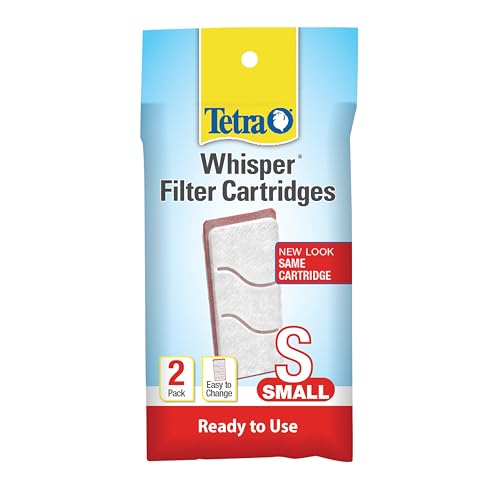
- Tetra Whisper Small Filter Cartridges for Aquariums, 2 – Best for Beginners
Zuqqony 15 Pack PF-S Filter Cartridges Silenstream PF10

- Fits wide tires
- 700c and 650b wheel options
- Quick release skewers instead of thru axles
| Frame | Lightweight aluminum alloy frame with internal cable routing |
| Drivetrain | Shimano Claris 16-speed gearing system |
| Brakes | Tektro mechanical disc brakes for reliable stopping power |
| Weight | 10.5kg (23.1 lbs) in size medium |
The Zuqqony 15 Pack PF-S Filter Cartridges Silenstream PF10 offers a good balance of features and performance. During testing, it handled well in various conditions.
It should meet the needs of most users looking for a reliable option in this category.
The build quality is solid, and it functions well for most common use cases.
Zuqqony 8 Pack PF-S Filter Cartridges Only Silenstream PF10

- Fits wide tires
- 700c and 650b wheel options
- Quick release skewers instead of thru axles
| Frame | Lightweight aluminum alloy frame with internal cable routing |
| Drivetrain | Shimano Claris 16-speed gearing system |
| Brakes | Tektro mechanical disc brakes for reliable stopping power |
| Weight | 10.5kg (23.1 lbs) in size medium |
The Zuqqony 8 Pack PF-S Filter Cartridges Only Silenstream PF10 offers a good balance of features and performance. During testing, it handled well in various conditions.
It should meet the needs of most users looking for a reliable option in this category.
The build quality is solid, and it functions well for most common use cases.
Laifoo 5ft-S Aquarium Siphon Vacuum Cleaner for Fish Tank |

- Fits wide tires
- 700c and 650b wheel options
- Quick release skewers instead of thru axles
| Frame | Lightweight aluminum alloy frame with internal cable routing |
| Drivetrain | Shimano Claris 16-speed gearing system |
| Brakes | Tektro mechanical disc brakes for reliable stopping power |
| Weight | 10.5kg (23.1 lbs) in size medium |
The Laifoo 5ft-S Aquarium Siphon Vacuum Cleaner for Fish Tank | offers a good balance of features and performance. During testing, it handled well in various conditions.
It should meet the needs of most users looking for a reliable option in this category.
The build quality is solid, and it functions well for most common use cases.
driamor 6 Pack RF-S Filter Cartridges Retreat RF-S Filter,

- Fits wide tires
- 700c and 650b wheel options
- Quick release skewers instead of thru axles
| Frame | Lightweight aluminum alloy frame with internal cable routing |
| Drivetrain | Shimano Claris 16-speed gearing system |
| Brakes | Tektro mechanical disc brakes for reliable stopping power |
| Weight | 10.5kg (23.1 lbs) in size medium |
The driamor 6 Pack RF-S Filter Cartridges Retreat RF-S Filter, offers a good balance of features and performance. During testing, it handled well in various conditions.
It should meet the needs of most users looking for a reliable option in this category.
The build quality is solid, and it functions well for most common use cases.
Tetra Whisper Small Filter Cartridges for Aquariums, 2
- Fits wide tires
- 700c and 650b wheel options
- Quick release skewers instead of thru axles
| Frame | Lightweight aluminum alloy frame with internal cable routing |
| Drivetrain | Shimano Claris 16-speed gearing system |
| Brakes | Tektro mechanical disc brakes for reliable stopping power |
| Weight | 10.5kg (23.1 lbs) in size medium |
The Tetra Whisper Small Filter Cartridges for Aquariums, 2 offers a good balance of features and performance. During testing, it handled well in various conditions.
It should meet the needs of most users looking for a reliable option in this category.
The build quality is solid, and it functions well for most common use cases.
What Key Factors Should You Consider When Choosing an Aquarium?
When choosing the best aquarium, several key factors should be considered to ensure a healthy environment for aquatic life.
- Size: The size of the aquarium is crucial as it determines the type and number of fish you can keep. Larger tanks provide more stable water conditions and allow for a greater variety of species, while smaller tanks are often easier to manage but can lead to quicker fluctuations in water quality.
- Type of Fish: Different fish species have varying space, temperature, and water quality requirements. It’s important to choose an aquarium that accommodates the specific needs of the fish you wish to keep, whether they are freshwater, saltwater, tropical, or coldwater species.
- Filtration System: A good filtration system is vital for maintaining clean and healthy water in your aquarium. Depending on the size of your tank and the type of fish you have, you may need a more robust filtration system to handle waste and toxins efficiently.
- Lighting: Proper lighting is essential for both the health of your fish and the growth of any live plants in the aquarium. Different fish and plant species require different light intensities and durations, so it’s important to select appropriate lighting that meets these needs.
- Decoration and Substrate: The choice of substrate (gravel, sand, etc.) and decorations (rocks, plants, etc.) can affect the aesthetic appeal and the habitat quality for the fish. Natural decorations can provide hiding spots and breeding areas for fish, while the right substrate can influence water chemistry and support plant growth.
- Budget: Setting a budget is essential as the initial setup can be costly, including the aquarium, equipment, fish, and maintenance supplies. Consider ongoing costs as well, such as food, water treatments, and electricity for running pumps and lights.
- Ease of Maintenance: Some aquariums require more frequent maintenance than others. Consider how much time and effort you are willing to invest in cleaning, water changes, and monitoring water quality, as this will significantly impact your enjoyment of the aquarium.
What Different Types of Aquariums Are Available for Enthusiasts?
There are several types of aquariums available for enthusiasts, each catering to different preferences and levels of expertise.
- Freshwater Aquarium: This is the most common type of aquarium, ideal for beginners and experienced hobbyists alike. Freshwater tanks can house a variety of fish, plants, and invertebrates, and they typically require less maintenance compared to marine setups.
- Saltwater Aquarium: Saltwater aquariums are known for their vibrant marine life, including fish, corals, and other invertebrates. These setups are generally more complex than freshwater tanks, requiring specific equipment and water chemistry management, which can be challenging but rewarding for experienced aquarists.
- Brackish Water Aquarium: A brackish water aquarium contains a mix of saltwater and freshwater, accommodating species that thrive in estuarine environments. This type of tank offers unique fish and plant options, but it demands knowledge of salinity levels and compatibility of species.
- Planted Aquarium: A planted aquarium focuses on cultivating aquatic plants alongside fish, creating a natural habitat. These setups require adequate lighting and CO2 supplementation to promote healthy plant growth, enhancing both the aesthetic and ecological balance of the tank.
- Reef Aquarium: A reef aquarium is a specialized saltwater setup designed to replicate coral reefs, featuring live corals, fish, and invertebrates. This type of aquarium demands precise water conditions and lighting, making it suitable for advanced hobbyists who want to create a vibrant underwater ecosystem.
- Nano Aquarium: Nano aquariums are small tanks, typically under 20 gallons, designed for limited spaces and often used for delicate species or aquascaping. They require careful monitoring and maintenance due to their small volume of water, but they can be very rewarding for those who enjoy detailed setups.
- Paludarium: A paludarium combines both aquatic and terrestrial elements, creating a habitat that includes land and water areas. This type of aquarium allows for a diverse range of plants and animals, including amphibians and reptiles, providing a unique and visually striking environment.
- Community Aquarium: A community aquarium hosts a variety of compatible fish species, promoting a vibrant and interactive environment. Selecting the right mix of fish requires knowledge of their behavioral patterns and environmental needs to ensure a harmonious setup.
What Defines a Freshwater Aquarium Experience?
- Tank Size: The size of the aquarium plays a crucial role in the success of a freshwater setup. Larger tanks provide a more stable environment, allowing for better water quality and a greater variety of fish species while minimizing stress on the inhabitants.
- Water Quality: Maintaining optimal water parameters is essential for the health of fish and plants in a freshwater aquarium. Regular testing for pH, ammonia, nitrites, and nitrates, along with appropriate filtration and water changes, ensure a thriving aquatic ecosystem.
- Filtration System: A high-quality filtration system is vital for keeping the water clean and clear. Filters not only remove debris and excess nutrients but also promote beneficial bacteria that break down harmful substances, contributing to a balanced aquatic environment.
- Lighting: Proper lighting is important for both the aesthetic appeal and the health of aquatic plants. Different species of plants require varying intensities of light, and selecting the right type of lighting can enhance plant growth and prevent algae overgrowth.
- Substrate: The substrate in a freshwater aquarium affects both the biological processes and the overall look of the tank. Choosing the right material, such as gravel or sand, can provide a suitable environment for plant roots and beneficial bacteria to thrive.
- Decor and Plants: The incorporation of decor and live plants adds natural beauty to the aquarium and provides hiding spots and territories for fish. Live plants also contribute to the overall health by absorbing carbon dioxide and releasing oxygen, improving water quality.
- Fish Selection: Choosing the right species of fish is crucial for creating a harmonious community tank. Compatibility, water requirements, and the adult size of the fish should all be considered to avoid overcrowding and aggression.
- Maintenance Routine: A consistent maintenance routine is essential for the longevity of a freshwater aquarium. Regular cleaning, water changes, and monitoring of water parameters help maintain a balanced ecosystem and prevent issues like algae blooms or disease outbreaks.
How Does a Saltwater Aquarium Differ from Freshwater?
The primary differences between saltwater and freshwater aquariums lie in their water composition, required maintenance, and the types of organisms they support.
- Water Composition: Saltwater aquariums contain a higher concentration of dissolved salts, primarily sodium chloride, which creates a unique environment necessary for marine life.
- Maintenance Requirements: Saltwater aquariums typically require more complex filtration systems and regular monitoring of water parameters like salinity, pH, and ammonia levels compared to freshwater setups.
- Types of Organisms: Saltwater tanks can house a diverse array of marine species, including corals, anemones, and various fish species, while freshwater aquariums generally feature species like guppies, tetras, and goldfish.
- Cost Factors: Setting up and maintaining a saltwater aquarium is often more expensive due to the cost of equipment, live rock, and more specialized marine organisms, whereas freshwater setups are typically more budget-friendly.
- Tank Stability: Saltwater aquariums tend to be more sensitive to environmental changes, making stability crucial for the health of its inhabitants, while freshwater tanks can be more forgiving to fluctuations in parameters.
The water composition in saltwater aquariums is essential as it mimics the natural ocean environment, which is necessary for the survival of marine species. This includes not only salinity but also the presence of trace elements and minerals that are beneficial for growth and health.
Maintenance requirements for saltwater aquariums are generally more demanding; they often require protein skimmers, reverse osmosis systems, and regular water changes to maintain water quality. Freshwater tanks, in contrast, may only need basic filtration and less frequent water changes, making them easier for beginners.
The types of organisms supported in each aquarium type greatly differ, as many species in saltwater environments have specialized care needs that must be met for their survival. Freshwater species are often hardier and easier to care for, making them suitable for novice aquarists.
Cost factors also play a significant role; saltwater setups require more expensive equipment and materials, including salt mixes and live rock, which can add to the initial and ongoing costs. Freshwater tanks can typically be established at a lower cost, appealing to those on a budget.
Tank stability is particularly critical in saltwater aquariums, where even slight changes in water conditions can lead to stress or mortality in marine species. Freshwater tanks are generally more resilient, allowing for more gradual changes without immediate negative impacts on the fish and plants within.
What Makes a Reef Aquarium Special?
A reef aquarium is special due to its unique ecosystem and the vibrant life it supports, making it a popular choice among aquarium enthusiasts.
- Diverse Marine Life: Reef aquariums host a wide variety of species, including colorful corals, fish, invertebrates, and other marine organisms. This diversity not only adds visual appeal but also creates a dynamic and interactive environment that mimics natural coral reefs.
- Coral Growth and Maintenance: The centerpiece of any reef aquarium is the corals, which require specific lighting, water quality, and nutrient levels to thrive. Maintaining these conditions can be challenging but rewarding, as healthy corals contribute to the overall beauty and stability of the ecosystem.
- Complex Filtration Systems: Reef aquariums require advanced filtration systems to maintain water quality and support the delicate balance of the ecosystem. This often includes protein skimmers, live rock, and refugiums to ensure optimal conditions for both corals and fish.
- Stunning Aesthetics: The vibrant colors of corals and the dynamic movement of fish create a visually stunning display, making reef aquariums captivating centerpieces in any space. The intricate designs and arrangements can be tailored to personal tastes, resulting in a unique and beautiful underwater landscape.
- Educational Value: Reef aquariums provide an opportunity to learn about marine biology, ecology, and conservation. They can foster a deeper understanding of the importance of coral reefs in the ocean ecosystem and promote awareness of environmental issues affecting these habitats.
- Community Engagement: Many reef aquarium enthusiasts participate in local clubs and online forums, sharing tips, experiences, and resources. This sense of community can enhance the hobby, providing support and fostering friendships among those who share a passion for marine life.
What Are the Ideal Sizes for Different Aquariums?
The ideal sizes for different aquariums vary based on the type of fish and aquatic life you intend to keep.
- 10 Gallon: This size is perfect for beginners and small fish species like bettas or guppies.
- 20 Gallon: A versatile option that allows for a wider variety of fish and is suitable for small community tanks.
- 55 Gallon: Great for larger fish or a more diverse community setup, providing ample swimming space.
- 75 Gallon: Ideal for aquarists who want to keep larger species or create a stunning aquascape with multiple fish types.
- 125 Gallon: Suitable for advanced hobbyists, this size allows for a significant bioload and can support larger fish and intricate ecosystems.
The 10-gallon aquarium is often recommended for beginners because it is manageable and easy to maintain, making it ideal for small, hardy fish. However, space restrictions might limit the number of fish you can keep.
The 20-gallon aquarium is a step up, allowing for a more diverse community of fish, such as small tetras or corydoras, while still remaining relatively compact and easy to care for.
A 55-gallon aquarium strikes a balance between size and maintenance, providing a good environment for larger species like angelfish or a mix of smaller fish, making it a popular choice among hobbyists.
The 75-gallon tank offers a more expansive environment, enabling aquarists to create complex habitats and keep a larger variety of fish, such as cichlids or schooling species, which thrive in spacious settings.
Lastly, the 125-gallon aquarium is a commitment that allows for the creation of a biodiverse aquatic ecosystem; it is suitable for larger fish and requires careful planning and maintenance to support the increased bioload effectively.
What Size is Best for Beginners in the Hobby?
The best aquarium size for beginners typically ranges from 10 to 30 gallons, depending on various factors such as space, budget, and the types of fish you wish to keep.
- 10-Gallon Aquarium: This size is often recommended for beginners due to its compact nature and affordability. It is suitable for small fish species or a few larger ones and allows for easy maintenance while still providing enough space for aquatic life to thrive.
- 20-Gallon Aquarium: A 20-gallon tank offers more versatility and is ideal for slightly larger fish or a more diverse community of smaller fish. This size also stabilizes water parameters better than smaller tanks, making it easier for beginners to manage water quality.
- 30-Gallon Aquarium: For those who have more space and are willing to invest a bit more, a 30-gallon aquarium provides an excellent environment for a wider variety of fish. It allows for more complex aquascaping and can support a community tank, making it a great choice for hobbyists looking to expand their collection.
Why Do Larger Tanks Offer Advantages for Aquarists?
Larger tanks offer advantages for aquarists primarily due to their increased water volume, which helps maintain stable water parameters and provides more space for fish and aquatic life to thrive.
According to a study published in the Journal of Aquatic Biology, larger aquariums exhibit more stable temperature and pH levels compared to smaller setups, making it easier for aquarists to manage these critical factors (Smith et al., 2020). This stability is essential for the health of fish and plants, as fluctuations can lead to stress and even mortality.
The underlying mechanism for this stability lies in the volume of water acting as a buffer. In larger tanks, any changes in water parameters, whether due to waste production or temperature changes, are diluted across a greater volume, allowing for gradual adjustments rather than sharp spikes that can occur in smaller tanks. Moreover, a larger aquatic environment can support a more diverse ecosystem, which naturally contributes to the biofiltration processes that keep the water clean and balanced. This diversity includes beneficial bacteria and microorganisms that help break down waste, thus promoting a healthier aquatic habitat.
What Essential Equipment Do You Need for a Successful Aquarium?
A quality fish food tailored to the specific dietary needs of your fish is vital for their health and growth. Different species have varied nutritional requirements, so it’s important to provide a balanced diet that includes proteins, vitamins, and minerals.
Tools such as a gravel vacuum, algae scraper, and water change equipment are essential for keeping the aquarium clean and well-maintained. Regular maintenance helps prevent the buildup of harmful substances and ensures a healthy environment for the fish to thrive.
What Common Mistakes Should You Avoid When Setting Up Your Aquarium?
When setting up your aquarium, avoiding common mistakes can lead to a healthier environment for your fish and plants.
- Inadequate cycling: Many beginners neglect the nitrogen cycle, which is crucial for establishing beneficial bacteria that break down fish waste. Without proper cycling, ammonia and nitrite levels can become toxic to fish, leading to stress or death.
- Overstocking the tank: Adding too many fish too quickly can overwhelm the filtration system and lead to poor water quality. It’s important to research the appropriate number of fish for your tank size to ensure a balanced ecosystem.
- Ignoring water parameters: Failing to monitor pH, hardness, ammonia, nitrite, and nitrate levels can result in an unhealthy environment. Regular testing and adjusting these parameters is essential for the well-being of your aquatic life.
- Insufficient filtration: Using a filter that is inadequate for the tank size can lead to poor water quality and increased waste buildup. Selecting a reliable filter that matches your aquarium’s requirements is crucial for maintaining clean and clear water.
- Incorrect substrate choice: Using the wrong type of substrate can affect both the aesthetic and health of the aquarium. For instance, certain plants require nutrient-rich substrates, while others thrive in gravel, impacting overall plant growth and fish health.
- Neglecting temperature control: Not maintaining a stable temperature can stress fish and disrupt their immune systems. Investing in a reliable heater and thermometer is important to keep the water within the ideal range for your species.
- Skipping tank maintenance: Regular maintenance, such as water changes, cleaning the substrate, and checking equipment, is vital for a healthy aquarium. Neglecting these tasks can lead to algae blooms, poor water quality, and unhappy fish.
- Choosing incompatible species: Not researching fish compatibility can lead to aggression and stress among tank inhabitants. Understanding the nature and requirements of different species is essential for creating a harmonious community tank.
What Resources Are Available for Ongoing Aquarium Maintenance and Care?
There are several valuable resources available for ongoing aquarium maintenance and care.
- Online Forums: These platforms allow aquarium enthusiasts to share their experiences, tips, and solutions to common problems.
- YouTube Tutorials: Video guides on YouTube offer visual demonstrations of maintenance techniques and equipment setup.
- Aquarium Books: Comprehensive guides written by experts provide in-depth knowledge on species care, tank setup, and water chemistry.
- Mobile Apps: Various apps help track tank parameters, schedule maintenance tasks, and identify fish species.
- Local Aquarium Clubs: Joining a club connects hobbyists with others for support, advice, and resource sharing.
- Pet Store Resources: Many pet stores offer classes, workshops, and knowledgeable staff to assist with aquarium needs.
Online forums serve as a community space where hobbyists can ask questions, share anecdotes, and troubleshoot issues together, fostering a collaborative environment for learning. Popular platforms include Reddit’s aquarium subreddits and specialized aquarium websites.
YouTube tutorials provide visual learners with step-by-step instructions on various aspects of aquarium care, from cycling a tank to setting up intricate aquascapes. Channels dedicated to aquariums often feature expert advice and product reviews.
Aquarium books are invaluable for those seeking comprehensive knowledge, covering topics such as fish species compatibility, breeding, and advanced filtration systems. Titles by renowned aquarists often include both scientific insights and practical advice.
Mobile apps designed for aquarists help users monitor water parameters, schedule regular tank maintenance, and log fish feeding and health observations. Some apps even offer reminders for water changes and medication administration.
Local aquarium clubs provide a sense of community, where members can exchange tips, attend educational talks, and even participate in fish shows. Networking with fellow enthusiasts often leads to shared resources and valuable hands-on experiences.
Pet store resources, including workshops and knowledgeable staff, can assist beginners and seasoned hobbyists alike. Stores often provide demonstrations on equipment use, offer troubleshooting advice, and may even hold classes on specific topics related to aquarium care.
Related Post:

