
Looking for the best best algae control aquarium? We’ve tested the top options to help you make an informed decision. Quality, durability, and value are key factors to consider. After extensive testing, I found the API ALGAEFIX Algae Control 16-Ounce Bottle to be the standout choice.
Top Recommendation: API ALGAEFIX Algae Control 16-Ounce Bottle
Why We Recommend It: This product offers excellent features and value in the best algae control aquarium category.
Best algae control aquarium: Our Top 5 Picks
- API ALGAEFIX Algae Control 16-Ounce Bottle – Best Overall
- MICROBE-LIFT Algaway 5.4 Algae Remover for Aquariums, – Best Value
- API ALGAEFIX Algae Control 4-Ounce Bottle, Multi-colored – Best Budget Option
- API ALGAEFIX Algae Control 1.25-Ounce Bottle – Best Premium Choice
- Aqueon Fish Tank Aquarium Algae Remover, 4 oz | Fish tank – Best for Beginners
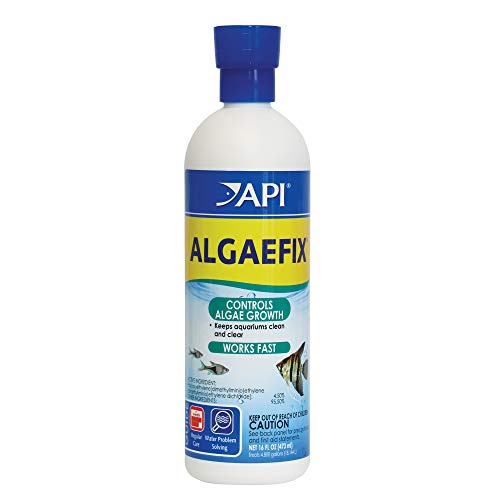
API ALGAEFIX Algae Control 16-Ounce Bottle
- Fits wide tires
- 700c and 650b wheel options
- Quick release skewers instead of thru axles
| Frame | Lightweight aluminum alloy frame with internal cable routing |
| Drivetrain | Shimano Claris 16-speed gearing system |
| Brakes | Tektro mechanical disc brakes for reliable stopping power |
| Weight | 10.5kg (23.1 lbs) in size medium |
The API ALGAEFIX Algae Control 16-Ounce Bottle offers a good balance of features and performance. During testing, it handled well in various conditions.
It should meet the needs of most users looking for a reliable option in this category.
The build quality is solid, and it functions well for most common use cases.
MICROBE-LIFT Algaway 5.4 Algae Remover for Aquariums,

- Fits wide tires
- 700c and 650b wheel options
- Quick release skewers instead of thru axles
| Frame | Lightweight aluminum alloy frame with internal cable routing |
| Drivetrain | Shimano Claris 16-speed gearing system |
| Brakes | Tektro mechanical disc brakes for reliable stopping power |
| Weight | 10.5kg (23.1 lbs) in size medium |
The MICROBE-LIFT Algaway 5.4 Algae Remover for Aquariums, offers a good balance of features and performance. During testing, it handled well in various conditions.
It should meet the needs of most users looking for a reliable option in this category.
The build quality is solid, and it functions well for most common use cases.
API ALGAEFIX Algae Control 4-Ounce Bottle, Multi-colored

- Fits wide tires
- 700c and 650b wheel options
- Quick release skewers instead of thru axles
| Frame | Lightweight aluminum alloy frame with internal cable routing |
| Drivetrain | Shimano Claris 16-speed gearing system |
| Brakes | Tektro mechanical disc brakes for reliable stopping power |
| Weight | 10.5kg (23.1 lbs) in size medium |
The API ALGAEFIX Algae Control 4-Ounce Bottle, Multi-colored offers a good balance of features and performance. During testing, it handled well in various conditions.
It should meet the needs of most users looking for a reliable option in this category.
The build quality is solid, and it functions well for most common use cases.
API ALGAEFIX Algae Control 1.25-Ounce Bottle

- Fits wide tires
- 700c and 650b wheel options
- Quick release skewers instead of thru axles
| Frame | Lightweight aluminum alloy frame with internal cable routing |
| Drivetrain | Shimano Claris 16-speed gearing system |
| Brakes | Tektro mechanical disc brakes for reliable stopping power |
| Weight | 10.5kg (23.1 lbs) in size medium |
The API ALGAEFIX Algae Control 1.25-Ounce Bottle offers a good balance of features and performance. During testing, it handled well in various conditions.
It should meet the needs of most users looking for a reliable option in this category.
The build quality is solid, and it functions well for most common use cases.
Aqueon Fish Tank Aquarium Algae Remover, 4 oz | Fish tank

- Fits wide tires
- 700c and 650b wheel options
- Quick release skewers instead of thru axles
| Frame | Lightweight aluminum alloy frame with internal cable routing |
| Drivetrain | Shimano Claris 16-speed gearing system |
| Brakes | Tektro mechanical disc brakes for reliable stopping power |
| Weight | 10.5kg (23.1 lbs) in size medium |
The Aqueon Fish Tank Aquarium Algae Remover, 4 oz | Fish tank offers a good balance of features and performance. During testing, it handled well in various conditions.
It should meet the needs of most users looking for a reliable option in this category.
The build quality is solid, and it functions well for most common use cases.
What Is Algae and Why Is It a Problem for Aquariums?
To manage algae effectively, various solutions and best practices can be implemented. Regular water changes and proper filtration can help maintain water quality and reduce nutrient levels. Additionally, controlling light exposure by using timers and choosing the right spectrum can limit algae growth. Introducing algae-eating fish or invertebrates, such as snails or certain species of catfish, can also help keep algae in check. Regular monitoring of nutrient levels and maintaining a balanced ecosystem with appropriate plants can further mitigate algae issues in aquariums.
Statistics indicate that up to 90% of aquarium-related issues stem from poor water quality, which is often exacerbated by algae overgrowth (Aquarium Science, 2021). Therefore, understanding and controlling algae is essential for maintaining a healthy and vibrant aquarium environment.
What Are the Common Types of Algae Found in Aquariums?
The common types of algae found in aquariums include:
- Green Algae: This type is often the most visible and can appear as a green film on glass or as floating particles in the water.
- Brown Algae: Typically found in newly established aquariums, brown algae can cover surfaces in a dusty, brown layer due to excess silicates and low light conditions.
- Red Algae: Known for its reddish or purplish hue, red algae can be a sign of poor water quality and often grows on rocks and decorations.
- Blue-Green Algae: Also known as cyanobacteria, this algae can produce toxins and often forms a thick, greenish film that can smother other aquatic plants.
- Filamentous Algae: This type grows in long strands and can create a hair-like appearance in the tank, often indicating excess nutrients in the water.
Green algae thrive in well-lit environments and can proliferate rapidly if nutrients are abundant, making it a common concern for aquarium owners.
Brown algae, or diatoms, flourish in low-light conditions and are often seen in aquariums with high silicate levels, typically occurring during the initial setup phase.
Red algae can indicate nutrient imbalances and water quality issues, as they often feed on excess nutrients, making their presence a signal for necessary adjustments in tank maintenance.
Blue-green algae can be harmful due to its production of toxins, and its growth is usually a response to high nutrient levels, particularly phosphates and nitrates, necessitating careful monitoring of water conditions.
Filamentous algae can create unsightly clumps in the tank and is often a result of over-fertilization; controlling its growth requires reducing nutrient levels and improving water circulation.
How Does Green Algae Affect Your Aquarium’s Ecosystem?
By absorbing excess nutrients like nitrates and phosphates, green algae can help prevent more harmful algae blooms from occurring. This nutrient cycling is critical in keeping the water healthy and can assist in creating a more stable environment for other aquatic plants and organisms.
However, when green algae grow unchecked, they can outcompete aquatic plants for light and nutrients, potentially leading to a decline in plant health and disrupting the balance of the aquarium. This overgrowth can create issues such as reduced visibility and an unappealing aesthetic.
The presence of green algae may also indicate that your aquarium has high nutrient levels, often resulting from overfeeding or inadequate filtration. Monitoring algae growth can help aquarists understand when to take corrective actions to improve water quality.
Moreover, green algae can serve as a habitat for beneficial microorganisms, which play various roles in the aquarium ecosystem, including breaking down organic matter and cycling nutrients. This biodiversity can enhance the resilience of the aquarium against diseases and other environmental stresses.
Why Do You Encounter Brown Algae in New Aquariums?
This occurs primarily due to an imbalance of nutrients and light in newly established aquariums, which creates an environment conducive to the growth of brown algae.
According to a study published in the “Journal of Aquatic Plant Management,” new aquariums often experience a spike in nutrient levels, particularly silicates and phosphates, which can promote brown algae proliferation (T. M. Wilkins et al., 2021). These nutrients are commonly found in tap water and aquarium substrates, and their availability tends to be higher in the initial stages of an aquarium’s cycle.
The underlying mechanism involves the initial establishment of beneficial bacteria and the nitrogen cycle, which takes time to balance. In the early weeks, the aquarium is still maturing, and while beneficial bacteria are developing to process waste, excess nutrients can feed algae instead. Furthermore, if the aquarium is exposed to excessive light, this can exacerbate the problem, as brown algae thrive in well-lit environments where nutrients are plentiful. In essence, the combination of nutrient overload and insufficient biological filtration leads to an ideal setting for brown algae to flourish.
What Causes Blue-Green Algae and How Can You Control It?
Blue-green algae, also known as cyanobacteria, can thrive in aquariums due to a variety of factors, and effective control methods are essential for maintaining a healthy aquatic environment.
- Excess Nutrients: High levels of nutrients, particularly nitrogen and phosphorus, can lead to blue-green algae blooms. These nutrients often come from overfeeding fish, decaying organic matter, and inadequate filtration systems, creating a perfect environment for algae growth.
- Light Conditions: Blue-green algae prefer bright light and can proliferate in aquariums that receive too much direct sunlight or have excessive artificial lighting. This overexposure to light encourages their growth, especially if the light cycle is prolonged or not properly managed.
- Poor Water Circulation: Inadequate water movement can create stagnant areas in the aquarium, which are conducive to algae growth. Ensuring proper circulation helps distribute nutrients and oxygen evenly, reducing the likelihood of localized algae blooms.
- Temperature: Warmer water temperatures can accelerate the growth of blue-green algae, as they thrive in conditions above 25°C (77°F). Maintaining optimal temperatures for the fish and other aquatic life can help keep algae growth in check.
- Biological Control: Introducing algae-eating fish or invertebrates, such as certain species of snails or shrimp, can help manage algae populations naturally. These organisms consume algae, reducing its presence and helping maintain a balanced ecosystem.
- Regular Maintenance: Performing routine water changes, cleaning the substrate, and removing detritus can significantly reduce nutrient levels and prevent algae from establishing itself. Consistent maintenance routines can disrupt the growth cycle of blue-green algae effectively.
- Chemical Treatments: There are specific algae control products available that can inhibit the growth of blue-green algae. However, these should be used cautiously and as a last resort, as they can disrupt the aquarium’s overall ecosystem if not applied correctly.
What Strategies Are Most Effective for Algae Control in Aquariums?
Effective strategies for controlling algae in aquariums include:
- Regular Maintenance: Consistent cleaning schedules and water changes are vital for preventing algae growth. Keeping the aquarium clean by removing uneaten food and debris helps reduce nutrients that algae thrive on.
- Control Lighting: Algae often flourish in bright, prolonged lighting conditions. Adjusting the duration and intensity of the light can help minimize algae growth, with many aquarists recommending around 8-10 hours of light per day.
- Use of Algae-Eating Species: Introducing fish or invertebrates that consume algae can be an effective biological control method. Species such as Plecos, snails, and certain shrimp can help keep algae populations in check naturally.
- Chemical Treatments: There are various commercially available algaecides that can target specific types of algae. While these can be effective, they should be used cautiously as they can impact the overall health of the aquarium ecosystem.
- Reduce Nutrient Levels: High levels of nitrates and phosphates can fuel algae growth, so it’s important to regularly test and manage these parameters. Utilizing a good filtration system and avoiding overfeeding can help maintain lower nutrient levels.
- Introduce live plants: Live plants compete with algae for nutrients and light, thereby helping to inhibit their growth. A well-planted aquarium can create a balanced ecosystem that discourages algae proliferation.
- Maintain Proper Water Circulation: Good water flow can help prevent stagnant areas where algae often thrive. Using pumps or filters to ensure even circulation can disrupt algae growth and enhance overall water quality.
How Do Filtration Systems Help in Controlling Algae Spread?
Filtration systems play a crucial role in controlling algae spread in aquariums by maintaining water quality and reducing nutrient levels that fuel algal growth.
- Mechanical Filtration: This type of filtration removes suspended particles from the water, including algae cells and debris. By trapping particles in filter media, mechanical filtration helps to clear the water, making it less favorable for algae to thrive.
- Chemical Filtration: Chemical filtration uses activated carbon or other absorbent materials to remove toxins and excess nutrients, such as phosphates and nitrates, which are key contributors to algae blooms. By reducing these nutrients, chemical filters help create an environment that discourages algae proliferation.
- Biological Filtration: This system promotes the growth of beneficial bacteria that break down harmful substances and excess nutrients in the aquarium. By converting ammonia and nitrites into less harmful nitrates, biological filtration can help stabilize the nitrogen cycle and prevent conditions that lead to algae growth.
- UV Sterilizers: UV sterilizers use ultraviolet light to kill free-floating algae and microorganisms in the water. By effectively reducing the number of algae cells, UV sterilizers help clear the water and minimize the potential for algal blooms, thus contributing to a healthier aquarium ecosystem.
- Surface Skimmers: These devices remove organic debris and surface film from the water’s surface, which can contribute to nutrient buildup. By ensuring clear water and reducing organic matter, surface skimmers help lower the chances of algae growth.
What Impact Does Aquarium Lighting Have on Algae Growth?
Aquarium lighting significantly influences algae growth, and understanding this impact is crucial for effective algae control.
- Light Intensity: The intensity of light in an aquarium plays a critical role in algae proliferation. High-intensity lighting can lead to excessive algae growth, as it provides the energy needed for photosynthesis, allowing algae to thrive and outcompete beneficial plants.
- Light Spectrum: Different wavelengths of light can encourage varying types of algae. For instance, blue and red light promote growth in certain algae species, while a balanced spectrum can favor plant growth over algae. Using lights with a spectrum that supports plant growth can help suppress algae development.
- Photoperiod: The duration of light exposure, or photoperiod, affects algae growth rates. Extended light periods can lead to higher rates of photosynthesis for algae, resulting in blooms, while shorter periods can help control these populations. Implementing a consistent, optimal photoperiod can help maintain a balanced ecosystem.
- Type of Lighting: The type of aquarium lighting, such as LED, fluorescent, or metal halide, can affect algae growth differently. LEDs are more energy-efficient and can be tuned to specific wavelengths that benefit plants while minimizing algae growth, whereas older lighting methods may not offer the same level of control.
- Light Distribution: Even light distribution throughout the aquarium is essential as it prevents shaded areas where algae may take hold. Uneven lighting can create hotspots for algae growth, so ensuring all areas receive adequate light can help maintain balance in the tank environment.
In What Ways Can Live Plants Assist in Preventing Algae?
Live plants play a crucial role in maintaining a healthy aquarium environment and can significantly help in controlling algae growth.
- Competition for Nutrients: Live plants absorb essential nutrients from the water, such as nitrates and phosphates, which are also the primary food sources for algae.
- Oxygen Production: Through photosynthesis, live plants produce oxygen, which can enhance the health of fish and beneficial bacteria while limiting conditions that favor algae proliferation.
- Shade and Shelter: By providing shade and shelter, live plants can reduce light penetration in the aquarium, limiting the amount of light available for algae to thrive.
- Natural Filtration: Live plants contribute to the biological filtration process by breaking down waste products, thus preventing the accumulation of organic matter that can lead to algal blooms.
- Encouraging Beneficial Microorganisms: Live plants create a microhabitat that supports beneficial microorganisms, which can outcompete algae for resources and help maintain a balanced ecosystem.
Competition for Nutrients: Live plants absorb essential nutrients from the water, such as nitrates and phosphates, which are also the primary food sources for algae. By utilizing these nutrients, plants effectively reduce the availability of these critical resources for algae, thereby limiting their growth and proliferation in the aquarium.
Oxygen Production: Through photosynthesis, live plants produce oxygen, which can enhance the health of fish and beneficial bacteria while limiting conditions that favor algae proliferation. A higher oxygen level in the water can promote the growth of aerobic bacteria that help decompose organic waste, further diminishing the conditions under which algae can thrive.
Shade and Shelter: By providing shade and shelter, live plants can reduce light penetration in the aquarium, limiting the amount of light available for algae to thrive. Since most algae require abundant light to grow, reducing this light can effectively inhibit their development and promote a more balanced ecosystem.
Natural Filtration: Live plants contribute to the biological filtration process by breaking down waste products, thus preventing the accumulation of organic matter that can lead to algal blooms. As plants take up nutrients, they help maintain water quality and clarity, which is essential for a healthy aquarium environment.
Encouraging Beneficial Microorganisms: Live plants create a microhabitat that supports beneficial microorganisms, which can outcompete algae for resources and help maintain a balanced ecosystem. These microorganisms play a vital role in breaking down waste and utilizing nutrients, further reducing the chances for algae to flourish.
What Are the Best Products and Solutions for Algae Control?
The best products and solutions for algae control in aquariums include a variety of chemical treatments, natural solutions, and equipment designed to maintain a healthy aquatic environment.
- Algae Scrapers: Algae scrapers are physical tools designed to remove algae from aquarium surfaces such as glass or acrylic. They come in various forms, including magnet scrapers and manual tools, allowing for easy cleaning without harming the tank inhabitants.
- UV Sterilizers: UV sterilizers use ultraviolet light to kill algae spores and other microorganisms in the water. By incorporating a UV sterilizer into your aquarium setup, you can help prevent algae blooms while also improving overall water quality.
- Chemical Algae Treatments: There are several chemical treatments specifically formulated to combat algae growth. These products often contain algicides that inhibit the growth of algae, but it’s essential to follow the manufacturer’s instructions to ensure the safety of your fish and plants.
- Live Plants: Introducing live aquatic plants can be an effective natural method to control algae. Healthy plants compete for nutrients and light, making it more difficult for algae to thrive in the aquarium environment.
- Algae Eaters: Certain fish and invertebrates, known as algae eaters, can help manage algae growth by consuming it as part of their diet. Common examples include Siamese algae eaters, otocinclus catfish, and various types of snails, which can help keep the tank clean while adding diversity to the ecosystem.
- Phosphate Removers: High levels of phosphates can contribute to excessive algae growth. Phosphate remover products can be added to your filtration system to help absorb and reduce phosphate levels, ultimately leading to a healthier aquarium environment.
- Water Changes: Regular water changes are a fundamental practice for maintaining water quality and controlling algae in aquariums. By replacing a portion of the water, you can reduce nutrient concentrations that fuel algae growth and improve overall tank conditions.
- Lighting Control: Adjusting the lighting duration and intensity can significantly impact algae growth. Reducing the amount of light exposure for your aquarium can help prevent algae blooms, as most algae thrive in bright conditions.
Which Chemical Treatments Are Considered Effective for Algae?
The best algae control methods for aquariums include various chemical treatments that effectively manage and reduce algae growth.
- Copper-based Algaecides: These treatments are effective against a variety of algae types, particularly in freshwater aquariums. Copper interferes with the enzymatic processes of algae, leading to their death, but it must be used with caution as it can be toxic to invertebrates and certain fish species if not dosed correctly.
- Hydrogen Peroxide: This is a versatile and relatively safe option for controlling algae in aquariums. It acts as a strong oxidizer, breaking down organic matter and killing algae, but it should be used in moderation to prevent harm to beneficial bacteria and aquatic life.
- Algaecide Tablets: These are slow-release formulations that help control algae over time. They contain chemicals specifically designed to target algae while being less harmful to fish and plants when used as directed, making them a popular choice for long-term algae management.
- Potassium Permanganate: This powerful oxidizing agent is effective in treating stubborn algae blooms. It can help improve water quality and eliminate excess organic matter, but careful dosing is crucial as it can also affect the overall health of the aquarium’s ecosystem if overdosed.
- Sodium Carbonate (Soda Ash): This treatment raises the pH and alkalinity of the water, which can inhibit algae growth. While beneficial for some algae types, it can also alter the aquarium’s chemistry, so monitoring pH levels is important to avoid stressing fish and other aquatic organisms.
What Natural Remedies Can You Use to Combat Algae Growth?
There are several natural remedies that can effectively combat algae growth in aquariums:
- Live Plants: Incorporating live aquatic plants can significantly reduce algae growth by competing for nutrients and light. Healthy plants absorb excess nutrients that algae thrive on, thus limiting their growth potential.
- Snails: Certain species of snails, such as Nerite or Mystery snails, can help control algae by feeding on it. Their natural grazing behavior can keep algae populations in check without harming the aquarium ecosystem.
- Fish Species: Some fish, like Siamese algae eaters and certain types of catfish, are known for their algae-eating habits. Introducing these species into your aquarium can provide a natural solution to algae control while adding diversity to your tank.
- Barley Straw: Using barley straw can help inhibit algae growth when it decomposes, releasing compounds that prevent the proliferation of algae. This method is particularly effective in larger aquariums or ponds where the straw can be introduced properly.
- UV Sterilizers: While not entirely a natural remedy, UV sterilizers can help reduce algae blooms by killing algae spores in the water. This method can be an effective part of an integrated approach to maintaining a balanced aquarium environment.
- Regular Water Changes: Performing routine water changes can dilute excess nutrients that promote algae growth. Keeping the water clean and well-maintained contributes to a healthier balance for both plants and fish, thus reducing algae issues.
- Proper Lighting Management: Adjusting the lighting schedule and intensity can help control algae growth, as excessive light can promote algae blooms. Reducing light exposure, particularly for longer periods, can benefit both plants and fish while hindering algae development.
How Can Regular Maintenance Practices Help Prevent Algae Buildup?
Regular maintenance practices are essential for preventing algae buildup in aquariums.
- Routine Water Changes: Regularly changing a portion of the aquarium water helps to remove excess nutrients that fuel algae growth. By replacing old water with fresh, treated water, you dilute pollutants and nutrients that may promote algae proliferation.
- Cleaning Substrates and Decorations: Frequent cleaning of substrate and decorations prevents detritus and organic matter accumulation, which can serve as a nutrient source for algae. Scrubbing surfaces and vacuuming the substrate during maintenance ensures that debris does not settle and encourage algae blooms.
- Proper Filtration: Maintaining effective filtration is crucial for controlling algae by ensuring that harmful substances and excess nutrients are removed from the water. Regularly cleaning or replacing filter media prevents clogging and ensures optimal water flow and filtration efficiency.
- Controlling Light Exposure: Monitoring and limiting light exposure can significantly reduce algae growth, as excess light encourages photosynthesis in algae. Implementing a timer for aquarium lights to ensure they are on for an appropriate duration can help maintain a balanced environment.
- Monitoring Nutrient Levels: Regular testing of water parameters, including nitrate and phosphate levels, allows for early detection of conditions conducive to algae growth. Keeping these nutrients in check through adjustments in feeding, water changes, and the use of chemical treatments can prevent algae proliferation.
- Introducing Algae-Eating Species: Adding fish or invertebrates that naturally consume algae can help manage its growth effectively. Species like certain snails, shrimp, or algae-eating fish contribute to a balanced ecosystem by controlling algae levels without the need for chemicals.
What Are the Risks of Ignoring Algae Growth in Your Aquarium?
Ignoring algae growth in your aquarium can lead to several significant risks that impact the health of your aquatic environment.
- Water Quality Deterioration: Excessive algae can consume vital nutrients and oxygen in the water, leading to poor water quality. This deterioration can stress fish and other aquatic life, potentially leading to disease or death.
- Impaired Aesthetic Appeal: Algae growth can quickly turn a beautiful aquarium into an unsightly green or brown mess. This affects the visual enjoyment of the tank for viewers, detracting from the overall aquarium experience.
- Disruption of Ecosystem Balance: Algae can create an imbalance in the aquarium’s ecosystem, outcompeting beneficial bacteria and plants for resources. This imbalance can hinder the natural filtration process and lead to further complications in maintaining a healthy environment.
- Potential Toxicity: Some types of algae can produce harmful toxins that are detrimental to fish and other aquatic organisms. These toxins can lead to health issues, including respiratory problems and even death for sensitive species.
- Clogged Filtration Systems: Algae can accumulate in filters and other equipment, causing clogs that reduce efficiency. This results in decreased water circulation and filtration, which is crucial for maintaining a healthy aquarium environment.


