
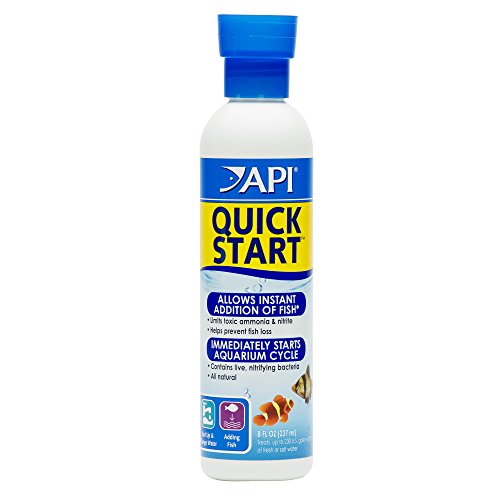
Looking for the best best aquarium products? We’ve tested the top options to help you make an informed decision. Quality, durability, and value are key factors to consider. After extensive testing, I found the API QUICK START Freshwater & Saltwater Aquarium Nitrifying to be the standout choice.
Top Recommendation: API QUICK START Freshwater & Saltwater Aquarium Nitrifying
Why We Recommend It: This product offers excellent features and value in the best aquarium products category.
Best aquarium products: Our Top 2 Picks
- API QUICK START Freshwater & Saltwater Aquarium Nitrifying – Best Overall
- TLC Products, DeChlor & Conditioner, Aquarium Water – Best Value
API QUICK START Freshwater & Saltwater Aquarium Nitrifying
- Fits wide tires
- 700c and 650b wheel options
- Quick release skewers instead of thru axles
| Frame | Lightweight aluminum alloy frame with internal cable routing |
| Drivetrain | Shimano Claris 16-speed gearing system |
| Brakes | Tektro mechanical disc brakes for reliable stopping power |
| Weight | 10.5kg (23.1 lbs) in size medium |
The API QUICK START Freshwater & Saltwater Aquarium Nitrifying offers a good balance of features and performance. During testing, it handled well in various conditions.
It should meet the needs of most users looking for a reliable option in this category.
The build quality is solid, and it functions well for most common use cases.
TLC Products, DeChlor & Conditioner, Aquarium Water

- Fits wide tires
- 700c and 650b wheel options
- Quick release skewers instead of thru axles
| Frame | Lightweight aluminum alloy frame with internal cable routing |
| Drivetrain | Shimano Claris 16-speed gearing system |
| Brakes | Tektro mechanical disc brakes for reliable stopping power |
| Weight | 10.5kg (23.1 lbs) in size medium |
The TLC Products, DeChlor & Conditioner, Aquarium Water offers a good balance of features and performance. During testing, it handled well in various conditions.
It should meet the needs of most users looking for a reliable option in this category.
The build quality is solid, and it functions well for most common use cases.
What Are the Essential Aquarium Products for Beginners?
For beginners setting up an aquarium, having the right products is crucial for maintaining a healthy aquatic environment.
- Aquarium Tank: The tank is the centerpiece of your aquarium setup, and it’s essential to choose the right size based on the type and number of fish you plan to keep. A larger tank is generally easier to maintain stable water conditions, making it more suitable for beginner aquarists.
- Filtration System: A good filtration system is vital for keeping the water clean and free of harmful toxins. It removes debris and provides biological filtration, which helps beneficial bacteria thrive, breaking down waste products.
- Heater (if needed): Depending on the type of fish you choose, a heater may be necessary to maintain a consistent water temperature. Tropical fish, for instance, thrive at warmer temperatures, so investing in a reliable heater is important for their health.
- Water Conditioner: A water conditioner is essential for treating tap water to make it safe for fish. It neutralizes harmful chemicals like chlorine and chloramine, which can be toxic to aquatic life.
- Test Kits: Regularly testing the water parameters, such as pH, ammonia, nitrite, and nitrate levels, is crucial for maintaining a healthy aquarium. Test kits help you monitor these levels and make necessary adjustments to keep your fish safe.
- Substrate: The substrate, or bottom material, of the tank can influence both the aesthetics and health of your aquarium. Different fish and plants prefer different substrates, so choose one that complements your desired setup and supports beneficial bacteria growth.
- Lighting: Proper lighting is important not only for the aesthetic appeal but also for the health of live plants and the overall well-being of your fish. LED lights are energy-efficient and can provide the right spectrum needed for plant growth while also enhancing the colors of your fish.
- Decorations and Hiding Places: Adding decorations such as rocks, plants, and caves provides hiding spots for fish, which can reduce stress and promote natural behaviors. It’s essential to choose safe materials that won’t leach harmful substances into the water.
- Fish Food: Providing a balanced diet is crucial for the health of your fish. Research the specific dietary needs of your fish species and choose high-quality food that meets those requirements, whether it’s flakes, pellets, or frozen food.
- Maintenance Tools: Having the right tools, such as a gravel vacuum, algae scrubber, and net, can make routine maintenance easier. These tools help in cleaning the tank, performing water changes, and caring for your fish effectively.
How Do Various Filtration Systems Impact Aquarium Health?
Various filtration systems play a crucial role in maintaining the health of an aquarium.
- Mechanical Filtration: This type of filtration physically removes debris and particulate matter from the water.
- Chemical Filtration: Chemical filtration utilizes substances like activated carbon to remove impurities and toxins from the water.
- Biological Filtration: This filtration relies on beneficial bacteria to break down harmful ammonia and nitrites into less harmful nitrates.
- Canister Filters: Canister filters are versatile and can house multiple types of filtration media, making them effective for larger aquariums.
- Power Filters: These are easy to install and maintain, making them a popular choice for beginners and small tanks.
- Sponge Filters: Often used in breeding tanks or small aquariums, sponge filters provide both mechanical and biological filtration in a gentle manner.
Mechanical Filtration: Mechanical filtration is essential for keeping the aquarium water clear and free from visible debris, such as uneaten food and fish waste. This method typically involves filter pads or sponges that trap particles as water flows through, ensuring a cleaner environment for aquatic life.
Chemical Filtration: Chemical filtration is crucial for removing dissolved contaminants, such as chlorine, chloramines, and heavy metals, which can be harmful to fish and plants. Activated carbon is the most common medium used, as it has a high surface area that attracts and binds these toxins, improving water quality.
Biological Filtration: Biological filtration is vital for establishing a balanced ecosystem in the aquarium. Beneficial bacteria colonize the filter media and convert toxic ammonia, produced by fish waste and decaying matter, into nitrites and then into less harmful nitrates, which can be absorbed by aquatic plants.
Canister Filters: Canister filters are highly efficient due to their ability to hold various types of filtration media, such as mechanical, chemical, and biological. They are suitable for larger tanks and can be placed outside the aquarium, reducing noise and creating more space inside the tank.
Power Filters: Power filters are convenient and user-friendly, making them ideal for novice aquarists. They hang on the back of the tank and often come equipped with mechanical, chemical, and biological filtration options, ensuring comprehensive water treatment.
Sponge Filters: Sponge filters are a gentle option that works well in small tanks or for breeding purposes. They provide both mechanical and biological filtration while creating minimal water movement, making them suitable for fry and delicate species.
Which Water Conditioners Are Most Effective for Aquatic Life?
Fluval Water Conditioner: This fast-acting conditioner is designed to quickly remove chlorine and chloramines from tap water, making it safe for aquatic life. It also contains ingredients that help stabilize pH levels, which is crucial for maintaining a healthy aquarium environment.
Nutrafin Aqua Plus: This conditioner is formulated to protect fish from harmful substances in the water while enhancing their natural slime coat, which serves as a barrier against diseases. It also helps to detoxify heavy metals, making it a versatile choice for aquarium enthusiasts looking to create a safe habitat for their fish.
What Types of Lighting Enhance Aquatic Plant Growth?
Several types of lighting are particularly effective in enhancing aquatic plant growth in aquariums:
- LED Grow Lights: These lights are energy-efficient and can be tailored to emit specific wavelengths that promote photosynthesis in plants.
- Fluorescent Lighting: Commonly used in aquariums, fluorescent lights provide a broad spectrum of light and are available in various color temperatures to suit different plant needs.
- Metal Halide Lights: Known for their high intensity and ability to penetrate deeper water, metal halide lights are ideal for larger tanks with demanding plant species.
- Incandescent Bulbs: While not as energy-efficient as other options, incandescent bulbs can support plant growth when used in smaller tanks or specific setups.
- Full-Spectrum Lights: These lights mimic natural sunlight and provide all the necessary wavelengths for plant growth, making them a versatile choice for aquarists.
LED Grow Lights: These lights have revolutionized aquarium lighting due to their energy efficiency and long lifespan. They can be designed to emit specific wavelengths that are most beneficial for photosynthesis, often including red and blue light spectrums, which are crucial for plant growth and flowering.
Fluorescent Lighting: Available in both T5 and T8 formats, fluorescent lights are a popular choice for aquariums due to their affordability and good light output. They provide a balanced spectrum that can be adjusted based on the needs of various plants, making them suitable for both low-light and high-light aquariums.
Metal Halide Lights: These lights are powerful and are typically used in larger aquariums where light penetration is crucial for plant health. They produce a bright, intense light that can support a wide range of aquatic plants, particularly those that require higher light levels, but they do consume more energy and generate heat.
Incandescent Bulbs: Although less commonly used today due to their low energy efficiency, incandescent bulbs can still be beneficial in smaller aquariums or as supplemental lighting. They provide a warm spectrum of light which can enhance the appearance of plants but may not support growth as effectively as other lighting types.
Full-Spectrum Lights: These lights are designed to mimic natural sunlight, providing a range of wavelengths that support all stages of plant growth. They are ideal for aquarists looking to promote a lush, vibrant underwater garden and can be used effectively with both low and high light-demanding plants.
How Can You Optimize Fish Nutrition with the Right Feeding Tools?
To optimize fish nutrition in an aquarium, using the right feeding tools is essential to ensure that your aquatic friends receive the best care possible.
- Automatic Fish Feeders: These devices dispense food at scheduled times, ensuring your fish are fed consistently even when you are not around. They can be programmed for portion control, which helps prevent overfeeding and maintains water quality.
- Feeding Rings: Feeding rings are floating devices that keep food contained in a specific area of the tank, allowing fish to graze at their own pace. This method mimics natural feeding behaviors and reduces food waste by preventing uneaten food from spreading throughout the tank.
- Magnetic Feeding Tools: These tools allow you to suspend food in the water column, making it accessible for fish that prefer to feed at different levels. They help prevent food from sinking too quickly, ensuring that all fish, regardless of their feeding habits, can access the nutrition provided.
- Siphon Feeders: Ideal for feeding bottom-dwelling fish, siphon feeders allow you to direct food to the substrate where these fish typically feed. This targeted approach minimizes food waste and ensures that all fish receive an adequate amount of nutrition.
- Feeding Spoons: These handy tools let you dispense small amounts of food directly into the tank, allowing for precise feeding. This method is particularly useful for administering specialized diets or medications to specific fish without disturbing the entire tank.
- Food Storage Containers: Proper storage of fish food is crucial for maintaining its nutritional value. Airtight containers help prevent moisture and pests from degrading the food, ensuring that your fish receive the highest quality nutrition possible.
What Maintenance Tools Are Crucial for a Healthy Aquarium?
Filter Media is vital for biological filtration in an aquarium, supporting the growth of beneficial bacteria that break down harmful substances. Regular maintenance of filter media ensures that the filtration system operates effectively, maintaining a clean and healthy aquatic environment.
How Do Decorative Items Affect Fish Behavior and Tank Aesthetics?
- Natural Plants: Live or artificial plants provide shelter and hiding spots for fish, which can reduce stress and encourage natural behaviors. They also enhance the visual appeal of the tank, creating a lush and vibrant environment that mimics a natural habitat.
- Rock Structures: Rocks and caves offer territories for fish, allowing them to establish dominance and reduce aggression among tank mates. Visually, they add depth and dimension to the aquarium, making it more engaging and realistic.
- Decorative Ornaments: Items such as statues, sunken ships, or themed decorations contribute to the aesthetic theme of the aquarium. While they may not provide biological benefits, they can stimulate fish curiosity and interaction, especially in species that enjoy exploring their environment.
- Substrate Choices: The type of substrate, such as gravel, sand, or soil, affects both tank aesthetics and fish behavior. A fine substrate like sand allows bottom-dwelling fish to sift through it naturally, while a colorful gravel can enhance the visual appeal and highlight the colors of the fish.
- Lighting Effects: Appropriate lighting can enhance the colors of fish and plants, improving the overall aesthetic of the tank. Additionally, certain fish are influenced by light intensity and duration, which can affect their activity levels and breeding behaviors.
- Water Features: Fountains or bubblers not only improve water circulation and oxygenation but also create visual interest and sound, which can be calming for both fish and viewers. The movement of water can encourage fish to swim and explore, adding to their natural behavior patterns.


