
Looking for the best best fish combination for aquarium? We’ve tested the top options to help you make an informed decision. Quality, durability, and value are key factors to consider. After extensive testing, I found the QZQ Aquarium Gravel Cleaner Vacuum Fish Tank Cleaner Tools to be the standout choice.
Top Recommendation: QZQ Aquarium Gravel Cleaner Vacuum Fish Tank Cleaner Tools
Why We Recommend It: This product offers excellent features and value in the best fish combination for aquarium category.
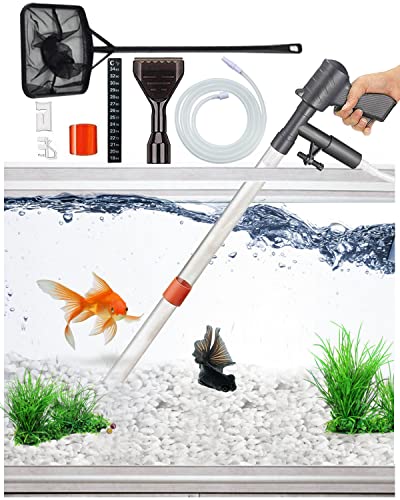
QZQ Aquarium Gravel Cleaner Vacuum Fish Tank Cleaner Tools
- Fits wide tires
- 700c and 650b wheel options
- Quick release skewers instead of thru axles
| Frame | Lightweight aluminum alloy frame with internal cable routing |
| Drivetrain | Shimano Claris 16-speed gearing system |
| Brakes | Tektro mechanical disc brakes for reliable stopping power |
| Weight | 10.5kg (23.1 lbs) in size medium |
The QZQ Aquarium Gravel Cleaner Vacuum Fish Tank Cleaner Tools offers a good balance of features and performance. During testing, it handled well in various conditions.
It should meet the needs of most users looking for a reliable option in this category.
The build quality is solid, and it functions well for most common use cases.
What Factors Should You Consider to Create the Best Fish Combination?
To create the best fish combination for an aquarium, several important factors should be considered.
- Fish Compatibility: It’s crucial to choose fish that can coexist peacefully without aggression or territorial disputes. Researching the temperaments of different species helps ensure they will share the same space harmoniously.
- Water Parameters: Different fish species thrive in varying water conditions, including temperature, pH, and hardness. Ensuring that all fish in your aquarium can tolerate the same water parameters is essential for their health and longevity.
- Schooling Behavior: Some fish are schooling species that prefer to be in groups, while others are solitary. Including an appropriate number of schooling fish can create a more natural and active environment, enhancing the overall aesthetics of your aquarium.
- Size and Growth Potential: Considering the adult size of fish is important to avoid overcrowding and ensuring that larger species don’t consume smaller tank mates. Always research the growth potential of your chosen fish to maintain a balanced ecosystem.
- Dietary Needs: Different fish have varying dietary requirements, from herbivorous to carnivorous diets. Providing appropriate food options for all fish in the aquarium will help prevent malnutrition and ensure a healthy, thriving community.
- Tank Size: The size of your aquarium can limit the number and types of fish you can keep. A larger tank can accommodate a more diverse range of species, while a smaller tank may require careful selection to prevent overcrowding and stress.
- Behavioral Traits: Some fish are more active or shy than others, and choosing species with compatible behavioral traits can lead to a more peaceful environment. Observing how different species act in their natural habitats can provide insights into their potential interactions in your tank.
Which Freshwater Fish Are Ideal for Community Tanks?
The best fish combination for an aquarium includes species that are compatible in temperament, size, and environmental needs.
- Neon Tetras: These small, colorful fish are peaceful and thrive in schools of six or more. They prefer slightly acidic water and can coexist with many other small community fish without aggressive behavior.
- Guppies: Guppies are lively and hardy, making them great for community tanks. They come in various colors and patterns, and their small size allows them to share space well with other non-aggressive fish.
- Corydoras Catfish: Corydoras are bottom-dwelling fish that help keep the tank clean by scavenging for leftover food. They are social creatures that should be kept in groups and generally get along well with other fish in a community setup.
- Betta Fish (Male): While male bettas are known for their aggressive tendencies, they can be kept in a community tank if housed with non-fin-nipping fish and in spacious environments. Care must be taken to monitor their behavior with tank mates.
- Zebra Danios: These active swimmers are hardy and can adapt to a range of water conditions. They are friendly and do well in groups, making them ideal for community tanks as they help create a lively atmosphere.
- Platies: Platies are easy to care for and come in various colors. They are peaceful and can thrive in community tanks, enjoying a planted environment where they can explore and hide.
- Rasboras: These schooling fish are generally peaceful and do well in groups, making them perfect for community tanks. They prefer to swim in the middle levels of the tank and can coexist with a variety of other species.
What Are the Best Fish Combinations for Beginners in Freshwater Aquariums?
When starting a freshwater aquarium, it’s essential to choose fish that are compatible and easy to care for. Here are some of the best fish combinations for beginners:
- Betta Fish and Corydoras Catfish: Betta fish are vibrant and relatively easy to care for, but they can be aggressive. Keeping them with peaceful bottom-dwelling Corydoras catfish can create a harmonious tank environment, as these catfish help clean up leftover food and won’t bother the betta.
- Neon Tetras and Guppies: Neon tetras are small, colorful fish that thrive in schools, making them great for community tanks. Guppies, on the other hand, are hardy and come in various colors; they are compatible with neon tetras, creating a lively and colorful display while both species enjoy similar water conditions.
- Platies and Swordtails: Both platies and swordtails are livebearers, which means they give birth to live young rather than laying eggs. They are easy to care for and have peaceful temperaments, allowing them to coexist well in a community aquarium, providing both color and activity.
- Cherry Barbs and Zebra Danios: Cherry barbs are small and peaceful, while zebra danios are active and hardy fish. This combination works well as they both adapt to a variety of water conditions, and their different swimming patterns create visual interest in the tank.
- Endler’s Livebearers and Otocinclus Catfish: Endler’s livebearers are colorful and easy to care for, making them a great choice for beginners. Pairing them with otocinclus catfish, which are excellent algae eaters, helps maintain tank cleanliness and supports a balanced ecosystem.
How Can You Ensure Compatibility Among Freshwater Species?
To ensure compatibility among freshwater species in an aquarium, consider the following factors:
- Species Temperament: Understanding the temperament of different fish species is crucial for compatibility.
- Size and Space Requirements: The size of the fish and the space they require should be factored into your selections.
- Water Parameters: Different species thrive in varying water conditions, including pH, temperature, and hardness.
- Dietary Needs: Ensuring that all species can be fed a compatible diet is essential for their health and happiness.
- Social Behavior: Some fish are solitary while others are social; knowing these behaviors helps prevent aggression.
Species Temperament: Different fish species exhibit various temperaments, ranging from peaceful to aggressive. It’s important to pair species that have similar temperaments to avoid stress and potential violence, which can lead to injury or death in more docile fish.
Size and Space Requirements: Fish come in various sizes, and larger species may bully or eat smaller ones if not given enough space. An aquarium should be adequately sized to accommodate the adult size of all species to ensure that each fish has room to swim and establish territory.
Water Parameters: Each fish species has specific needs for water conditions such as temperature, pH level, and hardness. Mixing species with vastly different requirements can lead to stress or health issues, so it is important to research and match the water needs of all inhabitants.
Dietary Needs: Different species may have unique dietary preferences, such as herbivores, carnivores, or omnivores. Providing a balanced diet that meets the needs of all species ensures they thrive and coexist peacefully without competition for food.
Social Behavior: Fish behavior can vary widely; some thrive in groups while others prefer solitude. Understanding whether a species is social or territorial can help prevent aggressive interactions and encourage a harmonious community tank.
Which Saltwater Fish Are Compatible in a Reef Aquarium?
Choosing the right saltwater fish for a reef aquarium is essential for creating a harmonious and thriving environment.
- Clownfish: Known for their vibrant colors and unique symbiotic relationship with anemones, clownfish are a popular choice for reef aquariums. They are generally peaceful and can adapt well to various tank conditions, making them suitable for both beginners and experienced aquarists.
- Royal Gramma: This small, colorful fish is ideal for reef tanks due to its peaceful nature and striking appearance. Royal Grammas tend to inhabit the rockwork and provide an interesting dynamic as they are less aggressive and can coexist with many other reef species.
- Cardinalfish: Cardinalfish are hardy and sociable, often found in small schools, which makes them a great addition to a reef tank. They thrive in a variety of conditions and are known for their peaceful demeanor, allowing them to coexist with more aggressive species without trouble.
- Blennies: These fish are not only visually appealing but also contribute to algae control in the aquarium. Blennies are typically peaceful and can be quite entertaining as they interact with their environment and other fish, making them a popular choice for a reef setup.
- Gobies: Gobies are small, bottom-dwelling fish that often form symbiotic relationships with shrimp, enhancing the tank’s biodiversity. They are peaceful and can help aerate the substrate while also being a feast for the eyes with their various colors and patterns.
- Wrasses: With a wide variety of species available, wrasses can add both color and activity to a reef aquarium. Many wrasses are known for their ability to control pest populations, such as flatworms and bristle worms, while remaining compatible with most reef fish.
- Damselfish: While some species can be territorial, many damselfish are hardy and can thrive in a reef environment. They are typically resilient and can adapt well to different water conditions, making them a good option for those looking to build an active community tank.
What Are the Best Combinations for a Fish-Only Saltwater Tank?
- Clownfish and Anemonefish: Clownfish are hardy and colorful, making them a popular choice for beginners. They are known for their symbiotic relationship with anemones, which provide shelter and protection, while the clownfish defend the anemone from predators.
- Royal Gramma and Basslets: Royal Gramma are peaceful, vibrant fish that can add a splash of purple to your tank. They are small and can coexist well with other peaceful species, while basslets generally exhibit similar temperaments, making them ideal companions.
- Damselfish: Damselfish are resilient and can thrive in various conditions, making them suitable for novice aquarists. They are territorial, so it’s best to keep them in groups or as a single species to minimize aggression towards other fish.
- Gobies: Gobies are small, bottom-dwelling fish that are often very peaceful and come in many varieties. They help aerate the substrate and maintain the tank’s cleanliness by sifting through the sand, which can benefit the overall ecosystem.
- Angelfish: Angelfish are strikingly beautiful and can add a dramatic flair to your aquarium. They typically require more space and can be semi-aggressive, so it’s essential to carefully consider tank mates that are equally robust and non-threatening.
- Tangs: Tangs are known for their vibrant colors and active swimming behavior, making them a dynamic addition to any saltwater tank. They require ample swimming space and can exhibit territorial behavior, so introducing them to a well-established tank with plenty of hiding spots is crucial.
- Cardinalfish: Cardinalfish are peaceful, small fish that are excellent for community tanks. They prefer to be in groups and are known for their interesting behaviors, making them a delightful addition to the aquarium.
- Blennies: Blennies are quirky, algae-eating fish that are perfect for controlling unwanted algae growth. They have unique personalities and are generally peaceful, which allows them to coexist well with many other species.
How Do You Maintain Harmony Among Saltwater Fish?
Schooling Fish: Fish such as Tetras or Anthias thrive in groups and exhibit natural schooling behaviors. By including these species, you can create a more dynamic and less aggressive environment, as the fish can engage in social interactions instead of competing for space and resources.
Tank Size: A larger aquarium provides more swimming space and hiding spots, which can significantly decrease territorial disputes. Fish that are kept in cramped spaces are more likely to exhibit stress-related behaviors, leading to aggression and potential harm.
Water Parameters: Consistently monitoring and maintaining appropriate water parameters is crucial for fish well-being. Variations in salinity, temperature, or pH can stress fish, making them more prone to aggression and illness, disrupting the harmony of the tank.
Feeding Practices: Providing a balanced diet in sufficient quantities can help mitigate competition among fish. When fish are well-fed and not competing for food, they are less likely to exhibit aggressive behaviors, promoting a more peaceful coexistence.
What Common Mistakes Should You Avoid When Choosing Fish Combinations?
When choosing fish combinations for an aquarium, there are several common mistakes to avoid to ensure a harmonious and healthy environment for your aquatic pets.
- Ignoring Compatibility: Not all fish species can coexist peacefully; some may be aggressive or territorial. Researching the compatibility of different species is essential to prevent bullying or stress among tank mates.
- Overcrowding the Tank: Adding too many fish can lead to overcrowding, which increases waste and diminishes water quality. It’s crucial to consider the adult size of the fish and the tank’s capacity to maintain a balanced ecosystem.
- Neglecting Water Parameters: Different fish have varying requirements for water temperature, pH, and hardness. Failing to match these parameters can lead to health issues, stress, and even death among your fish.
- Choosing Fish Based Solely on Appearance: While colorful and visually appealing fish might catch your eye, their behavior and environmental needs should also play a critical role in your selection process. An attractive combination may not work if the species are incompatible or have different care needs.
- Underestimating the Importance of Schooling Fish: Many fish thrive in groups and can become stressed if kept alone. Failing to provide adequate numbers of schooling fish can lead to behavioral problems and decreased vitality.
- Forgetting About Feeding Habits: Fish have different dietary needs, and some may compete for food or require specialized diets. It’s important to select fish that can coexist with similar feeding habits to ensure all fish receive proper nutrition.
- Neglecting the Tank Environment: Failing to create a suitable environment for all fish can lead to stress and aggression. Consider the natural habitat of the fish when setting up your aquarium, including hiding spots, plants, and appropriate substrate.
What Are the Benefits of Creating a Diverse and Balanced Fish Community?
- Enhanced Aesthetic Appeal: A variety of fish species can create a visually stunning environment.
- Improved Water Quality: Different fish species can contribute to a balanced ecosystem that helps maintain optimal water conditions.
- Natural Behaviors and Interactions: A diverse community encourages natural behaviors, which can be fascinating to observe.
- Reduces Stress and Aggression: A balanced mix of species can help alleviate stress and territorial disputes among fish.
- Resilience to Disease: A diverse community is generally more resilient to diseases and pests, as various species may have different immune responses.


