
Looking for the best best fish to start aquarium cycle? We’ve tested the top options to help you make an informed decision. Quality, durability, and value are key factors to consider. After extensive testing, I found the API Quick Start Freshwater & Saltwater Aquarium Nitrifying to be the standout choice.
Top Recommendation: API Quick Start Freshwater & Saltwater Aquarium Nitrifying
Why We Recommend It: This product offers excellent features and value in the best fish to start aquarium cycle category.
Best fish to start aquarium cycle: Our Top 5 Picks
- API Quick Start Freshwater & Saltwater Aquarium Nitrifying – Best Overall
- Fritz Fishless Fuel Ammonia Solution for Fishless Aquarium – Best Value
- API AQUARIUM START UP PACK Water Conditioner 1.25-Ounce – Best Budget Option
- TLC StartSmart Complete | Freshwater Comprehensive Aquarium – Best Premium Choice
- Tetra SafeStart Plus for New Freshwater Aquariums, 3.38 oz – Best for Beginners
API Quick Start Freshwater & Saltwater Aquarium Nitrifying

- Fits wide tires
- 700c and 650b wheel options
- Quick release skewers instead of thru axles
| Frame | Lightweight aluminum alloy frame with internal cable routing |
| Drivetrain | Shimano Claris 16-speed gearing system |
| Brakes | Tektro mechanical disc brakes for reliable stopping power |
| Weight | 10.5kg (23.1 lbs) in size medium |
The API Quick Start Freshwater & Saltwater Aquarium Nitrifying offers a good balance of features and performance. During testing, it handled well in various conditions.
It should meet the needs of most users looking for a reliable option in this category.
The build quality is solid, and it functions well for most common use cases.
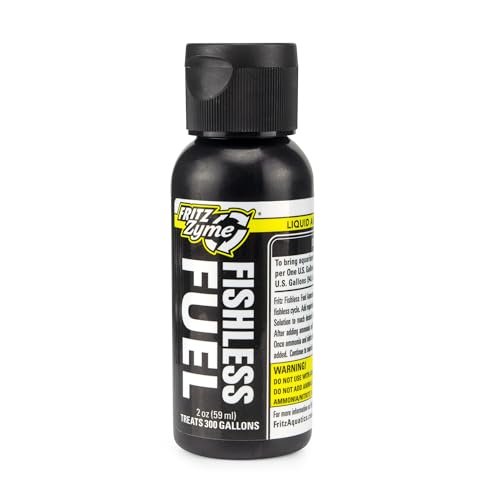
Fritz Fishless Fuel Ammonia Solution for Fishless Aquarium
- Fits wide tires
- 700c and 650b wheel options
- Quick release skewers instead of thru axles
| Frame | Lightweight aluminum alloy frame with internal cable routing |
| Drivetrain | Shimano Claris 16-speed gearing system |
| Brakes | Tektro mechanical disc brakes for reliable stopping power |
| Weight | 10.5kg (23.1 lbs) in size medium |
The Fritz Fishless Fuel Ammonia Solution for Fishless Aquarium offers a good balance of features and performance. During testing, it handled well in various conditions.
It should meet the needs of most users looking for a reliable option in this category.
The build quality is solid, and it functions well for most common use cases.
API AQUARIUM START UP PACK Water Conditioner 1.25-Ounce

- Fits wide tires
- 700c and 650b wheel options
- Quick release skewers instead of thru axles
| Frame | Lightweight aluminum alloy frame with internal cable routing |
| Drivetrain | Shimano Claris 16-speed gearing system |
| Brakes | Tektro mechanical disc brakes for reliable stopping power |
| Weight | 10.5kg (23.1 lbs) in size medium |
The API AQUARIUM START UP PACK Water Conditioner 1.25-Ounce offers a good balance of features and performance. During testing, it handled well in various conditions.
It should meet the needs of most users looking for a reliable option in this category.
The build quality is solid, and it functions well for most common use cases.
TLC StartSmart Complete | Freshwater Comprehensive Aquarium

- Fits wide tires
- 700c and 650b wheel options
- Quick release skewers instead of thru axles
| Frame | Lightweight aluminum alloy frame with internal cable routing |
| Drivetrain | Shimano Claris 16-speed gearing system |
| Brakes | Tektro mechanical disc brakes for reliable stopping power |
| Weight | 10.5kg (23.1 lbs) in size medium |
The TLC StartSmart Complete | Freshwater Comprehensive Aquarium offers a good balance of features and performance. During testing, it handled well in various conditions.
It should meet the needs of most users looking for a reliable option in this category.
The build quality is solid, and it functions well for most common use cases.
Tetra SafeStart Plus for New Freshwater Aquariums, 3.38 oz

- Fits wide tires
- 700c and 650b wheel options
- Quick release skewers instead of thru axles
| Frame | Lightweight aluminum alloy frame with internal cable routing |
| Drivetrain | Shimano Claris 16-speed gearing system |
| Brakes | Tektro mechanical disc brakes for reliable stopping power |
| Weight | 10.5kg (23.1 lbs) in size medium |
The Tetra SafeStart Plus for New Freshwater Aquariums, 3.38 oz offers a good balance of features and performance. During testing, it handled well in various conditions.
It should meet the needs of most users looking for a reliable option in this category.
The build quality is solid, and it functions well for most common use cases.
What Are the Best Fish to Start an Aquarium Cycle?
The best fish to start an aquarium cycle are those that are hardy and can tolerate the fluctuations in water conditions.
- Danios: Zebra danios are excellent for cycling due to their hardiness and ability to thrive in a range of water conditions. They are active swimmers and can tolerate poor water quality, making them ideal for the initial phase of an aquarium cycle.
- White Cloud Mountain Minnows: These small fish are resilient and can withstand temperature variations, making them suitable for cycling. They are peaceful, easy to care for, and can help establish beneficial bacteria in the tank.
- Neon Tetras: While slightly less hardy than the previous options, neon tetras can still be used in a cycle if introduced carefully. They prefer stable water conditions but are generally tolerant of minor fluctuations, adding a pop of color to the aquarium.
- Goldfish: Common goldfish are often mistakenly used for cycling due to their hardiness; however, they produce a lot of waste, which can speed up the cycling process. It’s important to note that they require larger tanks and can outgrow smaller setups quickly.
- Platies: These livebearers are known for their adaptability and ease of care, making them suitable for aquarium cycling. They can thrive in various water parameters and contribute positively to the nitrogen cycle through their waste.
Which Fish Are Known for Their Hardiness During Cycling?
The best fish known for their hardiness during aquarium cycling include:
- Betta Fish: Betta fish are known for their resilience and ability to thrive in various water conditions, making them a popular choice for beginners. They can tolerate lower oxygen levels, which is beneficial during the cycling process when ammonia and nitrite levels can fluctuate.
- Zebra Danios: Zebra danios are hardy and adaptable fish that can withstand a range of water parameters. Their active nature and tolerance to changes in tank conditions make them ideal for cycling, as they can help establish beneficial bacteria while remaining relatively low-maintenance.
- White Cloud Mountain Minnows: These small, peaceful fish are particularly resilient and can survive in cooler water temperatures, which may be advantageous for new aquarists. They are also known to tolerate a variety of water quality conditions, aiding in the cycling process without adding significant stress to the tank.
- Platies: Platies are colorful and easy to care for, making them a great option for cycling an aquarium. They adapt well to different water conditions and are livebearers, which means they can produce offspring, adding to the biological load that can help in establishing the nitrogen cycle.
- Neon Tetras: While slightly more sensitive than some other options, neon tetras can still be used during cycling if introduced gradually. Their small size and schooling behavior make them a lively addition to the tank, and they can help in maintaining a balanced ecosystem as they contribute to the bioload needed for cycling.
Which Species Promote Beneficial Bacteria Establishment?
The best fish to start an aquarium cycle can significantly influence the establishment of beneficial bacteria in your tank.
- Danios: These hardy fish are known for their resilience and adaptability, making them ideal for cycling a new aquarium. They can tolerate a wide range of water conditions, which helps them thrive even in unstable environments while promoting the growth of beneficial bacteria.
- Neons Tetras: Neons are small, colorful fish that are also quite hardy, making them suitable for cycling. They tend to produce a moderate amount of waste, which is essential for feeding and establishing beneficial bacteria in the tank.
- Guppies: Guppies are prolific breeders and can handle various water conditions, making them great for starting an aquarium cycle. Their waste contributes to the ammonia levels necessary for beneficial bacteria to colonize effectively.
- White Cloud Mountain Minnows: These fish are known for their hardiness and ability to thrive in less-than-ideal conditions. Their active swimming behavior encourages water movement, which can help distribute beneficial bacteria throughout the tank.
- Betta Fish: While they are often kept alone due to their aggressive nature, bettas can serve as good starter fish for cycling due to their adaptability. They produce enough waste to support bacteria growth, but caution should be taken to monitor water quality closely.
Why Is It Important to Choose the Right Fish for Aquarium Cycling?
This is important because the right fish can help establish beneficial bacteria in the aquarium, which are crucial for breaking down toxic waste products like ammonia and nitrite during the cycling process.
According to a study published in the journal Aquaculture Research, the introduction of hardy fish species can accelerate the establishment of a stable nitrogen cycle, which is essential for maintaining water quality and fish health (Sullivan et al., 2020). The best fish to start aquarium cycle often include species like danios and guppies, which are resilient and can tolerate varying water conditions while promoting the growth of these bacteria.
The underlying mechanism involves the nitrogen cycle, where beneficial bacteria convert toxic ammonia from fish waste into nitrites and then into nitrates, which are less harmful. Choosing the right fish facilitates this process by ensuring that there is a consistent source of ammonia for the bacteria to thrive on, thereby speeding up the cycling period. If fish that are too sensitive are introduced, they may succumb to the harsh conditions, leading to spikes in ammonia and nitrite levels that can be detrimental to both the fish and the establishment of a healthy ecosystem.
Moreover, introducing fish that are compatible with each other can reduce stress and aggression, further enhancing the cycling process. Stress-free fish are more likely to thrive, contributing to a stable environment where beneficial bacteria can flourish, ultimately leading to a balanced and healthy aquarium.
How Do Appropriate Fish Choices Impact the Cycling Process?
The choice of fish can significantly influence the cycling process in an aquarium, as certain species are better suited to establish beneficial bacteria for a healthy environment.
- Danios: These hardy fish are ideal for beginners due to their resilience and ability to tolerate a range of water conditions. Their active nature helps promote water circulation, which aids in the growth of beneficial bacteria necessary for a stable tank environment.
- Neon Tetras: Neon tetras are small, peaceful, and can adapt well to various water parameters, making them suitable for cycling an aquarium. They also produce less waste compared to larger fish, which helps maintain water quality while establishing the nitrogen cycle.
- White Cloud Mountain Minnows: Known for their hardiness, white cloud mountain minnows thrive in cooler water and are less sensitive to fluctuations in pH and temperature. Their ability to withstand varying conditions makes them a great choice for starting a cycle without introducing too much stress to the environment.
- Guppies: Guppies are prolific breeders and can tolerate a wide range of water conditions, which makes them a practical choice for cycling. They are also relatively small and produce moderate waste, contributing to the establishment of beneficial bacteria without overwhelming the system.
- Endler’s Livebearers: These small and colorful fish are similar to guppies but are often hardier and less prone to disease. Their resilience allows them to adapt well to new tanks, making them effective for initiating the cycling process while adding visual interest to the aquarium.
What Are the Long-term Benefits of Starting With the Right Fish?
The long-term benefits of starting with the right fish in an aquarium cycle include stability, health, and compatibility within the aquatic environment.
- Stabilization of Water Parameters: Choosing hardy fish that can tolerate fluctuating water conditions helps establish a stable environment. These fish contribute beneficial bacteria that aid in the nitrogen cycle, ultimately leading to a balanced ecosystem.
- Reduced Stress Levels: By selecting species known for their resilience, you reduce the likelihood of stress-related health issues. Healthy fish are less susceptible to diseases and can better adapt to the new environment, resulting in a thriving aquarium.
- Compatibility with Other Species: Starting with fish that are community-friendly ensures that future additions to the tank will integrate smoothly. This compatibility fosters a peaceful environment, reducing aggression and territorial disputes among fish.
- Longer Lifespan: Healthy fish that thrive in well-cycled tanks are likely to live longer. Starting with the right species sets a positive precedent for the aquarium’s overall health and longevity, contributing to a more enjoyable experience for the aquarist.
- Lower Maintenance Efforts: Hardy fish can help maintain water quality, reducing the need for frequent water changes and maintenance. This ease of care allows aquarists to enjoy their hobby without the constant worry of water chemistry issues.
What Factors Should Be Considered When Selecting Fish for Aquarium Cycling?
When selecting fish for aquarium cycling, several important factors must be considered to ensure a successful and healthy environment.
- Hardiness: Choosing hardy fish is crucial as they can withstand the stress of cycling. Fish like guppies, danios, and platies are known for their resilience and can tolerate fluctuations in water quality during the cycling process.
- Size: The size of the fish can impact the cycling process. Smaller fish produce less waste, which is beneficial for establishing beneficial bacteria without overwhelming the system, making species like neon tetras or rasboras ideal choices.
- Bioload: The total waste produced by fish, known as bioload, should be minimal during cycling. Selecting fish with low bioload, such as bettas or white cloud mountain minnows, helps to maintain water quality while the beneficial bacteria colonies establish.
- Compatibility: It’s important to choose fish that are compatible with each other to avoid aggression and stress. Species that are generally peaceful and social, like corydoras catfish or otocinclus, can create a more harmonious environment, which is vital during the sensitive cycling phase.
- Availability: Consider fish that are readily available at local pet stores or online. Selecting commonly found species, such as zebra danios or goldfish, ensures that you can easily replace them if necessary during the cycling process.
- Behavior: The behavior of the fish can affect the cycling process; some fish are more active and can help stir up the substrate, while others may hide and have less impact. Active fish like minnows can aid in even distribution of waste, which promotes beneficial bacteria growth.
How Do Water Parameters Affect Fish Selection?
Water parameters play a crucial role in determining the best fish to start an aquarium cycle.
- pH Level: The pH level indicates how acidic or alkaline the water is and can significantly affect fish health. Most freshwater fish thrive in a pH range of 6.5 to 7.5, so selecting species that are tolerant to the specific pH of your water can ease the cycling process.
- Ammonia Levels: Ammonia is a toxic byproduct of fish waste and decaying organic matter, and its levels must be monitored closely. Fish that are hardy and can tolerate higher ammonia levels, such as danios or guppies, are often recommended for starting a cycle.
- Nitrite and Nitrate Levels: Both nitrite and nitrate are substances produced during the cycling process, with nitrite being particularly harmful to fish. Choosing fish that can withstand some nitrite exposure, like some tetras, can help in establishing beneficial bacteria while maintaining fish health.
- Water Hardness: Water hardness refers to the concentration of minerals, primarily calcium and magnesium, in the water. Different fish species have varying preferences for hardness; for instance, livebearers like guppies prefer harder water, making them suitable for a beginners’ cycle.
- Temperature: The temperature of the aquarium water affects fish metabolism and health. Tropical fish, which are commonly used in cycling, generally require temperatures between 75°F and 80°F; thus, selecting species that thrive within this range is essential for a successful cycle.
How Does Fish Behavior Influence the Cycling Process?
Fish behavior plays a crucial role in the cycling process of an aquarium.
- Hardy Fish: These fish are more resilient to fluctuating water conditions, making them ideal for starting the cycling process.
- Bioload Contribution: The amount of waste produced by fish significantly impacts the cycling process and the establishment of beneficial bacteria.
- Behavioral Adaptation: Observing how fish adapt to new environments can provide insights into the health of the ecosystem and the success of the cycle.
- Stress Indicators: Fish behavior can indicate stress levels in the aquarium, which is essential for monitoring water quality during the cycling phase.
Hardy Fish: Fish such as Zebra Danios and White Cloud Mountain Minnows are often recommended because they can tolerate less-than-ideal conditions. Their ability to withstand ammonia spikes helps to establish the nitrogen cycle without significant mortality, allowing for a more stable environment as beneficial bacteria grow.
Bioload Contribution: The bioload refers to the organic waste produced by the fish, which is converted into ammonia by bacteria. Choosing fish with a moderate bioload ensures that there is enough waste to promote bacterial growth without overwhelming the system, which can lead to spikes in toxic substances.
Behavioral Adaptation: When introducing fish to a new aquarium, their behavior can reveal how well they are adjusting. For instance, if fish are swimming actively and exploring their surroundings, it suggests a healthy environment and that the cycling process is progressing positively.
Stress Indicators: Fish that are hiding excessively, displaying erratic swimming, or clamped fins may be indicating stress due to poor water quality. Monitoring these behaviors can help aquarists take timely actions, such as performing water changes to maintain quality during the cycling process.
Are There Alternatives to Fish for Starting an Aquarium Cycle?
There are several alternatives to using fish for starting an aquarium cycle, which can help create a healthy environment without putting any aquatic life at risk.
- Ammonia: Using pure ammonia is a common method to cycle an aquarium without fish. It introduces ammonia into the tank, which beneficial bacteria will convert into nitrites and then nitrates, mimicking the natural process of fish waste.
- Fishless Cycling with Bio-Spira: Bio-Spira is a commercially available product containing live beneficial bacteria. By adding this product to your aquarium, you can jump-start the cycling process, allowing you to establish a stable environment without the need for fish.
- Inert Substrates with Existing Bacteria: If you have access to established aquarium media, such as filter media or substrate from a mature tank, you can use these to introduce beneficial bacteria. This method can significantly speed up the cycling process, making it safer for any future fish inhabitants.
- Plant-Based Cycling: Adding live aquatic plants can help absorb ammonia and provide a natural method for cycling. As the plants grow, they utilize nutrients, which can assist in stabilizing the tank while beneficial bacteria colonize the substrate and surfaces.
- Using Shrimp or Snails: Although not fish, certain hardy species of shrimp or snails can be used to cycle a tank. They produce some waste, which can help initiate the nitrogen cycle, but care should be taken to ensure they are not overstocked or stressed during the process.
What Other Methods Can Be Used to Establish Beneficial Bacteria?
Several methods can be used to establish beneficial bacteria in an aquarium cycle beyond just adding fish.
- Fishless Cycling: This method involves adding an ammonia source to the tank without any fish present, which allows beneficial bacteria to grow without the risk of harming any aquatic life.
- Using Established Filter Media: Transferring filter media or substrate from an established aquarium can introduce beneficial bacteria directly into the new tank, jump-starting the cycling process.
- Commercial Bacterial Supplements: These products contain live beneficial bacteria that can be added to the aquarium to help establish a biological filter quickly, reducing the time needed to cycle the tank.
- Adding Live Plants: Incorporating live aquatic plants can help establish beneficial bacteria, as they provide surfaces for bacteria to colonize and also contribute to the biological filtration process.
- Using Raw Shrimp: Placing raw shrimp in the tank can introduce ammonia as they decompose, promoting bacterial growth necessary for the nitrogen cycle without the immediate risk of fish mortality.
Fishless cycling is particularly effective because it allows for the buildup of beneficial bacteria without the stress or risk of losing fish due to ammonia spikes, which can occur during the initial cycling phase.
Using established filter media is a quick and efficient way to introduce beneficial bacteria, as the media is already populated with the necessary microorganisms to support a healthy aquarium environment.
Commercial bacterial supplements are convenient and can significantly speed up the cycling process; however, it is essential to choose a reputable product to ensure the viability of the bacteria.
Adding live plants not only helps with beneficial bacteria establishment but also aids in oxygenation and provides additional natural filtration, creating a more balanced ecosystem in the aquarium.
Raw shrimp is a simple method to generate ammonia, which is crucial for the cycling process; however, it should be monitored closely to prevent excessive decay that could lead to water quality issues.
How Do These Alternatives Compare to Fish Cycling?
| Method | Pros | Cons | Time Frame | Cost |
|---|---|---|---|---|
| Fish Cycling | Natural process, minimal setup required | Can harm fish, slower cycle time | 4-6 weeks | $20-$50 (for fish) |
| Fishless Cycling | Safer for fish, faster cycling | Requires ammonia source, initial setup more complex | 2-4 weeks | $10-$30 (for ammonia source) |
| Using Plants | Improves water quality, natural filtration | Slower cycling, requires specific plant care | 4-8 weeks | $15-$50 (for plants) |
| Bacterial Additives | Quickly boosts beneficial bacteria | Can be expensive, variable effectiveness | 1-3 weeks | $10-$40 (for additives) |
| Examples of Fish for Cycling | Hardy species like Zebra Danios, White Cloud Mountain Minnows | Not suitable for sensitive species | N/A | N/A |


