
Looking for the best best freshwater aquarium fish combination for beginners? We’ve tested the top options to help you make an informed decision. Quality, durability, and value are key factors to consider. After extensive testing, I found the Tetra 20 Gallon Complete Tropical Fish Tank Kit | Aquarium to be the standout choice.
Top Recommendation: Tetra 20 Gallon Complete Tropical Fish Tank Kit | Aquarium
Why We Recommend It: This product offers excellent features and value in the best freshwater aquarium fish combination for beginners category.
Best freshwater aquarium fish combination for beginners: Our Top 4 Picks
- Tetra 20 Gallon Complete Tropical Fish Tank Kit | Aquarium – Best Overall
- Tetra 29 Gallon Complete Tropical Fish Tank Kit | Aquarium – Best Value
- Live Aquarium Plants – Assorted Freshwater Plants for Fish – Best Budget Option
- API Betta Water Conditioner Betta Fish Freshwater Aquarium – Best Premium Choice
Tetra 20 Gallon Complete Tropical Fish Tank Kit | Aquarium

- Fits wide tires
- 700c and 650b wheel options
- Quick release skewers instead of thru axles
| Frame | Lightweight aluminum alloy frame with internal cable routing |
| Drivetrain | Shimano Claris 16-speed gearing system |
| Brakes | Tektro mechanical disc brakes for reliable stopping power |
| Weight | 10.5kg (23.1 lbs) in size medium |
The Tetra 20 Gallon Complete Tropical Fish Tank Kit | Aquarium offers a good balance of features and performance. During testing, it handled well in various conditions.
It should meet the needs of most users looking for a reliable option in this category.
The build quality is solid, and it functions well for most common use cases.
Tetra 29 Gallon Complete Tropical Fish Tank Kit | Aquarium

- Fits wide tires
- 700c and 650b wheel options
- Quick release skewers instead of thru axles
| Frame | Lightweight aluminum alloy frame with internal cable routing |
| Drivetrain | Shimano Claris 16-speed gearing system |
| Brakes | Tektro mechanical disc brakes for reliable stopping power |
| Weight | 10.5kg (23.1 lbs) in size medium |
The Tetra 29 Gallon Complete Tropical Fish Tank Kit | Aquarium offers a good balance of features and performance. During testing, it handled well in various conditions.
It should meet the needs of most users looking for a reliable option in this category.
The build quality is solid, and it functions well for most common use cases.
Live Aquarium Plants – Assorted Freshwater Plants for Fish

- Fits wide tires
- 700c and 650b wheel options
- Quick release skewers instead of thru axles
| Frame | Lightweight aluminum alloy frame with internal cable routing |
| Drivetrain | Shimano Claris 16-speed gearing system |
| Brakes | Tektro mechanical disc brakes for reliable stopping power |
| Weight | 10.5kg (23.1 lbs) in size medium |
The Live Aquarium Plants – Assorted Freshwater Plants for Fish offers a good balance of features and performance. During testing, it handled well in various conditions.
It should meet the needs of most users looking for a reliable option in this category.
The build quality is solid, and it functions well for most common use cases.
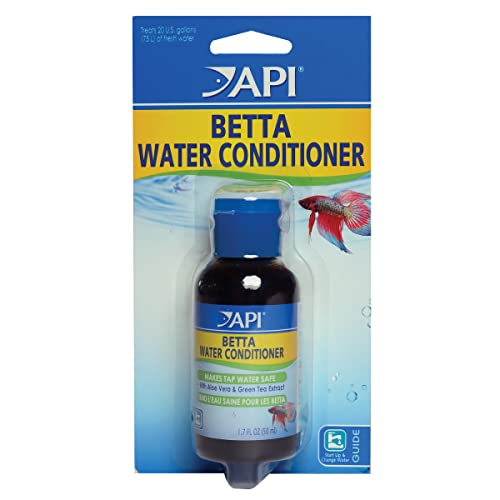
API Betta Water Conditioner Betta Fish Freshwater Aquarium
- Fits wide tires
- 700c and 650b wheel options
- Quick release skewers instead of thru axles
| Frame | Lightweight aluminum alloy frame with internal cable routing |
| Drivetrain | Shimano Claris 16-speed gearing system |
| Brakes | Tektro mechanical disc brakes for reliable stopping power |
| Weight | 10.5kg (23.1 lbs) in size medium |
The API Betta Water Conditioner Betta Fish Freshwater Aquarium offers a good balance of features and performance. During testing, it handled well in various conditions.
It should meet the needs of most users looking for a reliable option in this category.
The build quality is solid, and it functions well for most common use cases.
What Are the Best Freshwater Fish Combinations for Beginners?
The best freshwater aquarium fish combinations for beginners often include species that are peaceful, hardy, and compatible with each other.
- Neon Tetras: Neon Tetras are small, vibrant fish that thrive in schools of six or more. They are peaceful and easy to care for, making them ideal for beginners.
- Guppies: Guppies are colorful and lively fish that adapt well to various water conditions. They are very prolific breeders and can add a dynamic element to a beginner’s tank.
- Platies: Platies are hardy fish that come in many colors and are known for their friendly nature. They are livebearers, which means they give birth to free-swimming young, adding interest to the aquarium.
- Zebra Danios: Zebra Danios are active swimmers that do well in groups and are tolerant of a range of water conditions. Their playful behavior can bring energy to a community tank, making them a fun choice for beginners.
- Cherry Barbs: Cherry Barbs are peaceful and easy to care for, making them excellent for a community aquarium. Their bright red coloration and social behavior make them visually appealing and engaging to watch.
- Otocinclus Catfish: Otocinclus Catfish are small algae eaters that help keep the tank clean. They are very peaceful and do best in groups, contributing to a balanced ecosystem in a beginner’s aquarium.
Which Fish Species Are Most Suitable for Community Tanks?
The best freshwater aquarium fish combinations for beginners typically include species that are peaceful, hardy, and compatible with one another.
- Neon Tetras: These small, vibrant fish are perfect for community tanks due to their peaceful nature and striking blue and red coloration. They thrive in schools of at least six, making them an excellent choice for beginners who want active schooling behavior in their aquarium.
- Guppies: Guppies are colorful and adaptable fish that are easy to care for and breed. They come in various colors and patterns, adding visual interest to any tank, and their friendly temperament makes them suitable companions for many other fish species.
- Zebrafish: Known for their distinctive stripes and energetic behavior, zebrafish are hardy and can tolerate a range of water conditions. They are social fish that prefer to be in groups, making them an ideal choice for a community tank where they can exhibit their lively nature.
- Platies: Platies are another beginner-friendly species, known for their hardiness and peaceful demeanor. They are livebearers, meaning they give birth to live young, and they come in various colors, which adds to the diversity of the aquarium.
- Cherry Barbs: These small, colorful fish are known for their friendly disposition and ability to adapt to different water conditions. They do well in groups and can add a nice splash of color to a community tank while being non-aggressive toward other species.
- Corydoras Catfish: As bottom dwellers, Corydoras are great for keeping the substrate clean and are peaceful community fish. They thrive in groups and their playful nature makes them entertaining to watch as they forage for food in the aquarium substrate.
- Betta Fish (with caution): While male bettas can be aggressive toward their own species, they can sometimes coexist with certain peaceful fish in a community tank if carefully selected. Female bettas are generally more docile and can be a more suitable option for community setups, as they display vibrant colors and unique behaviors.
How Can You Create a Colorful and Diverse Aquarium?
Creating a colorful and diverse aquarium involves careful selection of fish species that not only complement each other visually but also thrive in similar water conditions. Here are some key tips to achieve a vibrant freshwater aquarium for beginners:
-
Choose a Variety of Colors and Shapes: Select fish with different colors, sizes, and shapes. For instance, combining bright neon tetras with the larger, stunning angelfish or gouramis can create a dynamic visual experience.
-
Consider Compatibility: Ensure all chosen species get along well. Peaceful communities can include rasboras, platies, and corydoras catfish. Avoid mixing aggressive species that may stress each other.
-
Add Plant Life and Decor: Incorporate live plants, driftwood, and rocks. Plants like Java fern or Anubias not only enhance aesthetics but also provide hiding spots for shy fish, promoting a healthy ecosystem.
-
Incorporate Schools: Keeping fish in schools, like a group of 6-8 zebra danios or cardinal tetras, adds movement and liveliness to the aquarium.
-
Balance Size and Space: Make sure fish sizes are balanced; larger fish should not overpower smaller ones. Additionally, provide enough swimming space to avoid overcrowding.
With the right combinations and arrangements, your aquarium can flourish in both health and beauty.
What Are the Key Considerations for Stocking Your Freshwater Aquarium?
When stocking your freshwater aquarium, several key considerations will help ensure a healthy and harmonious environment for your fish.
- Fish Compatibility: Choosing fish that can coexist peacefully is crucial. Some species are territorial or aggressive, which can lead to stress or injury among tank mates.
- Schooling Behavior: Many freshwater fish thrive in groups, so it’s important to consider schooling species. Keeping a proper number of these fish enhances their natural behavior and reduces stress levels.
- Size and Growth Potential: Be mindful of the adult size of fish when planning your aquarium. Overcrowding can lead to poor water quality and unhealthy fish, so it’s essential to select species that fit the size of your tank.
- Water Parameters: Different fish have varying requirements for water temperature, pH, and hardness. Researching these needs ensures that your fish will thrive in the same environment without compromising their health.
- Feeding Habits: It’s important to consider the dietary needs of the fish you choose. Some species may require specialized diets, while others are more adaptable, affecting how you manage feeding and tank maintenance.
- Tank Mates and Environmental Needs: Beyond compatibility, consider the environmental needs of your fish, such as substrate type, plants, and hiding spots. Providing a well-structured environment can reduce stress and promote natural behaviors.
- Beginner-Friendly Species: For a successful start, opt for hardy and resilient fish that are known to be beginner-friendly. These species are generally easier to care for and more forgiving of minor water quality fluctuations.
How Many Fish Should You Start With in Your Aquarium?
The number of fish to start with in your aquarium largely depends on the size of the tank and the species you choose, but beginners are often advised to start with a small number of fish to ensure a stable environment.
- 1-2 Small Fish: Starting with 1-2 small fish allows you to monitor the tank’s cycling process without overwhelming the aquatic ecosystem. Species like guppies or neon tetras are hardy and adapt well, making them ideal for beginners.
- Community Fish: Choosing a few community fish that coexist peacefully can enhance your aquarium’s social dynamics. Fish like platies and danios are known for their friendly nature and resilience, making them suitable for new aquarium setups.
- Gradual Increase: After the initial cycle stabilizes, gradually adding more fish is recommended to maintain water quality. Introduce new species slowly, allowing time for the biological filter to adjust to the increased bioload.
- Species Compatibility: Selecting fish with similar care requirements and temperaments can help prevent stress and aggression in the tank. Researching compatibility is key, as some species may not thrive together, leading to issues in your aquarium.
- Tank Size Considerations: The size of your aquarium significantly influences the number of fish you can keep. A general rule of thumb is one inch of fish per gallon of water, but this can vary based on the species and their adult size.
What Factors Impact Compatibility Among Different Fish Species?
Several factors influence compatibility among different fish species in a freshwater aquarium.
- Water Parameters: The pH, temperature, and hardness of the water can significantly affect fish compatibility. Different species thrive in various water conditions, and mismatches can lead to stress or health issues.
- Size and Behavior: The size of the fish and their social behavior play a crucial role in compatibility. Larger fish may prey on smaller species, while aggressive fish can bully more peaceful varieties, leading to a disruptive aquarium environment.
- Schooling Needs: Some fish species prefer to be in schools and feel stressed or lonely when kept alone. It’s essential to consider the schooling needs of fish to ensure they are kept in appropriate group sizes to promote their well-being.
- Dietary Requirements: Different fish have varying dietary needs, from herbivores to carnivores. Giving incompatible fish the same food can lead to malnutrition or aggression over food sources, impacting their health and compatibility.
- Territorial Behavior: Certain species are highly territorial and may require specific space within the aquarium. Overcrowding or inadequate hiding spots can lead to conflicts among fish, making it essential to plan the layout of the aquarium carefully.
- Breeding Behavior: Some fish become aggressive during breeding periods, which can affect the overall harmony of the tank. Understanding the breeding habits of the species you want to keep together is important to avoid conflicts during these times.
How Can You Ensure a Healthy Environment for Your Fish?
To ensure a healthy environment for your fish, consider the following key factors:
- Tank Size: The size of the aquarium plays a crucial role in the health of your fish. A larger tank provides more stable water parameters and more swimming space, reducing stress and territorial disputes among fish.
- Water Quality: Maintaining optimal water quality is essential for fish health. Regularly testing and treating the water for pH, ammonia, nitrites, and nitrates helps prevent diseases and ensures a suitable living environment for your fish.
- Filtration System: A good filtration system is vital to keep the water clean and free from harmful toxins. It helps in breaking down waste products and maintaining oxygen levels, which are crucial for the survival of your fish.
- Heater and Temperature Control: Most freshwater fish thrive in specific temperature ranges. Using a reliable heater and thermometer helps maintain a consistent temperature, which is essential for the metabolism and overall health of the fish.
- Aquascaping and Hiding Spots: Providing plants, rocks, and other decorations creates hiding spots for your fish, reducing stress and encouraging natural behavior. This also contributes to a more aesthetically pleasing aquarium environment.
- Compatible Fish Selection: Choosing the right fish that are compatible in terms of temperament and size is critical. This prevents aggression and ensures that all fish can inhabit the same environment peacefully.
- Regular Maintenance: Consistent tank maintenance, including water changes and cleaning, is important to prevent the accumulation of waste and harmful substances. Establishing a routine helps keep the aquarium healthy and the fish thriving.
- Proper Feeding: Providing a balanced diet tailored to your fish species is essential for their health. Overfeeding can lead to poor water quality, while underfeeding can cause malnutrition, both of which can harm your fish.
Why Is Tank Size Important for Beginner Aquarists?
According to the American Aquarium Products website, larger tanks dilute toxins and waste products more effectively than smaller ones, which can lead to better water quality. This is crucial for beginners who may not yet have mastered the art of maintaining water chemistry, as a stable environment is essential for fish health and reduces stress, which is critical for their survival.
The underlying mechanism involves the concept of the nitrogen cycle and bioload. In a smaller tank, the concentration of ammonia and nitrites can rise quickly due to waste from fish and uneaten food, leading to toxic conditions. Larger tanks can accommodate a greater bioload and provide more surface area for beneficial bacteria to thrive, which helps in breaking down waste products effectively. Thus, a larger tank not only offers more room for fish to swim but also supports a healthier biological filtration system, making it easier for beginners to manage their aquariums successfully.
What Equipment Do You Need to Maintain Water Quality?
To maintain water quality in a freshwater aquarium, various equipment is essential:
- Filter: A high-quality filter helps to remove debris, waste, and toxins from the water, ensuring a clean environment for fish. Different types of filters, such as sponge, canister, or hang-on-back, cater to various tank sizes and fish types.
- Aerator or Air Pump: This equipment increases oxygen levels in the water by creating surface agitation or introducing bubbles. Adequate oxygenation is crucial for the health of fish and beneficial bacteria that break down waste.
- Heater: For tropical fish, a reliable heater maintains a consistent water temperature, which is vital for their metabolism and overall health. Temperature fluctuations can stress fish and lead to disease, so it’s essential to choose a heater that matches the tank size and type of fish.
- Water Test Kits: Regular testing of water parameters, such as pH, ammonia, nitrate, and nitrite levels, is important to ensure a safe habitat for fish. Test kits allow for timely adjustments to maintain balanced water chemistry, preventing harmful conditions.
- Substrate: The bottom material of the aquarium, such as gravel or sand, plays a role in biological filtration and provides a natural habitat for fish. Choosing the right substrate can also affect the aesthetic of the tank and the well-being of bottom-dwelling species.
- Water Conditioner: This product is essential for treating tap water before adding it to the aquarium, as it removes harmful chemicals like chlorine and chloramine. A good water conditioner also helps to neutralize heavy metals, creating a safer environment for aquatic life.
What Common Mistakes Should Beginners Avoid When Choosing Fish Combinations?
When selecting fish combinations for a freshwater aquarium, beginners should be mindful of certain common mistakes that can lead to an unhealthy environment for their aquatic pets.
- Choosing incompatible species: Beginners often overlook the compatibility of different fish species. Some fish are territorial or aggressive, while others are more peaceful; mixing these can lead to stress and potential fatalities.
- Ignoring the tank size: It’s common for beginners to underestimate the space needed for a thriving aquarium. Each fish species has specific space requirements, and overcrowding can result in poor water quality and increased aggression.
- Neglecting water parameters: Many new aquarium enthusiasts fail to consider the specific water conditions needed by different fish. Factors such as pH, temperature, and hardness vary between species, and not providing the right environment can lead to health issues.
- Overstocking the tank: Beginners may be eager to fill their tank with numerous fish, not realizing that each species requires adequate space and resources. Overstocking can lead to competition for food and oxygen, which can stress the fish and lead to disease.
- Not researching the adult size of fish: New fish keepers often buy fish based on their juvenile size without considering how large they will grow. This can result in a cramped tank and inadequate living conditions as the fish mature.
- Failing to establish a proper cycle: New aquarists frequently skip the essential step of cycling their aquarium before adding fish. Cycling allows beneficial bacteria to establish, which is crucial for breaking down waste and maintaining water quality.
- Disregarding social behavior: Some beginners might not pay attention to the social needs of the fish they choose. Certain species prefer to be in groups (schooling fish), while others are solitary, and ignoring these behaviors can lead to stress and aggression.
How Can Overcrowding Affect Your Fish’s Wellbeing?
Overcrowding in aquariums can significantly impact the wellbeing of fish, causing stress and health issues.
- Stress Levels: Overcrowding can lead to increased stress among fish due to limited space and resources. Fish that are stressed are more prone to illness and may exhibit aggressive behaviors, which can further deteriorate their health.
- Water Quality: A higher fish density can result in a rapid decline in water quality, as more waste is produced. Poor water quality can lead to toxic conditions, affecting the gills and overall health of the fish.
- Competition for Resources: In a crowded tank, fish must compete for food, hiding spots, and swimming space. This competition can result in malnutrition for some fish and can lead to bullying or injuries as more dominant fish claim territory.
- Increased Disease Transmission: A crowded environment can facilitate the spread of diseases and parasites. When fish are kept in close quarters, pathogens can quickly move from one fish to another, leading to outbreaks that can devastate the population.
- Limited Growth and Development: Overcrowding can hinder the growth of fish as they may not receive sufficient nutrients or space to thrive. This can result in smaller sizes and delayed maturity, impacting their breeding potential and overall longevity.
Why Is Research Crucial Before Mixing Different Fish Species?
Research is crucial before mixing different fish species because not all fish have compatible needs and behaviors, which can lead to stress, aggression, or even death among the inhabitants of a freshwater aquarium.
According to a study published in the Journal of Fish Biology, species-specific behaviors, such as territoriality and schooling instincts, significantly influence the success of cohabitation in aquariums (Mason, 2018). Understanding the social dynamics of each species helps aquarists create a harmonious environment.
The underlying mechanism involves several factors, including water chemistry, diet, and social structure. Different fish species often require varying water parameters, such as pH and temperature, which can create an unsuitable habitat for some species if not properly matched. Additionally, aggressive species may dominate resources or space, leading to stress and potential aggression towards more docile species. Furthermore, dietary needs can also differ, making it essential for aquarists to ensure that all species are receiving the appropriate nutrition to thrive together.
Related Post:

