
Looking for the best best filter for 150 gallon freshwater aquarium? We’ve tested the top options to help you make an informed decision. Quality, durability, and value are key factors to consider. After extensive testing, I found the Aqueon QuietFlow Canister Aquarium Filter 100-150 Gallons | to be the standout choice.
Top Recommendation: Aqueon QuietFlow Canister Aquarium Filter 100-150 Gallons |
Why We Recommend It: This product offers excellent features and value in the best filter for 150 gallon freshwater aquarium category.
Best filter for 150 gallon freshwater aquarium: Our Top 5 Picks
- Aqueon QuietFlow Canister Aquarium Filter 100-150 Gallons | – Best Overall
- Aquarium Filter for 40-150 Gallon Tank, U-V Fish Tank Green – Best Value
- AQQA 581GPH Canister Filter, Ultra-Quiet 3-Stage Filtration – Best Budget Option
- fishkeeper 581 GPH Aquarium Canister Filter, 50W External – Best Premium Choice
- fishkeeper 528GPH Canister Filter, 3-Stage Filtration – Best for Beginners
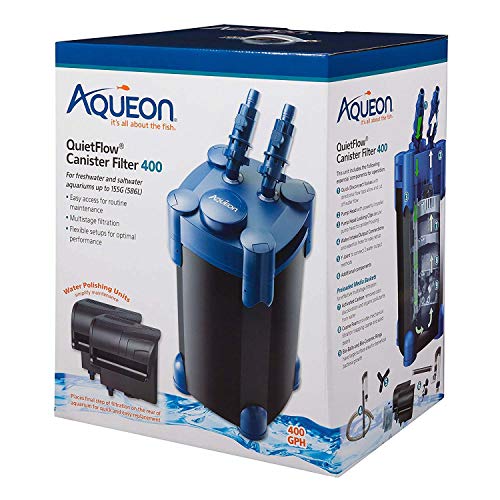
Aqueon QuietFlow Canister Aquarium Filter 100-150 Gallons |
- Fits wide tires
- 700c and 650b wheel options
- Quick release skewers instead of thru axles
| Frame | Lightweight aluminum alloy frame with internal cable routing |
| Drivetrain | Shimano Claris 16-speed gearing system |
| Brakes | Tektro mechanical disc brakes for reliable stopping power |
| Weight | 10.5kg (23.1 lbs) in size medium |
The Aqueon QuietFlow Canister Aquarium Filter 100-150 Gallons | offers a good balance of features and performance. During testing, it handled well in various conditions.
It should meet the needs of most users looking for a reliable option in this category.
The build quality is solid, and it functions well for most common use cases.
Aquarium Filter for 40-150 Gallon Tank, U-V Fish Tank Green

- Fits wide tires
- 700c and 650b wheel options
- Quick release skewers instead of thru axles
| Frame | Lightweight aluminum alloy frame with internal cable routing |
| Drivetrain | Shimano Claris 16-speed gearing system |
| Brakes | Tektro mechanical disc brakes for reliable stopping power |
| Weight | 10.5kg (23.1 lbs) in size medium |
The Aquarium Filter for 40-150 Gallon Tank, U-V Fish Tank Green offers a good balance of features and performance. During testing, it handled well in various conditions.
It should meet the needs of most users looking for a reliable option in this category.
The build quality is solid, and it functions well for most common use cases.
AQQA 581GPH Canister Filter, Ultra-Quiet 3-Stage Filtration

- Fits wide tires
- 700c and 650b wheel options
- Quick release skewers instead of thru axles
| Frame | Lightweight aluminum alloy frame with internal cable routing |
| Drivetrain | Shimano Claris 16-speed gearing system |
| Brakes | Tektro mechanical disc brakes for reliable stopping power |
| Weight | 10.5kg (23.1 lbs) in size medium |
The AQQA 581GPH Canister Filter, Ultra-Quiet 3-Stage Filtration offers a good balance of features and performance. During testing, it handled well in various conditions.
It should meet the needs of most users looking for a reliable option in this category.
The build quality is solid, and it functions well for most common use cases.
fishkeeper 581 GPH Aquarium Canister Filter, 50W External

- Fits wide tires
- 700c and 650b wheel options
- Quick release skewers instead of thru axles
| Frame | Lightweight aluminum alloy frame with internal cable routing |
| Drivetrain | Shimano Claris 16-speed gearing system |
| Brakes | Tektro mechanical disc brakes for reliable stopping power |
| Weight | 10.5kg (23.1 lbs) in size medium |
The fishkeeper 581 GPH Aquarium Canister Filter, 50W External offers a good balance of features and performance. During testing, it handled well in various conditions.
It should meet the needs of most users looking for a reliable option in this category.
The build quality is solid, and it functions well for most common use cases.
fishkeeper 528GPH Canister Filter, 3-Stage Filtration

- Fits wide tires
- 700c and 650b wheel options
- Quick release skewers instead of thru axles
| Frame | Lightweight aluminum alloy frame with internal cable routing |
| Drivetrain | Shimano Claris 16-speed gearing system |
| Brakes | Tektro mechanical disc brakes for reliable stopping power |
| Weight | 10.5kg (23.1 lbs) in size medium |
The fishkeeper 528GPH Canister Filter, 3-Stage Filtration offers a good balance of features and performance. During testing, it handled well in various conditions.
It should meet the needs of most users looking for a reliable option in this category.
The build quality is solid, and it functions well for most common use cases.
What Features Should You Look for in the Best Filter for a 150 Gallon Freshwater Aquarium?
When selecting the best filter for a 150-gallon freshwater aquarium, there are several key features to consider:
- Flow Rate: The flow rate of the filter should ideally be able to cycle the entire volume of the aquarium at least 4-5 times per hour.
- Filtration Type: Look for a filter that offers mechanical, biological, and chemical filtration to ensure clean and healthy water.
- Size and Design: The filter should be appropriately sized for the aquarium and designed for easy installation and maintenance.
- Noise Level: Choose a filter that operates quietly to avoid disturbing the tranquility of your aquarium environment.
- Energy Efficiency: Energy-efficient models can save on electricity costs while providing effective filtration.
- Ease of Maintenance: Filters that are easy to disassemble and clean will save you time and effort in maintaining your aquarium.
- Durability: A high-quality filter should be made from durable materials to withstand the rigors of continuous operation.
Flow Rate: The flow rate is crucial as it determines how quickly the filter can process the water in your aquarium. For a 150-gallon tank, a flow rate of 600-750 gallons per hour is recommended to ensure adequate water circulation and filtration.
Filtration Type: A good filter should integrate mechanical, biological, and chemical filtration. Mechanical filtration removes debris and particulates, biological filtration supports beneficial bacteria for breaking down waste, and chemical filtration removes toxins and impurities from the water.
Size and Design: The filter should be compact enough to fit in your aquarium setup without taking up too much space. Additionally, a design that allows for easy installation and integration with your tank’s aesthetics is beneficial.
Noise Level: Many aquarium filters can be noisy, which can disrupt the peacefulness of an aquarium environment. Selecting a filter known for its quiet operation is essential, especially if the aquarium is located in a living area.
Energy Efficiency: Look for energy-efficient models that consume less power without compromising on performance. This feature is important for reducing your electricity bills and minimizing the environmental impact.
Ease of Maintenance: Filters that are designed for easy maintenance can save you significant time and hassle. Features such as removable filter cartridges and accessible compartments make it simpler to perform regular cleaning and replacements.
Durability: A filter made from high-quality materials will not only last longer but also perform better over time. Ensure the filter you choose is built to withstand the conditions of a freshwater aquarium environment.
What Are the Different Filter Types Available for a 150 Gallon Freshwater Aquarium?
The different types of filters suitable for a 150-gallon freshwater aquarium include:
- Canister Filter: Canister filters are external units that provide high filtration capacity and efficiency, making them ideal for larger tanks like a 150-gallon aquarium. They can house multiple types of filter media, allowing for mechanical, chemical, and biological filtration, and are known for their quiet operation and ease of maintenance.
- Hang-On Back (HOB) Filter: HOB filters are popular among aquarium hobbyists for their simplicity and effectiveness. They hang on the back of the tank and draw water through a filter media, offering good mechanical and biological filtration, although they may require more frequent maintenance in larger tanks due to their limited capacity.
- Internal Filter: Internal filters are submerged inside the aquarium and are suitable for smaller tanks or as supplemental filtration in larger setups. They are easy to install and maintain, providing both mechanical and biological filtration, but may not provide the same level of water circulation as external filters.
- Submersible Pump Filter: Submersible pump filters combine the functions of a pump and filter, providing water movement and filtration all in one unit. They are versatile and can be used in various aquarium setups, but their filtration capabilities may be limited compared to canister filters.
- Wet/Dry Filter: Wet/dry filters are often used in larger aquariums and are designed to maximize biological filtration by allowing beneficial bacteria to grow on filter media that is exposed to air. They are more complex and typically require a sump or separate filtration area, making them a more advanced option for dedicated aquarists.
What Are the Benefits of Using Canister Filters in a 150 Gallon Freshwater Aquarium?
Canister filters offer several advantages for maintaining a healthy environment in a 150-gallon freshwater aquarium.
- Efficient Filtration: Canister filters provide multi-stage filtration, which includes mechanical, chemical, and biological processes. This efficiency helps in removing debris, toxins, and harmful bacteria from the water, ensuring a clean and safe habitat for aquatic life.
- High Flow Rate: Designed for larger aquariums, canister filters typically have a high flow rate, allowing for thorough water circulation. This is essential in a 150-gallon tank to prevent stagnation and to distribute heat and nutrients evenly throughout the water.
- Versatile Media Options: Canister filters allow for the use of various filter media, including sponge, carbon, and ceramic rings. This versatility enables aquarists to customize their filtration system according to the specific needs of their tank, whether it be for biofiltration or removing specific impurities.
- Space-Saving Design: Since canister filters are placed outside the aquarium, they save valuable tank space that can be utilized for decorations and aquatic plants. This also enhances the overall aesthetic of the aquarium by keeping equipment hidden away.
- Quiet Operation: Canister filters are generally quieter than many other filter types, which is particularly beneficial for larger tanks that may be situated in living areas. Their design minimizes vibrations and noise, creating a more tranquil environment for both fish and aquarists.
- Easy Maintenance: Most canister filters are designed for easy access and maintenance, allowing hobbyists to clean or replace filter media without disturbing the aquarium’s ecosystem significantly. This ease of maintenance is crucial for keeping a large tank like a 150-gallon aquarium in optimal condition.
How Do Wet/Dry Filters Work for Large Aquariums Like a 150 Gallon?
Wet/dry filters are highly effective filtration systems commonly used in large aquariums, such as a 150-gallon freshwater setup, due to their ability to enhance water quality and promote beneficial bacteria growth.
- Mechanical Filtration: This stage involves the removal of physical debris from the water, such as uneaten food, fish waste, and plant matter. Water passes through filter media, like foam pads or filter floss, which traps these particles, thus keeping the water clear and reducing the load on biological filtration.
- Biological Filtration: Wet/dry filters provide a large surface area for beneficial bacteria to colonize, which is critical for the nitrogen cycle. These bacteria convert harmful ammonia and nitrites produced by fish waste into less harmful nitrates, effectively maintaining a stable and healthy aquatic environment.
- Chemical Filtration: This part of the filtration system may involve the use of activated carbon or other chemical media to remove dissolved impurities and toxins from the water. It helps in eliminating odors, discoloration, and harmful substances, ensuring the water remains clean and safe for the fish.
- Water Aeration: As water trickles through the filter, it is exposed to air, which increases oxygen exchange. This aeration is beneficial for both the beneficial bacteria in the filter and the aquatic life in the aquarium, promoting a healthier ecosystem overall.
- Ease of Maintenance: Wet/dry filters are generally easier to maintain compared to other filtration systems. The design allows for easy access to the filter media, making routine cleaning and replacement straightforward, which is essential for maintaining optimal filtration in a large aquarium.
What Makes Hang-On-Back Filters a Good Choice for a 150 Gallon Freshwater Aquarium?
Hang-on-back (HOB) filters are often considered one of the best filter options for a 150-gallon freshwater aquarium due to their efficiency and ease of use.
- Easy Installation: HOB filters are simple to install, requiring no drilling or complex setup. They can be easily hung on the back of the aquarium, making them ideal for large tanks where space might be limited.
- Effective Filtration: These filters provide mechanical, biological, and chemical filtration, ensuring that the water remains clean and healthy for the fish. The multi-stage filtration process helps in removing debris, toxins, and harmful substances from the water.
- Adjustable Flow Rates: Many HOB filters come with adjustable flow rates, allowing users to customize the water movement according to the specific needs of their aquarium inhabitants. This feature is particularly beneficial for delicate species that may be disturbed by strong currents.
- Maintenance Convenience: HOB filters are designed for easy maintenance, with components that can be easily accessed for cleaning or replacement. This convenience is particularly important for larger aquariums, where maintaining water quality is crucial.
- Cost-Effective: Compared to other filtration systems, HOB filters are typically more affordable and offer great value for their performance. They are a practical choice for hobbyists looking to maintain a large aquarium without breaking the bank.
- Versatility: HOB filters can accommodate a variety of filter media, allowing users to tailor their filtration system to the specific needs of their aquarium. This adaptability makes them suitable for different types of freshwater setups, including community tanks or those with more sensitive species.
How Important is the Flow Rate in Choosing a Filter for a 150 Gallon Freshwater Aquarium?
When selecting a filter for a 150-gallon freshwater aquarium, the flow rate is a critical factor to consider. The flow rate, measured in gallons per hour (GPH), indicates how much water the filter can process, impacting both water quality and fish health.
Generally, a good rule of thumb is to have a filter that can turn over the entire aquarium volume at least 3 to 5 times per hour. For a 150-gallon tank, this translates to a filter with a flow rate between 450 to 750 GPH.
Here are several key points regarding flow rate:
-
Biological Filtration: A higher flow rate promotes efficient biological filtration, ensuring beneficial bacteria thrive, which is necessary for breaking down harmful ammonia and nitrites.
-
Debris Removal: Increased flow helps to suspend particles, enabling the filter to capture debris effectively, thus maintaining a cleaner environment.
-
Fish Compatibility: Consider the species in the tank. Fish like bettas or small community species prefer lower flow, while species such as cichlids may thrive in higher flow conditions.
-
Adjustability: Filters with adjustable flow rates can accommodate different species and tank setups, allowing you to tailor the flow to suit specific needs.
Selecting a filter with an appropriate flow rate is essential for a healthy and vibrant aquarium ecosystem.
What Maintenance Practices Should You Follow for Your 150 Gallon Freshwater Aquarium Filter?
Replacing filter media at the recommended intervals is crucial for maintaining biological filtration. Old media can become saturated with waste and lose its ability to process toxins, leading to spikes in harmful substances that can be detrimental to fish health.
Conducting regular water changes helps to dilute and remove pollutants that accumulate over time, promoting a healthier environment for your fish and plants. This practice also supports the filter by reducing the load it has to manage.
Checking for damage is important to ensure the longevity and reliability of your filter system. A small crack or leak can lead to significant issues, including water loss and decreased filtration efficiency.
Monitoring water parameters provides insights into the effectiveness of your filter and identifies potential problems early. By keeping an eye on ammonia, nitrite, and nitrate levels, you can adjust your maintenance practices and ensure a stable environment for your aquatic life.
What Are the Top Recommended Brands for Filters Suitable for a 150 Gallon Freshwater Aquarium?
The top recommended brands for filters suitable for a 150-gallon freshwater aquarium include:
- Fluval: Fluval filters are known for their advanced multi-stage filtration system, which effectively removes impurities and provides excellent water clarity. Their canister filters, such as the Fluval 406, are particularly popular for larger tanks due to their high flow rates and customizable media options, allowing for optimal filtration.
- Marineland: Marineland’s Emperor series of filters feature a dual filtration system that combines mechanical and chemical filtration for superior performance. The Emperor 400 is a favored choice for larger aquariums, offering adjustable flow rates and easy maintenance, making it ideal for those with a 150-gallon setup.
- Eheim: Eheim filters are highly regarded for their durability and efficiency, particularly the Eheim Classic series, which is a canister filter known for its quiet operation and long-lasting performance. These filters provide excellent biological filtration, essential for maintaining a healthy environment in a large aquarium.
- Aqueon: Aqueon’s QuietFlow series is designed specifically for larger tanks and is noted for its convenience and effectiveness. The QuietFlow 75, for instance, comes with a built-in filter cartridge and a flow rate suitable for a 150-gallon setup, making it an excellent choice for both novice and experienced aquarists.
- API: API offers a range of filters, but their Filstar series stands out for its versatility and ease of use. These canister filters are equipped with multi-stage filtration capabilities, ensuring that they can handle the demands of a 150-gallon freshwater aquarium while maintaining optimal water quality.


