
Looking for the best best filter for 240l tank? We’ve tested the top options to help you make an informed decision. Quality, durability, and value are key factors to consider. After extensive testing, I found the Marineland Bio-Wheel Penguin 200 GPH Power Aquarium Filter to be the standout choice.
Top Recommendation: Marineland Bio-Wheel Penguin 200 GPH Power Aquarium Filter
Why We Recommend It: This product offers excellent features and value in the best filter for 240l tank category.
Best filter for 240l tank: Our Top 5 Picks
- Marineland Bio-Wheel Penguin 200 GPH Power Aquarium Filter – Best Overall
- Tetra Whisper 200 GPH Internal Power Aquarium Filter | – Best Value
- Aqua-Tech Ultra Quiet Power Filter For Aquariums, 20-40 – Best Budget Option
- VILLNO 15W 210GPH Ultra Powerful Aquarium Filter for – Best Premium Choice
- AquaMiracle Aquarium Filter 3-Stage in-Tank Filter Internal – Best for Beginners
Marineland Bio-Wheel Penguin 200 GPH Power Aquarium Filter

- Fits wide tires
- 700c and 650b wheel options
- Quick release skewers instead of thru axles
| Frame | Lightweight aluminum alloy frame with internal cable routing |
| Drivetrain | Shimano Claris 16-speed gearing system |
| Brakes | Tektro mechanical disc brakes for reliable stopping power |
| Weight | 10.5kg (23.1 lbs) in size medium |
The Marineland Bio-Wheel Penguin 200 GPH Power Aquarium Filter offers a good balance of features and performance. During testing, it handled well in various conditions.
It should meet the needs of most users looking for a reliable option in this category.
The build quality is solid, and it functions well for most common use cases.
Tetra Whisper 200 GPH Internal Power Aquarium Filter |

- Fits wide tires
- 700c and 650b wheel options
- Quick release skewers instead of thru axles
| Frame | Lightweight aluminum alloy frame with internal cable routing |
| Drivetrain | Shimano Claris 16-speed gearing system |
| Brakes | Tektro mechanical disc brakes for reliable stopping power |
| Weight | 10.5kg (23.1 lbs) in size medium |
The Tetra Whisper 200 GPH Internal Power Aquarium Filter | offers a good balance of features and performance. During testing, it handled well in various conditions.
It should meet the needs of most users looking for a reliable option in this category.
The build quality is solid, and it functions well for most common use cases.
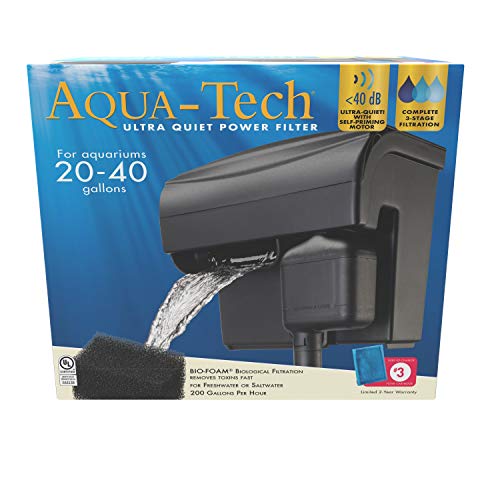
Aqua-Tech Ultra Quiet Power Filter For Aquariums, 20-40
- Fits wide tires
- 700c and 650b wheel options
- Quick release skewers instead of thru axles
| Frame | Lightweight aluminum alloy frame with internal cable routing |
| Drivetrain | Shimano Claris 16-speed gearing system |
| Brakes | Tektro mechanical disc brakes for reliable stopping power |
| Weight | 10.5kg (23.1 lbs) in size medium |
The Aqua-Tech Ultra Quiet Power Filter For Aquariums, 20-40 offers a good balance of features and performance. During testing, it handled well in various conditions.
It should meet the needs of most users looking for a reliable option in this category.
The build quality is solid, and it functions well for most common use cases.
VILLNO 15W 210GPH Ultra Powerful Aquarium Filter for

- Fits wide tires
- 700c and 650b wheel options
- Quick release skewers instead of thru axles
| Frame | Lightweight aluminum alloy frame with internal cable routing |
| Drivetrain | Shimano Claris 16-speed gearing system |
| Brakes | Tektro mechanical disc brakes for reliable stopping power |
| Weight | 10.5kg (23.1 lbs) in size medium |
The VILLNO 15W 210GPH Ultra Powerful Aquarium Filter for offers a good balance of features and performance. During testing, it handled well in various conditions.
It should meet the needs of most users looking for a reliable option in this category.
The build quality is solid, and it functions well for most common use cases.
AquaMiracle Aquarium Filter 3-Stage in-Tank Filter Internal

- Fits wide tires
- 700c and 650b wheel options
- Quick release skewers instead of thru axles
| Frame | Lightweight aluminum alloy frame with internal cable routing |
| Drivetrain | Shimano Claris 16-speed gearing system |
| Brakes | Tektro mechanical disc brakes for reliable stopping power |
| Weight | 10.5kg (23.1 lbs) in size medium |
The AquaMiracle Aquarium Filter 3-Stage in-Tank Filter Internal offers a good balance of features and performance. During testing, it handled well in various conditions.
It should meet the needs of most users looking for a reliable option in this category.
The build quality is solid, and it functions well for most common use cases.
What Key Features Should You Look for in a Filter for a 240L Tank?
When searching for the best filter for a 240L tank, it’s essential to consider the following key features:
- Flow Rate: The flow rate of a filter determines how much water it can process in a given time.
- Filtration Type: The type of filtration system plays a crucial role in maintaining water quality.
- Size and Design: The size and design of the filter should fit well within your tank while being efficient.
- Energy Efficiency: Energy-efficient filters can save you money on electricity bills while providing effective filtration.
- Ease of Maintenance: Filters that are easy to clean and maintain will save you time and hassle.
Flow Rate: The flow rate, measured in liters per hour (L/h), should ideally be at least 4-5 times the volume of your tank for optimal filtration. For a 240L tank, this means looking for a filter with a flow rate of at least 960-1200 L/h to ensure proper circulation and filtration of the water.
Filtration Type: Filters typically utilize mechanical, chemical, and biological filtration methods. A combination of these types is ideal for a 240L tank, as mechanical filtration removes debris, chemical filtration handles toxins, and biological filtration supports beneficial bacteria that break down harmful waste.
Size and Design: It’s important to select a filter that fits comfortably in your tank without taking up excessive space. External filters are often preferred for larger tanks as they offer more powerful filtration options, while internal filters are compact but might require more frequent cleaning.
Energy Efficiency: Look for filters that are rated for energy efficiency, as they will use less electricity while still providing adequate filtration. This is especially important for larger tanks where running costs can quickly add up over time, so an energy-efficient filter will help keep operational costs manageable.
Ease of Maintenance: Filters that are designed for easy disassembly and cleaning will make your aquarium maintenance routine more manageable. Features such as quick-release mechanisms and easy-access filter media trays can save you significant time and effort when it comes to regular upkeep.
Which Types of Filters are Best Suited for a 240L Tank?
When selecting the best filter for a 240L tank, various types of filters can effectively maintain water quality and support aquatic life.
- Canister Filters: Known for their powerful filtration capabilities, canister filters are ideal for larger tanks like a 240L setup.
- Hang-on Back (HOB) Filters: HOB filters are user-friendly and efficient, making them a popular choice for mid-sized to larger aquariums.
- Sump Filters: Sump filters offer excellent filtration and water circulation, making them suitable for aquarists looking for enhanced performance.
- Internal Filters: Compact and easy to install, internal filters can serve well in a 240L tank, especially for specific setups like breeding or hospital tanks.
Canister Filters: These filters are external units that utilize a series of filter media to provide mechanical, chemical, and biological filtration. They are highly customizable, allowing for different types of media to be used depending on the specific needs of the aquarium. Their ability to handle larger volumes of water and high flow rates makes them particularly advantageous for a 240L tank, ensuring optimal water clarity and quality.
Hang-on Back (HOB) Filters: HOB filters are mounted on the back of the aquarium, drawing water from the tank and passing it through filter media before returning it. They are easy to set up and maintain, making them a great choice for both novice and experienced aquarists. While they may not have the same capacity as canister filters, they provide adequate filtration for a 240L tank, especially for communities of fish or planted setups.
Sump Filters: A sump filter system involves an additional tank or container placed below the main tank that holds the filter media and water pump. This setup allows for superior filtration and is often used in larger aquariums due to its ability to handle high bioloads. Additionally, sumps can be equipped with heaters, protein skimmers, and other equipment, providing a versatile solution for a 240L tank.
Internal Filters: Internal filters are located within the aquarium and are generally designed for smaller tanks, but they can be effective in a 240L tank if chosen wisely. They provide mechanical and biological filtration and are especially useful in specific scenarios, such as breeding tanks or hospital setups, where you might want a more contained filtering solution. However, their capacity and flow rates may be limited compared to external options.
What Benefits Do Canister Filters Offer for a 240L Tank?
- High Filtration Capacity: Canister filters are designed to handle larger volumes of water, making them ideal for 240L tanks. They typically have multiple media compartments that allow for mechanical, biological, and chemical filtration, ensuring that the water remains clean and clear.
- Versatile Media Options: These filters can accommodate various types of filter media, such as sponge, carbon, and ceramic rings. This versatility allows aquarists to customize the filtration according to the specific needs of their tank inhabitants and water conditions.
- Quiet Operation: Canister filters operate quietly compared to other types of filters, such as hang-on-back models. This is particularly beneficial for larger tanks that may be placed in living spaces where noise could be disruptive.
- Less Maintenance Frequency: Due to their larger size and capacity, canister filters can go longer between maintenance cycles. This means less frequent cleaning and media replacement, which can save time and effort for tank owners.
- Efficient Water Circulation: Canister filters provide strong water flow, which helps in efficient water circulation throughout the tank. This circulation is essential for maintaining consistent water parameters and ensuring that all areas of the tank are adequately filtered.
- Space-Saving Design: Canister filters are typically located outside the tank, freeing up valuable space within the aquarium. This allows for more aquascaping options and makes it easier to maintain the tank without internal equipment clutter.
- Ability to Handle Heavily Stocked Tanks: For aquarists with a 240L tank that is heavily stocked with fish or plants, canister filters are capable of managing the increased bioload. They provide the necessary filtration to keep the water safe and healthy for all tank inhabitants.
How Do Hang-on-Back Filters Function in a 240L Tank?
Hang-on-back (HOB) filters are a popular choice for 240L tanks due to their efficiency and ease of use.
- Water Filtration: HOB filters provide mechanical, biological, and chemical filtration, ensuring that water remains clean and healthy for aquatic life.
- Installation and Maintenance: These filters are easy to install and maintain, making them ideal for both novice and experienced aquarium hobbyists.
- Adjustable Flow Rate: Many HOB filters come with adjustable flow rates, allowing for customization based on the specific needs of the tank’s inhabitants.
- Space Efficiency: HOB filters save space inside the tank by being mounted on the back, providing more room for aquatic plants and decorations.
The primary function of HOB filters is to cycle water through various filtration media. Mechanical filtration removes debris and particulate matter, while biological filtration promotes beneficial bacteria growth that breaks down harmful ammonia and nitrites. Chemical filtration uses activated carbon or other media to remove toxins and impurities, ensuring a stable environment for fish and plants.
Installation is straightforward; the filter hangs on the back edge of the tank, with the intake tube submerged in the water. Maintenance typically involves changing filter media and cleaning the impeller to ensure optimal performance, making it a user-friendly option for busy aquarium keepers.
Adjustable flow rates are essential for accommodating different species of fish and plants, as some may prefer calmer waters while others thrive in stronger currents. This adaptability helps maintain a balanced ecosystem in the 240L tank.
Space efficiency is another significant advantage, as HOB filters do not take up valuable space inside the tank, allowing for a more natural layout and greater creativity in aquascaping. With this design, aquarists can maximize the aesthetic and functional aspects of their aquarium.
What Advantages Can Internal Filters Provide for a 240L Tank?
Internal filters offer several advantages for a 240L tank, making them a popular choice among aquarists.
- Space-saving Design: Internal filters are compact and take up minimal space within the aquarium, allowing for more room for decorations and aquatic life.
- Ease of Installation: These filters are generally straightforward to install, requiring little more than placing them inside the tank and connecting them to a power source.
- Effective Filtration: Internal filters provide mechanical, biological, and chemical filtration, ensuring that the water remains clean and healthy for the fish and plants.
- Adjustable Flow Rates: Many internal filters come with adjustable flow settings, allowing aquarists to customize the water movement to suit the needs of specific species in the tank.
- Cost-Effective: Internal filters are often less expensive than external filtration systems, making them a budget-friendly option for larger tanks like a 240L.
- Good for Breeding Tanks: The gentle water flow of internal filters can be ideal for breeding tanks, as it minimizes stress on fry and delicate species.
Internal filters are compact and designed to fit neatly inside the aquarium, which can be especially beneficial in a larger tank where space can be at a premium. This design allows aquarists to maximize the aesthetics of their setup while providing essential filtration without taking up valuable real estate.
The installation process for internal filters is typically user-friendly; they often come with suction cups or mounting options that allow them to be secured to the glass of the tank. This ease of setup makes them accessible for both novice and experienced aquarists, removing barriers to achieving effective filtration.
These filters excel in offering a combination of mechanical, biological, and chemical filtration, which is crucial for maintaining the water quality in a 240L tank. The mechanical filtration traps debris and particles, while biological filtration supports beneficial bacteria that help break down waste, and chemical filtration removes harmful toxins from the water.
Many internal filters feature adjustable flow rates, which enable aquarists to tailor the water movement to the specific requirements of their fish and plants. This flexibility helps create a comfortable environment, particularly for sensitive species that may be disturbed by strong currents.
From a financial perspective, internal filters are often more affordable than external options, making them an attractive choice for those managing larger tanks like a 240L. This cost-effectiveness allows aquarists to invest their budget in other aspects of their aquarium, such as livestock or aquascaping materials.
Internal filters are particularly advantageous in breeding tanks, where the gentle flow can prevent fry from being swept away or stressed by turbulent water. This makes them a preferred choice for aquarists looking to breed delicate species or ensure a safe environment for young fish.
Which Filters Are the Top Recommendations for a 240L Tank?
For a 240L tank, selecting the right filter is crucial to maintaining a healthy aquatic environment. The following filters come highly recommended by aquarists:
-
Eheim Classic 250: This external canister filter is known for its reliability and efficiency. It features a large filter volume and allows for customizable media, ensuring optimal water clarity and quality.
-
Fluval 406: A versatile choice, the Fluval 406 offers multiple stages of filtration and a powerful pump. Its adjustable flow rate is beneficial for both freshwater and saltwater tanks.
-
AquaClear 110: This hang-on-back filter provides excellent mechanical, chemical, and biological filtration. Its innovative design allows for easy maintenance and an adjustable flow rate.
-
Tetra EX 1200 Plus: Ideal for larger tanks, this canister filter is equipped with a multi-stage filtration system. It combines efficiency with low noise levels, making it a great option for quiet home environments.
-
Sicce Syncra Silent 3.5: Known for its silent operation and energy efficiency, this filter works well with both freshwater and marine systems. Its compact design suits various tank setups.
These filters are excellent choices for ensuring optimal water conditions and supporting the health of aquatic life in a 240L tank.
What Makes Fluval Filters a Great Choice for a 240L Tank?
Fluval filters are a popular choice for a 240L tank due to their reliability, efficiency, and advanced technology.
- Multi-stage Filtration: Fluval filters utilize multi-stage filtration systems that effectively remove debris, toxins, and impurities from the water. This comprehensive approach ensures that both mechanical and biological filtration processes are optimized, providing a healthier environment for aquatic life.
- Energy Efficiency: Many Fluval filters are designed to be energy-efficient, which is essential for maintaining long-term operational costs. Their ability to provide high flow rates while consuming less electricity makes them an eco-friendly option for larger tanks like 240L.
- Quiet Operation: Fluval filters are known for their quiet operation, which is particularly beneficial in home environments. This feature allows for a peaceful living space without the disruptive noise often associated with traditional aquarium filters.
- Easy Maintenance: The design of Fluval filters often includes features that simplify maintenance, such as easy access to filter media and tool-less cleaning mechanisms. This user-friendly approach encourages regular upkeep, which is essential for maintaining water quality in larger aquariums.
- Durability and Build Quality: Fluval filters are constructed with high-quality materials that enhance their durability and longevity. This robust build ensures that the filter can withstand the demands of a 240L tank, providing consistent performance over time.
- Customizable Filter Media: Many Fluval models allow for customization of filter media, enabling users to tailor the filtration process to their specific tank needs. This adaptability can be particularly advantageous for tanks with sensitive or diverse aquatic ecosystems.
Why Are Eheim Filters Known for Their Quality in 240L Tanks?
Eheim filters are known for their quality in 240L tanks primarily due to their robust design, efficient filtration systems, and reliability, which ensure a clean and healthy aquatic environment.
According to a study published by the Journal of Aquatic Biology, Eheim has consistently ranked high in user satisfaction and filtration performance, particularly in larger tanks like 240L. Their designs incorporate advanced multi-stage filtration processes that include mechanical, biological, and chemical filtration, enabling them to handle the specific needs of larger aquatic ecosystems efficiently.
The underlying mechanism for Eheim’s effectiveness lies in their use of high-quality materials and innovative engineering. The filters are designed to maximize water flow while minimizing noise, ensuring that they can maintain optimal water quality without disturbing the tank’s inhabitants. Additionally, the biological filtration media used in Eheim filters promotes the growth of beneficial bacteria, which play a crucial role in breaking down harmful substances such as ammonia and nitrites, essential for maintaining a balanced tank environment.
Moreover, the durability and ease of maintenance of Eheim filters contribute significantly to their reputation. Their systems often feature easy-access components for cleaning and replacing media, which is vital for sustaining long-term filtration performance in larger tanks. This combination of efficiency, reliability, and ease of use makes Eheim filters a preferred choice among aquarists for maintaining 240L tanks.
What Maintenance Practices Can Improve the Efficiency of Your Filter?
Improving the efficiency of your filter for a 240L tank involves several maintenance practices:
- Regular Cleaning: Cleaning your filter media and components regularly helps prevent clogging and ensures optimal water flow. Accumulated debris can hinder filtration efficiency and may lead to poor water quality.
- Media Replacement: Over time, filter media can become less effective due to saturation and biological buildup. Regularly replacing or rejuvenating the media ensures that your filter continues to provide effective mechanical and biological filtration.
- Water Changes: Performing regular water changes reduces the buildup of toxins and waste products, which can strain your filter. This practice not only enhances the filter’s efficiency but also improves the overall health of your aquarium ecosystem.
- Check Pump Functionality: Ensuring that the pump is functioning properly is crucial for maintaining the flow rate necessary for effective filtration. A malfunctioning pump can reduce water circulation, leading to stagnant areas in the tank.
- Monitoring Parameters: Regularly checking water parameters such as pH, ammonia, and nitrate levels allows you to assess the performance of your filter. If parameters are out of balance, it may indicate that the filter is not working efficiently, prompting necessary adjustments or maintenance.
- Avoid Overfeeding: Overfeeding your fish can lead to excess waste, which places additional stress on your filter. By feeding appropriately, you can minimize waste buildup and help maintain filter efficiency.
- Positioning of Filter: The placement of your filter can affect its efficiency. Ensure that it is positioned correctly to maximize water flow and that there are no obstructions that could impede its operation.
How Can You Choose the Right Filter Based on Your Specific Tank Setup?
Choosing the right filter for a 240l tank involves several considerations to ensure efficient filtration and a healthy aquatic environment.
- Filter Type: The main types of filters include canister filters, hang-on-back (HOB) filters, and sponge filters.
- Flow Rate: The flow rate of the filter should ideally be able to process the entire volume of your tank several times per hour.
- Filtration Mechanism: Understanding whether you need mechanical, biological, or chemical filtration is crucial for maintaining water quality.
- Size and Space: The physical size of the filter and the available space in your tank setup can significantly impact your choice.
- Maintenance Requirements: Some filters require more frequent cleaning and maintenance than others, affecting your long-term commitment to tank upkeep.
Filter Type: The main types of filters include canister filters, which are powerful and suitable for larger tanks; hang-on-back (HOB) filters, which are easy to install and maintain; and sponge filters, which are ideal for breeding setups and small tanks. Each type has its own advantages and disadvantages, making it important to choose one that fits your tank’s needs.
Flow Rate: The flow rate of a filter is critical in ensuring that the water in your 240l tank is adequately circulated, promoting oxygenation and waste removal. A good rule of thumb is to select a filter with a flow rate that can turn over the entire tank volume at least 4-6 times per hour, ensuring optimal water quality and clarity.
Filtration Mechanism: There are three primary types of filtration: mechanical, which removes debris and particles; biological, which utilizes beneficial bacteria to break down harmful ammonia and nitrites; and chemical, which often involves activated carbon to remove toxins and impurities. Depending on your tank’s inhabitants and setup, you may need a combination of these filtration types for effective water management.
Size and Space: The size of the filter is an important factor, especially in a 240l tank, as it needs to fit comfortably without overcrowding the tank environment. Additionally, consider the location of the filter in relation to your tank setup to ensure it operates efficiently without hindrance.
Maintenance Requirements: Different filters have varying maintenance needs; for instance, canister filters may require less frequent cleaning compared to sponge filters, which may need regular rinsing to maintain efficiency. Assessing how much time you can dedicate to maintenance will help you choose a filter that aligns with your lifestyle and tank maintenance routine.
Related Post:

