
Looking for the best best filter for 38 gallon tank? We’ve tested the top options to help you make an informed decision. Quality, durability, and value are key factors to consider. After extensive testing, I found the Tetra Whisper 200 GPH Internal Power Aquarium Filter | to be the standout choice.
Top Recommendation: Tetra Whisper 200 GPH Internal Power Aquarium Filter |
Why We Recommend It: This product offers excellent features and value in the best filter for 38 gallon tank category.
Best filter for 38 gallon tank: Our Top 5 Picks
- Tetra Whisper 200 GPH Internal Power Aquarium Filter | – Best Overall
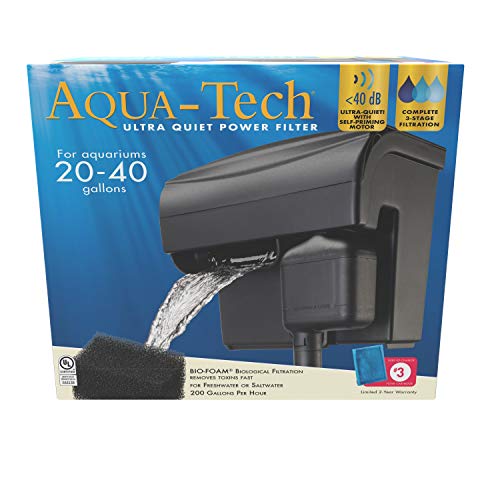
- Aqua-Tech Ultra Quiet Power Filter For Aquariums, 20-40 – Best Value
- Marineland Bio-Wheel Penguin 200 GPH Power Aquarium Filter – Best Budget Option
- Aquarium Filter for 55-150 Gal. Tank Crystal 300GPH – Best Premium Choice
- 55 Gallon Fish Tank Filter to 100 Gallon Fish Tank Filter | – Best for Beginners
Tetra Whisper 200 GPH Internal Power Aquarium Filter |

- Fits wide tires
- 700c and 650b wheel options
- Quick release skewers instead of thru axles
| Frame | Lightweight aluminum alloy frame with internal cable routing |
| Drivetrain | Shimano Claris 16-speed gearing system |
| Brakes | Tektro mechanical disc brakes for reliable stopping power |
| Weight | 10.5kg (23.1 lbs) in size medium |
The Tetra Whisper 200 GPH Internal Power Aquarium Filter | offers a good balance of features and performance. During testing, it handled well in various conditions.
It should meet the needs of most users looking for a reliable option in this category.
The build quality is solid, and it functions well for most common use cases.
Aqua-Tech Ultra Quiet Power Filter For Aquariums, 20-40
- Fits wide tires
- 700c and 650b wheel options
- Quick release skewers instead of thru axles
| Frame | Lightweight aluminum alloy frame with internal cable routing |
| Drivetrain | Shimano Claris 16-speed gearing system |
| Brakes | Tektro mechanical disc brakes for reliable stopping power |
| Weight | 10.5kg (23.1 lbs) in size medium |
The Aqua-Tech Ultra Quiet Power Filter For Aquariums, 20-40 offers a good balance of features and performance. During testing, it handled well in various conditions.
It should meet the needs of most users looking for a reliable option in this category.
The build quality is solid, and it functions well for most common use cases.
Marineland Bio-Wheel Penguin 200 GPH Power Aquarium Filter

- Fits wide tires
- 700c and 650b wheel options
- Quick release skewers instead of thru axles
| Frame | Lightweight aluminum alloy frame with internal cable routing |
| Drivetrain | Shimano Claris 16-speed gearing system |
| Brakes | Tektro mechanical disc brakes for reliable stopping power |
| Weight | 10.5kg (23.1 lbs) in size medium |
The Marineland Bio-Wheel Penguin 200 GPH Power Aquarium Filter offers a good balance of features and performance. During testing, it handled well in various conditions.
It should meet the needs of most users looking for a reliable option in this category.
The build quality is solid, and it functions well for most common use cases.
Aquarium Filter for 55-150 Gal. Tank Crystal 300GPH

- Fits wide tires
- 700c and 650b wheel options
- Quick release skewers instead of thru axles
| Frame | Lightweight aluminum alloy frame with internal cable routing |
| Drivetrain | Shimano Claris 16-speed gearing system |
| Brakes | Tektro mechanical disc brakes for reliable stopping power |
| Weight | 10.5kg (23.1 lbs) in size medium |
The Aquarium Filter for 55-150 Gal. Tank Crystal 300GPH offers a good balance of features and performance. During testing, it handled well in various conditions.
It should meet the needs of most users looking for a reliable option in this category.
The build quality is solid, and it functions well for most common use cases.
55 Gallon Fish Tank Filter to 100 Gallon Fish Tank Filter |

- Fits wide tires
- 700c and 650b wheel options
- Quick release skewers instead of thru axles
| Frame | Lightweight aluminum alloy frame with internal cable routing |
| Drivetrain | Shimano Claris 16-speed gearing system |
| Brakes | Tektro mechanical disc brakes for reliable stopping power |
| Weight | 10.5kg (23.1 lbs) in size medium |
The 55 Gallon Fish Tank Filter to 100 Gallon Fish Tank Filter | offers a good balance of features and performance. During testing, it handled well in various conditions.
It should meet the needs of most users looking for a reliable option in this category.
The build quality is solid, and it functions well for most common use cases.
What Factors Should You Consider When Choosing a Filter for a 38 Gallon Tank?
When choosing a filter for a 38-gallon tank, several important factors should be considered to ensure optimal water quality and fish health.
- Filter Type: The main types of filters include hang-on-back (HOB), canister, sponge, and internal filters, each with its own advantages. HOB filters are easy to install and maintain, while canister filters offer superior filtration and can handle larger bioloads, making them suitable for densely stocked tanks. Sponge filters provide gentle filtration and are ideal for breeding tanks or for use in a quarantine setup.
- Flow Rate: The filter’s flow rate, usually measured in gallons per hour (GPH), should ideally turn over the total volume of the tank several times per hour. For a 38-gallon tank, a flow rate between 200-400 GPH is typically recommended to ensure efficient filtration and oxygenation without creating too much current that could stress the fish. It’s essential to balance the flow rate with the needs of the specific fish species you are keeping.
- Filtration Media: Consider the types of filtration media used in the filter, which typically include mechanical, chemical, and biological options. Mechanical filtration removes debris and particulates, chemical filtration can remove toxins and pollutants, and biological filtration fosters beneficial bacteria that break down harmful ammonia and nitrites. A filter with versatile media options will enhance water quality and maintain a stable environment for aquatic life.
- Ease of Maintenance: The ease with which a filter can be cleaned and maintained is crucial for busy aquarists. Look for filters with removable filter cartridges or trays that make it simple to swap out media and perform regular cleanings. Filters that require less frequent maintenance can save time and ensure that the tank remains in good condition.
- Noise Level: Noise can be a significant consideration, especially in home or office environments. Some filters, particularly canister filters, can operate quietly, while others, like certain HOB filters, may produce more sound due to water splashing. Checking user reviews or product specifications for noise levels can help you choose a filter that won’t disturb your living space.
- Price and Warranty: The price of filters can vary greatly based on features, capacity, and brand. It’s essential to find a filter that fits your budget while still providing the necessary filtration capabilities for your tank. Additionally, consider the warranty offered by the manufacturer, as longer warranties may indicate better quality and customer support.
What Are the Different Types of Filters Suitable for a 38 Gallon Tank?
The best filters for a 38-gallon tank come in several types, each designed to effectively maintain water quality and provide a suitable environment for aquatic life.
- Canister Filters: These filters are powerful and versatile, making them ideal for larger tanks like a 38-gallon setup.
- Hang-On-Back (HOB) Filters: HOB filters are popular for their ease of installation and maintenance, providing good mechanical and biological filtration.
- Internal Filters: Internal filters are submerged within the aquarium and are great for smaller tanks or specific situations where space is limited.
- Sponge Filters: These filters are excellent for breeding tanks or small fish as they provide gentle filtration and aeration.
- Power Filters: Power filters combine mechanical, chemical, and biological filtration in a compact unit, making them effective for a range of tank setups.
Canister Filters: Canister filters usually sit outside the tank and offer a large filter media capacity, allowing for extensive mechanical, chemical, and biological filtration. They are suitable for heavily stocked aquariums as they can handle higher flow rates and maintain water quality effectively, reducing the frequency of maintenance.
Hang-On-Back (HOB) Filters: HOB filters are easy to install and operate by hanging on the back of the tank, drawing water up through a filter cartridge. They are efficient for medium to large tanks, providing good surface agitation for oxygen exchange while being relatively quiet and user-friendly.
Internal Filters: Internal filters are usually compact and can be positioned anywhere within the tank, making them a flexible option for smaller setups or tanks with specific spatial constraints. They are especially useful for providing filtration and water circulation in areas that require it, although they may not have the same capacity as external filters.
Sponge Filters: Sponge filters use a sponge as the primary filter medium, allowing beneficial bacteria to grow while providing gentle water flow, making them ideal for breeding tanks or care for small fish. They operate via air pumps, which also create bubbles that help with oxygenation, thus supporting a healthy aquatic environment.
Power Filters: Power filters are multifunctional units that can combine several types of filtration in one, including mechanical, chemical, and biological, making them effective for a diverse range of tank inhabitants. Their adjustable flow rates allow customization based on the specific needs of the aquarium’s ecosystem, providing both efficiency and versatility.
How Do Canister Filters Work for a 38 Gallon Tank?
The flow rate of a canister filter is adjustable, which is important for a 38-gallon tank as it allows for tailored water movement that can accommodate both fish and plant needs. The versatility of media types means that aquarists can easily switch or combine different filtration methods to optimize their setup. Regular maintenance is necessary for canister filters, but their design often allows for convenient cleaning practices that minimize disruption to the tank’s ecosystem.
What Advantages Do Hang-on-Back Filters Offer for a 38 Gallon Tank?
Hang-on-back (HOB) filters provide several advantages for a 38-gallon tank, making them a popular choice among aquarists.
- Ease of Installation: Hang-on-back filters are simple to install and require no specialized equipment beyond the filter itself. They can be mounted on the back of the aquarium, making them accessible for maintenance without disrupting the tank’s setup.
- Effective Filtration: These filters offer mechanical, chemical, and biological filtration, ensuring that the water remains clean and clear. The multi-stage filtration process helps to remove debris, toxins, and harmful substances, promoting a healthier environment for fish and plants.
- Adjustable Flow Rate: Many hang-on-back filters come with adjustable flow rates, allowing aquarists to customize the water movement in the tank to suit the needs of different aquatic species. This feature is especially beneficial for delicate fish or plants that may be disturbed by strong currents.
- Space-Saving Design: Since HOB filters hang on the back of the aquarium, they do not take up valuable space inside the tank. This design allows for more room for decorations, plants, and fish while maintaining an efficient filtration system.
- Cost-Effective: Hang-on-back filters are generally more affordable than other filtration systems, such as canister filters. They provide excellent filtration performance without the high price tag, making them an economical choice for hobbyists with a 38-gallon tank.
- Easy Maintenance: Maintenance for hang-on-back filters is straightforward, often requiring only the replacement of filter media and occasional cleaning. This ease of upkeep allows aquarists to maintain optimal water quality with minimal effort.
When Is a Sponge Filter the Right Choice for Your 38 Gallon Tank?
A sponge filter can be an excellent choice for a 38-gallon tank under certain conditions.
- Low Bioload: If your tank has a low bioload, such as only a few small fish or plants, a sponge filter provides sufficient biological filtration without overwhelming the system.
- Breeding Setup: For breeding fish, a sponge filter is ideal as it offers gentle water movement and protects fry from being sucked into more powerful filtration systems.
- Quiet Operation: Sponge filters operate quietly, making them suitable for home or office environments where noise disturbance is a concern.
- Easy Maintenance: Sponge filters are simple to clean and maintain, requiring only periodic rinsing of the sponge to remove debris without disrupting the tank’s ecosystem.
- Cost-Effective: They are typically less expensive than other filter types and do not require additional equipment, making them a budget-friendly option for hobbyists.
When the bioload is low, sponge filters can effectively break down waste through beneficial bacteria that colonize the sponge, ensuring a healthy environment for the fish.
In breeding setups, it is crucial to provide a safe environment for the young fish, and sponge filters prevent fry from being drawn into the filter, which can happen with stronger filters.
For those who prefer a tranquil atmosphere, the quiet operation of sponge filters minimizes noise, making it easier to enjoy the peaceful ambiance of an aquarium.
Maintenance is straightforward; simply remove the sponge, rinse it in tank water, and reinsert it, which helps maintain the beneficial bacteria while minimizing stress on the tank’s ecosystem.
Finally, their affordability makes sponge filters accessible to beginners and experienced aquarists alike, allowing for effective filtration without significant financial investment.
What Are the Best Options for Filters for a 38 Gallon Tank?
The best filters for a 38 gallon tank vary based on flow rate, filtration type, and ease of maintenance.
- Canister Filter: Canister filters are highly efficient for larger tanks, providing excellent mechanical, chemical, and biological filtration. They can handle a high volume of water and often feature adjustable flow rates, making them suitable for both freshwater and saltwater setups.
- Hang-on-Back (HOB) Filter: HOB filters are popular for their ease of installation and maintenance, hanging on the back of the tank and providing good water circulation. They typically offer mechanical and biological filtration, making them a great choice for beginners and are available in various flow rates to suit different tank needs.
- Internal Filter: Internal filters are submerged inside the tank and are ideal for smaller or heavily planted tanks, as they take up less space. They are usually easier to clean and maintain, making them suitable for tanks with delicate fish or invertebrates.
- Power Filter: Power filters are a type of HOB filter that provide strong water movement and effective filtration. They often come with multiple filtration media options, allowing for customization based on the specific needs of the tank inhabitants.
- sponge Filter: Sponge filters are an excellent choice for breeding tanks or for use with fry, as they provide gentle filtration and aeration without harming small fish. They are also beneficial for biological filtration, housing beneficial bacteria that help maintain water quality.
How Can You Properly Maintain a Filter for a 38 Gallon Tank?
To properly maintain a filter for a 38-gallon tank, consider the following essential practices:
- Regular Cleaning: It’s crucial to clean the filter regularly to prevent clogging and maintain optimal performance.
- Replace Filter Media: Regularly replacing the filter media will ensure that beneficial bacteria are not lost while keeping the tank water clean.
- Monitor Water Parameters: Keeping an eye on water quality parameters such as ammonia, nitrite, and nitrate levels will help you know when maintenance is needed.
- Avoid Overfeeding: Proper feeding practices will reduce waste and lessen the load on the filter, making maintenance easier.
- Check for Mechanical Failures: Periodically inspect the filter for any mechanical issues or wear and tear that may affect its performance.
Regular Cleaning: Cleaning the filter on a monthly basis is essential for maintaining its efficiency. This involves rinsing the sponge or pre-filter in tank water to remove debris while preserving beneficial bacteria, and ensuring that the filter impeller is free from obstructions.
Replace Filter Media: Depending on the type of filter, some media need to be replaced every few weeks to months. For example, activated carbon should be replaced regularly to effectively remove impurities, while foam pads can be cleaned and reused but will eventually need replacement to maintain filtration efficiency.
Monitor Water Parameters: Regular testing of water parameters can help you detect problems early. Elevated levels of ammonia or nitrites can indicate that your filter is not functioning properly, prompting immediate maintenance or adjustments to your filtration system.
Avoid Overfeeding: Overfeeding fish can lead to excess waste, which burden the filter and can lead to poor water quality. By feeding the appropriate amount and adhering to a schedule, you can maintain a cleaner tank environment, making filter maintenance less frequent.
Check for Mechanical Failures: Filters can develop issues over time, such as pump failures or leaks. Regularly inspecting the filter system can help you catch these problems early and ensure that your aquarium remains a healthy habitat for its inhabitants.
What Common Mistakes Should You Avoid When Selecting a Filter for a 38 Gallon Tank?
When selecting a filter for a 38-gallon tank, there are several common mistakes to avoid:
- Choosing the Wrong Flow Rate: It’s crucial to select a filter with an appropriate flow rate for your tank size. A filter that is too powerful can create excessive water movement, stressing fish that prefer calm waters, while one that is too weak may not adequately filter the tank, leading to poor water quality.
- Neglecting Filtration Type: Many aquarists overlook the importance of different filtration types, such as mechanical, biological, and chemical. A well-rounded filter should incorporate all three types to ensure effective removal of debris, toxins, and harmful bacteria, promoting a healthy environment for aquatic life.
- Ignoring Maintenance Needs: Some filters require more maintenance than others, and this can be a significant factor in your decision. If a filter demands frequent cleaning or replacement of parts, it may not be the best choice for those who prefer low-maintenance care for their aquarium.
- Overestimating Filter Size: While a larger filter may seem like a better option for filtration efficiency, it can be impractical in a 38-gallon tank. Overly large filters can take up valuable space, disrupt the aesthetic of the tank, and create overpowering water movement, which can negatively affect the inhabitants.
- Not Considering Noise Level: Some filters can be quite noisy, which can be disruptive in a living space. If you are setting up the tank in a bedroom or office, it’s advisable to choose a filter known for quiet operation to maintain a peaceful environment.
- Failing to Research Brand Reputation: Not all filter brands are created equal, and some may not deliver the quality or reliability you need. It’s important to read reviews and seek recommendations from experienced aquarists to ensure you select a reputable brand that produces filters known for their performance and longevity.


