
Looking for the best best filter for 40 gallon reef tank? We’ve tested the top options to help you make an informed decision. Quality, durability, and value are key factors to consider. After extensive testing, I found the Tetra Whisper 200 GPH Internal Power Aquarium Filter | to be the standout choice.
Top Recommendation: Tetra Whisper 200 GPH Internal Power Aquarium Filter |
Why We Recommend It: This product offers excellent features and value in the best filter for 40 gallon reef tank category.
Best filter for 40 gallon reef tank: Our Top 5 Picks
- Tetra Whisper 200 GPH Internal Power Aquarium Filter | – Best Overall
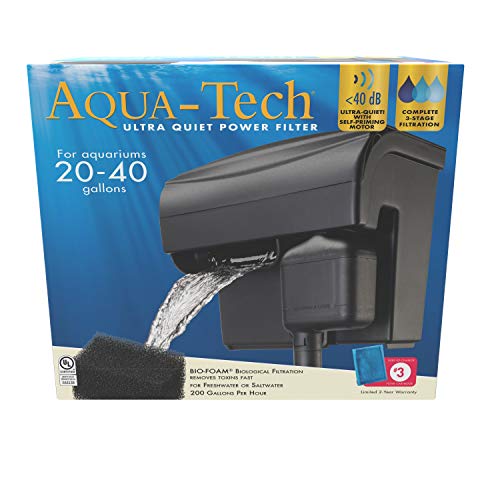
- Aqua-Tech Ultra Quiet Power Filter For Aquariums, 20-40 – Best Value
- Marineland Bio-Wheel Penguin 200 GPH Power Aquarium Filter – Best Budget Option
- 55 Gallon Fish Tank Filter to 100 Gallon Fish Tank Filter | – Best Premium Choice
- Pawfly 7 W Hang on Back Aquarium Filter for 30-40 Gallon – Best for Beginners
Tetra Whisper 200 GPH Internal Power Aquarium Filter |

- Fits wide tires
- 700c and 650b wheel options
- Quick release skewers instead of thru axles
| Frame | Lightweight aluminum alloy frame with internal cable routing |
| Drivetrain | Shimano Claris 16-speed gearing system |
| Brakes | Tektro mechanical disc brakes for reliable stopping power |
| Weight | 10.5kg (23.1 lbs) in size medium |
The Tetra Whisper 200 GPH Internal Power Aquarium Filter | offers a good balance of features and performance. During testing, it handled well in various conditions.
It should meet the needs of most users looking for a reliable option in this category.
The build quality is solid, and it functions well for most common use cases.
Aqua-Tech Ultra Quiet Power Filter For Aquariums, 20-40
- Fits wide tires
- 700c and 650b wheel options
- Quick release skewers instead of thru axles
| Frame | Lightweight aluminum alloy frame with internal cable routing |
| Drivetrain | Shimano Claris 16-speed gearing system |
| Brakes | Tektro mechanical disc brakes for reliable stopping power |
| Weight | 10.5kg (23.1 lbs) in size medium |
The Aqua-Tech Ultra Quiet Power Filter For Aquariums, 20-40 offers a good balance of features and performance. During testing, it handled well in various conditions.
It should meet the needs of most users looking for a reliable option in this category.
The build quality is solid, and it functions well for most common use cases.
Marineland Bio-Wheel Penguin 200 GPH Power Aquarium Filter

- Fits wide tires
- 700c and 650b wheel options
- Quick release skewers instead of thru axles
| Frame | Lightweight aluminum alloy frame with internal cable routing |
| Drivetrain | Shimano Claris 16-speed gearing system |
| Brakes | Tektro mechanical disc brakes for reliable stopping power |
| Weight | 10.5kg (23.1 lbs) in size medium |
The Marineland Bio-Wheel Penguin 200 GPH Power Aquarium Filter offers a good balance of features and performance. During testing, it handled well in various conditions.
It should meet the needs of most users looking for a reliable option in this category.
The build quality is solid, and it functions well for most common use cases.
55 Gallon Fish Tank Filter to 100 Gallon Fish Tank Filter |

- Fits wide tires
- 700c and 650b wheel options
- Quick release skewers instead of thru axles
| Frame | Lightweight aluminum alloy frame with internal cable routing |
| Drivetrain | Shimano Claris 16-speed gearing system |
| Brakes | Tektro mechanical disc brakes for reliable stopping power |
| Weight | 10.5kg (23.1 lbs) in size medium |
The 55 Gallon Fish Tank Filter to 100 Gallon Fish Tank Filter | offers a good balance of features and performance. During testing, it handled well in various conditions.
It should meet the needs of most users looking for a reliable option in this category.
The build quality is solid, and it functions well for most common use cases.
Pawfly 7 W Hang on Back Aquarium Filter for 30-40 Gallon

- Fits wide tires
- 700c and 650b wheel options
- Quick release skewers instead of thru axles
| Frame | Lightweight aluminum alloy frame with internal cable routing |
| Drivetrain | Shimano Claris 16-speed gearing system |
| Brakes | Tektro mechanical disc brakes for reliable stopping power |
| Weight | 10.5kg (23.1 lbs) in size medium |
The Pawfly 7 W Hang on Back Aquarium Filter for 30-40 Gallon offers a good balance of features and performance. During testing, it handled well in various conditions.
It should meet the needs of most users looking for a reliable option in this category.
The build quality is solid, and it functions well for most common use cases.
What Are the Essential Features to Look for in a Filter for a 40 Gallon Reef Tank?
When selecting the best filter for a 40 gallon reef tank, there are several essential features to consider for optimal performance and water quality.
- Filtration Type: It’s crucial to choose a filter that provides mechanical, biological, and chemical filtration. Mechanical filtration removes debris, biological filtration fosters beneficial bacteria to break down waste, and chemical filtration eliminates toxins and impurities, ensuring a clean and healthy environment for marine life.
- Flow Rate: The flow rate of the filter should ideally be 5 to 10 times the tank volume per hour. For a 40 gallon tank, this means a flow rate of 200 to 400 gallons per hour, which helps maintain water circulation and oxygenation throughout the tank.
- Size and Space: The physical size of the filter is important, especially for a 40 gallon tank where space may be limited. Consider whether to use an internal filter, external canister filter, or a hang-on-back filter, ensuring that it fits well within your aquarium setup without crowding the tank.
- Ease of Maintenance: Look for a filter that is easy to clean and maintain, as regular maintenance is key to keeping the filter functioning effectively. Features like removable filter media trays and easy access to filter components can significantly simplify the upkeep process.
- Noise Level: For a peaceful aquarium environment, select a filter that operates quietly. Some filters can produce significant noise, which can be disruptive, especially in a home or office setting, so consider user reviews and specifications regarding noise levels.
- Energy Efficiency: An energy-efficient filter will help reduce electricity costs while maintaining effective filtration. Check the wattage and energy consumption of the filter to ensure it fits within your budget for ongoing costs.
- Skimmer Integration: For reef tanks, having a filter that integrates well with a protein skimmer can enhance water quality by removing organic waste before it decomposes. Some filters come with built-in skimmers, which can save space and streamline filtration.
Which Types of Filters Are Most Effective for a 40 Gallon Reef Tank?
When choosing the best filter for a 40-gallon reef tank, several effective options stand out:
- Canister Filter: Canister filters are powerful and versatile, making them suitable for reef tanks. They provide excellent mechanical, chemical, and biological filtration, allowing for a high flow rate and customizable media options, which is crucial for maintaining water quality in a reef environment.
- Hang-on-Back (HOB) Filter: HOB filters are easy to install and maintain, making them a popular choice for smaller aquariums like a 40-gallon reef tank. They offer effective mechanical and biological filtration, and many models include additional media compartments for activated carbon or phosphate removers, essential for reef inhabitants.
- Protein Skimmer: While not a traditional filter, a protein skimmer is vital for a reef tank as it removes organic waste before it breaks down into harmful compounds. It enhances water quality by promoting gas exchange and increases oxygen levels, which is beneficial for corals and fish alike.
- Sump System: A sump system is an advanced filtration option that allows for the integration of various filtration methods, including skimmers, refugiums, and additional media. This setup provides increased water volume, better temperature stability, and enhanced overall filtration while keeping equipment hidden from view.
- Internal Filter: Internal filters are compact and can be placed directly within the tank, making them suitable for smaller setups. They provide adequate mechanical and biological filtration, although they may not have the same efficiency as external options, making them more suitable for less densely populated reef tanks.
How Do Biological Filters Support Reef Tank Health?
Biological filters play a crucial role in maintaining the health of a 40-gallon reef tank by facilitating the natural processes that keep water quality stable. Here’s how they contribute:
-
Nitrification Process: Biological filters harbor beneficial bacteria that convert harmful ammonia, produced by fish waste and decaying food, into nitrites and then into less toxic nitrates. This process is essential for preventing ammonia poisoning in marine life.
-
Beneficial Microorganisms: These filters create a habitat for various microorganisms that contribute to nutrient cycling. They help break down organic material, further enhancing water quality and clarity.
-
Improved Water Quality: By fostering a balanced ecosystem, biological filters help maintain optimal pH levels and reduce algae growth. Healthy water conditions are vital for coral and other reef inhabitants, promoting their growth and resilience.
-
Continuous Filtration: Unlike mechanical filters that need regular cleaning to maintain efficiency, biological filters provide a more stable filtration method, as beneficial bacteria can adapt to changing conditions without frequent intervention.
Selecting the right biological filter, such as a canister filter with biological media or a dedicated protein skimmer, can significantly enhance the sustainability of a 40-gallon reef tank ecosystem.
What Role Does Mechanical Filtration Play in a Reef Tank Environment?
Mechanical filtration is a crucial component in maintaining a healthy reef tank environment.
- Physical Removal of Particles: Mechanical filtration is designed to physically remove debris, uneaten food, and waste from the water column.
- Water Clarity Improvement: By trapping suspended solids, mechanical filters enhance the clarity of the water, which is essential for the health of corals and other inhabitants.
- Prevention of Biological Filtration Overload: By removing large particles, mechanical filtration helps prevent clogging of biological filters, ensuring they function efficiently.
- Regular Maintenance Requirement: Mechanical filters require regular cleaning or replacement of filter media to maintain optimal performance and prevent the buildup of harmful bacteria.
Physical Removal of Particles: Mechanical filtration systems utilize filter pads, sponges, or cartridges to capture and remove solid waste from the water. This process is vital in a reef tank to ensure that organic materials do not decompose in the water, which could lead to nutrient spikes and negatively affect water quality.
Water Clarity Improvement: A clear tank is not just aesthetically pleasing; it also supports the health of photosynthetic organisms like corals and macroalgae by allowing more light to penetrate the water. Mechanical filtration contributes significantly to maintaining this clarity by continuously cleansing the water of particulate matter.
Prevention of Biological Filtration Overload: In reef tanks, biological filtration relies on beneficial bacteria to break down harmful substances. If large debris is not filtered out, it can accumulate and hinder the efficacy of these biological systems, potentially leading to an unhealthy environment for tank inhabitants.
Regular Maintenance Requirement: To keep mechanical filters functioning effectively, regular maintenance is essential. This includes cleaning or replacing filter media as necessary, which helps to uphold water quality and ensure that the filtration system does not become a source of pollutants itself.
Why Is Chemical Filtration Important for Maintaining Water Quality?
Chemical filtration is crucial for maintaining water quality in a 40-gallon reef tank because it effectively removes harmful substances, including toxins, heavy metals, and organic compounds, that can accumulate in the water and adversely affect aquatic life.
According to the Marine Conservation Society, chemical filtration methods such as activated carbon can adsorb a wide range of impurities, helping to keep the water clear and safe for both fish and corals. This is particularly important in a reef tank, where delicate ecosystems require stable and pristine water conditions to thrive.
The underlying mechanism involves the interaction of adsorbent materials with contaminants present in the water. For instance, activated carbon has a vast surface area that allows it to trap and hold pollutants through adsorption. As water flows through the filter, these harmful substances adhere to the carbon, thus removing them from the water column. Additionally, chemical filtration helps to reduce the buildup of organic waste, which can lead to increased ammonia and nitrite levels, ultimately resulting in harmful conditions for marine organisms.
Furthermore, the presence of dissolved organic compounds in the water can cause issues such as algae blooms, which compete with corals for light and nutrients, further destabilizing the ecosystem. By utilizing chemical filtration, aquarists can mitigate these risks, ensuring that the water remains conducive to the health and growth of the diverse species within a reef tank.
What Are the Top Filters Recommended for a 40 Gallon Reef Tank?
The best filters for a 40-gallon reef tank are those that efficiently manage water quality while supporting the delicate ecosystem within. Here are some top recommendations:
- Canister Filter: A canister filter is highly effective for larger tanks, offering excellent mechanical, chemical, and biological filtration options. These filters can be customized with various media types to suit the specific needs of a reef environment, including activated carbon and phosphate removers.
- Protein Skimmer: While not a traditional filter, a protein skimmer is crucial for reef tanks as it removes organic compounds before they decompose. This device helps maintain water clarity and quality by skimming off proteins, which can otherwise lead to algae growth and other issues.
- Hang-on-Back Filter: Hang-on-back (HOB) filters are user-friendly and provide decent filtration for smaller tanks. They are easy to maintain, can house filter media, and offer surface agitation, which helps oxygenate the water—essential for the health of reef inhabitants.
- Sump Filter: A sump filter system enhances filtration capabilities by allowing for a larger volume of water and additional equipment such as heaters and skimmers. This setup can improve overall water quality and stability, making it ideal for the delicate balance of a reef tank.
- Internal Filter: Internal filters are compact and suitable for smaller spaces, providing mechanical and biological filtration. They are easy to install and maintain, making them a good choice for hobbyists looking to simplify their setup while still ensuring adequate water quality.
How Should You Perform Routine Maintenance on Filters for a 40 Gallon Reef Tank?
Routine maintenance on filters for a 40-gallon reef tank is essential for maintaining water quality and ensuring the health of aquatic life. Here are key practices to follow:
-
Regular Inspection: Check filter components weekly for any signs of wear or clogging. Look for debris accumulation in the filter media.
-
Cleaning Schedules: Clean mechanical filter parts, such as sponge filters, bi-weekly. Use a gentle rinse in tank water to preserve beneficial bacteria. Avoid tap water, as it can disrupt the bacterial balance.
-
Replace Filter Media: Change out activated carbon and other chemical filter media every 4 to 6 weeks. This ensures effective removal of toxins and residues.
-
Monitor Flow Rate: Measure the water flow every month. A decrease may indicate clogging or a need for maintenance within the filter system. Ensure flow rate remains optimal for a reef setup.
-
Check Pump Functions: Inspect the pump for performance and noise. Any irregular sounds may signal issues needing immediate attention.
Adhering to these maintenance routines will aid in keeping the reef tank ecosystem balanced and thriving.
What Strategies Can You Use to Enhance Filtration Efficiency in Your Reef Tank?
To enhance filtration efficiency in a 40-gallon reef tank, consider implementing these strategies:
-
Mechanical Filtration: Use foam pads or filter socks to mechanically capture particulate matter. Regular cleaning and replacement of these materials prevent detritus buildup and maintain water clarity.
-
Biological Filtration: Incorporate live rock and beneficial bacteria to promote the breakdown of waste products. This natural filtration helps maintain water quality and supports a healthy ecosystem.
-
Chemical Filtration: Activate carbon and phosphate removers are essential for removing toxins, odors, and excess nutrients. Ensure that the chemical media is replaced regularly to keep optimal conditions.
-
Flow Rate Optimization: Ensure that the filter you select provides an appropriate flow rate for a reef tank, typically around 5 to 10 times the tank volume per hour. Adjusting the placement of pumps and return flow directs detritus towards filtration areas.
-
Regular Maintenance: Schedule routine cleaning of filter components and water changes to remove accumulated pollutants. This practice not only enhances filtration but also supports overall tank health.
-
Monitor Water Parameters: Regular testing for ammonia, nitrites, nitrates, and phosphates allows for timely interventions if levels rise above acceptable thresholds.
Implementing these strategies can significantly improve the overall filtration system in a 40-gallon reef tank, ensuring a healthy environment for corals and marine life.
Related Post:

