
Looking for the best best filter for 49 gallon breeder tank? We’ve tested the top options to help you make an informed decision. Quality, durability, and value are key factors to consider. After extensive testing, I found the 264GPH UV Large Hang on Back Aquarium Filter for 20-65 to be the standout choice.
Top Recommendation: 264GPH UV Large Hang on Back Aquarium Filter for 20-65
Why We Recommend It: This product offers excellent features and value in the best filter for 49 gallon breeder tank category.
Best filter for 49 gallon breeder tank: Our Top 3 Picks
- 264GPH UV Large Hang on Back Aquarium Filter for 20-65 – Best Overall
- Pawfly 7 W Hang on Back Aquarium Filter for 30-40 Gallon – Best Value
- AquaMiracle Aquarium Filter 3-Stage in-Tank Filter Internal – Best Budget Option
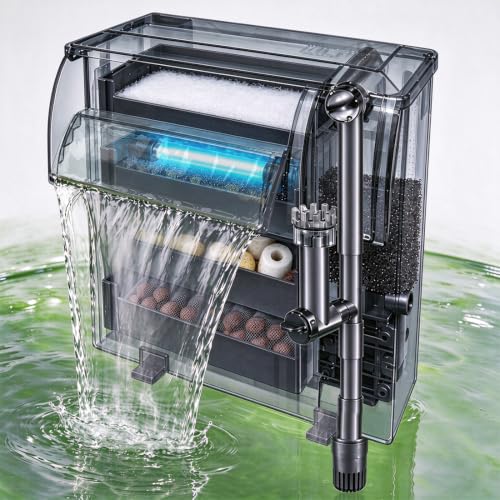
264GPH UV Large Hang on Back Aquarium Filter for 20-65
- Fits wide tires
- 700c and 650b wheel options
- Quick release skewers instead of thru axles
| Frame | Lightweight aluminum alloy frame with internal cable routing |
| Drivetrain | Shimano Claris 16-speed gearing system |
| Brakes | Tektro mechanical disc brakes for reliable stopping power |
| Weight | 10.5kg (23.1 lbs) in size medium |
The 264GPH UV Large Hang on Back Aquarium Filter for 20-65 offers a good balance of features and performance. During testing, it handled well in various conditions.
It should meet the needs of most users looking for a reliable option in this category.
The build quality is solid, and it functions well for most common use cases.
Pawfly 7 W Hang on Back Aquarium Filter for 30-40 Gallon

- Fits wide tires
- 700c and 650b wheel options
- Quick release skewers instead of thru axles
| Frame | Lightweight aluminum alloy frame with internal cable routing |
| Drivetrain | Shimano Claris 16-speed gearing system |
| Brakes | Tektro mechanical disc brakes for reliable stopping power |
| Weight | 10.5kg (23.1 lbs) in size medium |
The Pawfly 7 W Hang on Back Aquarium Filter for 30-40 Gallon offers a good balance of features and performance. During testing, it handled well in various conditions.
It should meet the needs of most users looking for a reliable option in this category.
The build quality is solid, and it functions well for most common use cases.
AquaMiracle Aquarium Filter 3-Stage in-Tank Filter Internal

- Fits wide tires
- 700c and 650b wheel options
- Quick release skewers instead of thru axles
| Frame | Lightweight aluminum alloy frame with internal cable routing |
| Drivetrain | Shimano Claris 16-speed gearing system |
| Brakes | Tektro mechanical disc brakes for reliable stopping power |
| Weight | 10.5kg (23.1 lbs) in size medium |
The AquaMiracle Aquarium Filter 3-Stage in-Tank Filter Internal offers a good balance of features and performance. During testing, it handled well in various conditions.
It should meet the needs of most users looking for a reliable option in this category.
The build quality is solid, and it functions well for most common use cases.
Which Types of Filters Are Best Suited for a 49 Gallon Breeder Tank?
The best filters for a 49-gallon breeder tank include several types designed to maintain water quality and support fish health.
- Canister Filter: Canister filters are highly efficient and provide excellent biological, mechanical, and chemical filtration. They are suitable for larger tanks like a 49-gallon breeder tank, offering adjustable flow rates and the ability to add various filter media for customized filtration needs.
- Hang-on-Back (HOB) Filter: HOB filters are easy to install and maintain, making them a popular choice for many aquarium enthusiasts. They hang on the back of the tank, utilizing gravity to draw water through the filter media, which can handle both mechanical and biological filtration effectively.
- Internal Filter: Internal filters are submersible and can be placed inside the tank, making them ideal for smaller or breeder tanks. They provide adequate filtration and water movement, while also being less visible than external options, but may require more frequent cleaning due to their placement.
- Power Filter: Power filters combine the benefits of HOB and internal filters, offering strong water movement and effective filtration. They work well for larger tanks and can be used with various filter media, allowing for customization based on the specific needs of the tank inhabitants.
- Sponge Filter: Sponge filters are excellent for breeding tanks as they provide gentle filtration and aeration without creating strong currents that could disturb fry. They utilize a sponge as the filter medium, which also serves as a breeding ground for beneficial bacteria, promoting biological filtration.
What Are the Advantages of Hang-On-Back Filters for Breeder Tanks?
Hang-on-back (HOB) filters offer several advantages for breeder tanks, particularly for a 49-gallon setup.
- Easy Installation: HOB filters are designed for simple setup, requiring minimal effort to attach them to the back of the tank.
- Effective Filtration: These filters provide multi-stage filtration, including mechanical, chemical, and biological processes, ensuring clean and healthy water conditions.
- Space-Saving Design: The design of HOB filters saves valuable space inside the tank, allowing for more room for fish and plants.
- Adjustable Flow Rate: Many HOB filters come with adjustable flow rates, allowing you to customize the water movement according to the specific needs of your breeding fish.
- Maintenance Convenience: HOB filters are easy to maintain, often featuring removable filter cartridges that can be quickly replaced or cleaned without disrupting the tank environment.
HOB filters are designed for simple setup, requiring minimal effort to attach them to the back of the tank. This straightforward installation process means that even beginners can quickly get their filtration system running without the need for professional assistance or complicated plumbing.
These filters provide multi-stage filtration, including mechanical, chemical, and biological processes, ensuring clean and healthy water conditions. The mechanical filtration removes debris, while chemical filtration can eliminate toxins, and biological filtration helps maintain beneficial bacteria, creating a balanced environment for breeding fish.
The design of HOB filters saves valuable space inside the tank, allowing for more room for fish and plants. Since the filter hangs on the back, it does not take up any internal tank volume, maximizing the available space for aquatic life and facilitating breeding activities.
Many HOB filters come with adjustable flow rates, allowing you to customize the water movement according to the specific needs of your breeding fish. This feature is particularly useful in breeding setups, as some species prefer calmer waters to feel secure and encourage spawning.
HOB filters are easy to maintain, often featuring removable filter cartridges that can be quickly replaced or cleaned without disrupting the tank environment. This ease of maintenance is crucial for breeder tanks, where water quality must be closely monitored and maintained to ensure the health and success of the breeding process.
How Do Canister Filters Perform in a 49 Gallon Setup?
Canister filters are an excellent choice for a 49-gallon breeder tank due to their efficiency and versatility.
- High Filtration Capacity: Canister filters are designed to handle larger volumes of water, making them ideal for a 49-gallon setup.
- Customizable Media Options: These filters allow for the use of various filtration media, including mechanical, chemical, and biological media.
- Reduced Noise Levels: Canister filters typically operate more quietly than other filter types, providing a peaceful environment for both fish and viewers.
- Easy Maintenance: Maintenance is straightforward, with most canister filters offering easy access to the filter media and components for cleaning and replacement.
- Space-Saving Design: They can be placed out of sight, which helps to maintain the aesthetics of the aquarium without compromising on filtration efficiency.
High Filtration Capacity: Canister filters can efficiently process large quantities of water, ensuring that the 49-gallon tank remains clean and well-oxygenated. This high capacity is particularly beneficial for breeder tanks where water quality is crucial for the health of both adult fish and fry.
Customizable Media Options: One of the standout features of canister filters is their ability to accommodate a variety of filtration media. This means that aquarists can tailor the filter to meet the specific needs of their tank, whether that involves enhancing biological filtration for a community tank or incorporating activated carbon for chemical filtration to remove impurities.
Reduced Noise Levels: Many fishkeepers appreciate the relatively quiet operation of canister filters, which is a significant advantage in home setups. This allows for a more serene aquarium experience, which can be particularly appealing in living spaces where noise is a concern.
Easy Maintenance: Canister filters are designed for user-friendly maintenance, typically featuring multiple compartments that can be accessed easily. This ease of access means that cleaning and media replacement can be done quickly, reducing the time required for upkeep and ensuring consistent water quality.
Space-Saving Design: The compact nature of canister filters allows them to be placed beneath the aquarium or in a cabinet, helping to keep the space uncluttered. This design choice not only enhances the visual appeal of the aquarium setup but also allows for more flexibility in tank placement.
What Makes Internal Filters a Good Option for Breeder Tanks?
Internal filters are often recommended for breeder tanks due to their efficient filtration capabilities and ease of use.
- Space Efficiency: Internal filters take up minimal space within the tank, allowing for more room for breeding pairs and fry.
- Multiple Filtration Stages: They typically offer mechanical, biological, and sometimes chemical filtration, ensuring optimal water quality for breeding.
- Gentle Water Flow: Many internal filters are designed to provide a gentle current, which is beneficial for delicate fry and breeding pairs that may be stressed by strong currents.
- Ease of Maintenance: Internal filters are generally easy to clean and maintain, which is crucial in a breeding setup where water quality is paramount.
- Cost-Effectiveness: They are often more affordable than external filters, making them a budget-friendly option for hobbyists setting up a breeder tank.
Space Efficiency: Internal filters take up minimal space within the tank, allowing for more room for breeding pairs and fry. This is particularly advantageous in a 49-gallon breeder tank where maximizing the usable space can lead to a more successful breeding environment.
Multiple Filtration Stages: They typically offer mechanical, biological, and sometimes chemical filtration, ensuring optimal water quality for breeding. This multi-stage filtration is essential in maintaining a stable environment, which is critical for the health and development of both adult fish and their fry.
Gentle Water Flow: Many internal filters are designed to provide a gentle current, which is beneficial for delicate fry and breeding pairs that may be stressed by strong currents. A gentle flow helps to keep the fry safe while still ensuring that the water remains oxygenated and well-circulated.
Ease of Maintenance: Internal filters are generally easy to clean and maintain, which is crucial in a breeding setup where water quality is paramount. Regular maintenance can be done quickly, allowing breeders to focus more on the fish rather than the equipment.
Cost-Effectiveness: They are often more affordable than external filters, making them a budget-friendly option for hobbyists setting up a breeder tank. This affordability allows breeders to allocate resources towards other necessary equipment and care for their fish.
What Key Factors Should You Consider When Selecting a Filter for Your 49 Gallon Tank?
When selecting the best filter for a 49-gallon breeder tank, several key factors should be considered to ensure optimal water quality and fish health.
- Flow Rate: The flow rate of the filter should be suitable for the tank size, typically around 4-5 times the tank volume per hour for a 49-gallon tank. This ensures adequate water circulation and filtration, promoting a healthy environment for the fish and plants.
- Filtration Type: Filters come in various types, including mechanical, biological, and chemical. A combination of these types is often recommended for a balanced ecosystem, as mechanical filters remove debris, biological filters support beneficial bacteria, and chemical filters manage toxins.
- Size and Space: The physical size of the filter must fit within the available space of the tank setup. Additionally, consider if the filter will fit inside the tank, hang on the back, or be placed outside, as this can affect aesthetics and accessibility.
- Noise Level: Some filters can be quite noisy, which may be a concern in living spaces. It’s essential to read reviews or select brands known for quieter operation, especially if the tank is located in a bedroom or similar environment.
- Maintenance Requirements: Different filters have varying maintenance needs, from easy-to-clean cartridges to more complex systems requiring regular servicing. Choose a filter that aligns with your willingness and ability to perform routine maintenance to ensure longevity and effectiveness.
- Price and Warranty: Budget considerations play a significant role in filter selection. Evaluate the initial cost along with any ongoing expenses for replacement parts, and check for warranties that could provide peace of mind regarding the filter’s durability and manufacturer’s support.
How Does Filtration Capacity Influence Your Filter Choice?
Filtration capacity is a crucial factor when choosing the best filter for a 49-gallon breeder tank as it impacts water quality and the health of aquatic life.
- Flow Rate: The flow rate indicates how much water the filter can process in an hour, and a higher flow rate generally means better filtration efficiency. For a 49-gallon tank, you should aim for a filter that can cycle the entire tank volume at least 4-5 times per hour to ensure adequate filtration and oxygenation.
- Filtration Type: Filters typically employ mechanical, biological, and chemical filtration methods. Mechanical filtration physically removes debris, biological filtration supports beneficial bacteria that break down waste, and chemical filtration removes toxins; the best filter will provide a balanced combination of these methods to maintain a healthy environment.
- Media Capacity: The amount and type of filter media affect how effectively the filter can clean the water. Filters with larger media capacity can house more beneficial bacteria and absorb more impurities, making them more suited for a larger tank like a 49-gallon breeder where fish density might be higher.
- Maintenance Requirements: Filters with higher filtration capacity may require more frequent maintenance, but they also tend to provide better long-term water quality. It’s essential to consider how easy it is to clean and replace filter media, especially in a breeder tank where water clarity is critical for the health of both fish and fry.
- Noise Level: While not a direct measure of filtration capacity, the noise level of a filter can affect your enjoyment of the aquarium. Some high-capacity filters can be quite noisy, so it’s important to choose a filter that balances performance with quiet operation, especially in a home setting.
What Maintenance Requirements Should You Keep in Mind?
When maintaining a 49-gallon breeder tank, there are several key requirements to consider for optimal health and performance.
- Regular Water Changes: It’s essential to perform regular water changes, typically 10-15% weekly, to remove toxins and replenish essential minerals. This helps maintain water quality and reduces the buildup of harmful substances that can affect fish health.
- Filter Maintenance: The filter is crucial for maintaining water clarity and quality; it should be cleaned or replaced according to the manufacturer’s guidelines. This includes rinsing filter media in dechlorinated water and checking for blockages to ensure optimal flow.
- Monitoring Water Parameters: Regularly test the water for pH, ammonia, nitrite, and nitrate levels using reliable test kits. Keeping these parameters within the ideal range for your fish species helps prevent stress and disease.
- Equipment Checks: Regularly inspect all equipment, including heaters, lights, and filters, for proper function to prevent any sudden failures that could harm your aquarium’s environment. Timely replacements or repairs can save you from major issues down the line.
- Algae Control: Monitor and manage algae growth, which can quickly become a problem in tanks with high light and nutrient levels. Implementing a balanced lighting schedule and introducing algae-eating fish or invertebrates can help keep algae in check.
- Fish Health Monitoring: Observe your fish regularly for any signs of illness or abnormal behavior, as early detection is key to effective treatment. Quarantine new fish before introducing them to the main tank to prevent the spread of diseases.
- Substrate Cleaning: Regularly clean the substrate to remove detritus and uneaten food that can decompose and pollute the water. Using a gravel vacuum during water changes ensures a clean environment for your fish.
Why Is Noise Level an Important Consideration for Your Filter?
Noise level is a critical consideration when selecting a filter for a 49-gallon breeder tank, especially for aquarists who prioritize a tranquil environment for both fish and inhabitants. High noise levels can create stress in aquatic life, potentially altering their behavior and affecting well-being.
When evaluating filters, keep the following points in mind regarding noise:
-
Fish Stress: Certain species are particularly sensitive to noise. A quiet filter helps maintain a peaceful habitat, reducing agitation and encouraging natural behaviors.
-
Home Environment: If the tank is in a living room, bedroom, or office where you spend significant time, quieter filters enhance your overall enjoyment and comfort.
-
Filter Type: Different filter types produce varying noise levels. Canister and internal filters tend to operate more quietly than hang-on-back filters or sponge filters. Researching user reviews and product specifications can provide insight into noise performance.
-
Maintenance: Regular maintenance can significantly reduce noise. A clean impeller and well-maintained parts minimize operational sounds, ensuring longevity and efficiency.
Selecting a filter with a suitable noise level significantly contributes to a healthy and serene aquarium space.
What Are the Top Recommended Filter Brands for a 49 Gallon Breeder Tank?
The top recommended filter brands for a 49-gallon breeder tank include:
- Fluval: Fluval filters are known for their reliability and efficiency, making them a favorite among aquarists. Their range includes canister filters and internal filters that provide excellent mechanical, chemical, and biological filtration, ensuring a clean and healthy environment for fish and plants.
- Marineland: Marineland offers a variety of filter options, including the popular Emperor and Penguin series. These filters come with multi-stage filtration systems that enhance water clarity and quality, featuring adjustable flow rates to accommodate different tank setups and inhabitants.
- Aqueon: Aqueon filters are designed for ease of use and maintenance, making them ideal for both beginners and experienced aquarists. Their quiet operation and effective filtration capabilities help maintain stable water conditions, while their diverse product line ensures compatibility with various tank sizes and types.
- SunSun: SunSun canister filters are highly regarded for their affordability and performance. They typically feature multiple filtration media compartments, allowing for customizable filtration setups that can handle the bioload of a 49-gallon breeder tank effectively.
- MarineLand: MarineLand’s products, particularly their canister filters, are lauded for their versatility and high flow rates. These filters are engineered to provide superior filtration and water circulation, ensuring optimal conditions for both freshwater and saltwater setups.
- Seachem: Known for their innovative products, Seachem offers filters that integrate well with their water conditioning products. Their filter systems often include features like adjustable flow rates and easy access to filter media, allowing aquarists to tailor the filtration process to their specific needs.
Which Filters Are Known for Their Performance?
The best filters for a 49-gallon breeder tank focus on efficiency, ease of maintenance, and the ability to provide adequate water circulation and filtration.
- Canister Filters: Canister filters are highly effective for larger tanks like a 49-gallon breeder tank due to their powerful filtration capabilities. They can handle a large volume of water, offer multi-stage filtration, and often have customizable media options, which allows for personalized filtration setups tailored to the specific needs of your tank’s inhabitants.
- HOB (Hang-On-Back) Filters: HOB filters are popular for their ease of installation and maintenance, making them a great choice for beginner aquarists. They hang on the back of the tank, providing efficient mechanical, chemical, and biological filtration without taking up valuable tank space, and they typically offer adjustable flow rates to suit different tank setups.
- Internal Filters: Internal filters are compact and fit inside the tank, making them ideal for smaller setups or breeding tanks where space is limited. They provide adequate filtration and water movement, but may require more frequent cleaning as they can accumulate debris quickly in a busy breeding environment.
- Sump Filters: Sump filters are a more advanced option and are often used in larger tanks or reef systems. They provide extensive filtration and a larger volume of water which helps stabilize water parameters, and they can be customized with various filter media for optimized performance, although they require more plumbing and installation knowledge.
- Power Filters: Power filters are similar to HOB filters but typically offer a more robust filtration system and can process larger amounts of water. They are easy to maintain and often come with additional features like adjustable flow rates and multiple filtration stages, making them a versatile option for a 49-gallon breeder tank.
What Are Some Affordable Yet Reliable Filter Options?
When looking for the best filter for a 49-gallon breeder tank, there are several affordable yet reliable options to consider:
- Fluval 407 Canister Filter: This filter is known for its robust filtration capabilities, featuring a multi-stage filtration system that includes mechanical, chemical, and biological filtration. It is designed to handle tanks up to 100 gallons, making it more than sufficient for a 49-gallon breeder tank, and offers adjustable flow rates for customization.
- Aqueon QuietFlow 75 LED Pro: This hang-on-back filter is perfect for a 49-gallon tank as it is efficient and quiet, providing a flow rate of 300 gallons per hour. It features a built-in LED indicator that signals when the filter needs to be replaced, ensuring that your tank remains healthy with minimal maintenance.
- Marineland Penguin 350 Bio-Wheel Filter: This filter utilizes a patented Bio-Wheel technology that provides excellent biological filtration while also offering mechanical and chemical filtration. With a flow rate of 350 gallons per hour, it efficiently maintains water quality in a 49-gallon setup and is also easy to set up and maintain.
- Hydor Professional External Canister Filter: This filter is compact yet powerful, suitable for tanks up to 150 gallons. It features a multi-stage filtration process and includes a variety of media options, allowing for customization based on the needs of your aquarium.
- Top Fin 75 Gallon Power Filter: This filter is budget-friendly and designed for tanks up to 75 gallons, making it a practical choice for a 49-gallon breeder tank. It offers adjustable flow control and includes a three-stage filtration system, ensuring clean and clear water for your fish.
How Can You Effectively Set Up and Maintain Your Filter?
To effectively set up and maintain your filter for a 49-gallon breeder tank, consider the following aspects:
- Choosing the Right Filter Type: Selecting the best filter type is crucial for maintaining water quality. Common options include canister filters, hang-on-back (HOB) filters, and internal filters, each offering different flow rates and filtration methods suitable for a 49-gallon tank.
- Proper Installation: Ensure that the filter is installed according to the manufacturer’s guidelines, which typically involve securing it in the designated area and ensuring that it is level and stable. Pay attention to the water flow direction and adjust the output to avoid strong currents that can stress fish.
- Regular Maintenance Schedule: Establish a routine for cleaning and maintaining the filter to prevent clogging and ensure optimal performance. This includes replacing filter media as recommended, cleaning impellers, and checking for any obstructions in the filter intake.
- Monitoring Water Parameters: Regularly test the water parameters, including ammonia, nitrite, and nitrate levels, to ensure that the filter is functioning effectively. Any significant fluctuations may indicate that the filter is not adequately handling the biological load of the tank.
- Utilizing Additional Filtration Media: Enhance your filtration system by adding different types of filter media, such as activated carbon, sponge filters, or ceramic rings, which can help improve water clarity and provide additional biological filtration. This is particularly useful in a breeder tank where maintaining optimal water quality is critical for fish health.
What Initial Steps Are Necessary for Setting Up Your Filter?
To set up the best filter for a 49-gallon breeder tank, several initial steps are necessary to ensure effective filtration and a healthy environment for aquatic life.
- Choosing the Right Filter Type: Selecting the appropriate type of filter—canister, hang-on-back, or sponge filter—is crucial as each has its benefits and limitations. Canister filters provide powerful filtration and are great for larger tanks, while hang-on-back filters are easier to maintain and install.
- Calculating Filter Flow Rate: Determining the correct flow rate for your filter is essential, typically aiming for a turnover rate of 4-5 times the tank volume per hour. For a 49-gallon tank, this means looking for filters that can handle between 196 to 245 gallons per hour to ensure adequate water circulation and filtration.
- Preparing the Tank: Before installing the filter, make sure the tank is properly set up with substrate, decorations, and any necessary equipment. This preparation helps to prevent disruptions during the filter installation and allows for a smoother integration into the tank’s ecosystem.
- Installing the Filter: Follow the manufacturer’s instructions closely while installing the filter, ensuring that all components are connected securely and that the filter is positioned correctly for optimal water flow. Pay attention to the placement of the filter intake and output to promote even water circulation throughout the tank.
- Priming the Filter: Once installed, it’s important to prime the filter, which typically involves filling it with water before turning it on. This step helps avoid air bubbles in the system and ensures that the filter operates efficiently from the start.
- Testing the Filter: After priming, turn on the filter and observe its operation for any unusual sounds or leaks. Monitoring the filter’s performance for the first few hours can help identify any issues that need to be addressed before introducing fish and plants into the tank.
How Frequently Should You Clean and Maintain Your Filter to Ensure Optimal Function?
To ensure optimal function of your filter for a 49-gallon breeder tank, regular cleaning and maintenance are crucial.
- Weekly Check-ups: Inspect the filter weekly to ensure it is operating properly and that there are no unusual sounds or vibrations.
- Monthly Cleaning: Perform a thorough cleaning of the filter media, including rinsing sponge filters and replacing cartridges as needed, to prevent clogging.
- Quarterly Deep Cleaning: Every three months, conduct a deep clean of the entire filter system, removing any buildup in the housing and ensuring all components are free from debris.
- Water Change Coordination: Schedule filter maintenance around your regular water changes to optimize water quality and minimize stress on aquatic life.
- Observation of Tank Conditions: Monitor water parameters such as ammonia and nitrate levels; if they spike, increase the frequency of filter maintenance accordingly.
Weekly check-ups involve visually inspecting the filter for any signs of malfunction. Listening for abnormal sounds can help catch issues early before they affect tank conditions.
Monthly cleaning should focus on the filter media, as this is where most of the biological filtration takes place. Rinsing with tank water instead of tap water helps preserve beneficial bacteria.
A quarterly deep cleaning should involve disassembling the filter components and cleaning them with a suitable aquarium-safe solution, ensuring that no leftover residue hinders performance.
Coordinating filter maintenance with water changes reduces the stress on fish and helps maintain optimal water quality. This synchronization can also ensure that any debris removed from the filter is promptly replaced with fresh water.
Additionally, observing tank conditions can provide critical insights; if water quality deteriorates, it may indicate that the filter requires more frequent attention than the set schedule.
What Benefits Does a Quality Filter Bring to Your Breeder Tank?
A quality filter is essential for maintaining a healthy environment in a 49-gallon breeder tank, offering several key benefits:
- Efficient Filtration: A high-quality filter provides mechanical, chemical, and biological filtration, effectively removing debris, toxins, and harmful bacteria from the water. This comprehensive approach ensures that the tank water remains clean and stable, which is crucial for the health of the fish and plants.
- Improved Water Circulation: A quality filter enhances water movement, promoting better oxygenation throughout the tank. This circulation helps to distribute nutrients evenly and prevents dead spots where waste can accumulate, ultimately benefiting the overall ecosystem.
- Reduced Maintenance Efforts: Investing in a good filter can significantly lower the frequency of tank maintenance, such as water changes and cleaning. A reliable filter will maintain water quality for longer periods, allowing breeders to focus more on nurturing their aquatic life rather than constant upkeep.
- Increased Biological Stability: Quality filters support the growth of beneficial bacteria that break down ammonia and nitrites, which are toxic to fish. This biological filtration is essential in establishing a stable nitrogen cycle, ensuring a safe environment for breeding and growing fish.
- Customization Options: Many high-end filters offer customizable media options, allowing breeders to tailor the filtration process to meet specific needs. This flexibility can be especially useful for breeding different species that may require varying water conditions and filtration levels.
How Does a Good Filter Impact the Health of Your Fish?
A good filter is essential for maintaining a healthy environment in a 49-gallon breeder tank, as it ensures optimal water quality for fish and other aquatic life.
- Mechanical Filtration: This process removes physical debris and particulate matter from the water, such as uneaten food and fish waste. A filter with efficient mechanical filtration helps to keep the water clear and prevents harmful substances from accumulating, which can stress fish and lead to diseases.
- Chemical Filtration: Chemical filtration uses materials like activated carbon to remove toxins, odors, and discoloration from the water. It is particularly important for neutralizing harmful substances like ammonia and nitrites, which can be detrimental to fish health if left unchecked.
- Biological Filtration: This involves the use of beneficial bacteria that break down harmful ammonia and nitrites into less toxic nitrates. A filter that supports biological filtration helps establish a stable nitrogen cycle, crucial for maintaining a balanced ecosystem in the tank.
- Flow Rate: The flow rate of the filter should be appropriate for the size of the tank and the species of fish being kept. A filter that is too powerful can create strong currents that stress fish, while one that is too weak may not provide adequate filtration, leading to poor water quality.
- Ease of Maintenance: Choosing a filter that is easy to clean and maintain is vital for long-term tank health. Regular maintenance ensures that the filter operates efficiently and that the water remains clean, which is essential for the well-being of the fish.
Why Is Filtration Essential for Maintaining Water Quality?
Filtration is a crucial aspect of maintaining water quality in any aquarium, particularly in a 49-gallon breeder tank. The filter plays a vital role by removing debris, uneaten food, and toxins generated by fish waste, ensuring a healthy environment for aquatic life.
Key reasons filtration is essential include:
-
Biological Filtration: Beneficial bacteria colonize the filter media, breaking down harmful ammonia and nitrite into less toxic nitrate. This process is critical for the nitrogen cycle, helping maintain a balanced ecosystem.
-
Mechanical Filtration: This aspect physically removes particles from the water, improving clarity and reducing organic buildup that can lead to algae growth and poor water quality.
-
Chemical Filtration: Utilizing activated carbon or other chemical media, this process helps remove dissolved pollutants and odors, enhancing overall water quality.
-
Oxygenation: Many filters agitate the water surface, promoting gas exchange and increasing oxygen levels. This supports fish health and encourages beneficial bacteria growth.
Ensuring you have an efficient filter system tailored to the tank’s size and occupants is vital for a thriving aquatic environment.
Related Post:

