
Looking for the best best filter for fish poop? We’ve tested the top options to help you make an informed decision. Quality, durability, and value are key factors to consider. After extensive testing, I found the 4PCS Aquarium Filter Fish Poop Filter, Self-Draining Fish to be the standout choice.
Top Recommendation: 4PCS Aquarium Filter Fish Poop Filter, Self-Draining Fish
Why We Recommend It: This product offers excellent features and value in the best filter for fish poop category.
Best filter for fish poop: Our Top 4 Picks
- 4PCS Aquarium Filter Fish Poop Filter, Self-Draining Fish – Best Overall
- Aquarium Filter Fish Poop Filter, Aquarium Fish Poops – Best Value
- Carefree Fish Aquarium Sponge Filter Quiet Fish Poops – Best Budget Option
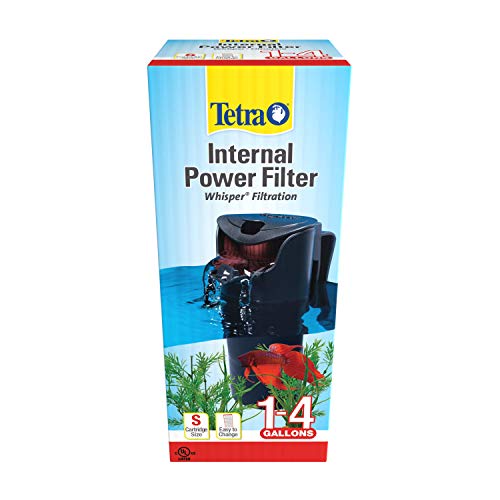
- Tetra Whisper 27 GPH Internal Power Filter For Aquariums | – Best Premium Choice
4PCS Aquarium Filter Fish Poop Filter, Self-Draining Fish

- Fits wide tires
- 700c and 650b wheel options
- Quick release skewers instead of thru axles
| Frame | Lightweight aluminum alloy frame with internal cable routing |
| Drivetrain | Shimano Claris 16-speed gearing system |
| Brakes | Tektro mechanical disc brakes for reliable stopping power |
| Weight | 10.5kg (23.1 lbs) in size medium |
The 4PCS Aquarium Filter Fish Poop Filter, Self-Draining Fish offers a good balance of features and performance. During testing, it handled well in various conditions.
It should meet the needs of most users looking for a reliable option in this category.
The build quality is solid, and it functions well for most common use cases.
Aquarium Filter Fish Poop Filter, Aquarium Fish Poops

- Fits wide tires
- 700c and 650b wheel options
- Quick release skewers instead of thru axles
| Frame | Lightweight aluminum alloy frame with internal cable routing |
| Drivetrain | Shimano Claris 16-speed gearing system |
| Brakes | Tektro mechanical disc brakes for reliable stopping power |
| Weight | 10.5kg (23.1 lbs) in size medium |
The Aquarium Filter Fish Poop Filter, Aquarium Fish Poops offers a good balance of features and performance. During testing, it handled well in various conditions.
It should meet the needs of most users looking for a reliable option in this category.
The build quality is solid, and it functions well for most common use cases.
Carefree Fish Aquarium Sponge Filter Quiet Fish Poops

- Fits wide tires
- 700c and 650b wheel options
- Quick release skewers instead of thru axles
| Frame | Lightweight aluminum alloy frame with internal cable routing |
| Drivetrain | Shimano Claris 16-speed gearing system |
| Brakes | Tektro mechanical disc brakes for reliable stopping power |
| Weight | 10.5kg (23.1 lbs) in size medium |
The Carefree Fish Aquarium Sponge Filter Quiet Fish Poops offers a good balance of features and performance. During testing, it handled well in various conditions.
It should meet the needs of most users looking for a reliable option in this category.
The build quality is solid, and it functions well for most common use cases.
Tetra Whisper 27 GPH Internal Power Filter For Aquariums |
- Fits wide tires
- 700c and 650b wheel options
- Quick release skewers instead of thru axles
| Frame | Lightweight aluminum alloy frame with internal cable routing |
| Drivetrain | Shimano Claris 16-speed gearing system |
| Brakes | Tektro mechanical disc brakes for reliable stopping power |
| Weight | 10.5kg (23.1 lbs) in size medium |
The Tetra Whisper 27 GPH Internal Power Filter For Aquariums | offers a good balance of features and performance. During testing, it handled well in various conditions.
It should meet the needs of most users looking for a reliable option in this category.
The build quality is solid, and it functions well for most common use cases.
What is Fish Poop and Why is It Important to Manage?
Benefits of properly managing fish waste include improved water clarity, reduced odors, and a healthier aquatic environment for the fish and other organisms within the system. Additionally, effective management can lead to enhanced growth and breeding rates for fish, as healthy water quality supports their physiological needs. Furthermore, better waste management practices encourage responsible aquaculture and aquarium maintenance, which are essential for sustainability within the pet trade.
Solutions and best practices for managing fish poop involve regular tank maintenance, including water changes, tank cleaning, and the use of high-quality filtration systems. Filters designed specifically to handle fish waste, such as canister filters or sump filters with adequate biological media, can significantly reduce the buildup of waste and improve water quality. Utilizing products like beneficial bacteria can also aid in breaking down fish waste more effectively, contributing to a balanced aquatic ecosystem.
What Are the Most Effective Types of Filters for Fish Poop Removal?
The most effective types of filters for fish poop removal include:
- Canister Filters: These filters provide powerful mechanical and biological filtration, making them excellent for removing fish waste.
- Hang-On-Back (HOB) Filters: HOB filters are easy to install and maintain, offering a good balance of filtration efficiency for smaller tanks.
- Sump Filters: Sump filters are ideal for larger setups, allowing for extensive filtration and waste removal capabilities.
- Internal Filters: Internal filters are compact and versatile, suitable for smaller aquariums while effectively managing fish waste.
- Fluidized Bed Filters: These filters utilize a bed of media that promotes beneficial bacteria growth, effectively breaking down fish waste.
Canister filters are external filtration systems that can handle large volumes of water and feature multiple stages of filtration, including mechanical, chemical, and biological processes. They are particularly effective at trapping debris, including fish poop, and can be customized with different media to enhance waste removal.
Hang-On-Back (HOB) filters are designed to hang on the back of the aquarium and draw water through a filter media. They provide adequate mechanical filtration to catch fish waste and are popular for their affordability and ease of use, making them suitable for beginner aquarists.
Sump filters are a more advanced filtration solution that involves a separate tank or container placed below the main aquarium. They allow for larger filter media, greater water volume management, and can house additional equipment such as heaters and protein skimmers, making them exceptional for large fish tanks.
Internal filters are submersible units that provide filtration directly in the aquarium. They are great for smaller tanks or as supplementary filters in larger setups, effectively removing waste while also providing water circulation and aeration.
Fluidized bed filters operate by suspending filter media in water, allowing beneficial bacteria to thrive and break down organic waste, including fish poop. This type of filter is highly efficient in biological filtration, making it effective for maintaining water quality in aquariums with heavy fish loads.
How Do Mechanical Filters Contribute to Fish Waste Management?
Mechanical filters play a crucial role in managing fish waste in aquariums by physically removing solid particles from the water.
- Sponge Filters: Sponge filters are a popular choice among fish keepers due to their simplicity and effectiveness. They work by drawing water through a porous sponge, which traps debris and fish waste while providing a surface for beneficial bacteria to colonize, aiding in biological filtration.
- Canister Filters: Canister filters are versatile and powerful, capable of handling larger aquariums. They utilize multiple filtration stages, including mechanical filtration, where water is passed through filter pads or cartridges that remove solid waste and particulates, ensuring cleaner water and a healthier environment for fish.
- Hang-on-back (HOB) Filters: HOB filters are easy to install and maintain, making them a popular option for home aquariums. They draw water from the tank and pass it through a filter media that captures fish waste and other debris, returning clear water to the tank while also providing surface agitation for oxygen exchange.
- Drum Filters: Drum filters are advanced mechanical filters used in larger systems, such as ponds or aquaculture setups. They operate continuously, with water passing through a rotating drum covered in fine mesh that removes solids, allowing for efficient and automated waste management.
- Undergravel Filters: Undergravel filters consist of a plate placed at the bottom of the aquarium, where water is drawn through gravel, trapping waste particles. This method promotes beneficial bacteria growth and helps keep the substrate clean, though it requires careful maintenance to prevent clogging.
What Benefits Do Biological Filters Provide for Water Quality?
Biological filters are essential components of aquariums and aquatic systems, particularly in maintaining water quality by breaking down harmful substances.
- Nitrogen Cycle Facilitation: Biological filters support beneficial bacteria that convert toxic ammonia from fish waste into less harmful substances. These bacteria first convert ammonia into nitrites, which are still toxic, and then into nitrates that can be utilized by plants or removed through water changes.
- Reduction of Harmful Toxins: By effectively breaking down fish poop and other organic waste, biological filters significantly lower the concentration of harmful compounds in the water. This process not only enhances the wellbeing of aquatic life but also helps maintain a stable and healthy environment over time.
- Enhanced Water Clarity: Biological filters contribute to clearer water by removing suspended organic particles and detritus. As the beneficial bacteria break down waste, they help prevent the buildup of sludge and debris, leading to a visually appealing aquarium.
- Stability in Water Parameters: The presence of beneficial bacteria in biological filters helps maintain stable water parameters such as pH and hardness. This stability is crucial for the health of fish and plants, minimizing stress and promoting a balanced ecosystem.
- Low Maintenance Needs: Once established, biological filters require minimal maintenance compared to mechanical filters. They can operate effectively with little intervention, as long as the biological media is not cleaned excessively, allowing for efficient waste breakdown over time.
What Features Are Essential in the Best Filters for Managing Fish Poop?
The best filter for managing fish poop should include several essential features to ensure a clean and healthy aquarium environment.
- Mechanical Filtration: This feature physically removes debris and waste from the water, including fish poop, using sponges, filter pads, or mesh. Efficient mechanical filtration helps to prevent waste from decomposing and affecting water quality.
- Biological Filtration: Biological filtration utilizes beneficial bacteria to break down harmful ammonia and nitrites produced by fish waste. This process is crucial for maintaining a balanced ecosystem, as it converts toxic substances into less harmful nitrates.
- Chemical Filtration: Chemical filtration involves using materials like activated carbon or specialty resins to remove dissolved impurities and odors from the water. This feature is especially important for maintaining clear water and reducing harmful compounds that can arise from fish waste.
- Flow Rate: The filter’s flow rate should be appropriate for the size of the aquarium, ensuring that water is circulated adequately without creating excessive turbulence. A well-calibrated flow rate helps maintain filtration efficiency while providing a comfortable environment for fish.
- Ease of Maintenance: The best filters are designed for easy cleaning and maintenance, allowing hobbyists to replace filter media or perform routine cleanings without hassle. This feature is vital for ensuring that the filter operates effectively over time without requiring excessive effort.
- Size and Capacity: Filters should be appropriately sized for the tank, taking into account the number of fish and the amount of waste they produce. A filter that has too small a capacity may struggle to manage fish poop effectively, leading to poor water quality.
- Noise Level: Many fishkeepers prefer filters that operate quietly to avoid disturbing the aquatic environment. A quieter filter allows for a more peaceful atmosphere while still providing efficient waste management.
- Versatility: Some filters offer multiple filtration methods or can be adjusted to meet specific needs, such as increasing biological filtration during fish breeding or enhancing mechanical filtration during tank clean-ups. This adaptability can be particularly beneficial for managing varying levels of fish waste.
What Are the Advantages and Disadvantages of Each Filter Type for Fish Waste?
| Filter Type | Advantages | Disadvantages |
|---|---|---|
| Mechanical Filter | Effective at removing solid waste and debris from water. Examples: sponge filters, canister filters. | Requires regular cleaning and maintenance (every 1-2 weeks) to prevent clogging. |
| Chemical Filter | Removes toxins and impurities through chemical reactions. Examples: activated carbon filters, phosphate removers. | Can alter water chemistry; requires frequent replacement of media (every 4-6 weeks). |
| Biological Filter | Supports beneficial bacteria that break down fish waste into less harmful substances. Examples: bio-wheel filters, under-gravel filters. | Less effective at removing visible waste; takes time to establish; requires monitoring and occasional cleaning (every month). |
How Frequently Should You Clean or Replace Fish Poop Filters to Maintain Efficiency?
Chemical Filters: These filters utilize activated carbon or other chemical media to remove toxins and impurities from the water. They should be replaced regularly because they become saturated and lose their ability to effectively filter harmful substances, impacting the health of the fish.
Biological Filters: These filters are crucial for establishing beneficial bacteria that break down ammonia and nitrites produced by fish waste. While it’s important to clean these filters to remove debris, excessive cleaning or replacing can disrupt the bacterial colonies essential for maintaining a balanced ecosystem.
Canister Filters: Canister filters are more complex and often house multiple types of filtration media. Regular maintenance is crucial for removing debris and ensuring that each layer is functioning properly, as a buildup of waste can lead to decreased filtration efficiency.
Hang-on Back (HOB) Filters: These filters are popular for their ease of use and effectiveness in smaller tanks. Regular cleaning and timely replacement of cartridges ensure that they continue to provide adequate filtration, helping to maintain a healthy environment for fish.
Related Post:

