
Looking for the best best fish to cycle tank? We’ve tested the top options to help you make an informed decision. Quality, durability, and value are key factors to consider. After extensive testing, I found the API Quick Start Freshwater & Saltwater Aquarium Nitrifying to be the standout choice.
Top Recommendation: API Quick Start Freshwater & Saltwater Aquarium Nitrifying
Why We Recommend It: This product offers excellent features and value in the best fish to cycle tank category.
Best fish to cycle tank: Our Top 5 Picks
- API Quick Start Freshwater & Saltwater Aquarium Nitrifying – Best Overall
- API AQUARIUM START UP PACK Water Conditioner 1.25-Ounce – Best Value
- TLC StartSmart Complete | Freshwater Comprehensive Aquarium – Best Budget Option
- MICROBE-LIFT Nite-Out II Aquarium Bacteria for Start-up, – Best Premium Choice
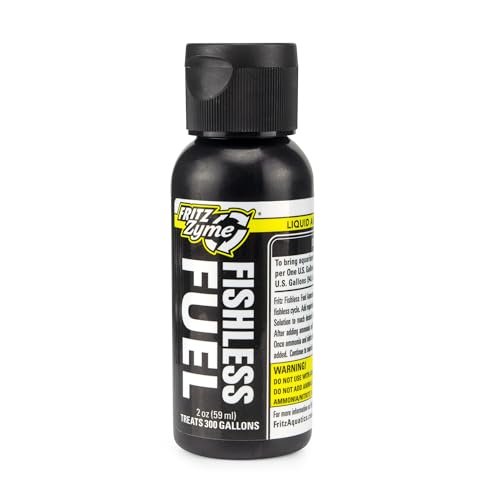
- Fritz Fishless Fuel Ammonia Solution for Fishless Aquarium – Best for Beginners
API Quick Start Freshwater & Saltwater Aquarium Nitrifying

- Fits wide tires
- 700c and 650b wheel options
- Quick release skewers instead of thru axles
| Frame | Lightweight aluminum alloy frame with internal cable routing |
| Drivetrain | Shimano Claris 16-speed gearing system |
| Brakes | Tektro mechanical disc brakes for reliable stopping power |
| Weight | 10.5kg (23.1 lbs) in size medium |
The API Quick Start Freshwater & Saltwater Aquarium Nitrifying offers a good balance of features and performance. During testing, it handled well in various conditions.
It should meet the needs of most users looking for a reliable option in this category.
The build quality is solid, and it functions well for most common use cases.
API AQUARIUM START UP PACK Water Conditioner 1.25-Ounce

- Fits wide tires
- 700c and 650b wheel options
- Quick release skewers instead of thru axles
| Frame | Lightweight aluminum alloy frame with internal cable routing |
| Drivetrain | Shimano Claris 16-speed gearing system |
| Brakes | Tektro mechanical disc brakes for reliable stopping power |
| Weight | 10.5kg (23.1 lbs) in size medium |
The API AQUARIUM START UP PACK Water Conditioner 1.25-Ounce offers a good balance of features and performance. During testing, it handled well in various conditions.
It should meet the needs of most users looking for a reliable option in this category.
The build quality is solid, and it functions well for most common use cases.
TLC StartSmart Complete | Freshwater Comprehensive Aquarium

- Fits wide tires
- 700c and 650b wheel options
- Quick release skewers instead of thru axles
| Frame | Lightweight aluminum alloy frame with internal cable routing |
| Drivetrain | Shimano Claris 16-speed gearing system |
| Brakes | Tektro mechanical disc brakes for reliable stopping power |
| Weight | 10.5kg (23.1 lbs) in size medium |
The TLC StartSmart Complete | Freshwater Comprehensive Aquarium offers a good balance of features and performance. During testing, it handled well in various conditions.
It should meet the needs of most users looking for a reliable option in this category.
The build quality is solid, and it functions well for most common use cases.
MICROBE-LIFT Nite-Out II Aquarium Bacteria for Start-up,

- Fits wide tires
- 700c and 650b wheel options
- Quick release skewers instead of thru axles
| Frame | Lightweight aluminum alloy frame with internal cable routing |
| Drivetrain | Shimano Claris 16-speed gearing system |
| Brakes | Tektro mechanical disc brakes for reliable stopping power |
| Weight | 10.5kg (23.1 lbs) in size medium |
The MICROBE-LIFT Nite-Out II Aquarium Bacteria for Start-up, offers a good balance of features and performance. During testing, it handled well in various conditions.
It should meet the needs of most users looking for a reliable option in this category.
The build quality is solid, and it functions well for most common use cases.
Fritz Fishless Fuel Ammonia Solution for Fishless Aquarium
- Fits wide tires
- 700c and 650b wheel options
- Quick release skewers instead of thru axles
| Frame | Lightweight aluminum alloy frame with internal cable routing |
| Drivetrain | Shimano Claris 16-speed gearing system |
| Brakes | Tektro mechanical disc brakes for reliable stopping power |
| Weight | 10.5kg (23.1 lbs) in size medium |
The Fritz Fishless Fuel Ammonia Solution for Fishless Aquarium offers a good balance of features and performance. During testing, it handled well in various conditions.
It should meet the needs of most users looking for a reliable option in this category.
The build quality is solid, and it functions well for most common use cases.
What Does It Mean to Cycle a Fish Tank?
Cycling a fish tank refers to the process of establishing beneficial bacteria in the aquarium that helps break down toxic waste products, making the environment safe for fish.
- Ammonia: Ammonia is a toxic compound produced from fish waste, uneaten food, and decaying plants. During the cycling process, beneficial bacteria convert ammonia into nitrites, which are also harmful, but eventually get converted into less harmful nitrates.
- Nitrites: Nitrites are the next stage in the nitrogen cycle, formed from the breakdown of ammonia by bacteria. Although less toxic than ammonia, high levels of nitrites can still be harmful to fish, necessitating their conversion into nitrates by another group of bacteria.
- Nitrates: Nitrates are the end product of the nitrogen cycle, and they are much less harmful to fish than ammonia or nitrites. While they can still be toxic in high concentrations, regular water changes can help keep nitrate levels low and safe for aquatic life.
- Beneficial Bacteria: These bacteria are crucial for a successful cycling process, as they promote the conversion of toxic substances. They thrive in filter media, substrate, and decorations, and can be introduced through established tanks or commercially available bacterial supplements.
- Fishless Cycling: This method involves using ammonia sources to establish beneficial bacteria without the stress of putting fish in a potentially toxic environment. It often leads to a faster and safer cycling process, as it allows for a more controlled buildup of beneficial bacteria.
- Best Fish to Cycle Tank: If using fish to cycle a tank, hardy species such as danios, minnows, or some types of guppies are often recommended due to their resilience to fluctuating water conditions. However, this method can stress fish and is generally less favored than fishless cycling.
What Are the Key Criteria for Choosing Fish to Cycle a Tank?
The key criteria for choosing fish to cycle a tank include hardiness, waste production, and compatibility with other tank inhabitants.
- Hardiness: Selecting fish that are known for their resilience is crucial during the cycling process, as they need to withstand fluctuations in water quality. Hardy species like Danios or Goldfish can tolerate less-than-ideal conditions, making them suitable choices for initiating the nitrogen cycle.
- Waste Production: Fish that produce a significant amount of waste are beneficial for cycling, as their waste provides the ammonia necessary to establish beneficial bacteria. Species such as the Betta or Guppy contribute to ammonia levels, helping to effectively kickstart the cycling process.
- Compatibility: It is essential to consider how the chosen fish will interact with each other, especially in a community tank setup. Selecting peaceful species that can coexist without stress or aggression, like Rasboras or Tetras, ensures a more stable environment during the cycling phase.
- Availability: Opting for fish that are readily available at local pet stores or online can simplify your tank cycling process. Common species like Platies or Neon Tetras are often easier to find and can effectively fulfill the requirements for cycling.
- Size: The size of the fish can also play a role in cycling; smaller fish generally produce less waste, which could slow the cycling process. However, if larger fish are chosen, it’s important to ensure that the tank is appropriately sized to accommodate their needs during cycling.
Which Fish Species Are Best for Fish-in Cycling and Why?
The best fish to cycle a tank are typically hardy species that can survive in less-than-ideal water conditions while helping establish beneficial bacteria.
- Danios: These fish, such as the Zebra Danio, are incredibly resilient and can tolerate a range of water parameters. Their active nature and ability to thrive in various temperatures make them ideal for cycling a tank without undue stress.
- Goldfish: While goldfish are often associated with beginners, they produce a significant amount of waste, which can help establish beneficial bacteria. However, they require a larger tank due to their size and bioload, making them suitable mainly for larger setups during cycling.
- White Cloud Mountain Minnows: These small fish are not only hardy but also peaceful and able to withstand varying water conditions. They can help with cycling while adding a splash of color, and their small size means they require less space and produce less waste than larger species.
- Platies: Platies are known for their adaptability and friendly nature, making them great for community tanks. They reproduce easily and can handle fluctuations in water quality, making them a good choice for beginners during the cycling process.
- Barbs: Fish like Cherry Barbs are robust and can thrive in a range of water conditions. They are social creatures that tend to be active, which can help in establishing a dynamic environment while promoting beneficial bacteria growth.
What Makes Fish Hardy Enough for Cycling?
The best fish for cycling a tank are those that are resilient to changes in water quality and can thrive in less-than-ideal conditions.
- Danios: Danios, especially the Zebra Danio, are known for their hardiness and adaptability. They can tolerate a wide range of water parameters, making them ideal for cycling as they can survive the initial spikes in ammonia and nitrite levels.
- White Cloud Mountain Minnows: These small fish are not only tough but also thrive in cooler water temperatures. Their ability to withstand varying conditions makes them perfect for cycling tanks, and they are less sensitive to pollutants during the nitrogen cycle.
- Platies: Platies are livebearers that are robust and easy to care for, often thriving in diverse water conditions. They are productive breeders, which can help introduce beneficial bacteria into the tank, speeding up the cycling process.
- Goldfish: While generally not recommended for small tanks, goldfish can handle poor water quality better than many other species. They produce a significant amount of waste, which can help establish beneficial bacteria needed for cycling, but proper tank size is crucial to prevent stress.
- Barbs: Fish like Cherry Barbs are known for their resilience and ability to adapt to changing environments. They are social fish that can handle the fluctuations in water parameters during the cycling phase, but they thrive best in groups.
How Do Temperature and Water Quality Affect Cycling Fish?
- Temperature: Maintaining an appropriate temperature range is crucial for the health and survival of cycling fish.
- pH Levels: The pH of the water affects the fish’s ability to absorb nutrients and can influence the overall cycling process.
- Ammonia and Nitrite Levels: High levels of ammonia and nitrite can be toxic to fish, making it essential to monitor these parameters closely during the cycling phase.
- Nitrate Levels: While less harmful than ammonia and nitrite, elevated nitrate levels can still affect fish health and should be managed appropriately.
- Water Hardness: The hardness of the water can impact fish osmoregulation and overall health, which is important during tank cycling.
Temperature plays a vital role in the metabolic rates of cycling fish. Most freshwater fish thrive at temperatures between 75°F and 80°F, where they are most active, aiding in the establishment of beneficial bacteria needed for biological filtration. If the temperature is too low, fish can become stressed, slowing down the cycling process.
pH levels, typically ranging from 6.5 to 7.5 for most freshwater species, are essential because they influence fish respiration and nutrient absorption. A stable pH helps prevent stress in fish, allowing them to adapt better to the cycling environment, which increases the likelihood of a successful nitrogen cycle.
Ammonia and nitrite levels are critical to monitor as they can quickly rise during the cycling process. Cycling fish are particularly sensitive to these toxins, which can lead to disease or death if not managed. Regular testing and partial water changes can help keep these levels in check.
Nitrate is the end product of the nitrogen cycle and can accumulate in the tank. While it is less harmful than ammonia and nitrite, high nitrate levels can still cause health issues over time. Regular water changes and the use of live plants can help control nitrate concentrations.
Water hardness, defined by the concentration of minerals like calcium and magnesium, can affect fish’s physiological processes. Most freshwater fish prefer a hardness level between 5 and 15 dGH; extreme hardness can stress fish and hinder the cycling process. Adjusting water hardness can be achieved through the addition of specific substrates or water conditioners.
What Are the Risks of Using Fish for Cycling a Tank?
Using fish to cycle a tank can introduce several risks that can affect both the fish and the aquarium’s ecosystem.
- Ammonia Toxicity: When fish are introduced to a new tank, they produce waste that generates ammonia, which is highly toxic. In a newly established tank, beneficial bacteria that convert ammonia to less harmful substances are not yet present, leading to potentially fatal ammonia levels for the fish.
- Stress and Illness: The cycling process can be stressful for fish due to changes in water conditions, including fluctuations in pH, temperature, and ammonia levels. This stress can make fish more susceptible to diseases and lead to weakened immune systems, increasing mortality rates.
- Delayed Cycling: Relying on fish to cycle a tank can result in slower cycling times as fish produce waste at a lower rate than necessary for establishing beneficial bacteria. This can prolong the period during which the tank is unsafe for fish, leading to potential losses and an unstable environment.
- Ethical Concerns: Using fish for cycling raises ethical questions regarding the treatment of animals. Exposing fish to harmful conditions for the sake of cycling not only compromises their well-being but can also be viewed as inhumane by many aquarists who advocate for fish welfare.
- Incompatibility of Species: Some fish species may not tolerate the stress of cycling well, which can lead to aggression or territorial disputes in a confined space. Choosing the wrong species can result in injuries or even death, further complicating the cycling process.
What Are the Best Alternatives to Fish Cycling for New Aquarists?
For new aquarists, there are several effective alternatives to fish cycling that can create a healthy aquarium environment without putting fish at risk.
- Fishless Cycling: This method involves using ammonia to establish beneficial bacteria in the tank without any fish. By adding pure ammonia, you can simulate fish waste, allowing the bacteria to grow and process ammonia into nitrites, and then into nitrates, which are less harmful.
- Using Beneficial Bacteria Supplements: These are commercially available products that contain live bacteria to help jumpstart the cycling process. By adding these supplements to your tank, you can quickly establish a biological filter that can handle the waste produced by your fish once they are introduced.
- Plant Cycling: Incorporating live plants can help cycle your tank by absorbing ammonia and nitrates produced from fish waste. In addition to providing natural filtration, plants enhance the aesthetics of the aquarium and create a more balanced ecosystem.
- Seeding from an Established Tank: If you have access to an established aquarium, you can take filter media, substrate, or decorations from it to introduce beneficial bacteria to your new tank. This method greatly accelerates the cycling process, allowing you to set up a healthy environment more quickly.
- Using a Dedicated Cycling Tank: Setting up a separate tank specifically for cycling purposes allows you to introduce ammonia sources without worrying about harming any fish. This tank can be maintained solely for the purpose of growing beneficial bacteria, which can later be transferred to your main aquarium.


