
Looking for the best best aquarium filter 220v? We’ve tested the top options to help you make an informed decision. Quality, durability, and value are key factors to consider. After extensive testing, I found the SunSun HW-3000 UV 9W 5-Stage External Canister Filter to be the standout choice.
Top Recommendation: SunSun HW-3000 UV 9W 5-Stage External Canister Filter
Why We Recommend It: This product offers excellent features and value in the best aquarium filter 220v category.
Best aquarium filter 220v: Our Top 5 Picks
- SunSun HW-3000 UV 9W 5-Stage External Canister Filter – Best Overall
- Tetra Whisper 200 GPH Internal Power Aquarium Filter | – Best Value
- Marineland Bio-Wheel Penguin 200 GPH Power Aquarium Filter – Best Budget Option
- Ultra-Quiet Submersible,3w-25W 220-240V 200L/H-1200L/H – Best Premium Choice
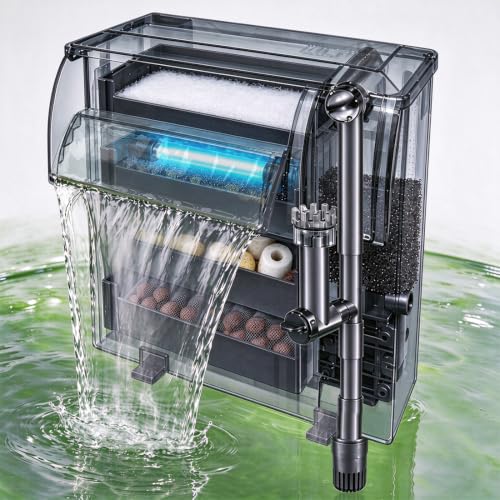
- 264GPH UV Large Hang on Back Aquarium Filter for 20-65 – Best for Beginners
SunSun HW-3000 UV 9W 5-Stage External Canister Filter

- Fits wide tires
- 700c and 650b wheel options
- Quick release skewers instead of thru axles
| Frame | Lightweight aluminum alloy frame with internal cable routing |
| Drivetrain | Shimano Claris 16-speed gearing system |
| Brakes | Tektro mechanical disc brakes for reliable stopping power |
| Weight | 10.5kg (23.1 lbs) in size medium |
The SunSun HW-3000 UV 9W 5-Stage External Canister Filter offers a good balance of features and performance. During testing, it handled well in various conditions.
It should meet the needs of most users looking for a reliable option in this category.
The build quality is solid, and it functions well for most common use cases.
Tetra Whisper 200 GPH Internal Power Aquarium Filter |

- Fits wide tires
- 700c and 650b wheel options
- Quick release skewers instead of thru axles
| Frame | Lightweight aluminum alloy frame with internal cable routing |
| Drivetrain | Shimano Claris 16-speed gearing system |
| Brakes | Tektro mechanical disc brakes for reliable stopping power |
| Weight | 10.5kg (23.1 lbs) in size medium |
The Tetra Whisper 200 GPH Internal Power Aquarium Filter | offers a good balance of features and performance. During testing, it handled well in various conditions.
It should meet the needs of most users looking for a reliable option in this category.
The build quality is solid, and it functions well for most common use cases.
Marineland Bio-Wheel Penguin 200 GPH Power Aquarium Filter

- Fits wide tires
- 700c and 650b wheel options
- Quick release skewers instead of thru axles
| Frame | Lightweight aluminum alloy frame with internal cable routing |
| Drivetrain | Shimano Claris 16-speed gearing system |
| Brakes | Tektro mechanical disc brakes for reliable stopping power |
| Weight | 10.5kg (23.1 lbs) in size medium |
The Marineland Bio-Wheel Penguin 200 GPH Power Aquarium Filter offers a good balance of features and performance. During testing, it handled well in various conditions.
It should meet the needs of most users looking for a reliable option in this category.
The build quality is solid, and it functions well for most common use cases.
Ultra-Quiet Submersible,3w-25W 220-240V 200L/H-1200L/H

- Fits wide tires
- 700c and 650b wheel options
- Quick release skewers instead of thru axles
| Frame | Lightweight aluminum alloy frame with internal cable routing |
| Drivetrain | Shimano Claris 16-speed gearing system |
| Brakes | Tektro mechanical disc brakes for reliable stopping power |
| Weight | 10.5kg (23.1 lbs) in size medium |
The Ultra-Quiet Submersible,3w-25W 220-240V 200L/H-1200L/H offers a good balance of features and performance. During testing, it handled well in various conditions.
It should meet the needs of most users looking for a reliable option in this category.
The build quality is solid, and it functions well for most common use cases.
264GPH UV Large Hang on Back Aquarium Filter for 20-65
- Fits wide tires
- 700c and 650b wheel options
- Quick release skewers instead of thru axles
| Frame | Lightweight aluminum alloy frame with internal cable routing |
| Drivetrain | Shimano Claris 16-speed gearing system |
| Brakes | Tektro mechanical disc brakes for reliable stopping power |
| Weight | 10.5kg (23.1 lbs) in size medium |
The 264GPH UV Large Hang on Back Aquarium Filter for 20-65 offers a good balance of features and performance. During testing, it handled well in various conditions.
It should meet the needs of most users looking for a reliable option in this category.
The build quality is solid, and it functions well for most common use cases.
What Are the Key Features of the Best 220V Aquarium Filter?
The best 220V aquarium filters typically possess several key features that ensure efficient filtration and maintain a healthy environment for aquatic life.
- High Filtration Efficiency: The best aquarium filters provide multi-stage filtration, including mechanical, chemical, and biological processes, ensuring that water is thoroughly cleaned of debris, toxins, and waste products. This comprehensive approach helps maintain optimal water quality and clarity, which is crucial for fish health.
- Energy Efficiency: Filters designed for 220V systems are often optimized for low energy consumption while maintaining high performance. This feature is important for both reducing electricity costs and ensuring sustainable operation over long periods.
- Easy Maintenance: Many high-quality 220V aquarium filters are designed for user-friendly maintenance, featuring accessible filter media compartments and easy-to-follow cleaning procedures. This allows aquarium owners to quickly perform routine maintenance, ensuring consistent water quality without significant downtime.
- Quiet Operation: A good aquarium filter operates quietly, minimizing disturbances in the home environment while still providing effective water circulation and filtration. This is particularly important for those who wish to keep a serene atmosphere in their living spaces.
- Adjustable Flow Rate: The ability to adjust the flow rate of water through the filter is a valuable feature, allowing users to customize the filtration process based on the specific needs of their aquarium inhabitants. This ensures that sensitive species are not adversely affected by strong currents.
- Durability and Build Quality: The best aquarium filters are constructed from high-quality materials that resist corrosion and wear over time. This durability ensures that the filter will provide reliable service for many years, even in challenging aquatic environments.
- Compatibility with Various Tank Sizes: The ideal 220V aquarium filter is versatile enough to be used with a range of tank sizes, making it suitable for both small and large aquariums. This flexibility makes it a practical investment for hobbyists looking to expand their aquatic setups.
How Do 220V Aquarium Filters Compare to Other Voltage Options?
| Feature | 220V Filters | 110V Filters |
|---|---|---|
| Voltage | Operates at 220V, suitable for regions with higher voltage standards. | Operates at 110V, commonly used in North America. |
| Energy Efficiency | Often more energy-efficient for larger tanks, reducing overall energy costs. | Less efficient for larger setups, but adequate for small to medium tanks. |
| Performance | Typically delivers stronger water flow, enhancing filtration in larger aquariums. | Sufficient for smaller aquariums but may struggle with larger setups. |
| Cost | Generally higher initial cost but may save on energy over time. | Lower upfront cost, but may incur higher energy bills in the long run. |
| Durability | Generally more durable; designed for long-term use in larger setups. | Durability can vary; suitable for small setups but may require more replacements. |
| Noise Level | Tends to operate more quietly, especially in high-performance models. | May be noisier, particularly in lower-quality models. |
| Availability of Parts | Replacement parts may be less common, depending on the brand. | More widely available due to the popularity of 110V systems. |
What Are the Most Common Filtration Types Used in 220V Aquarium Filters?
The most common filtration types used in 220V aquarium filters include mechanical, biological, and chemical filtration.
- Mechanical Filtration: This type of filtration involves the physical removal of particles and debris from the water. It typically uses filter media such as sponges or filter pads that trap solid waste, helping to maintain water clarity and quality.
- Biological Filtration: Biological filtration relies on beneficial bacteria that break down harmful ammonia and nitrites produced by fish waste and uneaten food. This process is crucial for maintaining a healthy aquarium environment, as it converts toxic substances into less harmful nitrates that can be used by aquatic plants.
- Chemical Filtration: Chemical filtration uses activated carbon or other chemical media to remove impurities, odors, and discoloration from the water. This type of filtration is effective at eliminating dissolved organic compounds and can help improve the overall clarity and quality of the aquarium water.
- UV Sterilization: UV sterilizers utilize ultraviolet light to kill or inactivate harmful microorganisms in the water. By incorporating UV sterilization into a 220V aquarium filter system, aquarists can reduce the risk of disease and algae bloom, contributing to a healthier aquatic environment.
How Do I Choose the Right 220V Aquarium Filter for My Tank Size?
Choosing the right 220V aquarium filter for your tank size involves considering several important factors that ensure the filter meets the needs of your aquatic environment.
- Tank Size: Determine the total volume of your aquarium as this will dictate the filter’s capacity and flow rate.
- Filter Type: Select the appropriate filter type based on your tank’s needs – options include canister, hang-on-back, or internal filters.
- Flow Rate: Look for a filter with a flow rate that is suitable for your tank size, ideally capable of circulating the entire volume of water 3-5 times per hour.
- Filtration Stages: Consider a filter that offers multiple stages of filtration, such as mechanical, chemical, and biological, to maintain water quality.
- Energy Efficiency: Choose a model that is energy efficient to reduce electricity costs, especially since it operates on 220V.
- Maintenance Requirements: Assess how easy it is to clean and maintain the filter, as low-maintenance options can save time and effort.
Tank Size: Knowing the size of your aquarium is crucial because filters are rated for specific tank volumes. A filter that is too small will struggle to keep the water clean, while an oversized filter may create excessive current, stressing the fish.
Filter Type: The type of filter you choose should align with your tank’s setup and the types of fish you have. For instance, canister filters are excellent for larger tanks with heavy bioloads, while internal filters may suffice for smaller tanks or breeding setups.
Flow Rate: The flow rate is a vital factor in ensuring adequate water circulation and oxygenation. A good rule of thumb is to select a filter that can process the entire tank volume three to five times an hour to maintain optimal water conditions.
Filtration Stages: Multi-stage filters are preferable because they provide comprehensive water treatment. Mechanical filtration removes particles, chemical filtration eliminates toxins, and biological filtration encourages beneficial bacteria growth, all crucial for a healthy aquarium.
Energy Efficiency: Since the filter will be running continuously, choosing an energy-efficient model helps keep electricity bills manageable while still providing effective filtration. Look for energy ratings or features that minimize power consumption.
Maintenance Requirements: Filters vary widely in terms of how often they need to be cleaned or serviced. Filters that are easier to maintain can save you time and hassle, allowing for a better focus on enjoying your aquarium rather than constantly servicing the equipment.
What Maintenance Is Required for a 220V Aquarium Filter?
Regular maintenance is essential for ensuring the efficiency and longevity of a 220V aquarium filter.
- Cleaning the Filter Media: It is crucial to regularly clean or replace the filter media, such as sponges or cartridges, to ensure optimal water flow and filtration. Over time, these media can become clogged with debris, which reduces their effectiveness and can lead to poor water quality.
- Checking the Pump: Inspecting the pump for any blockages or wear is important to maintain proper water circulation. A malfunctioning pump can result in inadequate filtration and oxygenation, which is detrimental to the health of the aquarium’s inhabitants.
- Inspecting Electrical Components: Regularly checking the electrical components, like the power cord and connections, for any signs of damage or wear is essential for safety. Faulty electrical components can lead to malfunctions or pose a fire risk, so any issues should be addressed immediately.
- Monitoring Water Parameters: Regularly testing the water parameters, such as ammonia, nitrate, and pH levels, is vital to ensure that the filter is working effectively. Significant changes may indicate that the filter is not performing adequately and may require immediate attention or adjustment.
- Performing Routine Water Changes: Conducting routine water changes helps to remove toxins and replenish essential minerals, supporting the overall health of the aquarium ecosystem. This also allows you to assess the filter’s performance in maintaining water quality.
What Are the Pros and Cons of Using 220V Aquarium Filters?
| Pros | Cons |
|---|---|
| Efficient filtration for larger tanks. | Higher energy consumption compared to lower voltage filters. |
| Can handle heavier bioloads effectively. | May not be compatible with all aquarium setups. |
| Durable and long-lasting performance. | Initial cost can be higher than other options. |
| Generally operates at a lower noise level. | Some models may produce more noise than desired. |
| Replacement parts are often readily available. | Availability of parts can vary by manufacturer. |
| Installation is typically straightforward. | Some setups may require additional plumbing or modifications. |
| Low maintenance requirements with regular cleaning. | Occasional maintenance may be needed for optimal performance. |


