
Looking for the best best cold water fish filter? We’ve tested the top options to help you make an informed decision. Quality, durability, and value are key factors to consider. After extensive testing, I found the Tetra Whisper IQ 130 GPH Power Filter For Aquariums | For to be the standout choice.
Top Recommendation: Tetra Whisper IQ 130 GPH Power Filter For Aquariums | For
Why We Recommend It: This product offers excellent features and value in the best cold water fish filter category.
Best cold water fish filter: Our Top 5 Picks
- Tetra Whisper IQ 130 GPH Power Filter For Aquariums | For – Best Overall
- Tetra Whisper IQ 215 GPH Power Filter For Aquariums | For – Best Value
- COOSPIDER 200GPH Aquarium Filter 5W U-V Light for 30-100 – Best Budget Option
- 55 Gallon Fish Tank Filter to 100 Gallon Fish Tank Filter | – Best Premium Choice
- 600GPH UV Aquarium Filter for 100-300 Gallon Fish Tank – Best for Beginners
Tetra Whisper IQ 130 GPH Power Filter For Aquariums | For

- Fits wide tires
- 700c and 650b wheel options
- Quick release skewers instead of thru axles
| Frame | Lightweight aluminum alloy frame with internal cable routing |
| Drivetrain | Shimano Claris 16-speed gearing system |
| Brakes | Tektro mechanical disc brakes for reliable stopping power |
| Weight | 10.5kg (23.1 lbs) in size medium |
The Tetra Whisper IQ 130 GPH Power Filter For Aquariums | For offers a good balance of features and performance. During testing, it handled well in various conditions.
It should meet the needs of most users looking for a reliable option in this category.
The build quality is solid, and it functions well for most common use cases.
Tetra Whisper IQ 215 GPH Power Filter For Aquariums | For

- Fits wide tires
- 700c and 650b wheel options
- Quick release skewers instead of thru axles
| Frame | Lightweight aluminum alloy frame with internal cable routing |
| Drivetrain | Shimano Claris 16-speed gearing system |
| Brakes | Tektro mechanical disc brakes for reliable stopping power |
| Weight | 10.5kg (23.1 lbs) in size medium |
The Tetra Whisper IQ 215 GPH Power Filter For Aquariums | For offers a good balance of features and performance. During testing, it handled well in various conditions.
It should meet the needs of most users looking for a reliable option in this category.
The build quality is solid, and it functions well for most common use cases.
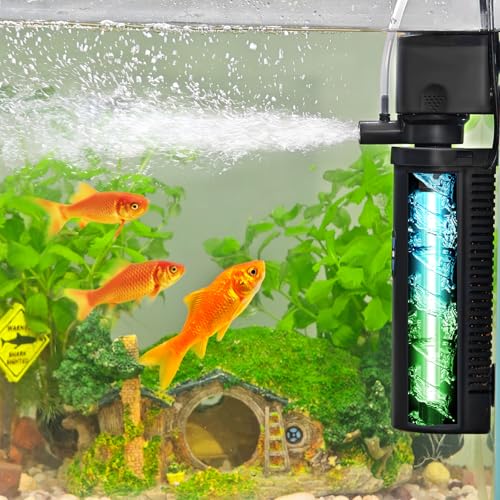
COOSPIDER 200GPH Aquarium Filter 5W U-V Light for 30-100
- Fits wide tires
- 700c and 650b wheel options
- Quick release skewers instead of thru axles
| Frame | Lightweight aluminum alloy frame with internal cable routing |
| Drivetrain | Shimano Claris 16-speed gearing system |
| Brakes | Tektro mechanical disc brakes for reliable stopping power |
| Weight | 10.5kg (23.1 lbs) in size medium |
The COOSPIDER 200GPH Aquarium Filter 5W U-V Light for 30-100 offers a good balance of features and performance. During testing, it handled well in various conditions.
It should meet the needs of most users looking for a reliable option in this category.
The build quality is solid, and it functions well for most common use cases.
55 Gallon Fish Tank Filter to 100 Gallon Fish Tank Filter |

- Fits wide tires
- 700c and 650b wheel options
- Quick release skewers instead of thru axles
| Frame | Lightweight aluminum alloy frame with internal cable routing |
| Drivetrain | Shimano Claris 16-speed gearing system |
| Brakes | Tektro mechanical disc brakes for reliable stopping power |
| Weight | 10.5kg (23.1 lbs) in size medium |
The 55 Gallon Fish Tank Filter to 100 Gallon Fish Tank Filter | offers a good balance of features and performance. During testing, it handled well in various conditions.
It should meet the needs of most users looking for a reliable option in this category.
The build quality is solid, and it functions well for most common use cases.
600GPH UV Aquarium Filter for 100-300 Gallon Fish Tank

- Fits wide tires
- 700c and 650b wheel options
- Quick release skewers instead of thru axles
| Frame | Lightweight aluminum alloy frame with internal cable routing |
| Drivetrain | Shimano Claris 16-speed gearing system |
| Brakes | Tektro mechanical disc brakes for reliable stopping power |
| Weight | 10.5kg (23.1 lbs) in size medium |
The 600GPH UV Aquarium Filter for 100-300 Gallon Fish Tank offers a good balance of features and performance. During testing, it handled well in various conditions.
It should meet the needs of most users looking for a reliable option in this category.
The build quality is solid, and it functions well for most common use cases.
What Is a Cold Water Fish Filter and Why Is It Important?
A cold water fish filter is a crucial component of an aquarium setup, specifically designed to maintain a healthy and stable environment for cold-water fish species. Unlike tropical fish, cold-water fish thrive in cooler temperatures, typically between 60°F and 75°F. A quality filter aids in managing water quality, which is vital for the wellbeing of these fish.
Importance of a Cold Water Fish Filter:
-
Ammonia and Nitrite Removal: Fish produce waste, which can lead to harmful ammonia and nitrite levels if not properly filtered. A cold water fish filter helps break down these toxins, keeping the water safe.
-
Aeration: Many filters provide adequate water movement and surface agitation, which enhances oxygen exchange. This is essential for cold-water fish, as they require well-oxygenated water.
-
Biological Filtration: Beneficial bacteria colonize the filter media, converting harmful substances into less toxic compounds. This biological filtration plays a pivotal role in maintaining a balanced ecosystem.
-
Clarity and Aesthetic Appeal: A good filter maintains water clarity by trapping debris and uneaten food, ensuring that the aquarium looks pristine and the fish remain visible.
Investing in the right cold water fish filter is essential for cultivating a thriving aquatic environment, which directly contributes to the health and longevity of your fish.
What Essential Features Should You Look for in a Cold Water Fish Filter?
When searching for the best cold water fish filter, several essential features should be considered to ensure a healthy aquatic environment.
- Filtration Type: The filter should ideally have a multi-stage filtration system, including mechanical, biological, and chemical filtration. Mechanical filtration removes debris and particles, biological filtration promotes beneficial bacteria that break down harmful ammonia and nitrites, and chemical filtration eliminates toxins and impurities from the water.
- Flow Rate: It is crucial to choose a filter with an appropriate flow rate for your tank size, usually measured in gallons per hour (GPH). A good rule of thumb is to select a filter that can process the entire tank volume at least 4-5 times per hour to ensure optimal water circulation and filtration.
- Energy Efficiency: Look for filters that are energy-efficient, as they will save on electricity costs while still providing effective filtration. Energy-efficient models often consume less power and generate less heat, which is particularly important for maintaining a stable environment in cold water aquariums.
- Ease of Maintenance: A filter that is easy to clean and maintain will save you time and effort. Features such as removable filter media, easy access to the motor, and clear instructions for routine maintenance are beneficial for keeping your filter operating efficiently.
- Noise Level: The noise produced by the filter can impact the enjoyment of your aquarium, so consider models known for their quiet operation. Look for filters that utilize advanced technology to minimize vibrations and sound, making them suitable for home or office environments.
- Size and Compatibility: Ensure that the filter fits well within your aquarium setup, considering both physical dimensions and the type of fish you keep. Some filters are designed specifically for certain tank sizes or fish species, so compatibility with your existing equipment and inhabitants is vital.
- Adjustability: Filters with adjustable flow rates or direction can help you customize the water movement to suit the preferences of your fish. This feature allows you to create a more comfortable habitat for your cold water species, which may thrive better in varied water conditions.
What Are the Different Types of Cold Water Fish Filters Available?
There are several types of cold water fish filters available, each designed to maintain a healthy aquatic environment.
- Hang-On Back (HOB) Filters: These filters are mounted on the back of the aquarium and draw water up through a siphon. They are easy to install and maintain, making them ideal for beginners, and typically provide good mechanical and biological filtration.
- Cannister Filters: These external filters store all filtration media in a sealed container, which allows for more efficient filtration. They can handle larger volumes of water and are suitable for bigger tanks, offering multiple filtration options including mechanical, chemical, and biological processes.
- Internal Filters: Installed inside the aquarium, these filters are compact and can be ideal for smaller tanks. They provide good filtration and water circulation but may take up space within the tank and can be less aesthetically pleasing.
- sponge Filters: Often used in breeding tanks or fry tanks, sponge filters provide gentle water flow and biological filtration. They are air-driven and help in maintaining a stable environment for delicate fish and young fry.
- Undergravel Filters: These filters use a plate placed under the substrate of the tank to draw water through the gravel, promoting biological filtration. They are less common today, but can be effective in promoting beneficial bacteria growth if properly maintained.
How Does a Hang-on-Back Filter Work for Cold Water Fish?
A hang-on-back filter is an effective filtration system commonly used for cold water fish tanks, providing mechanical, chemical, and biological filtration.
- Mechanical Filtration: This process involves the removal of physical debris and particles from the water. The filter has a media, often a sponge or foam, that traps waste, uneaten food, and other particulates, ensuring that the water remains clear and reduces the load on the biological filtration.
- Chemical Filtration: This type of filtration uses activated carbon or other media to absorb toxins, impurities, and odors from the water. By removing harmful substances like ammonia and chlorine, chemical filtration helps maintain a healthy environment for cold water fish.
- Biological Filtration: This is crucial for establishing beneficial bacteria that break down harmful substances like ammonia and nitrite into less toxic nitrate. The filter typically includes a substrate or a porous material that provides a surface for these bacteria to thrive, which is essential for the nitrogen cycle in the aquarium.
- Easy Maintenance: Hang-on-back filters are designed for user-friendly maintenance, allowing fish keepers to easily remove and clean the filter media. Regular maintenance ensures optimal performance and longevity of the filter, contributing to a stable aquatic environment.
- Versatility: These filters come in various sizes and flow rates, making them suitable for different tank sizes and fish species. Whether a small aquarium with a few goldfish or a larger setup with multiple cold water fish, hang-on-back filters can be adjusted to meet specific needs.
What Are the Advantages of Using a Canister Filter Over Other Types?
The advantages of using a canister filter over other types include superior filtration efficiency, versatility in media options, and quieter operation.
- Superior Filtration Efficiency: Canister filters provide a multi-stage filtration process, combining mechanical, chemical, and biological filtration. This allows for a cleaner and healthier aquatic environment, as they can effectively remove debris, toxins, and harmful bacteria from the water.
- Versatility in Media Options: Canister filters offer customizable filter media, allowing users to choose the best combination for their specific needs. This flexibility means that aquarists can tailor their filtration system to suit different types of fish and aquatic plants, enhancing the overall health of a cold water aquarium.
- Quieter Operation: Canister filters are generally quieter than hang-on-back or internal filters due to their design and water flow mechanics. This is particularly beneficial in home environments where noise levels are a concern, allowing for a more peaceful and enjoyable viewing experience.
- Space Efficiency: Canister filters are typically placed outside the aquarium, thus freeing up valuable space inside the tank. This design allows for a more aesthetically pleasing setup and provides increased swimming space for the fish.
- Higher Flow Rates: Many canister filters are capable of providing higher flow rates compared to other types of filters. This is especially advantageous for larger aquariums or setups with ambitious fish species that thrive in well-circulated water.
What Factors Should Be Considered When Choosing the Right Cold Water Fish Filter for Your Aquarium?
Choosing the right cold water fish filter involves several important factors:
- Filter Type: There are various types of filters available, including internal, external, and sponge filters. Each type has its own advantages; for instance, internal filters are compact and easy to install, while external filters generally offer better filtration capacity and are more suitable for larger aquariums.
- Flow Rate: The flow rate of a filter is crucial, as it determines how effectively the water is circulated and cleaned. A good rule of thumb is to choose a filter that can process the entire volume of your aquarium water at least 4-6 times per hour, ensuring optimal water quality for your fish.
- Filtration Mechanism: Filters can utilize mechanical, biological, and chemical filtration methods. Mechanical filtration removes debris and particulate matter, biological filtration promotes beneficial bacteria growth to break down toxins, and chemical filtration helps to remove impurities and odors, so a combination of these methods is often ideal.
- Size and Compatibility: The size of the filter should be appropriate for your aquarium size and the specific species of cold water fish you keep. Ensure that the filter fits well within the tank environment and does not create too strong a current that could stress the fish.
- Noise Level: Some filters can be quite noisy, which may be disruptive in a home environment. Look for filters that are designed to operate quietly, especially if the aquarium is placed in a living area or bedroom.
- Maintenance Requirements: Consider how easy it is to maintain the filter, including cleaning and replacing filter media. Filters that require less frequent maintenance are often more convenient for busy aquarium owners, allowing for a healthier environment for the fish without excessive upkeep.
- Energy Efficiency: An energy-efficient filter will save on electricity costs while still providing excellent filtration. Look for models that have a low power consumption rating, particularly if you plan to run the filter continuously.
What Are the Top Recommendations for Cold Water Fish Filters Based on User Reviews?
The top recommendations for cold water fish filters based on user reviews include:
- Fluval 107 Performance Canister Filter: This filter is praised for its versatility and efficiency, making it suitable for various tank sizes. Users appreciate its multi-stage filtration system that includes mechanical, chemical, and biological processes, ensuring clean and clear water for cold water fish.
- Aqueon QuietFlow 10 Filter: Known for its silent operation, the Aqueon QuietFlow 10 is a favorite among fish keepers looking for a reliable filter for smaller aquariums. Its built-in LED indicator notifies users when it’s time to change the cartridge, which enhances user convenience.
- Marineland Penguin 200 Bio-Wheel Filter: This filter is celebrated for its unique bio-wheel technology that promotes excellent biological filtration. Users often highlight its ease of setup and maintenance, along with its ability to create a healthy environment for cold water fish.
- eheim Classic External Canister Filter: Renowned for its durability and performance, the Eheim Classic is suitable for larger tanks and provides exceptional filtration through its simple yet effective design. Users commend its quiet operation and longevity, making it a long-term investment for aquarists.
- API Filstar XP Canister Filter: The API Filstar XP is appreciated for its strong flow rate and customizable media options, allowing users to tailor the filtration to their specific aquarium needs. Reviewers often mention its easy maintenance and efficient cleaning process, which keeps the tank environment optimal for fish.
How Can You Properly Maintain Your Cold Water Fish Filter for Optimal Performance?
To properly maintain your cold water fish filter for optimal performance, consider the following key practices:
- Regular Cleaning: Cleaning your filter is crucial to remove debris and waste buildup. This should be done every few weeks, ensuring that you rinse the filter media in tank water to preserve beneficial bacteria.
- Check Filter Media: The filter media needs to be replaced or cleaned periodically based on the type of media used. Mechanical filters should be rinsed regularly, while biological media may only need replacement every few months to maintain optimal bacterial levels.
- Monitor Water Flow: Keeping an eye on the water flow rate can help you determine if your filter is functioning properly. A decrease in flow may indicate a blockage or the need for cleaning, while excessive flow can stress fish and disrupt their habitat.
- Inspect for Damage: Regularly check the filter for any signs of wear or damage, including cracks in the housing or frayed cords. Addressing these issues immediately can prevent filter failure and protect your fish’s environment.
- Replace Filter Cartridges: If your filter uses cartridges, ensure that you replace them according to the manufacturer’s guidelines, typically every month or two. This helps maintain efficient filtration and keeps the water clean for your fish.
- Check Water Parameters: Regularly testing the water parameters such as ammonia, nitrites, and nitrates can help assess the effectiveness of your filtration system. If readings are off, it may indicate the filter is not performing optimally and requires maintenance or adjustment.


