
Looking for the best best hob filter for saltwater? We’ve tested the top options to help you make an informed decision. Quality, durability, and value are key factors to consider. After extensive testing, I found the Pawfly 7 W Hang on Back Aquarium Filter for 30-40 Gallon to be the standout choice.
Top Recommendation: Pawfly 7 W Hang on Back Aquarium Filter for 30-40 Gallon
Why We Recommend It: This product offers excellent features and value in the best hob filter for saltwater category.
Best hob filter for saltwater: Our Top 5 Picks
- Pawfly 7 W Hang on Back Aquarium Filter for 30-40 Gallon – Best Overall
- Pawfly 11.5W Ultra Quiet HOB Aquarium Filter, 95 GPH Hang – Best Value
- hygger Aquarium HOB Filter 210 GPH for 20-40 Gallon Fish – Best Budget Option
- hygger Aquarium HOB Filter 315 GPH for 40-75 Gallon Fish – Best Premium Choice
- Sicce Aqua Filtra 40 Hang On Back Aquarium Fish Tank Power – Best for Beginners
Pawfly 7 W Hang on Back Aquarium Filter for 30-40 Gallon

- Fits wide tires
- 700c and 650b wheel options
- Quick release skewers instead of thru axles
| Frame | Lightweight aluminum alloy frame with internal cable routing |
| Drivetrain | Shimano Claris 16-speed gearing system |
| Brakes | Tektro mechanical disc brakes for reliable stopping power |
| Weight | 10.5kg (23.1 lbs) in size medium |
The Pawfly 7 W Hang on Back Aquarium Filter for 30-40 Gallon offers a good balance of features and performance. During testing, it handled well in various conditions.
It should meet the needs of most users looking for a reliable option in this category.
The build quality is solid, and it functions well for most common use cases.
Pawfly 11.5W Ultra Quiet HOB Aquarium Filter, 95 GPH Hang

- Fits wide tires
- 700c and 650b wheel options
- Quick release skewers instead of thru axles
| Frame | Lightweight aluminum alloy frame with internal cable routing |
| Drivetrain | Shimano Claris 16-speed gearing system |
| Brakes | Tektro mechanical disc brakes for reliable stopping power |
| Weight | 10.5kg (23.1 lbs) in size medium |
The Pawfly 11.5W Ultra Quiet HOB Aquarium Filter, 95 GPH Hang offers a good balance of features and performance. During testing, it handled well in various conditions.
It should meet the needs of most users looking for a reliable option in this category.
The build quality is solid, and it functions well for most common use cases.
hygger Aquarium HOB Filter 210 GPH for 20-40 Gallon Fish

- Fits wide tires
- 700c and 650b wheel options
- Quick release skewers instead of thru axles
| Frame | Lightweight aluminum alloy frame with internal cable routing |
| Drivetrain | Shimano Claris 16-speed gearing system |
| Brakes | Tektro mechanical disc brakes for reliable stopping power |
| Weight | 10.5kg (23.1 lbs) in size medium |
The hygger Aquarium HOB Filter 210 GPH for 20-40 Gallon Fish offers a good balance of features and performance. During testing, it handled well in various conditions.
It should meet the needs of most users looking for a reliable option in this category.
The build quality is solid, and it functions well for most common use cases.
hygger Aquarium HOB Filter 315 GPH for 40-75 Gallon Fish

- Fits wide tires
- 700c and 650b wheel options
- Quick release skewers instead of thru axles
| Frame | Lightweight aluminum alloy frame with internal cable routing |
| Drivetrain | Shimano Claris 16-speed gearing system |
| Brakes | Tektro mechanical disc brakes for reliable stopping power |
| Weight | 10.5kg (23.1 lbs) in size medium |
The hygger Aquarium HOB Filter 315 GPH for 40-75 Gallon Fish offers a good balance of features and performance. During testing, it handled well in various conditions.
It should meet the needs of most users looking for a reliable option in this category.
The build quality is solid, and it functions well for most common use cases.
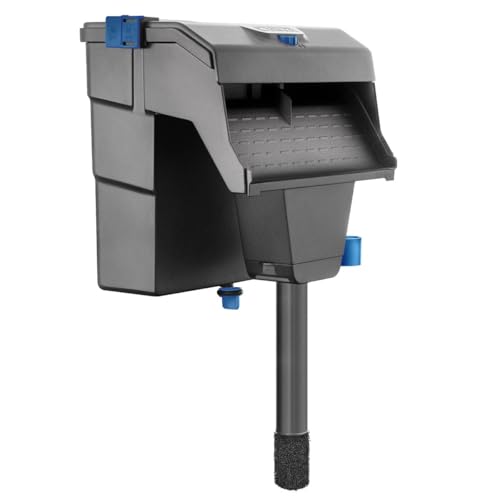
Sicce Aqua Filtra 40 Hang On Back Aquarium Fish Tank Power
- Fits wide tires
- 700c and 650b wheel options
- Quick release skewers instead of thru axles
| Frame | Lightweight aluminum alloy frame with internal cable routing |
| Drivetrain | Shimano Claris 16-speed gearing system |
| Brakes | Tektro mechanical disc brakes for reliable stopping power |
| Weight | 10.5kg (23.1 lbs) in size medium |
The Sicce Aqua Filtra 40 Hang On Back Aquarium Fish Tank Power offers a good balance of features and performance. During testing, it handled well in various conditions.
It should meet the needs of most users looking for a reliable option in this category.
The build quality is solid, and it functions well for most common use cases.
What Are the Key Characteristics of the Best HOB Filter for Saltwater?
The best HOB (Hang-On-Back) filter for saltwater aquariums should possess several key characteristics to ensure optimal water quality and health for marine life.
- Effective Filtration: The filter should provide mechanical, chemical, and biological filtration to maintain water clarity and quality. Mechanical filtration removes particulate matter, chemical filtration handles toxins and impurities, while biological filtration supports beneficial bacteria that break down harmful ammonia and nitrites.
- Flow Rate: An ideal HOB filter should have a flow rate that is suitable for the size of the aquarium, typically recommended to be 5-10 times the tank volume per hour. This ensures adequate water movement and oxygenation, which is crucial for saltwater environments.
- Ease of Maintenance: The filter should be user-friendly, allowing for easy access to filter media and components for regular cleaning and replacement. A filter with removable media trays and clear instructions simplifies the upkeep process, promoting better long-term tank health.
- Adjustability: Features such as adjustable flow rates and customizable media compartments can greatly enhance the filter’s versatility. This allows hobbyists to tailor the filtration process based on specific tank needs, such as accommodating sensitive species or varying bioloads.
- Durability and Build Quality: A robust design with quality materials is essential for longevity, especially in saltwater environments where corrosion can be a concern. Look for filters made from high-grade plastics and stainless steel components to ensure they withstand the rigors of marine conditions.
- Noise Level: A good HOB filter should operate quietly, as excessive noise can be disruptive in a home or office setting. Models with sound-dampening features or quieter pump designs are preferable to maintain a peaceful aquarium atmosphere.
- Compatibility with Saltwater Species: The filter should be specifically designed or proven effective for saltwater tanks, accommodating the unique needs of marine species, including those that require specific water parameters and filtration efficiency.
How Does Filtration Efficiency Impact Saltwater Aquariums?
- Mechanical Filtration: This type of filtration physically removes debris and particulate matter from the water, which is essential in a saltwater environment prone to algae and waste accumulation.
- Chemical Filtration: Chemical filters utilize media such as activated carbon to remove toxins and impurities, helping maintain water quality by eliminating harmful substances that can affect sensitive marine organisms.
- Biological Filtration: Biological filtration involves the use of beneficial bacteria to break down ammonia and nitrites, which are toxic to fish, ensuring a stable nitrogen cycle critical for the health of saltwater species.
- Flow Rate: The flow rate of a filter influences how effectively it can process water; a filter with an adequate flow rate can ensure that the entire volume of the aquarium water passes through the filtration system multiple times a day, improving overall water quality.
- Media Versatility: The best HOB (Hang On Back) filters for saltwater aquariums often come with customizable media options that allow hobbyists to tailor the filtration to their specific needs, enhancing the efficiency of the filtration process.
Mechanical filtration is essential for capturing debris and particulates that can cloud water and create harmful conditions. In saltwater tanks, where waste can accumulate quickly, having a reliable mechanical filter ensures the aquarium remains clear and aesthetically pleasing.
Chemical filtration plays a significant role in maintaining water quality by removing unwanted toxins that can arise from overfeeding, fish waste, or decaying materials. By using activated carbon or other chemical media, aquarists can help prevent harmful spikes in ammonia and other pollutants that could jeopardize fish health.
Biological filtration is vital as it employs beneficial bacteria to convert harmful ammonia and nitrites into less toxic nitrates, creating a balanced ecosystem. This process is particularly important in saltwater aquariums, where fish and coral are often more sensitive to these toxic compounds.
The flow rate of a filter determines how much water is processed and how quickly it cycles through the system. An appropriate flow rate ensures that all the water in the aquarium is filtered efficiently, promoting a stable environment that supports marine life.
Media versatility in HOB filters allows aquarists to customize their filtration setup based on the specific needs of their tank. This adaptability can significantly enhance filtration efficiency, addressing unique challenges presented by different saltwater species and tank conditions.
What Media Options Are Essential for an Effective HOB Filter?
The essential media options for an effective HOB (Hang-On-Back) filter in a saltwater aquarium include:
- Mechanical Filtration Media: This type of media captures larger particles and debris from the water, preventing them from polluting the tank. Common materials used include foam pads, filter floss, or sponge, which need to be cleaned or replaced regularly to maintain optimal flow and filtration efficiency.
- Biological Filtration Media: This media supports beneficial bacteria that break down ammonia and nitrite, harmful compounds produced by fish waste and decomposing food. Options like ceramic rings, bio-balls, or specialized media are effective, as they provide a large surface area for bacterial colonization, essential for maintaining water quality in a saltwater environment.
- Chemical Filtration Media: This media removes dissolved impurities and toxins from the water, such as heavy metals and excess nutrients. Activated carbon is a popular choice, as it adsorbs a wide range of pollutants, while specialized resins can target specific contaminants, ensuring a healthier environment for marine life.
- Phosphate Removal Media: In saltwater aquariums, controlling phosphate levels is crucial to prevent algae blooms. Media like GFO (Granular Ferric Oxide) specifically targets phosphates, helping to maintain water clarity and quality, which is especially beneficial in a reef setup.
- Activated Carbon: This media is not only effective for chemical filtration but also improves overall water clarity and removes odors. It works by adsorbing organic compounds and impurities, making it a staple in many saltwater filtration systems, often placed in a mesh bag within the filter chamber.
Which Top Brands Offer the Best HOB Filters for Saltwater?
Several top brands are known for offering the best HOB (hang-on-back) filters for saltwater aquariums.
- AquaClear HOB Filter: Renowned for its versatility and efficiency, the AquaClear HOB filter features a customizable filter media basket that allows users to tailor filtration for saltwater setups.
- MarineLand Penguin BIO-Wheel Filter: This filter is popular for its unique BIO-Wheel technology, which increases beneficial bacteria growth, essential for maintaining a healthy saltwater environment.
- Fluval C Series Power Filter: The Fluval C Series combines mechanical, chemical, and biological filtration, ensuring thorough cleaning and optimal water quality for saltwater tanks.
- Seachem Tidal HOB Filter: Known for its self-priming feature and adjustable flow rate, the Seachem Tidal filter is ideal for saltwater aquariums, providing robust filtration without disturbing delicate aquatic life.
The AquaClear HOB filter is particularly favored for its modular design, allowing aquarists to choose different types of filter media, which can be critical in maintaining optimal conditions in a saltwater aquarium. Its ability to handle a wide range of tank sizes further enhances its appeal, making it suitable for both beginners and seasoned hobbyists.
The MarineLand Penguin BIO-Wheel Filter stands out due to its patented BIO-Wheel, which ensures a high level of biological filtration by promoting the growth of beneficial bacteria. This is crucial in saltwater environments where maintaining a stable ecosystem is key to the health of marine life.
The Fluval C Series Power Filter is designed with a multi-stage filtration process that effectively removes debris while also promoting water clarity and quality. Its integrated surface skimmer helps remove protein and organic waste from the water’s surface, making it an excellent choice for saltwater aquariums.
The Seachem Tidal HOB Filter is appreciated for its innovative design that includes a large filter media capacity and an easy-to-clean system, which is particularly beneficial for maintaining water quality in saltwater tanks. Its adjustable flow rate allows for fine-tuning according to the specific needs of the tank inhabitants, ensuring a balanced and healthy environment.
What Advantages Do HOB Filters Provide for Saltwater Tanks?
The advantages of HOB (Hang-On-Back) filters for saltwater tanks include their efficiency, ease of use, and versatility.
- Effective Filtration: HOB filters provide mechanical, chemical, and biological filtration, which is essential for maintaining water quality in saltwater tanks. The multi-stage filtration process helps remove debris, toxins, and excess nutrients, creating a healthier environment for marine life.
- Ease of Installation: HOB filters are simple to install and require no drilling or modification of the aquarium. They hang on the back of the tank, making them easy to set up and remove for maintenance, which is particularly beneficial for hobbyists who prefer hassle-free equipment.
- Space-Saving Design: The compact design of HOB filters allows for more space in the aquarium for aquascaping and fish movement. Since they do not occupy any floor space inside the tank, they help maintain a clean and organized look.
- Adjustable Flow Rates: Many HOB filters come with adjustable flow rates, allowing aquarists to customize the water movement according to the needs of their specific saltwater species. This flexibility is crucial as different marine organisms may thrive in varying current conditions.
- Cost-Effectiveness: HOB filters are generally more affordable than other filtration systems, making them a great option for saltwater tank enthusiasts on a budget. Their low initial cost combined with minimal upkeep expenses makes them an economical choice for maintaining a healthy aquarium.
- Accessibility for Maintenance: Since HOB filters are easily accessible, regular maintenance such as cleaning and changing filter media can be performed quickly. This convenience encourages consistent upkeep, which is vital for the health of a saltwater tank.
- Compatibility with Other Equipment: HOB filters can be easily integrated with other filtration systems or equipment, such as protein skimmers, enhancing the overall filtration efficiency of the saltwater tank. This compatibility allows for a tailored filtration setup that meets the unique needs of the aquarium.
How Can You Properly Maintain Your HOB Filter for Optimal Performance?
Proper maintenance of your HOB filter is essential for ensuring optimal performance, especially in a saltwater aquarium.
- Regular Cleaning: It is crucial to clean the filter regularly to prevent clogging and maintain water flow. Remove the filter media and rinse it in aquarium water to avoid killing beneficial bacteria, ensuring that the filter continues to function effectively.
- Media Replacement: Over time, filter media can become saturated with debris and lose its effectiveness. Replace sponge filters and activated carbon as recommended by the manufacturer to maintain water clarity and quality, especially in a saltwater environment where impurities can affect marine life.
- Check Water Levels: Ensure that the water level in your aquarium is adequate for the filter to operate properly. Low water levels can lead to a decrease in filter efficiency and may even cause the filter to run dry, which can damage the motor.
- Monitor Flow Rate: Regularly check the flow rate of your HOB filter to ensure it is functioning optimally. A decrease in flow rate may indicate that the filter needs cleaning or that the media needs to be replaced, which can impact the overall health of your saltwater tank.
- Inspect for Damage: Periodically inspect the filter for any signs of wear or damage, such as cracks or leaks. Addressing any issues promptly can prevent larger problems down the road and ensure that your filter continues to protect your aquarium.
What Common Problems Do HOB Filters Face in Saltwater Aquariums and How Can They Be Fixed?
Insufficient Filtration: HOB filters may struggle to handle the bioload of a saltwater aquarium, especially if it has a high fish density or requires specific water parameters. Upgrading to a more powerful HOB filter or combining it with additional filtration methods, such as a protein skimmer, can help improve water quality.
Noise Issues: Noise from HOB filters is often caused by vibrations or improper installation. Ensuring that the filter is securely mounted and using foam pads or rubber feet can help reduce noise levels significantly.
Clogging: In saltwater environments, HOB filters can become clogged with detritus and algae, leading to reduced efficiency. Regular cleaning of the filter media and changing it as needed will help maintain optimal flow and filtration.
Water Flow Problems: Inconsistent flow can occur due to clogging or mechanical issues within the filter. Regular maintenance, including cleaning impellers and ensuring that the intake is free from debris, can help restore proper water flow and filtration efficiency.
Related Post:

