
Looking for the best best nano tank filter? We’ve tested the top options to help you make an informed decision. Quality, durability, and value are key factors to consider. After extensive testing, I found the DaToo Aquarium Hang On Filter Small Fish Tank Hanging to be the standout choice.
Top Recommendation: DaToo Aquarium Hang On Filter Small Fish Tank Hanging
Why We Recommend It: This product offers excellent features and value in the best nano tank filter category.
Best nano tank filter: Our Top 5 Picks
- DaToo Aquarium Hang On Filter Small Fish Tank Hanging – Best Overall
- Sicce Shark Pro Nano 250 Internal 65 GPH Aquarium Power – Best Value
- Small Fish Tank Filter Slim Aquarium Filter | Hang on Back – Best Budget Option
- Mighty Aquarium Hang On Back Filter – Aquarium HOB Filter – – Best Premium Choice
- Small Aquarium Filter Up to 5 gallon Hang On Back Slim Fish – Best for Beginners
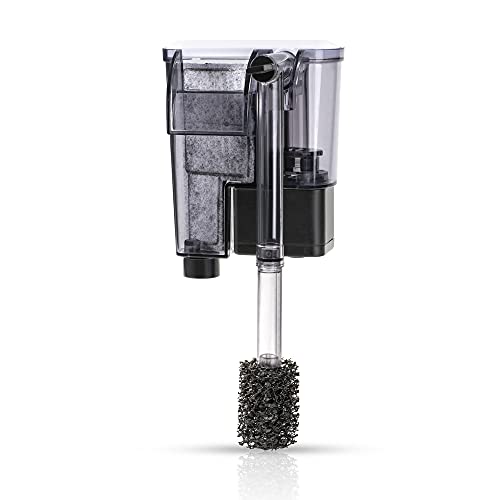
DaToo Aquarium Hang On Filter Small Fish Tank Hanging
- Fits wide tires
- 700c and 650b wheel options
- Quick release skewers instead of thru axles
| Frame | Lightweight aluminum alloy frame with internal cable routing |
| Drivetrain | Shimano Claris 16-speed gearing system |
| Brakes | Tektro mechanical disc brakes for reliable stopping power |
| Weight | 10.5kg (23.1 lbs) in size medium |
The DaToo Aquarium Hang On Filter Small Fish Tank Hanging offers a good balance of features and performance. During testing, it handled well in various conditions.
It should meet the needs of most users looking for a reliable option in this category.
The build quality is solid, and it functions well for most common use cases.
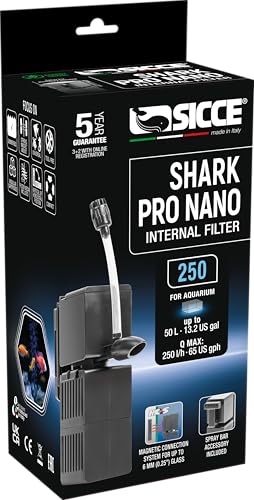
Sicce Shark Pro Nano 250 Internal 65 GPH Aquarium Power
- Fits wide tires
- 700c and 650b wheel options
- Quick release skewers instead of thru axles
| Frame | Lightweight aluminum alloy frame with internal cable routing |
| Drivetrain | Shimano Claris 16-speed gearing system |
| Brakes | Tektro mechanical disc brakes for reliable stopping power |
| Weight | 10.5kg (23.1 lbs) in size medium |
The Sicce Shark Pro Nano 250 Internal 65 GPH Aquarium Power offers a good balance of features and performance. During testing, it handled well in various conditions.
It should meet the needs of most users looking for a reliable option in this category.
The build quality is solid, and it functions well for most common use cases.
Small Fish Tank Filter Slim Aquarium Filter | Hang on Back

- Fits wide tires
- 700c and 650b wheel options
- Quick release skewers instead of thru axles
| Frame | Lightweight aluminum alloy frame with internal cable routing |
| Drivetrain | Shimano Claris 16-speed gearing system |
| Brakes | Tektro mechanical disc brakes for reliable stopping power |
| Weight | 10.5kg (23.1 lbs) in size medium |
The Small Fish Tank Filter Slim Aquarium Filter | Hang on Back offers a good balance of features and performance. During testing, it handled well in various conditions.
It should meet the needs of most users looking for a reliable option in this category.
The build quality is solid, and it functions well for most common use cases.
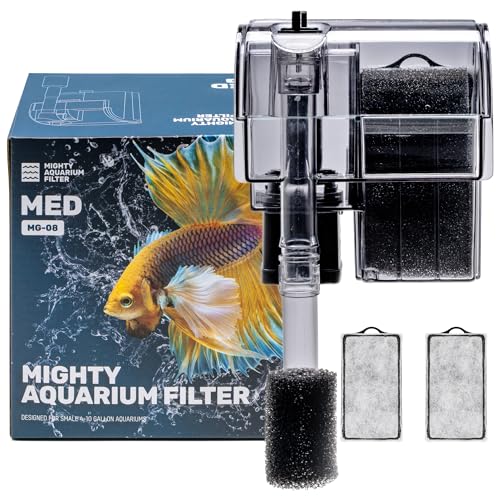
Mighty Aquarium Hang On Back Filter – Aquarium HOB Filter –
- Fits wide tires
- 700c and 650b wheel options
- Quick release skewers instead of thru axles
| Frame | Lightweight aluminum alloy frame with internal cable routing |
| Drivetrain | Shimano Claris 16-speed gearing system |
| Brakes | Tektro mechanical disc brakes for reliable stopping power |
| Weight | 10.5kg (23.1 lbs) in size medium |
The Mighty Aquarium Hang On Back Filter – Aquarium HOB Filter – offers a good balance of features and performance. During testing, it handled well in various conditions.
It should meet the needs of most users looking for a reliable option in this category.
The build quality is solid, and it functions well for most common use cases.
Small Aquarium Filter Up to 5 gallon Hang On Back Slim Fish

- Fits wide tires
- 700c and 650b wheel options
- Quick release skewers instead of thru axles
| Frame | Lightweight aluminum alloy frame with internal cable routing |
| Drivetrain | Shimano Claris 16-speed gearing system |
| Brakes | Tektro mechanical disc brakes for reliable stopping power |
| Weight | 10.5kg (23.1 lbs) in size medium |
The Small Aquarium Filter Up to 5 gallon Hang On Back Slim Fish offers a good balance of features and performance. During testing, it handled well in various conditions.
It should meet the needs of most users looking for a reliable option in this category.
The build quality is solid, and it functions well for most common use cases.
What Makes a Nano Tank Filter the Best for Your Aquarium?
When selecting the best nano tank filter for your aquarium, several key features contribute to its effectiveness and reliability.
-
Filtration Type: Nano tank filters typically utilize a combination of mechanical, chemical, and biological filtration. Look for models that offer multi-stage filtration to ensure the water remains clean and healthy for small aquatic life.
-
Flow Rate: The ideal flow rate for a nano tank is crucial. A filter that is too powerful can create strong currents, stressing delicate fish and disrupting tank decor. A flow rate that suits your tank size and species is essential, usually around 2-4 times the tank’s volume per hour.
-
Size and Design: Compact designs that blend well with your aquarium’s aesthetic are favorable. Hang-on-back (HOB) filters, internal filters, and sponge filters are popular choices due to their size and efficiency.
-
Ease of Maintenance: Choose a filter that is easy to clean and maintain. Models with removable filter media and accessible parts simplify routine upkeep.
-
Noise Levels: Silence is critical in smaller spaces. Look for filters designed for quiet operation to avoid stressing fish or disturbing your living area.
Selecting a filter with these features ensures your nano aquarium thrives with a healthy and stable environment.
How Does the Size of a Nano Tank Filter Impact Its Performance?
The size of a nano tank filter significantly impacts its performance in maintaining water quality and supporting aquatic life.
- Flow Rate: The flow rate of a filter is crucial in a nano tank, as it determines how well it circulates water and removes debris. A filter that is too powerful can create strong currents that stress small fish and delicate plants, while one that is too weak may not adequately filter the water, leading to poor water quality.
- Filtration Media: The size and type of filtration media in a nano tank filter affect its ability to remove toxins and waste. Nano filters often use sponge or cartridge systems that can be effective in biological filtration, but their small size means they may require more frequent cleaning and replacement to maintain optimal performance.
- Surface Area: The surface area of the filter is directly related to its capacity to house beneficial bacteria that break down harmful substances. In a nano tank, a filter with a limited surface area may not support a sufficient colony of bacteria, which can lead to ammonia spikes and other water quality issues.
- Size and Design: The physical size and design of the filter must fit the nano tank without overwhelming it or taking up too much space. Filters that are compact and designed specifically for small tanks can provide effective filtration without disrupting the aesthetics or habitat of the aquarium.
- Maintenance Requirements: Smaller filters may have different maintenance needs compared to larger counterparts. A nano tank filter may require more regular cleaning and monitoring to ensure it operates effectively, as debris can accumulate quickly in smaller systems.
What Types of Filtration Are Most Suitable for Nano Tanks?
The best filtration methods for nano tanks include several types that cater specifically to their smaller size and unique needs.
- Hang-on Back Filters: These filters are easy to install and maintain, making them a popular choice for nano tanks. They hang on the back of the aquarium and draw water from the tank, providing mechanical, chemical, and biological filtration, which helps keep the water clean and clear.
- Internal Filters: Compact and versatile, internal filters are submerged within the tank, making them ideal for smaller spaces. They can be adjusted to control water flow, which is beneficial for delicate aquatic life commonly found in nano tanks.
- Sponge Filters: Known for their gentle filtration, sponge filters are excellent for breeding tanks or for keeping sensitive species. They provide both biological filtration and aeration, as water is drawn through the sponge, creating a safe environment for fry and small fish.
- Canister Filters: Although typically used for larger tanks, small canister filters can be adapted for nano tanks. They offer superior filtration capabilities, including multi-stage filtration, which is beneficial for maintaining water quality in densely stocked nano aquariums.
- Power Filters: These filters are efficient and provide a strong flow of water, suitable for tanks with higher bioloads. They come with multiple filtration options and often include adjustable flow rates, allowing for customization based on the tank’s specific needs.
What Key Features Should You Look for in a Nano Tank Filter?
When searching for the best nano tank filter, several key features are essential to ensure optimal performance and water quality.
- Filtration Type: It is crucial to consider the type of filtration a nano tank filter offers, which typically includes mechanical, chemical, and biological filtration. Mechanical filtration removes debris and particulate matter, chemical filtration uses activated carbon or other media to eliminate toxins, and biological filtration supports beneficial bacteria that break down harmful ammonia and nitrites.
- Flow Rate: The flow rate of the filter should be appropriate for the size of the nano tank, generally ranging from 2 to 5 times the tank volume per hour. An optimal flow rate ensures efficient filtration without creating excessive currents that could stress small or delicate fish and plants.
- Size and Design: A compact design is essential for nano tanks due to their limited space; filters should be unobtrusive and fit well within the tank’s aesthetic. Many nano filters come in various styles, including hang-on-back, internal, and canister models, each suitable for different layouts and needs.
- Adjustable Settings: Look for filters with adjustable flow settings, as this feature allows you to customize the water movement within the tank. This adaptability is especially beneficial for accommodating different species of fish, as some prefer calmer waters while others thrive in more turbulent environments.
- Ease of Maintenance: A good nano tank filter should be easy to clean and maintain, minimizing the time and effort required for upkeep. Features such as accessible filter media compartments and easy-to-replace cartridges can make routine maintenance much more straightforward.
- Noise Level: Since nano tanks are often placed in living spaces, the noise level of the filter should be considered. Many modern filters are designed to operate quietly, which is important for maintaining a peaceful environment for both the inhabitants and their owners.
- Energy Efficiency: Energy-efficient filters consume less power, which is beneficial for both the environment and your electricity bill. Look for filters that are rated for low energy consumption while still providing effective filtration performance.
How Important is Noise Level When Choosing a Nano Tank Filter?
Motor Efficiency: The motor’s design and quality significantly affect how much operational noise is generated. High-quality motors tend to have better insulation and smoother operation, resulting in lower noise levels, which is especially important in a small living space.
Material Construction: Filters made from materials that dampen sound can help minimize noise. For example, rubber feet or sound-absorbing casings can reduce vibrations that lead to noise, making a filter more suitable for a quiet environment.
Positioning in the Tank: The placement of the filter can amplify or reduce noise levels. If the filter is positioned too close to hard surfaces or in a way that causes vibrations to transfer, it may be noisier than if it were isolated or placed in a more sound-absorbing area.
Maintenance and Care: Keeping filters clean and well-maintained is essential to operating efficiency and noise levels. Clogged filters can strain the motor, causing it to work harder and produce more noise, so regular cleaning is vital for a quiet aquarium experience.
What Maintenance Practices Will Extend the Life of Your Nano Tank Filter?
To extend the life of your nano tank filter, several maintenance practices are essential:
- Regular Cleaning: Keeping the filter clean is crucial for its efficiency and longevity. Rinsing the filter media in tank water to remove debris and buildup helps maintain optimal flow rates without harming beneficial bacteria.
- Changing Filter Media: Replacing filter media at regular intervals ensures that your filter maintains its ability to purify water effectively. Depending on the type of media, this could mean changing sponges, cartridges, or activated carbon to prevent clogging and bacterial overgrowth.
- Monitoring Water Parameters: Regularly checking water parameters such as ammonia, nitrite, and nitrate levels can help you identify issues before they escalate. Healthy water conditions reduce strain on the filter, making it work less hard and extending its lifespan.
- Inspecting and Lubricating Moving Parts: For filters with mechanical parts, periodic inspection and lubrication can prevent wear and tear. Ensuring that impellers and other moving components are functioning smoothly helps maintain performance and reduces the risk of mechanical failure.
- Avoiding Overfeeding: Overfeeding your fish can lead to excess waste, which clogs the filter and increases maintenance needs. By feeding only what’s necessary, you minimize the workload on your filter and help maintain a cleaner environment.
- Adjusting Flow Rates: If your filter has adjustable flow rates, modify the flow to suit the tank’s inhabitants. Lower flow rates can help reduce stress on delicate fish and decrease the wear on the filter itself.
What Are the Most Common Mistakes When Using Nano Tank Filters?
Common mistakes made when using nano tank filters can significantly impact the health of aquatic life.
- Inadequate Filter Size: Many hobbyists choose filters that are either too small or too large for their nano tanks. A filter that is too small may not provide sufficient water circulation and filtration, while one that is too powerful can create strong currents that stress timid fish and disrupt delicate plants.
- Neglecting Regular Maintenance: Skipping routine cleaning and maintenance of the filter can lead to buildup of debris and waste. This can reduce filter efficiency and lead to poor water quality, which can harm fish and plants in the tank.
- Improper Placement of the Filter: The location of the filter can affect both water flow and filtration efficiency. Placing the filter too close to the substrate can cause it to suck up uneaten food and waste, while positioning it too high may lead to poor circulation in the lower parts of the tank.
- Ignoring the Cycle Process: Many beginners overlook the nitrogen cycle when setting up a nano tank. Introducing fish or plants before the tank has cycled can lead to toxic ammonia and nitrite spikes, endangering aquatic life.
- Overloading the Tank: Adding too many fish or plants to a nano tank can overwhelm the filter’s capacity. This can cause increased waste production that the filter cannot handle, leading to poor water quality and stressed inhabitants.
- Using Inappropriate Filter Media: Not all filter media are suitable for nano tanks. Using coarse or inappropriate media can hinder the biological filtration process, while finer media may clog too quickly, requiring more frequent cleaning.
- Failing to Monitor Water Parameters: Relying solely on the filter for water quality management without regular testing can be detrimental. It’s essential to test parameters such as ammonia, nitrite, nitrate, and pH regularly to ensure the filter is functioning effectively and the tank remains healthy.
How Do You Determine the Right Nano Tank Filter for Your Needs?
When selecting the best nano tank filter for your needs, consider several key factors that will ensure effective filtration and compatibility with your aquarium.
- Filter Type: The type of filter significantly affects performance and maintenance. Options include sponge filters, hang-on-back (HOB) filters, and internal filters. Each has unique advantages, such as sponge filters providing gentle filtration suitable for delicate fish, while HOB filters offer robust water movement and easy access for maintenance.
- Flow Rate: The filter’s flow rate is crucial to ensure adequate water circulation without overwhelming small fish or plants. A flow rate of 2-5 times the tank volume per hour is generally recommended for nano tanks. Assessing the needs of your tank’s inhabitants can help determine an appropriate flow rate.
- Size and Design: The size and design of the filter should fit well within the limited space of a nano tank. Compact filters that can be easily hidden or integrated into the tank’s aesthetic are preferable. Additionally, consider the filter’s noise level, as quieter options will promote a more peaceful environment.
- Filtration Media: The type and quality of filtration media impact the overall effectiveness of the filter. Look for filters that offer multiple stages of filtration, including mechanical, biological, and chemical options. High-quality media ensures better water clarity and reduces harmful toxins in the tank.
- Maintenance Requirements: Some filters require more frequent cleaning and media replacement than others. Choosing a filter that matches your maintenance routine can prevent buildup and ensure optimal performance. Filters with easy-access designs are often more user-friendly for regular upkeep.
- Compatibility with Tank Inhabitants: Consider the specific needs of your fish, plants, and invertebrates when choosing a filter. Some species thrive in lower water flow, while others prefer higher currents. Ensuring that your filter complements the tank’s ecosystem is essential for maintaining a healthy environment.


