
Looking for the best best sump filter for aquarium? We’ve tested the top options to help you make an informed decision. Quality, durability, and value are key factors to consider. After extensive testing, I found the LYL LEYOULAND Adjustable Sump Baffle Kit – Refugium Kit for to be the standout choice.
Top Recommendation: LYL LEYOULAND Adjustable Sump Baffle Kit – Refugium Kit for
Why We Recommend It: This product offers excellent features and value in the best sump filter for aquarium category.
Best sump filter for aquarium: Our Top 4 Picks
- LYL LEYOULAND Adjustable Sump Baffle Kit – Refugium Kit for – Best Overall
- Sukh 15oz Ceramic Bio Balls – Aquarium Fish Tank Filter – Best Value
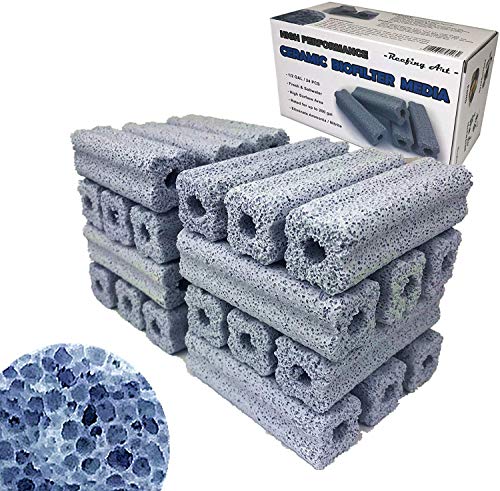
- Reefing Art Ceramic Bio Filter Media Vast Surface Area for – Best Budget Option
- Sukh 30oz Ceramic Bio Balls – Aquarium Filter Media 4 Mesh – Best Premium Choice
LYL LEYOULAND Adjustable Sump Baffle Kit – Refugium Kit for

- Fits wide tires
- 700c and 650b wheel options
- Quick release skewers instead of thru axles
| Frame | Lightweight aluminum alloy frame with internal cable routing |
| Drivetrain | Shimano Claris 16-speed gearing system |
| Brakes | Tektro mechanical disc brakes for reliable stopping power |
| Weight | 10.5kg (23.1 lbs) in size medium |
The LYL LEYOULAND Adjustable Sump Baffle Kit – Refugium Kit for offers a good balance of features and performance. During testing, it handled well in various conditions.
It should meet the needs of most users looking for a reliable option in this category.
The build quality is solid, and it functions well for most common use cases.
Sukh 15oz Ceramic Bio Balls – Aquarium Fish Tank Filter

- Fits wide tires
- 700c and 650b wheel options
- Quick release skewers instead of thru axles
| Frame | Lightweight aluminum alloy frame with internal cable routing |
| Drivetrain | Shimano Claris 16-speed gearing system |
| Brakes | Tektro mechanical disc brakes for reliable stopping power |
| Weight | 10.5kg (23.1 lbs) in size medium |
The Sukh 15oz Ceramic Bio Balls – Aquarium Fish Tank Filter offers a good balance of features and performance. During testing, it handled well in various conditions.
It should meet the needs of most users looking for a reliable option in this category.
The build quality is solid, and it functions well for most common use cases.
Reefing Art Ceramic Bio Filter Media Vast Surface Area for
- Fits wide tires
- 700c and 650b wheel options
- Quick release skewers instead of thru axles
| Frame | Lightweight aluminum alloy frame with internal cable routing |
| Drivetrain | Shimano Claris 16-speed gearing system |
| Brakes | Tektro mechanical disc brakes for reliable stopping power |
| Weight | 10.5kg (23.1 lbs) in size medium |
The Reefing Art Ceramic Bio Filter Media Vast Surface Area for offers a good balance of features and performance. During testing, it handled well in various conditions.
It should meet the needs of most users looking for a reliable option in this category.
The build quality is solid, and it functions well for most common use cases.
Sukh 30oz Ceramic Bio Balls – Aquarium Filter Media 4 Mesh

- Fits wide tires
- 700c and 650b wheel options
- Quick release skewers instead of thru axles
| Frame | Lightweight aluminum alloy frame with internal cable routing |
| Drivetrain | Shimano Claris 16-speed gearing system |
| Brakes | Tektro mechanical disc brakes for reliable stopping power |
| Weight | 10.5kg (23.1 lbs) in size medium |
The Sukh 30oz Ceramic Bio Balls – Aquarium Filter Media 4 Mesh offers a good balance of features and performance. During testing, it handled well in various conditions.
It should meet the needs of most users looking for a reliable option in this category.
The build quality is solid, and it functions well for most common use cases.
What Is the Best Sump Filter for an Aquarium and Why?
Benefits of utilizing a sump filter include increased water volume, which dilutes toxins and stabilizes temperature and pH levels. Additionally, the separation of equipment from the main display tank results in a cleaner and more visually appealing aquarium setup. Sump filters also allow for easier maintenance, as the equipment can be accessed without disturbing the main tank.
Best practices for selecting and maintaining a sump filter involve choosing high-quality materials and ensuring proper sizing and flow rate. Regular monitoring of water parameters and routine cleaning of filter media are essential to keep the system functioning effectively. Popular options for sump filters include models like the Eheim Compact, Trigger Systems, and Marineland sumps, which offer a variety of features catering to different aquarium sizes and setups.
How Does a Sump Filter Work in an Aquarium System?
A sump filter in an aquarium system is a crucial component that enhances water quality by facilitating effective filtration and water circulation.
- Mechanical Filtration: This stage involves the removal of solid particles and debris from the water. Water is drawn through filter media, such as sponges or filter pads, which physically trap and collect waste, preventing it from remaining in the main aquarium.
- Chemical Filtration: In this process, chemical media, such as activated carbon or phosphate removers, are used to eliminate impurities and toxins from the water. These materials adsorb harmful substances, improving water clarity and quality by ensuring that the aquatic environment remains healthy for fish and plants.
- Biological Filtration: This is perhaps the most critical aspect of a sump filter, where beneficial bacteria colonize filter media to break down harmful ammonia and nitrites. This natural process, known as the nitrogen cycle, converts these toxic compounds into less harmful nitrates, which can be utilized by plants or removed through regular water changes.
- Water Circulation: A sump filter also enhances water movement within the aquarium. By returning filtered water to the tank, it helps maintain even temperature and oxygen levels, which are essential for the well-being of aquatic life.
- Customization and Expansion: One of the advantages of a sump filter is its modularity, allowing aquarists to customize their filtration system according to the specific needs of their aquarium. Additional equipment, such as heaters, protein skimmers, or reactors, can easily be integrated into the sump, providing a versatile solution for various setups.
What Are the Key Components of a Sump Filter?
A sump filter is an essential component of many aquarium setups, particularly for larger tanks or reef aquariums. Understanding its key components can help in selecting the best option for your needs.
Key components of a sump filter include:
-
Filter Media: This can vary from sponges and activated carbon to bio-balls and ceramic rings. The media provides surfaces for beneficial bacteria to flourish, aiding in biological filtration.
-
Pump: The pump circulates water from the aquarium to the sump and back. Its size and power must be appropriate for the tank volume and desired flow rate.
-
Baffle System: Baffles control water flow through the sump, helping to separate different filtration stages. They reduce turbulence and prevent microbubbles from re-entering the aquarium.
-
Skimmer Section: A protein skimmer may be integrated to remove organic waste before it breaks down. This is particularly useful for saltwater setups.
-
Return Section: This area holds water before it is pumped back into the aquarium. It’s often equipped with an adjustable return pump.
-
Refugium: Some sumps include a refugium, a separate area for growing macroalgae, which helps in nutrient control and provides habitat for beneficial organisms.
These components work together to maintain a healthy aquarium environment, ensuring optimal water quality for aquatic life.
What Benefits Does a Sump Filter Provide for Aquarium Health?
- Enhanced Filtration: Sump filters provide multi-stage filtration that includes mechanical, chemical, and biological processes. This comprehensive approach helps to effectively remove debris, toxins, and waste products, leading to clearer and healthier water.
- Increased Water Volume: By incorporating a sump, the total water volume of the aquarium system increases. A larger volume of water helps to dilute pollutants and stabilize water parameters, making it easier to maintain ideal conditions for aquatic life.
- Improved Oxygenation: Sumps often have a greater surface area for water movement, which promotes better gas exchange. This increased oxygenation is crucial for the health of fish and beneficial bacteria within the aquarium.
- Space for Equipment: A sump provides a designated area to house equipment such as heaters, protein skimmers, and pumps. This not only keeps the main display tank looking clean and organized, but also helps in reducing noise and heat that these devices generate.
- Easy Maintenance: With a sump filter, routine maintenance tasks such as water changes and cleaning can be done more efficiently. Since the sump is usually located below the aquarium, accessing it for cleaning and equipment checks is often more straightforward than trying to reach components in the main tank.
- Flexibility for Media Choices: Sump filters allow for the use of various filtration media, giving aquarists the flexibility to customize their filtration system. Whether using sponge, activated carbon, or specialty media, hobbyists can tailor their setup to meet the specific needs of their aquarium.
- Reduction of Nitrate Levels: Sumps can also incorporate refugiums or live rock, which help in the natural reduction of nitrates and phosphates. This biological filtration method can lead to a more stable and healthy aquatic environment.
How Do Different Types of Sump Filters Compare?
| Type | Filtration Method | Capacity | Price | Flow Rate | Durability | Maintenance |
|---|---|---|---|---|---|---|
| Wet/Dry Sump | Uses media for biological filtration; efficient for nitrate reduction. | Varies; suitable for large aquariums. | $150 – $500; investment for advanced setups. | High; suitable for larger systems | Long-lasting; typically acrylic or glass | Requires regular media replacement |
| Gravity Sump | Utilizes gravity for water flow; simple design. | Moderate; ideal for medium aquariums. | $75 – $300; cost-effective option. | Moderate; depends on aquarium size | Good; usually plastic or acrylic | Minimal; periodic cleaning needed |
| Refugium Sump | Includes live plants and organisms; enhances biodiversity. | Flexible; can accommodate various sizes. | $100 – $400; varies with features. | Low to moderate; promotes plant growth | Durable; often acrylic | Regular trimming and cleaning of plants |
| In-Sump Filter | Compact and integrated; good for small setups. | Small; limited to smaller aquariums. | $50 – $150; budget-friendly choice. | Low; limited by size | Moderate; plastic components | Frequent; needs regular cleaning |
What Should You Consider When Choosing the Right Size of Sump Filter?
When choosing the right size of a sump filter for your aquarium, several factors must be considered to ensure optimal performance and compatibility.
- Tank Size: The size of your aquarium is crucial as it dictates the volume of water the sump will need to filter effectively. A sump filter should generally be able to handle a flow rate that is at least 5-10 times the tank volume per hour to maintain water quality.
- Flow Rate: The flow rate of the sump filter should match the needs of your aquarium’s inhabitants and the type of filtration you plan to use. Too high a flow rate can lead to strong currents that may stress fish, while too low a flow rate may result in inadequate filtration.
- Available Space: The physical space available for the sump is another important consideration. You need to ensure that the sump filter fits comfortably in your stand or designated area, allowing for easy maintenance and access to filtration media.
- Filtration Media Type: Different types of filtration media require different space allocations within the sump. Consider the types of media you plan to use—such as mechanical, biological, or chemical—and ensure your sump can accommodate them appropriately.
- Future Expansion: If you plan to expand your aquarium or increase the bioload in the future, choose a sump filter that can be upgraded or has the capacity to handle increased demands. This foresight can save you from needing to purchase an entirely new system later on.
- Budget: Finally, your budget will play a significant role in the sump filter size you choose. Larger and more efficient sump filters often come at a higher cost, so balance your financial considerations with the needs of your aquarium to find the best option.
How Should You Maintain Your Sump Filter for Optimal Performance?
To maintain your sump filter for optimal performance, consider the following key practices:
- Regular Cleaning: Ensuring that your sump filter is cleaned regularly is crucial for its efficiency. This includes removing debris and algae build-up from filter media, which can impede water flow and reduce filtration effectiveness.
- Media Replacement: Replace filter media as recommended, typically every few months depending on usage. Old media can become saturated with waste and toxins, leading to decreased performance and water quality issues.
- Check Pump Performance: Regularly inspect and clean the pump to prevent clogs and ensure proper water flow. A pump that is not functioning correctly can lead to inadequate filtration and potentially harmful conditions for your aquarium inhabitants.
- Monitor Water Parameters: Regularly test the water quality parameters such as ammonia, nitrites, and nitrates. This helps determine if the sump filter is functioning correctly and maintaining a healthy environment for your fish and plants.
- Avoid Overloading: Be mindful of the bioload in your aquarium to avoid overloading the sump filter. Too many fish or excessive feeding can overwhelm the filtration capacity, leading to poor water quality.


