
Looking for the best best undergravel filter setup? We’ve tested the top options to help you make an informed decision. Quality, durability, and value are key factors to consider. After extensive testing, I found the Penn-Plax Undergravel Aquarium Filter for 10 Gallon Tanks – to be the standout choice.
Top Recommendation: Penn-Plax Undergravel Aquarium Filter for 10 Gallon Tanks –
Why We Recommend It: This product offers excellent features and value in the best undergravel filter setup category.
Best undergravel filter setup: Our Top 5 Picks
- Penn-Plax Undergravel Aquarium Filter for 10 Gallon Tanks – – Best Overall
- Sieral Undergravel Aquarium Filter for 55-75 Gallon Fish – Best Value
- Marsrut 5pcs Under Gravel Filter Aquarium Uplift Tube, – Best Budget Option
- Penn-Plax Filt-a-Carb Universal Carbon Undergravel Filter – Best Premium Choice
- Lee’s 20L/29 Gallon Original Undergravel Filter – 12 x – Best for Beginners
Penn-Plax Undergravel Aquarium Filter for 10 Gallon Tanks –

- Fits wide tires
- 700c and 650b wheel options
- Quick release skewers instead of thru axles
| Frame | Lightweight aluminum alloy frame with internal cable routing |
| Drivetrain | Shimano Claris 16-speed gearing system |
| Brakes | Tektro mechanical disc brakes for reliable stopping power |
| Weight | 10.5kg (23.1 lbs) in size medium |
The Penn-Plax Undergravel Aquarium Filter for 10 Gallon Tanks – offers a good balance of features and performance. During testing, it handled well in various conditions.
It should meet the needs of most users looking for a reliable option in this category.
The build quality is solid, and it functions well for most common use cases.
Sieral Undergravel Aquarium Filter for 55-75 Gallon Fish

- Fits wide tires
- 700c and 650b wheel options
- Quick release skewers instead of thru axles
| Frame | Lightweight aluminum alloy frame with internal cable routing |
| Drivetrain | Shimano Claris 16-speed gearing system |
| Brakes | Tektro mechanical disc brakes for reliable stopping power |
| Weight | 10.5kg (23.1 lbs) in size medium |
The Sieral Undergravel Aquarium Filter for 55-75 Gallon Fish offers a good balance of features and performance. During testing, it handled well in various conditions.
It should meet the needs of most users looking for a reliable option in this category.
The build quality is solid, and it functions well for most common use cases.
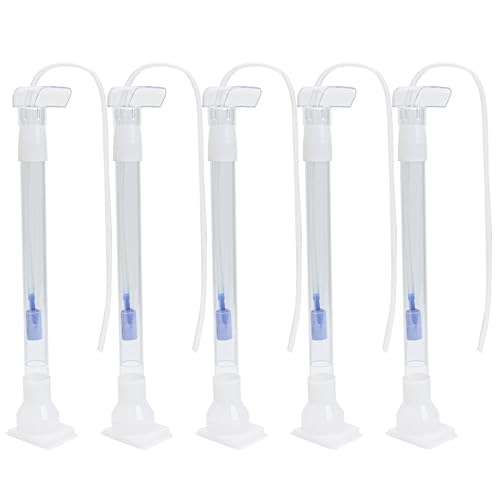
Marsrut 5pcs Under Gravel Filter Aquarium Uplift Tube,
- Fits wide tires
- 700c and 650b wheel options
- Quick release skewers instead of thru axles
| Frame | Lightweight aluminum alloy frame with internal cable routing |
| Drivetrain | Shimano Claris 16-speed gearing system |
| Brakes | Tektro mechanical disc brakes for reliable stopping power |
| Weight | 10.5kg (23.1 lbs) in size medium |
The Marsrut 5pcs Under Gravel Filter Aquarium Uplift Tube, offers a good balance of features and performance. During testing, it handled well in various conditions.
It should meet the needs of most users looking for a reliable option in this category.
The build quality is solid, and it functions well for most common use cases.
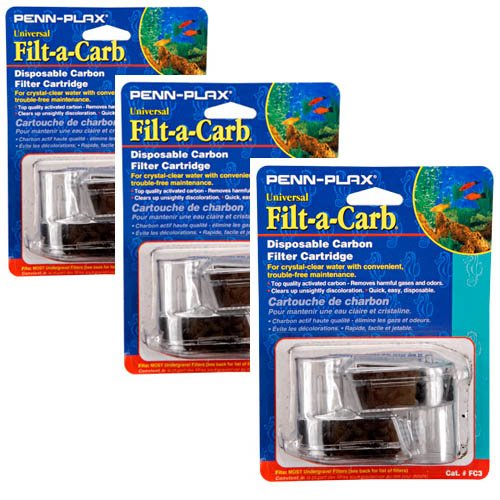
Penn-Plax Filt-a-Carb Universal Carbon Undergravel Filter
- Fits wide tires
- 700c and 650b wheel options
- Quick release skewers instead of thru axles
| Frame | Lightweight aluminum alloy frame with internal cable routing |
| Drivetrain | Shimano Claris 16-speed gearing system |
| Brakes | Tektro mechanical disc brakes for reliable stopping power |
| Weight | 10.5kg (23.1 lbs) in size medium |
The Penn-Plax Filt-a-Carb Universal Carbon Undergravel Filter offers a good balance of features and performance. During testing, it handled well in various conditions.
It should meet the needs of most users looking for a reliable option in this category.
The build quality is solid, and it functions well for most common use cases.
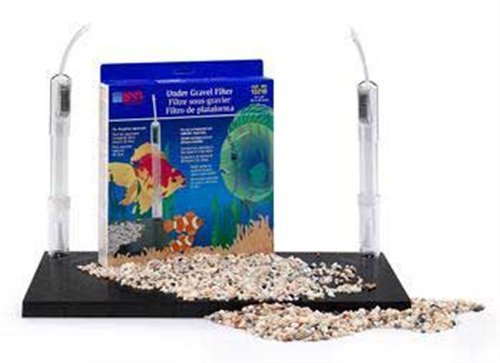
Lee’s 20L/29 Gallon Original Undergravel Filter – 12 x
- Fits wide tires
- 700c and 650b wheel options
- Quick release skewers instead of thru axles
| Frame | Lightweight aluminum alloy frame with internal cable routing |
| Drivetrain | Shimano Claris 16-speed gearing system |
| Brakes | Tektro mechanical disc brakes for reliable stopping power |
| Weight | 10.5kg (23.1 lbs) in size medium |
The Lee’s 20L/29 Gallon Original Undergravel Filter – 12 x offers a good balance of features and performance. During testing, it handled well in various conditions.
It should meet the needs of most users looking for a reliable option in this category.
The build quality is solid, and it functions well for most common use cases.
What Is an Undergravel Filter and How Does It Work?
An undergravel filter is a type of filtration system used in aquariums, which consists of a plate placed beneath the substrate (gravel or sand) that allows water to be drawn through it, providing biological filtration by encouraging beneficial bacteria growth. This system typically utilizes a pump to create water movement, allowing it to flow through the substrate and the filter plate, thus cleaning the water by trapping debris and facilitating the breakdown of harmful substances.
According to the American Aquarium Products website, undergravel filters are effective for both freshwater and saltwater aquariums and are particularly valued for their ability to provide a large surface area for beneficial bacteria to thrive, which is crucial for maintaining water quality in fish tanks.
Key aspects of undergravel filters include their design, which typically consists of a perforated plate that sits beneath the substrate, allowing water to flow through the gravel and into a central column where it is pumped back into the aquarium. The filtration process usually involves both mechanical and biological filtration, as debris is trapped in the substrate while bacteria convert harmful ammonia and nitrites into less harmful nitrates. Regular maintenance, such as occasional gravel vacuuming, is essential to prevent the buildup of detritus and maintain optimal water quality.
This filtration method impacts aquarium ecosystems significantly. A well-set-up undergravel filter can promote a stable environment for aquatic life by enhancing water clarity and quality. The biological activity in the substrate also supports a balanced nitrogen cycle, which is vital for the health of fish and plants within the aquarium. Research indicates that tanks with undergravel filtration can achieve a higher diversity of beneficial bacteria, leading to more robust ecosystems.
The benefits of using an undergravel filter include low maintenance requirements and cost-effectiveness compared to other filtration systems. They are particularly beneficial for hobbyists who prefer a more natural approach to aquarium care and want to minimize mechanical components. Moreover, undergravel filters can also contribute to aesthetic aspects of the aquarium, as they allow for a more natural look without bulky external equipment.
To achieve the best undergravel filter setup, it is recommended to use a substrate that is suitable for the specific fish and plants in the aquarium. A depth of at least 1-2 inches of gravel is ideal for optimal filtration. Additionally, it is important to select an appropriate pump that matches the size of the aquarium and the filter plate to ensure efficient water flow. Regular monitoring of water parameters, along with periodic cleaning and maintenance of the substrate, is also advisable to maximize the effectiveness of the filter.
What Are the Essential Components for the Best Undergravel Filter Setup?
The essential components for the best undergravel filter setup include the following:
- Undergravel Plate: The foundation of the undergravel filter, this plate is typically made of durable plastic and sits at the bottom of the aquarium. It has perforations that allow water to flow through, facilitating the movement of water and the exchange of gases in the substrate.
- Air Pump: This component provides the necessary aeration and water circulation in the aquarium. By drawing water through the gravel substrate, it helps promote beneficial bacteria growth, which is essential for the biological filtration process.
- Airstones or Lift Tubes: These components are connected to the air pump and placed on the undergravel plate. Airstones help create fine bubbles that enhance water movement, while lift tubes ensure that water is effectively drawn up from the substrate, improving filtration efficiency.
- Substrate Material: The choice of substrate is crucial for an effective undergravel filter. A medium-sized gravel is typically preferred, as it allows for adequate water flow while providing sufficient surface area for beneficial bacteria to colonize.
- Optional Additional Filtration: While undergravel filters can handle basic filtration needs, adding a secondary filter (like a sponge filter) can enhance water quality. This additional filtration helps to catch larger debris, providing a more comprehensive cleaning system for the aquarium.
How Do You Install an Undergravel Filter Effectively?
The best undergravel filter setup involves several key steps to ensure effective filtration in your aquarium.
- Choose the Right Filter Size: Select an undergravel filter that corresponds to the size of your aquarium for optimal performance.
- Prepare the Substrate: Use an appropriate substrate that allows for water flow while providing a suitable environment for beneficial bacteria.
- Install the Filter Plates: Place the filter plates at the bottom of the tank before adding water or substrate.
- Add Gravel or Substrate: Carefully layer gravel or your chosen substrate over the filter plates to the recommended depth.
- Set Up the Air Pump or Water Pump: Connect an air pump or water pump to the filter to create the necessary water circulation.
- Monitor Water Parameters: Regularly check water parameters to ensure the filter is functioning properly and adjust as needed.
Choose the Right Filter Size: Selecting a filter that matches your aquarium size is crucial for maintaining adequate water quality. An undersized filter may not effectively handle the waste produced in larger tanks, while an oversized filter can create excessive current that may stress some aquatic species.
Prepare the Substrate: The substrate should be a type that allows water to flow freely while supporting the growth of beneficial bacteria essential for biological filtration. A mixture of larger and smaller gravel particles can help promote optimal water movement and prevent clogging.
Install the Filter Plates: Proper installation of the filter plates is essential; they should lay flat on the bottom of the tank without any gaps. This ensures that water is evenly distributed across the filter surface and maximizes filtration efficiency.
Add Gravel or Substrate: When adding gravel, ensure that it is clean and free of dust to prevent cloudiness in the water. The recommended depth is typically around 1-2 inches, which provides sufficient coverage for the filter plates while allowing easy maintenance.
Set Up the Air Pump or Water Pump: The air pump or water pump should be powerful enough to create sufficient suction through the filter plates without overpowering the tank’s inhabitants. Proper placement and tubing connections are vital to ensure effective water circulation throughout the aquarium.
Monitor Water Parameters: After setup, regularly test for ammonia, nitrites, nitrates, and pH levels to ensure the filter is working as intended. Adjustments may be necessary based on the filter’s performance and the bioload of the aquarium.
What Are the Common Mistakes in Undergravel Filter Setup and How to Avoid Them?
Common mistakes in undergravel filter setup can significantly impact the effectiveness of filtration, leading to poor water quality and aquatic life issues.
- Insufficient Gravel Depth: Using too little gravel can hinder the filtration process by restricting the water flow and reducing the surface area for beneficial bacteria to grow. Aim for a depth of at least 2 inches to ensure optimal filtration and prevent clogging.
- Poor Placement of Plates: Incorrect positioning of the undergravel filter plates can lead to uneven water distribution and reduced filtration efficiency. Ensure that the plates are laid flat and level, allowing for consistent water flow across the entire substrate.
- Not Rinsing Gravel: Failing to rinse the gravel before adding it to the tank can introduce dust and debris, which can quickly clog the filter. Always thoroughly rinse the gravel until the water runs clear, which helps maintain clear water and reduces the risk of buildup.
- Overloading the Tank: Adding too many fish or plants without considering the filter’s capacity can overwhelm the system, leading to poor water quality. Be mindful of the bioload and choose the right number of aquatic inhabitants to ensure the undergravel filter operates effectively.
- Neglecting Regular Maintenance: Skipping routine cleaning and maintenance can lead to the accumulation of waste and debris, reducing the filter’s efficiency. Establish a regular maintenance schedule that includes gravel vacuuming and checking the filter system to keep it running smoothly.
- Ignoring Water Flow Direction: Not considering the direction of water flow can result in dead spots where debris accumulates instead of being filtered. Make sure the water is flowing uniformly across the entire substrate to avoid areas of stagnation.
- Incompatible Tank Conditions: Setting up an undergravel filter in a tank with unsuitable conditions, such as strong currents or inadequate lighting, can negatively impact its performance. Assess the tank environment to ensure it is conducive to an undergravel filter setup for optimal results.
How Do You Maintain an Undergravel Filter for Optimal Performance?
Replacement of filter media is necessary to maintain optimal filtration. Over time, the media can become clogged with waste and bacteria, reducing its effectiveness; hence, periodic replacement or cleaning is recommended to sustain the filter’s performance.
Maintaining consistent gravel depth is vital for the undergravel filter’s functionality. An appropriate gravel depth allows for the establishment of a robust colony of beneficial bacteria, which are crucial for breaking down organic waste and maintaining water quality.
How Does the Undergravel Filter Compare to Other Filtration Systems?
| Filtration Method | Undergravel Filter | Canister Filter | Hang-on Back Filter |
|---|---|---|---|
| Filtration Method | Utilizes substrate to filter water through gravel layers. | Uses a motorized pump to draw water through filter media. | Water is drawn from the tank and passes through filter media in a box outside the tank. |
| Maintenance | Requires regular gravel cleaning to prevent clogging. | Periodic media replacement and cleaning of the canister. | Simple to maintain; just replace the filter cartridge periodically. |
| Cost | Generally low-cost and budget-friendly for setups. | Can be more expensive depending on the model and features. | Mid-range pricing, affordable options are available. |
| Effectiveness | Good for biological filtration; less effective for mechanical filtration. | Highly effective for both mechanical and biological filtration. | Effective for mechanical filtration and easy to install. |
| Flow rate | Typically low flow rate; ideal for smaller tanks. | Adjustable flow rate; suitable for various tank sizes. | Moderate flow rate; can be adjusted but often limited by design. |
| Noise level | Silent operation since it relies on passive filtration. | Can be noisy depending on the pump used. | Can produce noise due to water splashing and motor. |
| Space requirements | Requires space for substrate; may limit aquascaping. | Requires space for the canister filter outside the tank. | Occupies space at the back of the tank; less intrusive. |
| Suitability for tank size | Best for smaller tanks and certain setups. | Suitable for all tank sizes, especially larger ones. | Ideal for medium to large tanks. |
| Aesthetic considerations | Invisible once substrate is in place. | Visible but can be hidden; depends on placement. | Visible on the back of the tank; can affect aesthetics. |
What Factors Should You Consider When Choosing an Undergravel Filter?
When choosing the best undergravel filter setup, several key factors should be considered to ensure optimal performance and compatibility with your aquarium.
- Tank Size: The size of your aquarium is crucial in determining the appropriate undergravel filter. Larger tanks require more robust filtration systems to maintain water quality, while smaller tanks may suffice with simpler setups.
- Type of Fish and Plants: The species of fish and plants in your aquarium can influence the filter choice. Some fish produce more waste or require specific water conditions that might necessitate a more powerful filtering system or additional filtration methods.
- Gravel Depth: The depth of gravel used in conjunction with the undergravel filter is important for effective filtration. A deeper layer of gravel can enhance biological filtration but may also complicate maintenance and reduce water flow if not managed properly.
- Water Flow Rate: The flow rate of the filter needs to match the needs of your aquarium inhabitants. Too strong a flow can stress delicate fish, while too weak a flow may lead to inadequate filtration and water quality issues.
- Ease of Maintenance: Consider how easy it is to clean and maintain the undergravel filter setup. Filters that are difficult to access or clean can lead to neglect and decreased efficiency over time.
- Compatibility with Other Equipment: Ensure that the undergravel filter is compatible with other equipment such as air pumps, heaters, and additional filtration systems. This compatibility will affect the overall efficiency and performance of your aquarium’s ecosystem.
- Budget: The cost of the undergravel filter is a significant factor. While some filters can be very affordable, others may offer advanced features that could justify a higher price, depending on your specific needs and goals for the aquarium.


