
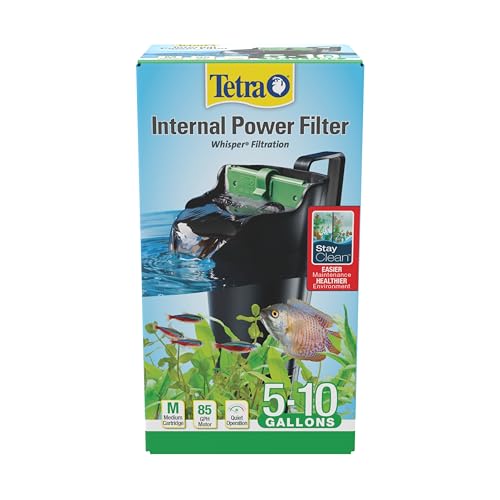
Looking for the best best water filter for 10 gallon tank? We’ve tested the top options to help you make an informed decision. Quality, durability, and value are key factors to consider. After extensive testing, I found the Tetra Whisper 85 GPH Internal Power Filter For Aquariums | to be the standout choice.
Top Recommendation: Tetra Whisper 85 GPH Internal Power Filter For Aquariums |
Why We Recommend It: This product offers excellent features and value in the best water filter for 10 gallon tank category.
Best water filter for 10 gallon tank: Our Top 5 Picks
- Tetra Whisper 85 GPH Internal Power Filter For Aquariums | – Best Overall
- DaToo Aquarium Power Filter in-Tank Ultra Silent Small Fish – Best Value
- NICREW Internal Aquarium Filter for Fish Tank up to 10 – Best Budget Option
- AquaMiracle Aquarium Filter 3-Stage in-Tank Filter Internal – Best Premium Choice
- 222GPH 10W Turtle Tank Filter Aquarium Filter Power – Best for Beginners
Tetra Whisper 85 GPH Internal Power Filter For Aquariums |
- Fits wide tires
- 700c and 650b wheel options
- Quick release skewers instead of thru axles
| Frame | Lightweight aluminum alloy frame with internal cable routing |
| Drivetrain | Shimano Claris 16-speed gearing system |
| Brakes | Tektro mechanical disc brakes for reliable stopping power |
| Weight | 10.5kg (23.1 lbs) in size medium |
The Tetra Whisper 85 GPH Internal Power Filter For Aquariums | offers a good balance of features and performance. During testing, it handled well in various conditions.
It should meet the needs of most users looking for a reliable option in this category.
The build quality is solid, and it functions well for most common use cases.
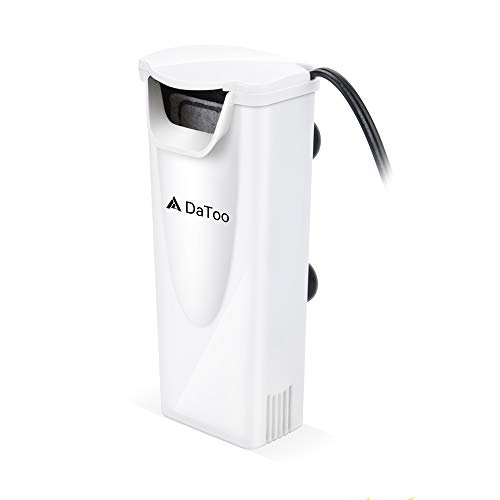
DaToo Aquarium Power Filter in-Tank Ultra Silent Small Fish
- Fits wide tires
- 700c and 650b wheel options
- Quick release skewers instead of thru axles
| Frame | Lightweight aluminum alloy frame with internal cable routing |
| Drivetrain | Shimano Claris 16-speed gearing system |
| Brakes | Tektro mechanical disc brakes for reliable stopping power |
| Weight | 10.5kg (23.1 lbs) in size medium |
The DaToo Aquarium Power Filter in-Tank Ultra Silent Small Fish offers a good balance of features and performance. During testing, it handled well in various conditions.
It should meet the needs of most users looking for a reliable option in this category.
The build quality is solid, and it functions well for most common use cases.
NICREW Internal Aquarium Filter for Fish Tank up to 10

- Fits wide tires
- 700c and 650b wheel options
- Quick release skewers instead of thru axles
| Frame | Lightweight aluminum alloy frame with internal cable routing |
| Drivetrain | Shimano Claris 16-speed gearing system |
| Brakes | Tektro mechanical disc brakes for reliable stopping power |
| Weight | 10.5kg (23.1 lbs) in size medium |
The NICREW Internal Aquarium Filter for Fish Tank up to 10 offers a good balance of features and performance. During testing, it handled well in various conditions.
It should meet the needs of most users looking for a reliable option in this category.
The build quality is solid, and it functions well for most common use cases.
AquaMiracle Aquarium Filter 3-Stage in-Tank Filter Internal

- Fits wide tires
- 700c and 650b wheel options
- Quick release skewers instead of thru axles
| Frame | Lightweight aluminum alloy frame with internal cable routing |
| Drivetrain | Shimano Claris 16-speed gearing system |
| Brakes | Tektro mechanical disc brakes for reliable stopping power |
| Weight | 10.5kg (23.1 lbs) in size medium |
The AquaMiracle Aquarium Filter 3-Stage in-Tank Filter Internal offers a good balance of features and performance. During testing, it handled well in various conditions.
It should meet the needs of most users looking for a reliable option in this category.
The build quality is solid, and it functions well for most common use cases.
222GPH 10W Turtle Tank Filter Aquarium Filter Power

- Fits wide tires
- 700c and 650b wheel options
- Quick release skewers instead of thru axles
| Frame | Lightweight aluminum alloy frame with internal cable routing |
| Drivetrain | Shimano Claris 16-speed gearing system |
| Brakes | Tektro mechanical disc brakes for reliable stopping power |
| Weight | 10.5kg (23.1 lbs) in size medium |
The 222GPH 10W Turtle Tank Filter Aquarium Filter Power offers a good balance of features and performance. During testing, it handled well in various conditions.
It should meet the needs of most users looking for a reliable option in this category.
The build quality is solid, and it functions well for most common use cases.
What Features Should a Water Filter for a 10 Gallon Tank Have?
The best water filter for a 10-gallon tank should possess several key features to ensure efficient filtration and maintenance of water quality.
- Filtration Type: The filter should use a multi-stage filtration system, such as mechanical, chemical, and biological filtration, to effectively remove debris, toxins, and harmful bacteria from the water.
- Flow Rate: An appropriate flow rate is crucial; look for filters that can process at least 5 to 10 gallons per hour to ensure the tank’s water is filtered efficiently without creating excessive turbulence.
- Size and Design: The filter should be compact enough to fit within the constraints of a 10-gallon tank without taking up too much space, and its design should promote easy installation and maintenance.
- Ease of Maintenance: Filters that come with easy-to-replace cartridges or require minimal cleaning will save time and hassle, making regular maintenance straightforward for the user.
- Noise Level: A quiet operation is often preferred, especially for home or office environments, so consider filters that operate silently or produce minimal sound during filtration.
- Adjustable Flow Control: Having the ability to adjust the flow rate allows for customization based on the specific needs of the tank inhabitants, which can help in accommodating various species and their requirements.
- Compatibility with Tank Type: Ensure the filter is suitable for the type of tank you have, whether it’s freshwater, saltwater, or a planted tank, as different environments can have varying filtration needs.
- Certifications: Look for filters that are certified by relevant organizations, such as NSF or WQA, as this ensures they meet specific safety and performance standards.
How Does Carbon Filtration Work in Water Filters?
Carbon filtration is a widely used method in water filters due to its effectiveness in removing impurities and improving taste.
- Activated Carbon: This is the core component of carbon filters, created by processing carbon-rich materials to create a porous structure.
- Adsorption Process: This refers to the mechanism by which contaminants adhere to the surface of the activated carbon, effectively trapping them.
- Types of Contaminants Removed: Carbon filtration is particularly effective against chlorine, volatile organic compounds (VOCs), and various unpleasant odors and tastes.
- Filter Life and Maintenance: The lifespan of carbon filters can vary based on usage and water quality, requiring regular replacement to maintain effectiveness.
- Compatibility with 10 Gallon Tanks: Carbon filters can be designed to suit 10-gallon tanks, ensuring ample filtration capacity and efficiency.
Activated carbon is specially treated to enhance its surface area, allowing it to absorb a large number of contaminants from water, making it a crucial element in many water filtration systems.
The adsorption process occurs when water flows through the carbon filter, and impurities stick to the surface of the carbon particles, thus purifying the water as it passes through.
Common contaminants that carbon filters excel at removing include chlorine, which can cause an unpleasant taste and odor, VOCs that may be harmful, and various other substances that affect the quality of drinking water.
To ensure optimal performance, users must be aware that carbon filters do have a limited lifespan, often requiring replacement every few months depending on the water quality and usage, to prevent a drop in filtration efficiency.
For those looking for the best water filter for a 10-gallon tank, it’s essential to choose a model specifically designed for that capacity to ensure effective filtration without overloading the filter’s capabilities.
What is the Role of Reverse Osmosis in Water Filtration?
The benefits of reverse osmosis systems include the reduction of harmful substances, improved taste of drinking water, and the potential for cost savings over time by reducing the need for bottled water. Additionally, RO systems can be optimized for specific applications, such as aquariums, by adjusting the filtration process to target specific contaminants or water parameters.
Best practices for utilizing reverse osmosis systems involve regular maintenance, including timely replacement of filters and membranes to ensure optimal performance. It is also important to monitor water quality and pH levels, particularly in aquarium settings, to maintain a healthy environment for fish and other aquatic species. By integrating RO systems into water filtration strategies, users can ensure that they are providing the highest quality water for their needs.
What Types of Water Filters Are Available for a 10 Gallon Tank?
The best water filters for a 10-gallon tank come in various types, each designed to meet specific needs and filtration requirements.
- Activated Carbon Filters: These filters use carbon to absorb impurities, chlorine, and odors from the water.
- Reverse Osmosis Systems: This type of filtration forces water through a semi-permeable membrane, removing a wide range of contaminants.
- UV Sterilizers: Ultraviolet light is used to kill bacteria and viruses in the water, ensuring it is safe to drink.
- Mechanical Filters: These filters physically remove particles and debris from the water, helping to maintain clarity and quality.
- Bio-Filters: Incorporating beneficial bacteria, these filters help in breaking down organic matter and improving water quality.
Activated Carbon Filters: These filters are highly effective in removing chlorine and other chemical impurities, improving taste and odor. They work through adsorption, where contaminants adhere to the surface of the carbon, making them ideal for general use in aquariums and drinking water systems.
Reverse Osmosis Systems: Known for their ability to remove up to 99% of dissolved solids, these systems are highly effective against a wide variety of contaminants, including heavy metals and salts. They are particularly useful in areas with hard water or high levels of pollutants, ensuring clean and safe water for both drinking and aquatic environments.
UV Sterilizers: These devices utilize ultraviolet light to effectively neutralize pathogens, making the water safe from biological contaminants. They are often used in conjunction with other filtration methods to provide a comprehensive water purification system.
Mechanical Filters: These filters serve as the first line of defense against larger particles like dirt and debris. They are crucial for maintaining the clarity of water in a 10-gallon tank, helping prevent clogging and ensuring that other filtration systems function efficiently.
Bio-Filters: Utilizing natural bacteria to break down organic waste, these filters enhance water quality by promoting a healthy ecosystem. They are particularly beneficial in aquariums, where maintaining water parameters is vital for the health of fish and plants.
What Are the Benefits of Using a Water Filter for Your 10 Gallon Tank?
- Improved Water Quality: A water filter effectively removes impurities, such as debris, waste, and toxins, ensuring the water remains clean and clear for your fish and plants.
- Stable pH Levels: Many filters help to maintain stable pH levels by removing harmful substances that can cause fluctuations, contributing to a healthier ecosystem.
- Reduced Algae Growth: By filtering out excess nutrients and organic matter, a good water filter can significantly reduce algae growth, keeping your tank looking pristine.
- Enhanced Oxygenation: Filters encourage water movement and surface agitation, which increases oxygen exchange, vital for fish and beneficial bacteria survival.
- Lower Maintenance Efforts: With a reliable filter, the frequency of water changes can be reduced, making tank maintenance easier and more efficient.
- Healthier Fish and Plants: Clean, filtered water promotes better health for your fish and aquatic plants, leading to a more vibrant and thriving aquarium.
How Can You Choose the Best Brand for Your Water Filter Needs?
Choosing the best brand for your water filter needs involves considering various factors that ensure optimal performance and compatibility with your 10-gallon tank.
- Filter Type: Understand the different types of water filters available, such as activated carbon filters, reverse osmosis systems, and UV filters. Each type has unique filtration capabilities, with activated carbon being effective for chemical contaminants, while reverse osmosis can remove a broader range of impurities, including heavy metals and microbes.
- Flow Rate: Assess the flow rate of the filter, which indicates how quickly water can be filtered. A suitable flow rate for a 10-gallon tank is essential to ensure that you can fill the tank efficiently without long waiting times, especially if you require filtered water frequently.
- Filter Lifespan: Check the lifespan of the filters provided by the brand and how often they need to be replaced. Longer-lasting filters can save you money and maintenance time, so look for brands that offer extended filter life or easy replacement options.
- Size and Compatibility: Ensure the filter’s size and design are compatible with your 10-gallon tank. Some filters are designed specifically for larger tanks or may require additional fittings or adapters, so it’s important to confirm that the filter will fit properly and function efficiently.
- Brand Reputation: Research the brand’s reputation by reading customer reviews and ratings. Brands with a history of producing reliable and effective water filters often have better customer support and product guarantees, which can be crucial for resolving any issues that may arise.
- Price and Warranty: Compare the price of the water filters along with the warranty offered. A higher initial investment may be justified if the filter has a longer lifespan or comes with a solid warranty, providing peace of mind regarding its performance and durability.
How Much Should You Expect to Spend on a 10 Gallon Tank Water Filter?
When considering the cost of a water filter for a 10-gallon tank, prices can vary significantly based on the type and features of the filter. Generally, you can expect to spend anywhere from $20 to $150. Here’s a breakdown of factors influencing price:
- Type of Filter:
- Hang-on-back (HOB) filters: Typically range from $30 to $100, offering good filtration for 10-gallon tanks.
- Canister filters: More powerful and efficient, they usually cost between $80 and $150 but may be overkill for a smaller tank.
-
Sponge filters: Affordable options, often priced around $20 to $50, suitable for aquarists looking for a budget-friendly choice.
-
Filtration Mechanism:
-
Filters with multi-stage filtration or advanced technology may carry higher price tags but provide better water quality.
-
Brand Quality:
-
Established brands may charge more due to their reputation, quality, and warranty offerings.
-
Additional Features:
- Filters with heater integration, automatic cleaning, or programmable settings can increase the price.
Considering these aspects will help in selecting a cost-effective filter while ensuring optimal water quality for your 10-gallon tank.
How Often Should You Maintain and Replace Water Filters for Optimal Performance?
For optimal performance, water filters should be maintained and replaced regularly based on usage and type.
- Regular Maintenance: Depending on the filter type, a general maintenance schedule should be followed every 1 to 3 months.
- Replacement Frequency: Most water filters require replacement every 6 to 12 months to ensure effective filtration.
- Usage Monitoring: Keep track of water consumption; higher usage may necessitate more frequent replacements.
- Filter Type Consideration: Different types of filters, such as activated carbon or reverse osmosis, have varying lifespans and maintenance needs.
- Manufacturer Guidelines: Always refer to the specific guidelines provided by the manufacturer for the best results.
Regular maintenance of water filters is crucial for ensuring that they function properly and provide clean water. This can involve cleaning the filter housing, checking for clogs, and ensuring that all components are in good condition. Depending on the filter’s design and the quality of the water supply, maintenance should be scheduled every 1 to 3 months.
Replacement frequency is vital for maintaining water quality; most filters need to be replaced every 6 to 12 months. If the filter is not replaced on time, it can lead to decreased performance and potentially contaminate the water supply. It’s important to adhere to this timeline to ensure that the water remains free from impurities.
Monitoring your water usage is also important, as higher consumption can shorten the lifespan of the filter. For instance, if you have a 10-gallon tank and it’s used frequently, you may find that the filter needs replacing sooner than the recommended schedule. Keeping a log of water usage can help in determining the right replacement interval.
The type of filter you choose significantly impacts how often it needs maintenance and replacement. Activated carbon filters might require more frequent changes compared to reverse osmosis systems, which can last longer but may need occasional membrane replacements. Understanding the specific needs of the filter type you are using will help maintain optimal performance.
Lastly, always follow the manufacturer’s guidelines regarding maintenance and replacement. Each filter brand and model may have its own specific recommendations based on design and intended use, so consulting these resources can provide the best results and prolong the lifespan of your filtration system.
Related Post:

