
Looking for the best best aquarium grade silicone? We’ve tested the top options to help you make an informed decision. Quality, durability, and value are key factors to consider. After extensive testing, I found the SELSIL Aquarium Silicone Clear Sealant – High Elasticity, to be the standout choice.
Top Recommendation: SELSIL Aquarium Silicone Clear Sealant – High Elasticity,
Why We Recommend It: This product offers excellent features and value in the best aquarium grade silicone category.
Best aquarium grade silicone: Our Top 5 Picks
- SELSIL Aquarium Silicone Clear Sealant – High Elasticity, – Best Overall
- 1 Pack Aquarium Silicone Clear Sealant, High Elasticity, – Best Value
- Kraken Bond Aquarium Silicone Sealant Clear – 100% – Best Budget Option
- Novique Aquarium Silicone Sealant Fish Tank Clear Sealant – Best Premium Choice
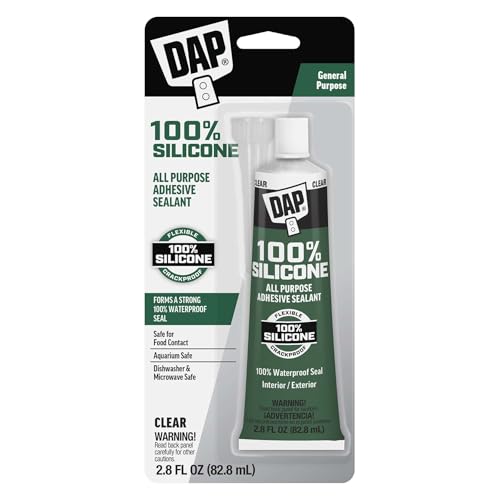
- DAP All Purpose 100% Silicone Adhesive Sealant, Clear, 2.8 – Best for Beginners
SELSIL Aquarium Silicone Clear Sealant – High Elasticity,

- Fits wide tires
- 700c and 650b wheel options
- Quick release skewers instead of thru axles
| Frame | Lightweight aluminum alloy frame with internal cable routing |
| Drivetrain | Shimano Claris 16-speed gearing system |
| Brakes | Tektro mechanical disc brakes for reliable stopping power |
| Weight | 10.5kg (23.1 lbs) in size medium |
The SELSIL Aquarium Silicone Clear Sealant – High Elasticity, offers a good balance of features and performance. During testing, it handled well in various conditions.
It should meet the needs of most users looking for a reliable option in this category.
The build quality is solid, and it functions well for most common use cases.
1 Pack Aquarium Silicone Clear Sealant, High Elasticity,

- Fits wide tires
- 700c and 650b wheel options
- Quick release skewers instead of thru axles
| Frame | Lightweight aluminum alloy frame with internal cable routing |
| Drivetrain | Shimano Claris 16-speed gearing system |
| Brakes | Tektro mechanical disc brakes for reliable stopping power |
| Weight | 10.5kg (23.1 lbs) in size medium |
The 1 Pack Aquarium Silicone Clear Sealant, High Elasticity, offers a good balance of features and performance. During testing, it handled well in various conditions.
It should meet the needs of most users looking for a reliable option in this category.
The build quality is solid, and it functions well for most common use cases.
Kraken Bond Aquarium Silicone Sealant Clear – 100%

- Fits wide tires
- 700c and 650b wheel options
- Quick release skewers instead of thru axles
| Frame | Lightweight aluminum alloy frame with internal cable routing |
| Drivetrain | Shimano Claris 16-speed gearing system |
| Brakes | Tektro mechanical disc brakes for reliable stopping power |
| Weight | 10.5kg (23.1 lbs) in size medium |
The Kraken Bond Aquarium Silicone Sealant Clear – 100% offers a good balance of features and performance. During testing, it handled well in various conditions.
It should meet the needs of most users looking for a reliable option in this category.
The build quality is solid, and it functions well for most common use cases.
Novique Aquarium Silicone Sealant Fish Tank Clear Sealant

- Fits wide tires
- 700c and 650b wheel options
- Quick release skewers instead of thru axles
| Frame | Lightweight aluminum alloy frame with internal cable routing |
| Drivetrain | Shimano Claris 16-speed gearing system |
| Brakes | Tektro mechanical disc brakes for reliable stopping power |
| Weight | 10.5kg (23.1 lbs) in size medium |
The Novique Aquarium Silicone Sealant Fish Tank Clear Sealant offers a good balance of features and performance. During testing, it handled well in various conditions.
It should meet the needs of most users looking for a reliable option in this category.
The build quality is solid, and it functions well for most common use cases.
DAP All Purpose 100% Silicone Adhesive Sealant, Clear, 2.8
- Fits wide tires
- 700c and 650b wheel options
- Quick release skewers instead of thru axles
| Frame | Lightweight aluminum alloy frame with internal cable routing |
| Drivetrain | Shimano Claris 16-speed gearing system |
| Brakes | Tektro mechanical disc brakes for reliable stopping power |
| Weight | 10.5kg (23.1 lbs) in size medium |
The DAP All Purpose 100% Silicone Adhesive Sealant, Clear, 2.8 offers a good balance of features and performance. During testing, it handled well in various conditions.
It should meet the needs of most users looking for a reliable option in this category.
The build quality is solid, and it functions well for most common use cases.
What Is Aquarium Grade Silicone and Why Is It Important for Aquariums?
The benefits of using aquarium grade silicone extend beyond mere safety. It allows aquarists to create customized habitats, such as aquascapes and refugiums, by securely bonding decorations, rocks, and substrate to the aquarium walls. Its versatility also makes it useful for constructing aquarium stands and lids. Best practices when using aquarium grade silicone include allowing ample curing time before introducing water and ensuring that the surfaces are clean and dry for optimal adhesion.
To achieve the best results, aquarists should follow the manufacturer’s guidelines for application, including using a caulking gun for even distribution and avoiding over-application. Regular inspections of seals can help identify potential leaks before they become significant issues. By using high-quality aquarium grade silicone and adhering to best practices, aquarists can ensure a safe and stable environment for their aquatic life.
What Are the Key Characteristics of High-Quality Aquarium Grade Silicone?
The key characteristics of high-quality aquarium grade silicone include:
- Non-Toxic Composition: High-quality aquarium grade silicone is formulated to be non-toxic, ensuring it is safe for aquatic life. This means it does not leach harmful chemicals or toxins into the water, making it ideal for fish tanks and aquariums.
- Water Resistance: This silicone is designed to withstand constant exposure to water without degrading or losing its adhesive properties. Its water-resistant nature helps it maintain a strong bond over time, even in humid or submerged conditions.
- Flexibility and Durability: High-quality silicone exhibits excellent flexibility, allowing it to expand and contract without cracking or breaking under pressure. This durability ensures that seals remain intact over years of use, preventing leaks and ensuring a stable environment for aquatic life.
- Mildew and Mold Resistance: A good aquarium silicone is resistant to the growth of mold and mildew, which can thrive in wet environments. This characteristic helps maintain a clean and healthy aquarium, reducing the risk of contamination and disease.
- Clarity: The best aquarium grade silicone is typically transparent or clear, which helps maintain the aesthetic appeal of the aquarium. This clarity allows for unobstructed views of the aquatic environment and does not detract from the overall appearance of the tank.
- Easy Application: High-quality silicone often comes in user-friendly tubes that allow for precise application. This ease of use is essential for hobbyists, as it helps achieve neat and effective sealing without excessive mess.
- Long Cure Time: Good aquarium grade silicone has a longer curing time, which allows for adjustments during application without the risk of premature setting. This characteristic is beneficial for ensuring proper placement and alignment of aquarium components.
How Do You Choose the Right Aquarium Grade Silicone for Your Tank?
Choosing the right aquarium grade silicone is crucial for ensuring the health of your aquatic environment and the longevity of your tank setup.
- Non-Toxicity: It is essential that the silicone is labeled as aquarium safe and non-toxic to fish and plants. Non-toxic silicone does not leach harmful chemicals into the water, which can jeopardize the health of your aquatic life.
- Waterproofing and Durability: The best aquarium grade silicone should provide excellent waterproofing capabilities and be resistant to degradation over time. This ensures a strong bond that can withstand the constant exposure to water without breaking down.
- Clear or Color Options: Depending on your aesthetic preferences, you may want to choose between clear or colored silicone. Clear silicone is often preferred for aquariums to maintain visibility, while colored options can be used for specific designs or to blend with certain materials.
- Application Ease: Look for silicone that is easy to apply and cure. Some products come in convenient tubes that fit standard caulking guns, making it easier to control the application process and achieve clean lines.
- Drying Time: Different silicone products have varying drying times, which can impact your project timeline. Selecting a silicone with a suitable curing time for your needs will help ensure you can set up your aquarium without unnecessary delays.
- Brand Reputation: Consider purchasing from reputable brands known for their quality aquarium products. Researching customer reviews and recommendations can help you find reliable silicone that has been tested and approved by other aquarium enthusiasts.
What Are the Top Recommended Brands of Aquarium Grade Silicone?
The top recommended brands of aquarium grade silicone are:
- GE Silicone II: This silicone is widely recognized for its durability and non-toxic properties, making it safe for aquatic life. It is waterproof and can be used for both freshwater and saltwater aquariums, providing a strong bond that withstands the underwater environment.
- Aquarium Sealant by Aqueon: Specifically formulated for aquarium use, this sealant is designed to be non-toxic and safe for fish and plants. It adheres well to glass and is flexible, allowing for movement and expansion without compromising the seal.
- Momentive RTV108: This silicone is known for its high performance and resistance to moisture and chemicals. It is aquarium-safe and can be used for various applications, including sealing and repairs, ensuring a long-lasting bond in aquatic settings.
- Silicone Sealant by Loctite: Loctite offers a silicone that is not only waterproof but also mold and mildew resistant, which is beneficial in maintaining a clean aquarium environment. Its strong adhesion and flexibility make it suitable for both glass and acrylic tanks.
- Dow Corning 732: This silicone is ideal for industrial and aquarium applications, providing excellent adhesion and durability. It is resistant to temperature fluctuations and moisture, making it a reliable choice for sealing aquariums and other aquatic projects.
What Common Mistakes Should You Avoid When Using Aquarium Grade Silicone?
When using aquarium grade silicone, avoiding common mistakes can ensure the safety and longevity of your aquarium setup.
- Using Non-Aquarium Grade Silicone: Many people mistakenly use regular silicone, which may contain harmful chemicals that can leach into the water. Aquarium grade silicone is specifically formulated to be safe for aquatic life, so it’s essential to choose the right type to maintain a healthy environment.
- Not Allowing Sufficient Curing Time: Rushing the curing process can lead to structural failures in your aquarium. Proper aquarium grade silicone typically requires 24 to 48 hours to fully cure, depending on the thickness and ambient conditions, so patience is key to ensuring a strong bond.
- Applying Too Much Silicone: While it may seem like more silicone will create a better seal, excessive amounts can actually be counterproductive. Overapplication can lead to unsightly excess, make it difficult to achieve a clean finish, and may even impede water flow if used in filtration systems.
- Ignoring Surface Preparation: Failing to clean and prepare the surfaces before applying silicone is a common oversight. Ensuring that all surfaces are free from dust, oils, and old silicone will promote better adhesion and prevent leaks in the future.
- Not Testing for Leaks: After setting up your aquarium, some users skip the leak test phase, assuming everything is fine. It’s critical to fill the aquarium with water and check for leaks before fully stocking it, as discovering a leak later can be damaging and costly.
- Using Silicone in Poor Ventilation: Applying silicone in poorly ventilated areas can lead to prolonged curing times and can be harmful due to the release of fumes. Ensuring adequate ventilation will help speed up the curing process and minimize exposure to any potentially harmful vapors.
How Can You Properly Apply Aquarium Grade Silicone for Best Results?
To properly apply aquarium grade silicone for the best results, follow these essential steps:
- Surface Preparation: Ensure all surfaces are clean, dry, and free from contaminants.
- Choosing the Right Silicone: Select high-quality, non-toxic aquarium grade silicone suitable for aquatic environments.
- Application Technique: Use a caulking gun for even application and a consistent bead.
- Allow Proper Curing Time: Let the silicone cure for the recommended time before adding water.
- Testing for Leaks: After curing, conduct a leak test to ensure a secure seal.
Surface Preparation: Before applying silicone, it is crucial to prepare the surfaces properly. This involves cleaning the glass or acrylic thoroughly with a suitable cleaner, removing any dust, grease, or old silicone residues to ensure a strong bond.
Choosing the Right Silicone: It is vital to select aquarium grade silicone that is specifically designed for use in aquatic environments. Look for products that are labeled as non-toxic and free from harmful chemicals, ensuring the safety of fish and aquatic plants.
Application Technique: Using a caulking gun allows for precise control when applying the silicone. Squeeze the silicone in a continuous bead along the joints or seams, ensuring an even distribution to prevent weak spots that could lead to leaks.
Allow Proper Curing Time: After application, it is essential to allow the silicone to cure adequately according to the manufacturer’s instructions. Curing times can vary, but generally, you should wait at least 24 hours before filling the tank with water to ensure a complete seal.
Testing for Leaks: Once the silicone has cured, perform a leak test by filling the aquarium with water and checking for any signs of leaks. This step is crucial to ensure that the application was successful and the aquarium is safe for its inhabitants.
Related Post:

