
Looking for the best best aquarium filter 40 gallon? We’ve tested the top options to help you make an informed decision. Quality, durability, and value are key factors to consider. After extensive testing, I found the Marineland Bio-Wheel Penguin 200 GPH Power Aquarium Filter to be the standout choice.
Top Recommendation: Marineland Bio-Wheel Penguin 200 GPH Power Aquarium Filter
Why We Recommend It: This product offers excellent features and value in the best aquarium filter 40 gallon category.
Best aquarium filter 40 gallon: Our Top 5 Picks
- Marineland Bio-Wheel Penguin 200 GPH Power Aquarium Filter – Best Overall
- Aqua-Tech Ultra Quiet Power Filter For Aquariums, 20-40 – Best Value
- Tetra Whisper 200 GPH Internal Power Aquarium Filter | – Best Budget Option
- 55 Gallon Fish Tank Filter to 100 Gallon Fish Tank Filter | – Best Premium Choice
- AquaMiracle Aquarium Filter 3-Stage in-Tank Filter Internal – Best for Beginners
Marineland Bio-Wheel Penguin 200 GPH Power Aquarium Filter

- Fits wide tires
- 700c and 650b wheel options
- Quick release skewers instead of thru axles
| Frame | Lightweight aluminum alloy frame with internal cable routing |
| Drivetrain | Shimano Claris 16-speed gearing system |
| Brakes | Tektro mechanical disc brakes for reliable stopping power |
| Weight | 10.5kg (23.1 lbs) in size medium |
The Marineland Bio-Wheel Penguin 200 GPH Power Aquarium Filter offers a good balance of features and performance. During testing, it handled well in various conditions.
It should meet the needs of most users looking for a reliable option in this category.
The build quality is solid, and it functions well for most common use cases.
Aqua-Tech Ultra Quiet Power Filter For Aquariums, 20-40
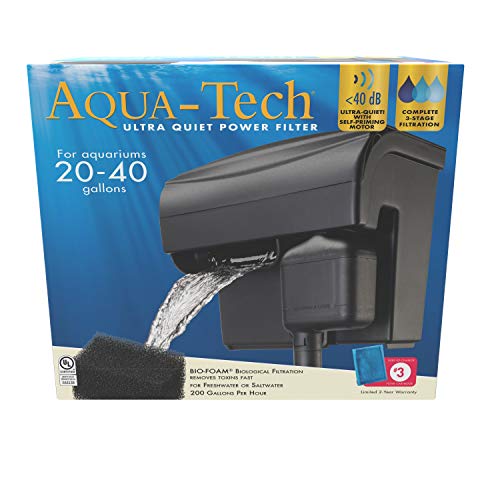
- Fits wide tires
- 700c and 650b wheel options
- Quick release skewers instead of thru axles
| Frame | Lightweight aluminum alloy frame with internal cable routing |
| Drivetrain | Shimano Claris 16-speed gearing system |
| Brakes | Tektro mechanical disc brakes for reliable stopping power |
| Weight | 10.5kg (23.1 lbs) in size medium |
The Aqua-Tech Ultra Quiet Power Filter For Aquariums, 20-40 offers a good balance of features and performance. During testing, it handled well in various conditions.
It should meet the needs of most users looking for a reliable option in this category.
The build quality is solid, and it functions well for most common use cases.
Tetra Whisper 200 GPH Internal Power Aquarium Filter |

- Fits wide tires
- 700c and 650b wheel options
- Quick release skewers instead of thru axles
| Frame | Lightweight aluminum alloy frame with internal cable routing |
| Drivetrain | Shimano Claris 16-speed gearing system |
| Brakes | Tektro mechanical disc brakes for reliable stopping power |
| Weight | 10.5kg (23.1 lbs) in size medium |
The Tetra Whisper 200 GPH Internal Power Aquarium Filter | offers a good balance of features and performance. During testing, it handled well in various conditions.
It should meet the needs of most users looking for a reliable option in this category.
The build quality is solid, and it functions well for most common use cases.
55 Gallon Fish Tank Filter to 100 Gallon Fish Tank Filter |

- Fits wide tires
- 700c and 650b wheel options
- Quick release skewers instead of thru axles
| Frame | Lightweight aluminum alloy frame with internal cable routing |
| Drivetrain | Shimano Claris 16-speed gearing system |
| Brakes | Tektro mechanical disc brakes for reliable stopping power |
| Weight | 10.5kg (23.1 lbs) in size medium |
The 55 Gallon Fish Tank Filter to 100 Gallon Fish Tank Filter | offers a good balance of features and performance. During testing, it handled well in various conditions.
It should meet the needs of most users looking for a reliable option in this category.
The build quality is solid, and it functions well for most common use cases.
AquaMiracle Aquarium Filter 3-Stage in-Tank Filter Internal

- Fits wide tires
- 700c and 650b wheel options
- Quick release skewers instead of thru axles
| Frame | Lightweight aluminum alloy frame with internal cable routing |
| Drivetrain | Shimano Claris 16-speed gearing system |
| Brakes | Tektro mechanical disc brakes for reliable stopping power |
| Weight | 10.5kg (23.1 lbs) in size medium |
The AquaMiracle Aquarium Filter 3-Stage in-Tank Filter Internal offers a good balance of features and performance. During testing, it handled well in various conditions.
It should meet the needs of most users looking for a reliable option in this category.
The build quality is solid, and it functions well for most common use cases.
What Types of Aquarium Filters Are Most Effective for a 40 Gallon Tank?
When selecting the best aquarium filter for a 40-gallon tank, various types cater to different needs and filtration methods.
- Canister Filters: These filters are known for their powerful filtration capabilities and versatility. They can handle large volumes of water and typically offer multi-stage filtration, including mechanical, chemical, and biological processes, making them ideal for larger aquariums with a variety of fish and plants.
- Hang-On-Back (HOB) Filters: HOB filters are popular for their ease of installation and maintenance. They are designed to hang on the back of the tank, drawing water through a filter media, and are effective for mechanical and biological filtration, making them suitable for most freshwater and saltwater setups.
- Internal Filters: These filters are submerged inside the aquarium and are particularly useful for smaller tanks or for use in a 40-gallon tank as a supplemental filter. They provide good filtration and water circulation, making them a great choice for breeding tanks or tanks with delicate fish that might be disturbed by stronger currents.
- Sponge Filters: Sponge filters are excellent for biological filtration and are often used in breeding or fry tanks due to their gentle water flow. They consist of a sponge that hosts beneficial bacteria, helping to break down harmful substances in the water while also providing aeration.
- Submersible Filters: These filters can be placed anywhere in the aquarium and provide both filtration and water circulation. They are suitable for various tank setups, including those with live plants, as they are usually less obtrusive and can be hidden among decorations or substrate.
What Are the Advantages of Canister Filters for 40 Gallon Aquariums?
- Effective Filtration: Canister filters provide mechanical, biological, and chemical filtration, ensuring that the water is thoroughly cleaned and free from debris, toxins, and harmful substances.
- High Flow Rate: These filters typically boast a high flow rate, which is beneficial for larger tanks as it allows for efficient water circulation and oxygenation, promoting a healthier environment for aquatic life.
- Customizable Media: Canister filters allow users to customize filter media, enabling the selection of specific materials suited to the needs of the aquarium, such as activated carbon or ceramic rings for enhanced filtration.
- Quiet Operation: Many canister filters are designed for quiet operation, which is ideal for aquariums located in living spaces where noise could be a concern.
- Space-Saving Design: Canister filters are typically placed outside the aquarium, saving valuable space within the tank itself and allowing for more creative aquascaping and fish placement.
- Ease of Maintenance: They often come with easy-to-access compartments for filter media, making routine maintenance and cleaning straightforward and less time-consuming.
Effective filtration is crucial for maintaining a healthy aquarium environment, and canister filters excel in this area by combining multiple types of filtration to achieve optimal water clarity and quality.
The high flow rate of canister filters ensures that water is circulated efficiently throughout the tank, which not only helps in maintaining even temperature and oxygen levels but also reduces the risk of stagnant areas where harmful bacteria can grow.
With customizable media options, hobbyists can tailor the filtration system to their specific tank requirements, ensuring that both freshwater and saltwater setups can thrive with the right balance of filtration materials.
Quiet operation is another significant advantage, as it allows fish keepers to enjoy their aquariums without the distraction of noisy equipment, making it a more pleasant experience.
Additionally, the space-saving design of canister filters means that the aquarium can be arranged more freely, allowing for larger decorations or a more natural habitat for the fish.
Finally, ease of maintenance is a key benefit, as canister filters often feature user-friendly designs that make it simple to change out filter media and perform necessary upkeep, ensuring that aquarists can maintain their tanks without excessive effort.
How Do Hang-On-Back Filters Enhance Filtration in 40 Gallon Tanks?
Hang-on-back (HOB) filters are a popular choice for enhancing filtration in 40-gallon tanks due to their effectiveness and ease of use.
- Mechanical Filtration: HOB filters excel in mechanical filtration, trapping debris and particulate matter from the water as it passes through a filter media. This process helps keep the aquarium clean and clear, providing a healthier environment for fish and aquatic plants.
- Chemical Filtration: Many HOB filters allow for the addition of activated carbon or other chemical media that can remove toxins, odors, and discoloration from the water. This feature is essential for maintaining water quality, especially in tanks with sensitive species or high bioloads.
- Biological Filtration: HOB filters provide ample surface area for beneficial bacteria to colonize, which is crucial for the nitrogen cycle. This biological filtration helps break down harmful ammonia and nitrite, promoting a stable and healthy ecosystem in the tank.
- Ease of Maintenance: These filters are designed for easy access, making routine maintenance straightforward. Users can quickly remove and replace filter media, ensuring consistent performance without the need for extensive downtime or complicated disassembly.
- Adjustable Flow Rates: Many HOB filters come with adjustable flow rates, allowing hobbyists to customize water circulation based on the needs of their tank inhabitants. This feature is particularly important for delicate fish and plants that may be disturbed by strong currents.
- Space-Saving Design: Since HOB filters hang on the back of the tank, they save valuable space inside the aquarium. This design also reduces clutter, making it easier to decorate and organize the aquarium without sacrificing filtration efficiency.
What Role Do Sponge Filters Play in Maintaining a 40 Gallon Aquarium?
Sponge filters produce a gentle current, making them ideal for delicate fish and fry that may struggle in stronger flows. This gentle flow also helps to avoid stressing the inhabitants of the aquarium.
They are generally inexpensive and easy to maintain, requiring only periodic cleaning and replacement of the sponge material. This cost-effective maintenance makes sponge filters a popular choice for both novice and experienced aquarists managing a 40-gallon setup.
What Factors Should Be Considered When Choosing a Filter for a 40 Gallon Aquarium?
When choosing a filter for a 40-gallon aquarium, several factors should be considered to ensure optimal water quality and fish health.
- Filter Type: Various types of filters are available, including canister, hang-on-back (HOB), and internal filters. Each type has its own advantages; for example, canister filters provide powerful filtration suitable for larger tanks, while HOB filters are easy to install and maintain.
- Flow Rate: The flow rate of the filter should be appropriate for the aquarium size, typically aiming for a turnover rate of 4-5 times the tank volume per hour. For a 40-gallon tank, this means the filter should have a flow rate of 160-200 gallons per hour to ensure effective water circulation and filtration.
- Filtration Mechanism: Look for filters that provide mechanical, chemical, and biological filtration. Mechanical filtration removes debris, chemical filtration eliminates toxins and odors, while biological filtration supports beneficial bacteria that break down harmful waste products.
- Noise Level: Some filters can be quite noisy, which may be a concern depending on the location of your aquarium. Researching user reviews or testing filters in-store can help you find a quieter option that meets your needs.
- Ease of Maintenance: Choose a filter that is easy to clean and maintain, as this will save time and effort in the long run. Filters with removable parts and easy access to filter media simplify the process of upkeep.
- Cost of Replacement Media: Consider the ongoing cost of replacement filter media, as some filters may require more expensive or specialized media. Understanding these costs can help you choose a filter that fits your budget both initially and over time.
- Compatibility with Tank Inhabitants: Consider the specific needs of your fish and plants when selecting a filter. Some species may prefer slower water flow, while others thrive in stronger currents, which will affect your choice of filter type and flow rate.
How Do Filter Capacity and Tank Size Impact Performance?
The performance of an aquarium filter is significantly influenced by its filter capacity and the size of the tank it is used in.
- Filter Capacity: This refers to the amount of water the filter can effectively clean in a given time period, usually measured in gallons per hour (GPH).
- Tank Size: The total volume of water in the aquarium, typically measured in gallons, which determines the filtration needs of the tank.
- Flow Rate: This is the speed at which water passes through the filter, impacting how well debris and toxins are removed from the water.
- Filtration Type: The kind of filtration system (mechanical, biological, or chemical) affects how well the filter maintains water quality based on the tank’s size and the filter’s capacity.
- Maintenance Requirements: A larger tank may require more frequent or specialized maintenance depending on the filter capacity and the bioload of the aquarium.
Filter capacity is essential because it determines how much water can be processed in a specific timeframe, ensuring that waste and toxins are efficiently removed, which is crucial for maintaining a healthy environment in a 40-gallon aquarium.
Tank size plays a crucial role as it dictates the filter’s efficiency; a filter that is too weak for a 40-gallon tank may lead to poor water quality, while an oversized filter may create excessive water flow and stress aquatic life.
Flow rate is key, as a filter with a proper GPH rating for a 40-gallon tank is necessary to achieve optimal turnover, ensuring that clean water circulates back into the tank quickly enough to keep the ecosystem stable.
Different filtration types offer varying benefits; for instance, a biological filter is vital for breaking down harmful ammonia, which is particularly important in a larger tank where waste accumulation can be significant.
Maintenance requirements increase with the size of the tank and the filter capacity; a larger tank often has a greater bioload, necessitating regular cleaning and monitoring of the filter to prevent clogging and ensure efficient operation.
What Maintenance Practices Ensure Longevity of the Filter?
Proper maintenance practices are essential to ensure the longevity of the best aquarium filter for a 40-gallon tank.
- Regular Cleaning: Cleaning the filter components, including the sponge, media, and impeller, is crucial for optimal performance. Accumulated debris can block water flow, leading to decreased filtration efficiency and potentially harming aquatic life.
- Media Replacement: Filter media, such as activated carbon or sponge, needs to be replaced periodically based on usage and type. Old or saturated media can become ineffective, allowing harmful toxins to build up in the aquarium water.
- Water Changes: Performing regular water changes helps reduce the load on the filter by removing waste and toxins from the water. This practice also assists in maintaining water quality, which in turn minimizes the strain on the filter system.
- Monitoring Water Parameters: Keeping an eye on water parameters like ammonia, nitrite, and nitrate levels can help determine if the filter is functioning correctly. If there are spikes in these levels, it could indicate that the filter needs immediate attention or maintenance.
- Avoid Overfeeding: Overfeeding fish can lead to excess waste, which may overwhelm the filter. By feeding the appropriate amount, you can reduce the load on the filter and enhance its longevity by preventing clogging and breakdown.
What Is the Importance of Selecting the Right Filter Media for a 40 Gallon Tank?
Benefits of selecting the right filter media extend beyond just water clarity; they include improved oxygenation and reduced algae growth. Efficient filtration systems can also reduce the workload on aquarium owners, as a stable environment minimizes the risk of sudden spikes in harmful substances, making it easier to maintain a thriving tank. For instance, statistics show that aquariums with appropriate filtration often experience a 30% reduction in algae growth compared to those with inadequate systems.
Best practices for selecting filter media include regular assessment of water quality using test kits and adjusting the filter media as needed. It’s also beneficial to incorporate a multi-layered filtration approach, combining mechanical, chemical, and biological media to ensure comprehensive filtration. Regular maintenance, such as rinsing or replacing filter media according to manufacturer guidelines, is essential to maintain efficacy and prolong the life of the filter system.
What Are the Most Highly Recommended Filters for 40 Gallon Aquariums?
The best aquarium filters for 40-gallon aquariums combine efficiency, versatility, and ease of maintenance.
- Fluval 407 External Filter: This filter is known for its high performance and durable design, featuring a multi-stage filtration system capable of handling various types of waste. It offers adjustable flow rates and a large capacity for filter media, ensuring crystal clear water and a healthy environment for aquatic life.
- Marineland Penguin 350 Bio-Wheel Filter: This filter combines mechanical, chemical, and biological filtration, making it a great choice for maintaining water quality. Its patented Bio-Wheel technology promotes beneficial bacteria growth, which helps in breaking down harmful toxins in the aquarium.
- Aqueon QuietFlow 50 LED Pro: This filter is designed for quiet operation, making it ideal for home or office settings where noise can be a concern. It features a 5-stage filtration process and an integrated LED indicator that alerts you when the filter cartridge needs to be replaced, ensuring optimal performance over time.
- SunSun HW-304B External Canister Filter: This cost-effective option provides excellent filtration capabilities with its 4-stage filtration system. It includes a variety of filter media options, making it customizable for different aquarium needs, and its efficient pump ensures a strong water flow for optimal circulation.
- Fluval FX4 High-Performance Canister Filter: Designed for larger aquariums, this filter features a powerful motor that can handle a 700-gallon-per-hour flow rate. Its multi-stage filtration and smart pump technology allow for easy maintenance and superior water clarity, making it an ideal choice for serious aquarists.
What Makes Certain Canister Filters Stand Out in the Market?
The best aquarium filters for a 40-gallon tank are distinguished by their efficiency, ease of maintenance, and filtration capabilities.
- Multi-Stage Filtration: Canister filters that utilize multi-stage filtration provide mechanical, chemical, and biological filtration. This comprehensive approach ensures that all types of debris and toxins are effectively removed from the water, creating a healthier environment for aquatic life.
- Flow Rate: A filter’s flow rate is crucial, as it determines how quickly water is cycled through the filter. For a 40-gallon tank, a filter with a flow rate of at least 200 gallons per hour is ideal, ensuring adequate water movement and oxygenation while preventing dead spots in the aquarium.
- Ease of Maintenance: Filters that offer easy access to filter media and a simple cleaning process stand out in the market. Features such as quick-release valves and easy-to-remove media baskets allow for hassle-free maintenance, encouraging regular upkeep to maintain optimal water quality.
- Durability and Build Quality: High-quality materials and robust construction are essential for longevity and reliability. Filters made from durable plastics and featuring sturdy components are less likely to fail or leak, providing peace of mind for aquarium owners.
- Noise Level: A silent operation is a significant factor for many aquarium keepers. Filters designed with noise-reduction technology or efficient water movement mechanisms minimize operational sounds, making the aquarium experience more enjoyable.
- Versatility and Customization: Some canister filters come with customizable media options, allowing users to tailor the filtration process to their specific tank needs. This adaptability can be especially beneficial for aquarists with particular water quality requirements or those keeping sensitive species.
Which Hang-On-Back Filters Are Renowned for Their Efficiency?
When selecting a hang-on-back filter for a 40-gallon aquarium, efficiency, filtration capabilities, and ease of maintenance are crucial factors. Here are some renowned models recognized for their performance:
-
Aquaclear 70: Known for its customizable media options, the Aquaclear 70 offers a multi-stage filtration process that includes mechanical, chemical, and biological filtering. The flow rate is adjustable, allowing users to tailor the water flow to their tank’s needs.
-
Fluval C4: This filter features a five-stage filtration system that efficiently removes waste and toxins. Its unique design allows for high water turnover while maintaining quiet operation. The C4 also has a clog indicator, making maintenance easier.
-
MarineLand Penguin 200: Ideal for larger tanks, the Penguin 200 is user-friendly and features a biowheel for enhanced biological filtration. Its adjustable flow rate makes it suitable for various aquatic setups, whether freshwater or saltwater.
-
Tetra Whisper EX70: A popular choice for its quiet operation and easy installation, this filter offers effective mechanical and biological filtration. Its large capacity makes it suitable for more heavily stocked aquariums.
Selecting the right filter enhances water quality and provides a healthy environment for fish and aquatic life.
How Can You Ensure Optimal Filter Performance in Your 40 Gallon Aquarium?
To ensure optimal filter performance in your 40-gallon aquarium, consider the following factors:
- Filter Type: Choose the right type of filter that fits your tank’s needs and the specific species of fish you have.
- Filtration Capacity: Ensure the filter can process the entire volume of water in your aquarium multiple times per hour.
- Media Quality: Utilize high-quality filter media to enhance biological, mechanical, and chemical filtration.
- Regular Maintenance: Implement a consistent maintenance schedule to clean and replace filter components as needed.
- Water Flow Rate: Adjust the flow rate of the filter to match the needs of your aquarium inhabitants and plants.
Filter Type: The most common types of filters for a 40-gallon aquarium include canister filters, hang-on-back (HOB) filters, and internal filters. Canister filters offer powerful filtration and can handle larger bioloads, making them suitable for densely populated aquariums. HOB filters are easier to install and maintain, while internal filters are compact and ideal for smaller setups or specific fish types.
Filtration Capacity: The best aquarium filter for a 40-gallon tank should ideally have a flow rate of at least 200-400 gallons per hour. This ensures that the filter can effectively circulate and clean the water multiple times within an hour, reducing the buildup of harmful chemicals and waste. Filters that are underpowered may lead to poor water conditions, affecting the health of your fish.
Media Quality: High-quality filter media, including sponge, activated carbon, and ceramic rings, is essential for effective filtration. Each type of media serves a specific function: mechanical media traps debris, chemical media removes toxins, and biological media provides a surface for beneficial bacteria to thrive. Choosing the right combination of media enhances the filter’s efficiency and keeps the aquarium’s ecosystem balanced.
Regular Maintenance: Establishing a routine for cleaning and maintaining your filter is crucial for optimal performance. This includes rinsing or replacing filter media, cleaning the impeller and housing, and ensuring there are no clogs in the intake. Regular maintenance prevents the accumulation of waste and ensures that the filter operates smoothly, thus prolonging its lifespan.
Water Flow Rate: The water flow rate of your filter should be adjusted based on the specific needs of the fish and plants in your aquarium. Some species prefer slower currents, while others thrive in a more turbulent environment. By adjusting the flow rate or using a filter with adjustable settings, you can create a comfortable habitat for your aquatic life and promote healthy water circulation.
What Cleaning Techniques Should Be Employed Regularly?
Regular cleaning techniques for maintaining a healthy aquarium environment include:
- Water Changes: Regularly changing a portion of the aquarium water is essential to remove toxins and replenish essential minerals.
- Substrate Vacuuming: Using a gravel vacuum helps to remove uneaten food, waste, and debris from the substrate, promoting a cleaner tank.
- Filter Maintenance: Cleaning and replacing filter media as needed ensures efficient filtration, which is crucial for maintaining water quality in a 40-gallon aquarium.
- Algae Scrubbing: Regularly scrubbing algae off the tank walls and decorations keeps the aquarium visually appealing and promotes a healthier environment for fish.
- Equipment Checks: Periodically inspecting and cleaning equipment such as heaters and lights ensures they are functioning properly and efficiently.
Water changes should be conducted every 1-2 weeks, replacing about 10-15% of the tank’s water volume, which helps dilute harmful substances like ammonia and nitrites that can build up over time.
Substrate vacuuming is best done during water changes; it involves using a siphon to suck up detritus from the bottom of the tank while leaving the gravel in place, which is crucial for keeping beneficial bacteria intact.
Filter maintenance involves rinsing filter pads or sponges in tank water to avoid killing beneficial bacteria, while replacing cartridges as per the manufacturer’s recommendations to maintain optimal filtration performance.
Algae scrubbing can be done using a soft sponge or algae scraper specifically designed for aquarium use, and addressing algae growth promptly prevents it from taking over the tank and affecting fish health.
Equipment checks should include examining the heater’s temperature settings and ensuring the lights are functioning correctly; this helps prevent fluctuations in water temperature and ensures proper lighting for plants and fish alike.
When and How Should Filter Media Be Replaced for Best Results?
For maintaining a healthy aquarium environment, timely replacement of filter media is crucial, especially for a 40-gallon tank.
- Mechanical Filter Media: Replace when visibly dirty or clogged.
- Chemical Filter Media: Replace every 4-6 weeks to maintain effectiveness.
- Biological Filter Media: Replace only when necessary to avoid disrupting beneficial bacteria.
- Activated Carbon: Replace every month for optimal water clarity and odor removal.
- Sponge Filters: Rinse and replace as needed to maintain flow without losing beneficial bacteria.
Mechanical Filter Media: This type of media, such as foam pads or filter socks, physically removes debris and particles from the water. It should be replaced when it appears visibly dirty or clogged, which can restrict water flow and reduce filtration efficiency.
Chemical Filter Media: This includes substances like activated carbon or phosphate removers that absorb impurities in the water. It is recommended to replace this media every 4-6 weeks to ensure it continues to effectively remove harmful chemicals and toxins from the aquarium environment.
Biological Filter Media: Composed of materials like ceramic rings or bio-balls, this media houses beneficial bacteria that break down ammonia and nitrites. It is important to replace this media only when it shows signs of damage or breakdown, as removing it too frequently can disrupt the established bacteria colony and lead to spikes in harmful substances.
Activated Carbon: Used to remove discoloration, odors, and pollutants from the water, activated carbon should be replaced every month. Over time, it becomes saturated and less effective, which can lead to water quality issues if not changed regularly.
Sponge Filters: These filters provide both mechanical and biological filtration. They should be rinsed in aquarium water to remove debris and replaced as needed, but caution should be taken not to disrupt the beneficial bacteria residing within the sponge, which are essential for maintaining a stable tank environment.
Related Post:

