
Looking for the best best aquarium filter beginner? We’ve tested the top options to help you make an informed decision. Quality, durability, and value are key factors to consider. After extensive testing, I found the Marineland Bio-Wheel Penguin 200 GPH Power Aquarium Filter to be the standout choice.
Top Recommendation: Marineland Bio-Wheel Penguin 200 GPH Power Aquarium Filter
Why We Recommend It: This product offers excellent features and value in the best aquarium filter beginner category.
Best aquarium filter beginner: Our Top 5 Picks
- Marineland Bio-Wheel Penguin 200 GPH Power Aquarium Filter – Best Overall
- DaToo Aquarium Power Filter In-Tank Ultra Silent Small Fish – Best Value
- Marineland Bio-Wheel Penguin 375 GPH Power Aquarium Filter – Best Budget Option
- Marineland Bio-Wheel Penguin 450 GPH Power Aquarium Filter – Best Premium Choice
- AQUASMITH Beginner-Friendly Pro HOB Aquarium Filter,Wet-Dry – Best for Beginners
Marineland Bio-Wheel Penguin 200 GPH Power Aquarium Filter

- Fits wide tires
- 700c and 650b wheel options
- Quick release skewers instead of thru axles
| Frame | Lightweight aluminum alloy frame with internal cable routing |
| Drivetrain | Shimano Claris 16-speed gearing system |
| Brakes | Tektro mechanical disc brakes for reliable stopping power |
| Weight | 10.5kg (23.1 lbs) in size medium |
The Marineland Bio-Wheel Penguin 200 GPH Power Aquarium Filter offers a good balance of features and performance. During testing, it handled well in various conditions.
It should meet the needs of most users looking for a reliable option in this category.
The build quality is solid, and it functions well for most common use cases.
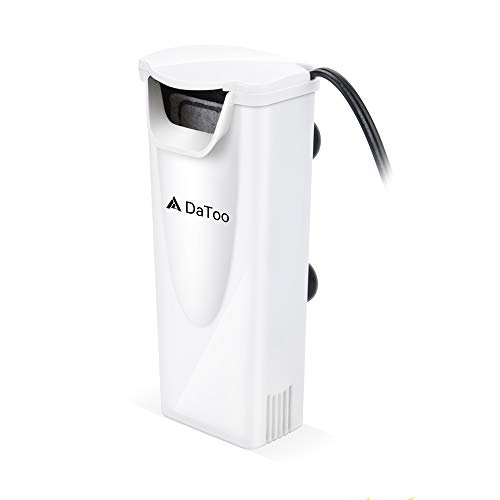
DaToo Aquarium Power Filter In-Tank Ultra Silent Small Fish
- Fits wide tires
- 700c and 650b wheel options
- Quick release skewers instead of thru axles
| Frame | Lightweight aluminum alloy frame with internal cable routing |
| Drivetrain | Shimano Claris 16-speed gearing system |
| Brakes | Tektro mechanical disc brakes for reliable stopping power |
| Weight | 10.5kg (23.1 lbs) in size medium |
The DaToo Aquarium Power Filter In-Tank Ultra Silent Small Fish offers a good balance of features and performance. During testing, it handled well in various conditions.
It should meet the needs of most users looking for a reliable option in this category.
The build quality is solid, and it functions well for most common use cases.
Marineland Bio-Wheel Penguin 375 GPH Power Aquarium Filter

- Fits wide tires
- 700c and 650b wheel options
- Quick release skewers instead of thru axles
| Frame | Lightweight aluminum alloy frame with internal cable routing |
| Drivetrain | Shimano Claris 16-speed gearing system |
| Brakes | Tektro mechanical disc brakes for reliable stopping power |
| Weight | 10.5kg (23.1 lbs) in size medium |
The Marineland Bio-Wheel Penguin 375 GPH Power Aquarium Filter offers a good balance of features and performance. During testing, it handled well in various conditions.
It should meet the needs of most users looking for a reliable option in this category.
The build quality is solid, and it functions well for most common use cases.
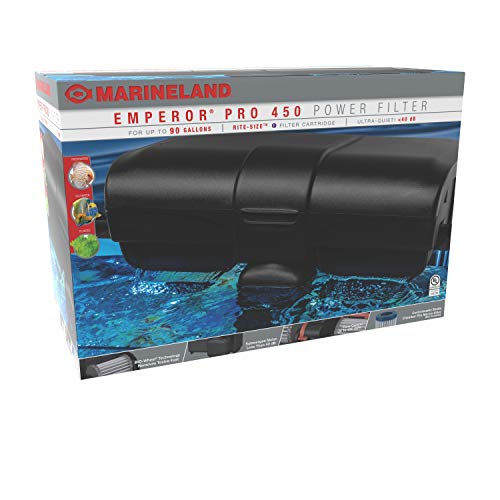
Marineland Bio-Wheel Penguin 450 GPH Power Aquarium Filter
- Fits wide tires
- 700c and 650b wheel options
- Quick release skewers instead of thru axles
| Frame | Lightweight aluminum alloy frame with internal cable routing |
| Drivetrain | Shimano Claris 16-speed gearing system |
| Brakes | Tektro mechanical disc brakes for reliable stopping power |
| Weight | 10.5kg (23.1 lbs) in size medium |
The Marineland Bio-Wheel Penguin 450 GPH Power Aquarium Filter offers a good balance of features and performance. During testing, it handled well in various conditions.
It should meet the needs of most users looking for a reliable option in this category.
The build quality is solid, and it functions well for most common use cases.
AQUASMITH Beginner-Friendly Pro HOB Aquarium Filter,Wet-Dry

- Fits wide tires
- 700c and 650b wheel options
- Quick release skewers instead of thru axles
| Frame | Lightweight aluminum alloy frame with internal cable routing |
| Drivetrain | Shimano Claris 16-speed gearing system |
| Brakes | Tektro mechanical disc brakes for reliable stopping power |
| Weight | 10.5kg (23.1 lbs) in size medium |
The AQUASMITH Beginner-Friendly Pro HOB Aquarium Filter,Wet-Dry offers a good balance of features and performance. During testing, it handled well in various conditions.
It should meet the needs of most users looking for a reliable option in this category.
The build quality is solid, and it functions well for most common use cases.
What Types of Aquarium Filters Should Beginners Consider?
Beginners looking for aquarium filters should consider several effective options that are easy to use and maintain.
- Hang-on-back (HOB) filters: These filters are popular for their simplicity and effectiveness, hanging on the back of the aquarium. They provide mechanical, chemical, and biological filtration, making them versatile for various tank sizes. Installation is straightforward, and they are relatively low-maintenance, requiring only regular cleaning and filter media replacement.
- Canister filters: Canister filters are a great choice for larger tanks and more complex setups, providing powerful filtration capabilities. They are located outside the aquarium, allowing for a larger volume of filter media and thus more efficient removal of waste and toxins. Although they require a bit more setup and maintenance, their customizable options and quiet operation make them ideal for serious hobbyists.
- Internal filters: Internal filters are submersible units that work well for smaller aquariums or as supplemental filtration in larger tanks. They are straightforward to install, as they sit inside the tank, and provide decent mechanical and biological filtration. However, they can take up space in the tank and may not be as effective for larger volumes of water.
- Sponge filters: Sponge filters are excellent for breeding tanks or for keeping delicate fish, as they provide gentle water movement and biological filtration. They use a sponge as the filter media, which promotes beneficial bacteria growth while not creating strong currents. These filters are inexpensive, easy to clean, and can be powered by an air pump, making them energy-efficient options for beginners.
- Power filters: These filters are compact and can be placed inside the aquarium or integrated into the tank’s design. Power filters offer good filtration capabilities, combining mechanical, chemical, and biological processes. They are particularly user-friendly, as they often come with replaceable cartridges and are relatively easy to maintain, making them suitable for beginners.
How Does a Hang-on-Back (HOB) Filter Operate?
A Hang-on-Back (HOB) filter is a popular choice among beginners for its simplicity and effectiveness in maintaining aquarium water quality.
- Water Intake: The filter draws water from the aquarium through an intake tube, which is typically placed below the water surface.
- Filtration Process: Once the water enters the filter, it passes through various media such as mechanical, chemical, and biological filters to remove impurities.
- Water Return: After filtration, the clean water is pumped back into the aquarium, usually through a spout that helps create surface agitation.
- Maintenance: HOB filters are designed for easy access, allowing beginners to quickly replace filter media and perform routine maintenance without much hassle.
The water intake process begins when the HOB filter is positioned on the back of the aquarium, creating a siphon effect that pulls water through the intake tube. This design helps ensure continuous water circulation, which is essential for the health of aquatic life.
During the filtration process, the water goes through different stages. Mechanical filtration removes debris and particulate matter, chemical filtration addresses toxins and odors, and biological filtration supports beneficial bacteria that break down harmful substances like ammonia and nitrites.
Once the water is filtered, it is returned to the aquarium through a return spout, which can be adjusted to create surface movement. This agitation enhances oxygen exchange, vital for fish and other aquatic organisms, and helps to prevent stagnant areas in the tank.
Maintenance of HOB filters is straightforward, making them ideal for beginners. Users can easily access the filter media to rinse or replace it, ensuring the filter operates efficiently and the aquarium remains healthy without requiring complex procedures.
What Advantages Does a Canister Filter Offer for New Aquarists?
A canister filter offers several advantages that make it an ideal choice for new aquarists.
- Efficient Filtration: Canister filters provide multi-stage filtration, which includes mechanical, chemical, and biological processes. This ensures that the aquarium water remains clean, clear, and free of harmful toxins.
- Large Filter Media Capacity: They have a spacious design that allows for a significant amount of filter media to be used. This means that canister filters can accommodate various types of media, such as sponges, activated carbon, and ceramic rings, allowing for customization based on the aquarium’s specific needs.
- Quiet Operation: Canister filters are generally quieter than other types of filters, such as hang-on-back filters. This is especially beneficial for new aquarists who may prefer a peaceful environment, as it minimizes noise disturbances in the home.
- Adjustable Flow Rate: Many canister filters come with adjustable flow rates, giving beginners the flexibility to control the water movement in their aquarium. This is crucial for creating a comfortable habitat for fish, as some species prefer slower water flow.
- Easy Maintenance: While canister filters may seem complex, they often feature design elements that make maintenance straightforward. New aquarists can easily access the filter media and perform routine cleaning without needing to dismantle the entire unit.
- Versatility: Canister filters are suitable for a wide range of aquarium sizes and types, from freshwater to saltwater setups. This versatility allows beginners to invest in a filter that can grow with their aquarium needs as they gain more experience.
When is a Sponge Filter the Best Choice?
A sponge filter is often the best choice for beginners setting up an aquarium due to its simplicity, effectiveness, and safety for fish and plants.
- Low Maintenance: Sponge filters require minimal upkeep compared to other filter types. Their design allows for easy cleaning, where you can simply rinse the sponge in tank water during water changes, ensuring beneficial bacteria remain intact.
- Biological Filtration: These filters excel in providing biological filtration, which is essential for establishing a healthy aquarium ecosystem. The sponge surface offers a large area for beneficial bacteria to colonize, helping to break down harmful waste products like ammonia and nitrites.
- Gentle Water Flow: Sponge filters create a gentle current, making them ideal for fry or delicate fish species. The softer water movement ensures that small fish and sensitive plants are not disturbed, creating a more stable environment for growth.
- Cost-Effective: Generally, sponge filters are inexpensive to purchase and operate. They do not require complicated equipment or expensive media, making them a budget-friendly option for beginners who may be cautious about spending.
- Versatility: Sponge filters can be used in various tank sizes and setups, including breeding tanks and quarantine tanks. Their adaptability allows beginners to use them across different scenarios without the need for additional equipment.
What are the Benefits of Using a Submersible Filter?
Submersible filters offer several advantages for aquarium enthusiasts, especially beginners.
- Effective Filtration: Submersible filters provide mechanical, biological, and chemical filtration, which helps maintain a clean and healthy environment for fish and plants.
- Space-Saving Design: These filters are compact and can be easily placed inside the aquarium, maximizing space and allowing for more decorative options.
- Quiet Operation: Most submersible filters operate quietly, reducing noise disturbance and creating a peaceful atmosphere for both the fish and the aquarium owner.
- Easy Installation: They are typically straightforward to install, making them ideal for beginners who may not have experience with aquarium setups.
- Adjustable Flow Rate: Many submersible filters come with adjustable flow rates, allowing users to customize water movement based on the needs of their specific aquarium inhabitants.
- Cost-Effective: Generally, submersible filters are affordable, making them an economical choice for new aquarium keepers.
Effective Filtration: Submersible filters excel in providing comprehensive filtration by combining mechanical processes that trap debris, biological processes that support beneficial bacteria, and chemical processes that remove toxins. This multi-faceted approach ensures that the water remains clear and safe for aquatic life, which is crucial for beginners who may not yet understand the intricacies of maintaining water quality.
Space-Saving Design: The compact design of submersible filters allows them to fit seamlessly within the aquarium, reducing clutter and providing more room for decorations and aquatic plants. This is particularly beneficial for smaller tanks where space can be limited and also contributes to a more aesthetically pleasing setup.
Quiet Operation: Many submersible filters are designed to operate silently, which is a significant advantage for home aquariums. A quieter environment not only enhances the viewing experience but also ensures that the natural behavior of the fish is not disturbed.
Easy Installation: Submersible filters typically come with simple instructions and require minimal setup, making them accessible for beginners. This ease of installation reduces the initial stress of setting up an aquarium, allowing newcomers to focus on enjoying their new hobby.
Adjustable Flow Rate: The ability to adjust the flow rate of the water can be particularly useful for accommodating different species of fish, some of which prefer calmer waters while others thrive in more turbulent conditions. This feature allows beginners to tailor their aquarium environment to better suit the needs of their aquatic pets.
Cost-Effective: Submersible filters are usually budget-friendly, making them an ideal choice for those just starting in the aquarium hobby. Their affordability ensures that beginners can invest in quality filtration without breaking the bank, allowing for a more enjoyable and sustainable experience.
What Key Factors Should Beginners Assess When Choosing an Aquarium Filter?
Beginners should consider several key factors when choosing the best aquarium filter for their setup.
- Filter Type: Understanding the different types of filters—mechanical, chemical, and biological—is crucial for maintaining water quality.
- Tank Size: The size of the aquarium plays a significant role in filter selection, as each filter has a recommended tank size for optimal performance.
- Flow Rate: The flow rate, measured in gallons per hour (GPH), determines how effectively the filter circulates water, which is essential for keeping fish healthy.
- Maintenance Requirements: Filters vary in how often they need maintenance; beginners should choose a filter that matches their willingness and ability to upkeep.
- Noise Level: Some filters can be noisy, so checking the noise levels can help ensure a peaceful environment, especially in living spaces.
- Cost: Budget considerations are vital; filters come in a range of prices, and beginners should look for a balance between quality and affordability.
- Brand Reputation: Researching reputable brands can guide beginners toward reliable products that offer good performance and customer support.
Filter Type: Understanding the different types of filters—mechanical, chemical, and biological—is crucial for maintaining water quality. Mechanical filters remove solid waste, chemical filters eliminate toxins and impurities, and biological filters cultivate beneficial bacteria that break down harmful substances. Choosing a filter that incorporates all three types can provide a comprehensive solution for a healthy aquarium.
Tank Size: The size of the aquarium plays a significant role in filter selection, as each filter has a recommended tank size for optimal performance. Beginners must match the filter’s capacity to their tank volume to ensure adequate filtration without overloading the system. An undersized filter may lead to poor water quality, while an oversized one can create excessive water flow that stresses fish.
Flow Rate: The flow rate, measured in gallons per hour (GPH), determines how effectively the filter circulates water, which is essential for keeping fish healthy. A filter with an appropriate flow rate can ensure that all water passes through the filtration media often enough to maintain clarity and remove toxins. Beginners should look for filters that can process the tank’s entire volume several times per hour.
Maintenance Requirements: Filters vary in how often they need maintenance; beginners should choose a filter that matches their willingness and ability to upkeep. Some filters require frequent cleaning and media replacement, while others are designed to be low-maintenance. Understanding these requirements can help beginners avoid feeling overwhelmed as they start their aquarium journey.
Noise Level: Some filters can be noisy, so checking the noise levels can help ensure a peaceful environment, especially in living spaces. Beginners should look for filters that are designed to operate quietly if noise is a concern. It’s also advisable to read reviews or watch videos to gauge the sound levels associated with specific filter models.
Cost: Budget considerations are vital; filters come in a range of prices, and beginners should look for a balance between quality and affordability. While it may be tempting to go for the cheapest option, investing in a reliable filter can save costs in the long run by preventing health issues in the aquarium. Comparisons of price versus features can help find the best value.
Brand Reputation: Researching reputable brands can guide beginners toward reliable products that offer good performance and customer support. Established brands often provide warranties and have a history of customer satisfaction, which can be reassuring for new aquarium owners. Checking reviews and recommendations can help beginners make informed choices about which brands to consider.
How Does the Size of an Aquarium Influence Your Filter Decision?
The size of an aquarium significantly influences the selection of an appropriate filter, especially for beginners.
- Small Aquariums (up to 20 gallons): For small tanks, a hang-on-back filter is often recommended due to its compact size and ease of installation.
- Medium Aquariums (20 to 55 gallons): Canister filters are ideal for medium-sized tanks, providing superior filtration and adjustable flow rates for diverse aquatic environments.
- Large Aquariums (over 55 gallons): For larger setups, a combination of multiple filters or a high-capacity canister filter is essential to ensure efficient water circulation and maintenance of water quality.
- Shape and Design Considerations: The shape of the aquarium also affects filter choice; for example, tall or uniquely shaped tanks may require specialized filters to accommodate their specific dimensions.
- Fish Load and Type: The number and type of fish in the aquarium can influence filter selection; heavily stocked tanks may require more powerful filtration systems to manage waste effectively.
Small aquariums, typically up to 20 gallons, benefit from hang-on-back filters, which are easy to install and maintain. These filters provide adequate mechanical and biological filtration without taking up much space, making them ideal for beginners who may not want complex setups.
For medium aquariums ranging from 20 to 55 gallons, canister filters are often the best choice. They offer advanced filtration capabilities, including multi-stage filtration, which is essential for maintaining a healthy aquatic environment. Their adjustable flow rates allow users to customize water movement based on the specific needs of the fish and plants in the tank.
In larger aquariums, typically over 55 gallons, filtration becomes even more critical due to the increased volume of water and fish load. Using multiple filters or a powerful canister filter ensures efficient water circulation and helps maintain optimal water quality, which is vital for the health of the aquatic life within.
The shape and design of the aquarium can also play a crucial role in filter selection. Uniquely shaped tanks may require specialized filters that fit their dimensions while still providing adequate filtration and water flow, ensuring that all areas of the tank are effectively serviced.
Lastly, the fish load and type are significant factors in determining the best filter for an aquarium. Heavily stocked tanks or those housing messy eaters may need more robust filtration systems to efficiently handle waste and maintain clear water, making it essential for beginners to assess their specific aquarium needs before making a decision.
What Is the Importance of Filter Flow Rate for Beginners?
Key aspects of filter flow rate include the size of the aquarium, the type of fish being kept, and the specific needs of any live plants. For instance, a general rule of thumb is to aim for a flow rate that can filter the entire volume of the aquarium at least four to five times per hour. Some fish species prefer calmer waters, while others thrive in strong currents. Therefore, understanding the needs of the aquarium’s inhabitants can help beginners select the right filter with an appropriate flow rate.
This has significant implications for water quality. A filter with insufficient flow rate may lead to stagnant areas where debris can accumulate, resulting in poor water conditions that can stress aquatic life. Conversely, a filter that is too powerful can create strong currents that may be unsuitable for delicate species. Statistics show that proper filtration can reduce harmful ammonia and nitrite levels by up to 90%, thereby preventing fish diseases and promoting a stable aquatic environment.
The benefits of selecting the right filter flow rate extend beyond just improving water clarity; it also enhances the biological filtration process, which is critical for breaking down nitrogenous wastes. This not only contributes to a healthier environment for fish but also reduces the frequency of water changes, saving time and resources for beginners. Furthermore, a well-chosen filter can facilitate beneficial bacteria growth, which is essential for the nitrogen cycle.
Best practices for beginners include researching the specific needs of their aquarium’s inhabitants before purchasing a filter. It’s advisable to start with a filter that offers adjustable flow rates, allowing for changes as the aquarium matures and the needs of its inhabitants evolve. Regularly monitoring water parameters and adjusting flow rates accordingly can also help ensure a thriving aquatic ecosystem.
Which Features Define a Quality Aquarium Filter for Beginners?
Several key features define a quality aquarium filter for beginners:
- Ease of Use: A good beginner filter should be user-friendly, allowing new aquarium owners to set it up and maintain it with minimal effort.
- Filtration Types: Filters that offer mechanical, biological, and chemical filtration options provide comprehensive water cleaning, which is essential for maintaining a healthy aquatic environment.
- Flow Rate: The filter’s flow rate should be appropriate for the aquarium size, ensuring effective water circulation without creating too much current that could stress the fish.
- Maintenance Requirements: Filters that are easy to clean and have replaceable filter media can simplify upkeep, making them suitable for beginners.
- Noise Level: A quieter filter is preferable for home environments, helping to create a tranquil atmosphere while still effectively filtering the water.
- Size and Design: Compact and aesthetically pleasing filters are often more appealing, especially for small spaces, without sacrificing performance.
Ease of use is crucial for beginners, as it allows them to feel confident in their ability to manage and maintain their aquarium. Filters that are straightforward to set up and operate can significantly enhance the initial experience for new aquarium owners.
Filtration types are important because they ensure that the water remains clean and safe for the aquatic life. A filter that combines mechanical, biological, and chemical filtration can effectively remove particles, break down waste, and eliminate toxins, creating a balanced ecosystem.
The flow rate of the filter must match the aquarium’s size to promote proper circulation; too much flow can disrupt fish and plant life, while too little can lead to stagnant water and poor filtration. Filters with adjustable flow rates can offer flexibility for various tank setups.
Maintenance requirements are vital for beginners, as complex filters may deter them from regular upkeep. Filters that allow for easy access to cleaning components and have readily available replacement media can help ensure that the aquarium remains healthy and thriving.
Noise level is often overlooked, but a quiet filter can greatly enhance the experience of keeping an aquarium. Many beginners prefer filters that operate silently to maintain a peaceful environment in their homes.
Finally, the size and design of the filter should complement the aquarium without taking up excessive space. A well-designed filter that fits seamlessly into the aquarium setup can be both functional and visually appealing, encouraging beginners to enjoy their aquarium more fully.
How Do Filtration Media Quality and Types Impact Aquarium Health?
The quality and types of filtration media directly influence aquarium health by maintaining water clarity, removing toxins, and supporting beneficial bacteria.
- Mechanical Filtration Media: This type includes sponges and pads that physically remove debris and particles from the water. By trapping waste, uneaten food, and other solid materials, mechanical filtration helps to keep the water clear and prevents the buildup of harmful substances.
- Chemical Filtration Media: Chemical media, such as activated carbon and resin, absorb impurities and toxins from the water. This filtration type is crucial for removing odors, discoloration, and harmful chemicals, ensuring a healthier environment for aquatic life.
- Biological Filtration Media: Typically made from porous materials like ceramic rings or bio-balls, biological media provides a surface for beneficial bacteria to colonize. These bacteria play a vital role in breaking down toxic ammonia and nitrite, which are harmful to fish, thus supporting a stable and balanced aquarium ecosystem.
- Filter Size and Flow Rate: The size and flow rate of the filter should match the aquarium’s volume and the species of fish kept. A filter that is too small may not adequately process waste, leading to poor water quality, while one with too strong a flow can stress fish that prefer calmer waters.
- Maintenance and Replacement Frequency: The effectiveness of filtration media diminishes over time, necessitating regular maintenance and replacement. Neglecting to clean or replace filter media can lead to clogged filters, reduced efficiency, and an unhealthy environment for aquatic life.
Why Is Maintenance Consideration Crucial When Selecting a Filter?
When selecting an aquarium filter, maintenance considerations are essential for ensuring a healthy environment for aquatic life. The ease of maintenance directly impacts the longevity of the filter and the overall condition of the aquarium. Here are some factors to consider:
-
Filter Type: Different filters, such as hang-on-back, canister, or sponge filters, require varying levels of upkeep. For beginners, a hang-on-back filter may offer a balance of efficiency and ease of cleaning.
-
Access for Cleaning: Choose a filter design that allows easy access for cleaning. Regular maintenance involves removing the filter media, rinsing it to remove debris, and ensuring that the pump and other components function properly.
-
Replacement Parts: Investigate the availability of replacement parts for the filter. Some filters may require specific cartridges or media that can be costly or hard to find.
-
Routine Schedule: Establishing a maintenance schedule is critical. Weekly or biweekly cleaning can prevent buildup of harmful bacteria and debris, ensuring a stable habitat for fish.
By considering these points, beginners can select a filter that not only keeps the water clean but also simplifies the maintenance process, making for a more enjoyable aquarium experience.
What Common Mistakes Should Beginners Avoid When Using Aquarium Filters?
Beginners often encounter several common mistakes when using aquarium filters that can affect their aquarium’s health and efficiency.
- Choosing the Wrong Size Filter: Many beginners select a filter that is either too small or too large for their aquarium. A filter that is too small will not adequately clean the water, leading to poor water quality, while an oversized filter may create excessive water flow, stressing the fish.
- Neglecting Regular Maintenance: It’s easy for beginners to forget about the importance of routine maintenance, such as cleaning or replacing filter media. Over time, clogged filters can become ineffective, leading to harmful toxins building up in the tank.
- Not Cycling the Filter: Beginners often overlook the need to cycle their filter before adding fish to the tank. Cycling establishes beneficial bacteria that break down harmful ammonia and nitrites, which are toxic to fish, ensuring a safer environment once the fish are introduced.
- Ignoring Filter Type: Different types of filters serve different purposes, and beginners may not recognize which type best suits their aquarium’s needs. For instance, canister filters provide mechanical, chemical, and biological filtration, while sponge filters are great for breeding tanks but may not be sufficient for larger aquariums.
- Using Inappropriate Filter Media: Some beginners may use the wrong type of filter media, which can hinder the filter’s efficiency. For example, using only mechanical media without biological media can lead to poor biological filtration, essential for maintaining a stable ecosystem.
- Overloading the Aquarium: Beginners sometimes add too many fish or decorations without considering the filter’s capacity. An overloaded tank can overwhelm the filter, making it difficult to maintain water quality and leading to stress or illness in the fish.
- Placement of the Filter: The position of the filter is crucial, yet beginners may not place it correctly. A filter should be positioned to create adequate water flow throughout the tank, ensuring that all areas receive proper filtration and preventing dead spots where debris can accumulate.
What are the Risks of Improper Filter Use in an Aquarium?
- Water Quality Deterioration: Improper filter use can lead to inadequate filtration, resulting in the accumulation of harmful toxins such as ammonia and nitrites. These compounds can stress or even poison fish, leading to illness and potentially death.
- Increased Algae Growth: A malfunctioning or improperly sized filter can disrupt the balance of nutrients in the water, promoting excessive algae growth. This not only detracts from the aesthetic appeal of the aquarium but can also deplete oxygen levels, further harming aquatic life.
- Uneven Water Flow: Filters that are not correctly positioned or set up can create dead spots in the aquarium where water circulation is poor. This can lead to a stagnant environment that encourages the growth of harmful bacteria and deters healthy fish behavior.
- Mechanical Failure: Using a filter that is not suitable for the tank size or type can lead to mechanical failure. This can cause the filter to stop working altogether, resulting in a rapid decline in water quality and putting the inhabitants at risk.
- Over-reliance on Filters: Beginners may mistakenly believe that a filter alone can maintain water quality without other forms of maintenance. This can lead to neglect of regular water changes and monitoring, ultimately harming the aquatic ecosystem.


