
Looking for the best best aquarium filter design? We’ve tested the top options to help you make an informed decision. Quality, durability, and value are key factors to consider. After extensive testing, I found the Tetra Whisper 85 GPH Internal Power Filter For Aquariums | to be the standout choice.
Top Recommendation: Tetra Whisper 85 GPH Internal Power Filter For Aquariums |
Why We Recommend It: This product offers excellent features and value in the best aquarium filter design category.
Best aquarium filter design: Our Top 5 Picks
- Tetra Whisper 85 GPH Internal Power Filter For Aquariums | – Best Overall
- EVIEUN 2.2 Gallon Small Fish Tank, Betta Fish Aquariums – Best Value
- hygger External Hang-On-Back Canister Aquarium Filter,Quiet – Best Budget Option
- AQQA Aquarium Internal Filter for 10-40 Gal, Submersible – Best Premium Choice
- NICREW Internal Aquarium Filter for Fish Tank up to 5 – Best for Beginners
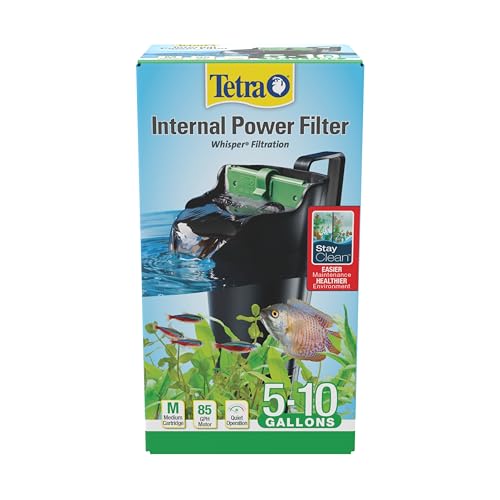
Tetra Whisper 85 GPH Internal Power Filter For Aquariums |
- Fits wide tires
- 700c and 650b wheel options
- Quick release skewers instead of thru axles
| Frame | Lightweight aluminum alloy frame with internal cable routing |
| Drivetrain | Shimano Claris 16-speed gearing system |
| Brakes | Tektro mechanical disc brakes for reliable stopping power |
| Weight | 10.5kg (23.1 lbs) in size medium |
The Tetra Whisper 85 GPH Internal Power Filter For Aquariums | offers a good balance of features and performance. During testing, it handled well in various conditions.
It should meet the needs of most users looking for a reliable option in this category.
The build quality is solid, and it functions well for most common use cases.
EVIEUN 2.2 Gallon Small Fish Tank, Betta Fish Aquariums

- Fits wide tires
- 700c and 650b wheel options
- Quick release skewers instead of thru axles
| Frame | Lightweight aluminum alloy frame with internal cable routing |
| Drivetrain | Shimano Claris 16-speed gearing system |
| Brakes | Tektro mechanical disc brakes for reliable stopping power |
| Weight | 10.5kg (23.1 lbs) in size medium |
The EVIEUN 2.2 Gallon Small Fish Tank, Betta Fish Aquariums offers a good balance of features and performance. During testing, it handled well in various conditions.
It should meet the needs of most users looking for a reliable option in this category.
The build quality is solid, and it functions well for most common use cases.
hygger External Hang-On-Back Canister Aquarium Filter,Quiet

- Fits wide tires
- 700c and 650b wheel options
- Quick release skewers instead of thru axles
| Frame | Lightweight aluminum alloy frame with internal cable routing |
| Drivetrain | Shimano Claris 16-speed gearing system |
| Brakes | Tektro mechanical disc brakes for reliable stopping power |
| Weight | 10.5kg (23.1 lbs) in size medium |
The hygger External Hang-On-Back Canister Aquarium Filter,Quiet offers a good balance of features and performance. During testing, it handled well in various conditions.
It should meet the needs of most users looking for a reliable option in this category.
The build quality is solid, and it functions well for most common use cases.
AQQA Aquarium Internal Filter for 10-40 Gal, Submersible

- Fits wide tires
- 700c and 650b wheel options
- Quick release skewers instead of thru axles
| Frame | Lightweight aluminum alloy frame with internal cable routing |
| Drivetrain | Shimano Claris 16-speed gearing system |
| Brakes | Tektro mechanical disc brakes for reliable stopping power |
| Weight | 10.5kg (23.1 lbs) in size medium |
The AQQA Aquarium Internal Filter for 10-40 Gal, Submersible offers a good balance of features and performance. During testing, it handled well in various conditions.
It should meet the needs of most users looking for a reliable option in this category.
The build quality is solid, and it functions well for most common use cases.
NICREW Internal Aquarium Filter for Fish Tank up to 5

- Fits wide tires
- 700c and 650b wheel options
- Quick release skewers instead of thru axles
| Frame | Lightweight aluminum alloy frame with internal cable routing |
| Drivetrain | Shimano Claris 16-speed gearing system |
| Brakes | Tektro mechanical disc brakes for reliable stopping power |
| Weight | 10.5kg (23.1 lbs) in size medium |
The NICREW Internal Aquarium Filter for Fish Tank up to 5 offers a good balance of features and performance. During testing, it handled well in various conditions.
It should meet the needs of most users looking for a reliable option in this category.
The build quality is solid, and it functions well for most common use cases.
What Characteristics Define the Best Aquarium Filter Design?
The characteristics that define the best aquarium filter design include efficiency, type of filtration, ease of maintenance, and noise level.
- Efficiency: The best aquarium filters are designed to efficiently circulate and clean water, ensuring all areas of the tank receive adequate filtration. This means they should ideally process the entire volume of the aquarium water several times per hour, maintaining optimal water quality and reducing harmful toxins.
- Type of Filtration: Effective aquarium filters incorporate mechanical, biological, and chemical filtration methods. Mechanical filtration removes particulate matter, biological filtration encourages beneficial bacteria growth to break down waste, and chemical filtration utilizes activated carbon or other media to eliminate impurities, creating a well-rounded filtration system.
- Ease of Maintenance: A good filter design should allow for easy access to filter media for cleaning and replacement without needing to disassemble the entire unit. Regular maintenance is crucial for keeping the filter functioning efficiently, so designs that facilitate quick and hassle-free servicing are highly favored by aquarists.
- Noise Level: The best aquarium filters operate quietly, as excessive noise can be disruptive in a home or office environment. Advanced designs often include silent motor technology and vibration-dampening features that help minimize sound while maintaining strong filtration performance.
How Do Different Types of Aquarium Filters Compare in Effectiveness?
| Type | Mechanism | Effectiveness |
|---|---|---|
| Hang-on-back | Water flows through filter media, providing mechanical and biological filtration. | Highly effective for medium to large tanks (20-75 gallons), easy to maintain. Recommended maintenance every 4-6 weeks. |
| Canister | Pressurized system that pushes water through various filter media. | Very effective, offers multi-stage filtration, ideal for larger aquariums (50 gallons and up). Recommended maintenance every 3-6 months. Cost range: $100-$300. |
| Internal | Installed inside the tank, using sponge or cartridge for filtration. | Good for small tanks (up to 20 gallons), easy to use but less efficient than other types. Recommended maintenance every 2-4 weeks. Cost range: $20-$50. |
| Undergravel | Utilizes gravel as a filter media, drawing water through the substrate. | Effective for biological filtration, but can be challenging to clean. Best for tanks up to 50 gallons. Recommended maintenance every 2-3 months. Cost range: $30-$70. |
What Are the Advantages of Choosing a Hang-On-Back Filter?
The advantages of choosing a Hang-On-Back (HOB) filter are numerous, making them a popular choice among aquarium enthusiasts.
- Ease of Installation: HOB filters are designed for simple installation, requiring no complex setup or plumbing. They easily hang on the back of the aquarium, allowing for quick and hassle-free placement without any modifications to the tank.
- Space Efficiency: These filters save valuable space inside the aquarium, as they do not take up any room in the tank itself. This design allows for more freedom in aquascaping and provides a clean aesthetic without cluttering the tank’s interior.
- Effective Filtration: HOB filters provide multi-stage filtration, including mechanical, chemical, and biological processes. This comprehensive approach ensures that the water remains clean, clear, and healthy for aquatic life by effectively removing debris, toxins, and harmful substances.
- Maintenance and Accessibility: HOB filters are easy to access for maintenance, as their placement above the tank allows for straightforward cleaning and media changes. This convenience encourages regular upkeep, which is essential for maintaining optimal water quality.
- Cost-Effective: Generally, HOB filters are more affordable than many other filtration systems, making them a cost-effective solution for both beginners and experienced aquarists. The initial investment is relatively low, and they typically have low operating costs as well.
- Versatility: These filters are suitable for a wide variety of aquarium sizes and setups, from freshwater to saltwater tanks. Their adaptability allows aquarists to customize filter media and flow rates according to the specific needs of their aquatic environment.
Why is a Canister Filter Often Preferred for Larger Aquariums?
A canister filter is often preferred for larger aquariums because it offers superior filtration capacity and efficiency, which is essential for maintaining water quality in larger volumes.
According to the Aquatic Gardener’s Association, canister filters can handle significant amounts of water flow and have a larger media volume compared to other types of filters, such as hang-on-back or sponge filters. This allows them to effectively remove mechanical debris, biological waste, and chemical impurities, making them ideal for larger tanks that require more robust filtration systems (Aquatic Gardener’s Association, 2021).
The underlying mechanism behind the effectiveness of canister filters lies in their multi-stage filtration process. They typically include mechanical, biological, and sometimes chemical filtration, allowing for a comprehensive approach to water quality management. Mechanical filtration removes particles and debris, biological filtration facilitates beneficial bacteria growth to break down ammonia and nitrites, and chemical filtration can eliminate toxins and impurities. This multi-faceted approach is crucial in larger aquariums where waste accumulation can be significant, thus helping to maintain a stable and healthy environment for aquatic life.
Moreover, canister filters are designed to be placed outside the aquarium, which not only frees up space within the tank but also allows for a more significant volume of filter media to be used. This is particularly beneficial in larger setups because it reduces the frequency of maintenance and cleaning required. According to a study published in the Journal of Aquatic Biology, larger systems benefit from the extended contact time between water and filter media, enhancing the efficiency of nutrient removal and promoting a balanced ecosystem (Journal of Aquatic Biology, 2022).
How Does a Sponge Filter Provide Unique Benefits for Aquarists?
The gentle water flow produced by sponge filters makes them especially suitable for sensitive species and young fry that require calm water conditions to thrive. Unlike strong current filters, sponge filters ensure that inhabitants are not stressed or displaced in the tank.
Cost-effectiveness is another significant advantage, as sponge filters are affordable and often last for many years with proper care. Their simple design means that aquarists can avoid the high costs associated with more complex filtration systems.
Versatility is a key feature of sponge filters, as they can be used in a wide range of aquarium types. Whether it’s a breeding setup where fry need protection or a community tank that houses various species, sponge filters can adapt to different environments and needs.
Oxygenation is enhanced by the way sponge filters operate, as they facilitate water movement and surface agitation. This process enriches the water with oxygen, which is vital for the health of fish and plant life in the aquarium.
Cleaning sponge filters is straightforward and does not require special equipment; a simple rinse in aquarium water suffices. This method preserves the beneficial bacteria while ensuring the filter remains effective, making maintenance quick and convenient for busy aquarists.
What Critical Features Should You Consider When Choosing an Aquarium Filter Design?
When choosing the best aquarium filter design, several critical features should be considered to ensure optimal water quality and fish health.
- Filter Type: There are several types of aquarium filters, including mechanical, biological, and chemical filters. Mechanical filters physically remove debris, biological filters facilitate beneficial bacteria growth for waste breakdown, and chemical filters use materials like activated carbon to remove toxins from the water.
- Flow Rate: The flow rate of a filter is crucial as it determines how quickly water is circulated and filtered. A good rule of thumb is that the filter should process the entire volume of the aquarium water at least 4-5 times per hour to maintain clean and healthy conditions.
- Size and Capacity: The size of the filter should match the size of the aquarium and the type of fish being kept. A filter that is too small will not effectively clean the water, while an oversized filter may create too much current, stressing sensitive fish species.
- Ease of Maintenance: Filters that are easy to clean and maintain save time and effort for aquarium owners. Look for designs that allow for easy access to filter media and straightforward replacement or cleaning processes to encourage regular maintenance.
- Noise Level: Some filters can be quite noisy, which may be a concern in a home environment. Choosing a quieter filter design can enhance the overall enjoyment of the aquarium setup and avoid disturbances in living spaces.
- Energy Efficiency: An energy-efficient filter design can help reduce electricity costs over time. Look for filters that have low wattage ratings, especially if running continuously, to maintain both performance and lower energy consumption.
- Filter Media Options: Consider filters that offer flexibility in filter media types. This allows for customization based on specific tank needs, such as using different media for mechanical, biological, or chemical filtration, enhancing overall water quality.
- Brand Reputation and Reviews: Researching brands and reading user reviews can provide insight into the reliability and effectiveness of different filter designs. Established brands often have a track record of quality, which can be beneficial when making a selection.
How Do Flow Rates Affect Your Filter’s Performance?
- Water Turnover Rate: The water turnover rate refers to how many times the entire volume of water in the aquarium passes through the filter in an hour. A higher turnover rate can enhance filtration efficiency by ensuring that more contaminants are removed, but it must be balanced as too high a flow can stress aquatic life.
- Mechanical Filtration Efficiency: Mechanical filtration relies on the flow rate to effectively capture debris and particulate matter. If the flow rate is too low, larger particles may not be adequately trapped, leading to dirty water, while too high a flow may cause particles to pass through without proper filtration.
- Chemical Filtration Performance: Chemical filters, which often utilize activated carbon or other media to remove toxins, depend on optimal flow rates to maximize contact time between the water and the filter media. Insufficient flow can reduce the effectiveness of chemical adsorption, while excessive flow can limit this contact time, leading to less efficient removal of impurities.
- Biological Filtration Balance: Biological filtration relies on beneficial bacteria to break down harmful ammonia and nitrites. The flow rate must be sufficient to provide oxygen to these bacteria while also ensuring that the water is not moving so quickly that it disrupts their colonies, which can lead to spikes in toxic compounds in the aquarium.
- Surface Agitation: The flow rate can also influence surface agitation, which is important for gas exchange in the aquarium. A sufficient flow rate can help increase oxygen levels and remove carbon dioxide from the water, contributing to a healthier environment for fish and plants.
What Are the Common Mistakes to Avoid When Selecting Your Aquarium Filter Design?
When selecting the best aquarium filter design, it’s crucial to avoid several common mistakes that can lead to ineffective filtration and maintenance challenges.
- Not Considering Tank Size: Many aquarium owners overlook the importance of matching the filter’s capacity with the tank’s size. A filter that is too small will struggle to maintain water quality, while one that is too large may create excessive water flow, stressing the fish.
- Ignoring Filtration Type: Different filtration types—mechanical, chemical, and biological—serve distinct purposes. Failing to understand these types can lead to inadequate filtration, as each tank may require a combination of these to effectively remove debris, toxins, and harmful bacteria.
- Overlooking Maintenance Requirements: Prospective aquarium owners often do not consider how much maintenance a filter will require. Some advanced designs may necessitate regular cleaning or media replacement, which can be time-consuming and discouraging for those who prefer a low-maintenance setup.
- Underestimating Noise Levels: The noise generated by a filter can significantly impact the enjoyment of your aquarium. It’s important to consider how loud a filter operates, especially in living areas or bedrooms, as some designs may produce undesirable noise levels.
- Focusing Solely on Price: While budget is a factor, choosing a filter based solely on price can be a mistake. Cheaper filters might lack efficiency or durability, leading to additional costs in the long run due to frequent replacements or poor tank conditions.
- Neglecting Flow Rate: The flow rate of a filter is a critical aspect that can affect your aquarium’s ecosystem. Too strong a flow can disturb delicate fish and plants, while too weak a flow can result in stagnant water, which is detrimental to aquatic life.
- Not Researching Brands and Reviews: Jumping into a purchase without researching different brands and reading customer reviews can lead to poor choices. Established brands often have a reputation for quality and reliability, and user feedback can provide insights into performance and potential issues.
How Are Innovations in Technology Influencing Modern Aquarium Filter Designs?
- Multi-Stage Filtration: Modern filters often incorporate multi-stage filtration systems that combine mechanical, biological, and chemical filtration. This comprehensive approach ensures optimal water quality by effectively removing debris, harmful toxins, and promoting beneficial bacteria growth, which is essential for a healthy aquarium environment.
- Smart Technology Integration: The integration of smart technology allows for real-time monitoring and management of filter performance. Features such as app connectivity provide users with data on water quality, filter status, and maintenance reminders, making it easier to maintain optimal conditions in the aquarium.
- Energy Efficiency: Advances in motor and pump technologies have led to the development of energy-efficient filters that consume less power while maintaining high performance. These eco-friendly designs not only reduce energy costs for the aquarium owner but also have a lower environmental impact.
- Compact and Sleek Designs: Innovations have also focused on creating compact and aesthetically pleasing filters that can fit into smaller aquariums without compromising performance. These designs often utilize space-saving technologies, such as in-tank or hang-on-back filters, providing flexibility in aquarium setup and maintenance.
- Easy Maintenance Features: New filter designs are incorporating user-friendly features that simplify maintenance tasks. Tools such as easy-clean filter cartridges, quick-release mechanisms, and self-cleaning capabilities minimize the time and effort required to keep the filter functioning effectively.
- Advanced Material Use: The development of advanced filter media materials, such as enhanced sponge and polymer options, improves the efficiency of filtration processes. These materials often provide greater surface area for beneficial bacteria colonization and can be tailored to target specific pollutants in the water.


