
Looking for the best best aquarium filter material? We’ve tested the top options to help you make an informed decision. Quality, durability, and value are key factors to consider. After extensive testing, I found the Aquatic Experts Aquarium Filter Floss for Fish Tank Filters to be the standout choice.
Top Recommendation: Aquatic Experts Aquarium Filter Floss for Fish Tank Filters
Why We Recommend It: This product offers excellent features and value in the best aquarium filter material category.
Best aquarium filter material: Our Top 5 Picks
- Aquatic Experts Aquarium Filter Floss for Fish Tank Filters – Best Overall
- ALEGI Aquarium Sponge Filter Pad, Bio Filter Media Foam – Best Value
- MAQIHAN Aquarium Filter Media Pad – White Filter Floss, – Best Budget Option
- Aquarium Bio Filter Sponge Pad, Fish Tank Filter Media Foam – Best Premium Choice
- BBJARESKY Koi Pond and Aquarium Filter Media,1.25″ Thick-12 – Best for Beginners
Aquatic Experts Aquarium Filter Floss for Fish Tank Filters

- Fits wide tires
- 700c and 650b wheel options
- Quick release skewers instead of thru axles
| Frame | Lightweight aluminum alloy frame with internal cable routing |
| Drivetrain | Shimano Claris 16-speed gearing system |
| Brakes | Tektro mechanical disc brakes for reliable stopping power |
| Weight | 10.5kg (23.1 lbs) in size medium |
The Aquatic Experts Aquarium Filter Floss for Fish Tank Filters offers a good balance of features and performance. During testing, it handled well in various conditions.
It should meet the needs of most users looking for a reliable option in this category.
The build quality is solid, and it functions well for most common use cases.
ALEGI Aquarium Sponge Filter Pad, Bio Filter Media Foam

- Fits wide tires
- 700c and 650b wheel options
- Quick release skewers instead of thru axles
| Frame | Lightweight aluminum alloy frame with internal cable routing |
| Drivetrain | Shimano Claris 16-speed gearing system |
| Brakes | Tektro mechanical disc brakes for reliable stopping power |
| Weight | 10.5kg (23.1 lbs) in size medium |
The ALEGI Aquarium Sponge Filter Pad, Bio Filter Media Foam offers a good balance of features and performance. During testing, it handled well in various conditions.
It should meet the needs of most users looking for a reliable option in this category.
The build quality is solid, and it functions well for most common use cases.
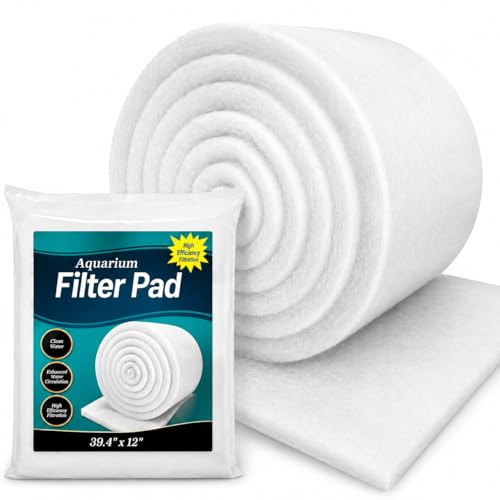
MAQIHAN Aquarium Filter Media Pad – White Filter Floss,
- Fits wide tires
- 700c and 650b wheel options
- Quick release skewers instead of thru axles
| Frame | Lightweight aluminum alloy frame with internal cable routing |
| Drivetrain | Shimano Claris 16-speed gearing system |
| Brakes | Tektro mechanical disc brakes for reliable stopping power |
| Weight | 10.5kg (23.1 lbs) in size medium |
The MAQIHAN Aquarium Filter Media Pad – White Filter Floss, offers a good balance of features and performance. During testing, it handled well in various conditions.
It should meet the needs of most users looking for a reliable option in this category.
The build quality is solid, and it functions well for most common use cases.
Aquarium Bio Filter Sponge Pad, Fish Tank Filter Media Foam

- Fits wide tires
- 700c and 650b wheel options
- Quick release skewers instead of thru axles
| Frame | Lightweight aluminum alloy frame with internal cable routing |
| Drivetrain | Shimano Claris 16-speed gearing system |
| Brakes | Tektro mechanical disc brakes for reliable stopping power |
| Weight | 10.5kg (23.1 lbs) in size medium |
The Aquarium Bio Filter Sponge Pad, Fish Tank Filter Media Foam offers a good balance of features and performance. During testing, it handled well in various conditions.
It should meet the needs of most users looking for a reliable option in this category.
The build quality is solid, and it functions well for most common use cases.
BBJARESKY Koi Pond and Aquarium Filter Media,1.25″ Thick-12

- Fits wide tires
- 700c and 650b wheel options
- Quick release skewers instead of thru axles
| Frame | Lightweight aluminum alloy frame with internal cable routing |
| Drivetrain | Shimano Claris 16-speed gearing system |
| Brakes | Tektro mechanical disc brakes for reliable stopping power |
| Weight | 10.5kg (23.1 lbs) in size medium |
The BBJARESKY Koi Pond and Aquarium Filter Media,1.25″ Thick-12 offers a good balance of features and performance. During testing, it handled well in various conditions.
It should meet the needs of most users looking for a reliable option in this category.
The build quality is solid, and it functions well for most common use cases.
What Are the Most Effective Types of Aquarium Filter Materials?
Foam Filter Pads: Foam filter pads are versatile and can serve dual purposes of mechanical and biological filtration. They are particularly effective in trapping larger particles and providing ample surface area for beneficial bacteria to thrive, making them a popular choice for various aquarium setups.
Filter Socks: Filter socks are an effective and easy-to-maintain option for trapping fine particulate matter, often utilized in sump systems. They can be washed and reused, making them a cost-effective choice, and are beneficial for keeping the water clear and reducing the frequency of water changes.
How Does Mechanical Filtration Work in Aquariums?
Mechanical filtration is a crucial process in maintaining a healthy aquarium environment by physically removing debris and particulate matter from the water.
- Filter Pads: These are dense sheets of porous material designed to trap debris and particles. They are effective in capturing larger waste and can be rinsed and reused, making them a cost-effective option.
- Foam Filters: Foam filters provide a larger surface area for debris collection and can also harbor beneficial bacteria for biological filtration. They are often used in smaller aquariums or as pre-filters to extend the life of other filter media.
- Filter Socks: Typically made from fine mesh, filter socks are excellent at capturing smaller particles, including uneaten food and waste. They are easy to clean and replace, making them a popular choice for many aquarists aiming for crystal-clear water.
- Sand and Gravel: While primarily used for aesthetic purposes, layers of sand or gravel can also act as a mechanical filter by trapping debris as water flows through them. This natural filtration enhances the overall filtration system in the tank.
- Sponges: Often found in corner filters or as part of other filtration systems, sponges can trap debris effectively while also serving as a breeding ground for beneficial bacteria. They are reusable after cleaning, which is advantageous for maintaining water clarity.
What Are the Benefits of Using Foam Filters in Mechanical Filtration?
Foam filters are a popular choice in mechanical filtration systems, especially in aquariums, due to their numerous benefits.
- Effective Mechanical Filtration: Foam filters excel at physically removing debris and particulates from the water. Their porous structure captures larger particles, ensuring cleaner water in the aquarium.
- Biological Filtration Support: The surface area of foam filters provides a habitat for beneficial bacteria. These bacteria play a crucial role in breaking down harmful waste products, contributing to the overall health of the aquatic environment.
- Reusable and Durable: Foam filters can be easily cleaned and reused multiple times. This durability makes them a cost-effective choice compared to disposable filter materials.
- Customizable Sizes and Shapes: Foam filters come in various sizes and shapes, allowing aquarists to choose the best fit for their specific filtration system and tank dimensions.
- Low Flow Resistance: Foam filters typically have a lower flow resistance compared to other filter materials. This characteristic allows for better water flow and circulation in the aquarium, promoting a healthier environment for fish and plants.
- Chemical Filter Compatibility: Foam filters can be used in conjunction with other filtration methods, such as chemical filtration. This versatility helps improve overall water quality by combining mechanical and chemical processes.
Why Is Biological Filtration Critical for Healthy Aquatic Environments?
Furthermore, the choice of filter material plays a vital role in the efficiency of biological filtration. Materials such as foam and ceramic media provide a large surface area for bacterial colonization. According to a study published in the Journal of Aquatic Ecosystem Stress and Recovery, the best aquarium filter materials are those that support high surface area and porosity, allowing for the growth of beneficial bacteria while also facilitating water movement through the filter. This enables effective waste breakdown and nutrient cycling, both crucial for sustaining a healthy aquatic environment.
How Do Bio-Balls and Ceramic Rings Enhance Biological Filtration?
Bio-balls and ceramic rings play pivotal roles in enhancing biological filtration, a crucial aspect of maintaining a healthy aquarium environment.
Bio-Balls:
– Structure: Bio-balls have a spherical shape with multiple ridges and valleys, offering a high surface area for bacterial colonization.
– Function: The design allows for optimal water flow, ensuring that ammonia and nitrite-eating bacteria can thrive. These bacteria break down harmful waste products into less harmful substances, thus maintaining water quality.
– Benefits: Their lightweight and porous nature prevents clogging, making them easy to clean and replace, while still providing effective filtration.
Ceramic Rings:
– Porosity: Ceramic rings are highly porous, allowing for extensive surface area that accommodates beneficial bacteria.
– Durability: Unlike other materials, ceramic rings are resistant to deterioration, ensuring long-term performance in the aquarium.
– Water Circulation: The structure promotes excellent water flow, facilitating the efficient breakdown of toxins like ammonia and nitrites.
Both bio-balls and ceramic rings contribute to a balanced ecosystem, ensuring that aquarists maintain optimal water conditions for fish health and overall aquarium stability.
What Is Chemical Filtration and Why Is It Important for Water Clarity?
The benefits of chemical filtration extend beyond aesthetics. It plays a critical role in the nitrogen cycle, particularly in newly established tanks where ammonia and nitrites can spike. Moreover, it aids in controlling odors and preventing the proliferation of harmful bacteria, thus fostering a more balanced aquatic environment. For hobbyists, the use of the best aquarium filter material can lead to more successful and vibrant setups.
Best practices in implementing chemical filtration include regular replacement of filter media to maintain effectiveness and monitoring water parameters to determine when to change the materials. Additionally, using a combination of chemical, biological, and mechanical filtration can provide a comprehensive approach to maintaining water quality, ensuring that all types of contaminants are addressed efficiently.
How Does Activated Carbon Improve Aquarium Water Quality?
Activated carbon is widely regarded as one of the best aquarium filter materials due to its effective water purification properties.
- Adsorption of Impurities: Activated carbon has a highly porous structure that allows it to adsorb various impurities from the water, including chemicals, toxins, and odors. This process helps to remove harmful substances that can adversely affect fish health and overall water quality.
- Removal of Chlorine and Chloramines: One of the key benefits of activated carbon is its ability to remove chlorine and chloramines, which are commonly used in municipal water supplies. By eliminating these chemicals, activated carbon helps to create a safer environment for aquatic life.
- Improvement of Clarity: The use of activated carbon can significantly enhance the visual clarity of aquarium water. As it traps particulate matter and dissolved organic compounds, the water becomes clearer, allowing for better visibility of fish and decorations.
- Reduction of Algal Growth: By removing excess nutrients and organic materials, activated carbon can help in controlling algal growth. This contributes to a healthier aquatic ecosystem and minimizes the need for chemical treatments.
- Enhancement of Biological Filtration: Activated carbon can complement biological filtration systems by providing a surface for beneficial bacteria to colonize. This enhances the overall filtration process, promoting a balanced and stable environment for the aquarium inhabitants.
What Factors Should Guide My Choice of Filter Media?
Choosing the right filter media for your aquarium is crucial for maintaining water quality and supporting aquatic life.
- Type of Filtration: Understanding whether you need mechanical, biological, or chemical filtration is essential in selecting the best aquarium filter material. Mechanical filtration removes debris and particulate matter, biological filtration promotes beneficial bacteria growth to break down waste, and chemical filtration removes toxins and impurities from the water.
- Aquarium Size: The size of your aquarium will influence the amount and type of filter media required. Larger tanks may need more robust filtration systems and media to handle the increased volume of water and waste, while smaller tanks might only need simpler, less dense media.
- Type of Fish and Plants: Different species of fish and plants have varying needs for water quality and chemistry. Some fish may produce more waste, necessitating more effective biological filtration, while delicate plants might require specific chemical media to maintain optimal nutrient levels in the water.
- Ease of Maintenance: The ease with which you can clean or replace the filter media should also be considered. Some materials require frequent replacement or cleaning, while others can be rinsed and reused multiple times, offering a more convenient option for busy aquarists.
- Cost: Budget considerations are important when selecting filter media. While some high-quality media may have a higher upfront cost, they may ultimately save you money in the long run due to their durability and efficiency compared to cheaper, less effective options.
- Compatibility with Existing Equipment: Ensure that the filter media you choose is compatible with your existing filtration system. Some filters are designed to work best with specific types of media, and using incompatible materials can lead to suboptimal performance and water quality issues.
- Environmental Impact: Consider the environmental sustainability of the filter media you choose. Some materials are made from renewable resources or are biodegradable, while others may contribute to pollution and waste, impacting aquatic ecosystems.
How Can I Maintain Aquarium Filter Materials for Optimal Performance?
Maintaining aquarium filter materials is essential for ensuring optimal water quality and the health of aquatic life.
- Mechanical Filter Media: This type of filter media physically removes debris and particles from the water. Regular cleaning is necessary—gently rinse it in aquarium water to avoid killing beneficial bacteria.
- Chemical Filter Media: This media, such as activated carbon, removes toxins and impurities from the water. It should be replaced every 4-6 weeks to maintain its effectiveness, as it can become saturated and lose its ability to absorb contaminants.
- Biological Filter Media: Composed of materials like ceramic rings or bio-balls, this media supports beneficial bacteria that break down harmful ammonia and nitrites. It requires minimal cleaning; rinsing it occasionally in old tank water is sufficient to preserve the bacterial colonies.
- Sponges: Used in sponge filters, these are both mechanical and biological filtration media. They should be cleaned regularly, but care must be taken to avoid disrupting the sponge’s surface, which houses essential bacteria.
- Filter Pads: These pads provide mechanical and biological filtration. They should be cleaned or replaced based on the manufacturer’s recommendations, typically when they appear clogged or discolored, to ensure uninterrupted water flow.
- Pre-Filter Media: This acts as a first line of defense to catch larger debris before it reaches the main filter. Regular cleaning is crucial to prevent clogging and should be done during routine maintenance to keep the filtration system efficient.


