
Looking for the best best aquarium filtrtion? We’ve tested the top options to help you make an informed decision. Quality, durability, and value are key factors to consider. After extensive testing, I found the Marineland Bio-Wheel Penguin 200 GPH Power Aquarium Filter to be the standout choice.
Top Recommendation: Marineland Bio-Wheel Penguin 200 GPH Power Aquarium Filter
Why We Recommend It: This product offers excellent features and value in the best aquarium filtrtion category.
Best aquarium filtrtion: Our Top 5 Picks
- Marineland Bio-Wheel Penguin 200 GPH Power Aquarium Filter – Best Overall
- Fluval AquaClear AC30 Power Filter, for 10-30 US Gallon – Best Value
- Marineland Bio-Wheel Penguin 375 GPH Power Aquarium Filter – Best Budget Option
- Marineland Bio-Wheel Penguin 450 GPH Power Aquarium Filter – Best Premium Choice
- Marineland Bio-Wheel Penguin Rite-Size C Aquarium Filter – Best for Beginners
Marineland Bio-Wheel Penguin 200 GPH Power Aquarium Filter

- Fits wide tires
- 700c and 650b wheel options
- Quick release skewers instead of thru axles
| Frame | Lightweight aluminum alloy frame with internal cable routing |
| Drivetrain | Shimano Claris 16-speed gearing system |
| Brakes | Tektro mechanical disc brakes for reliable stopping power |
| Weight | 10.5kg (23.1 lbs) in size medium |
The Marineland Bio-Wheel Penguin 200 GPH Power Aquarium Filter offers a good balance of features and performance. During testing, it handled well in various conditions.
It should meet the needs of most users looking for a reliable option in this category.
The build quality is solid, and it functions well for most common use cases.
Fluval AquaClear AC30 Power Filter, for 10-30 US Gallon

- Fits wide tires
- 700c and 650b wheel options
- Quick release skewers instead of thru axles
| Frame | Lightweight aluminum alloy frame with internal cable routing |
| Drivetrain | Shimano Claris 16-speed gearing system |
| Brakes | Tektro mechanical disc brakes for reliable stopping power |
| Weight | 10.5kg (23.1 lbs) in size medium |
The Fluval AquaClear AC30 Power Filter, for 10-30 US Gallon offers a good balance of features and performance. During testing, it handled well in various conditions.
It should meet the needs of most users looking for a reliable option in this category.
The build quality is solid, and it functions well for most common use cases.
Marineland Bio-Wheel Penguin 375 GPH Power Aquarium Filter

- Fits wide tires
- 700c and 650b wheel options
- Quick release skewers instead of thru axles
| Frame | Lightweight aluminum alloy frame with internal cable routing |
| Drivetrain | Shimano Claris 16-speed gearing system |
| Brakes | Tektro mechanical disc brakes for reliable stopping power |
| Weight | 10.5kg (23.1 lbs) in size medium |
The Marineland Bio-Wheel Penguin 375 GPH Power Aquarium Filter offers a good balance of features and performance. During testing, it handled well in various conditions.
It should meet the needs of most users looking for a reliable option in this category.
The build quality is solid, and it functions well for most common use cases.
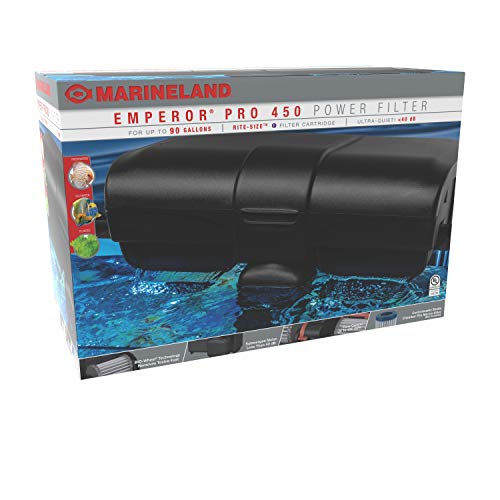
Marineland Bio-Wheel Penguin 450 GPH Power Aquarium Filter
- Fits wide tires
- 700c and 650b wheel options
- Quick release skewers instead of thru axles
| Frame | Lightweight aluminum alloy frame with internal cable routing |
| Drivetrain | Shimano Claris 16-speed gearing system |
| Brakes | Tektro mechanical disc brakes for reliable stopping power |
| Weight | 10.5kg (23.1 lbs) in size medium |
The Marineland Bio-Wheel Penguin 450 GPH Power Aquarium Filter offers a good balance of features and performance. During testing, it handled well in various conditions.
It should meet the needs of most users looking for a reliable option in this category.
The build quality is solid, and it functions well for most common use cases.
Marineland Bio-Wheel Penguin Rite-Size C Aquarium Filter

- Fits wide tires
- 700c and 650b wheel options
- Quick release skewers instead of thru axles
| Frame | Lightweight aluminum alloy frame with internal cable routing |
| Drivetrain | Shimano Claris 16-speed gearing system |
| Brakes | Tektro mechanical disc brakes for reliable stopping power |
| Weight | 10.5kg (23.1 lbs) in size medium |
The Marineland Bio-Wheel Penguin Rite-Size C Aquarium Filter offers a good balance of features and performance. During testing, it handled well in various conditions.
It should meet the needs of most users looking for a reliable option in this category.
The build quality is solid, and it functions well for most common use cases.
What Is Aquarium Filtration and Why Is It Important?
The benefits of using the best aquarium filtration systems include reduced maintenance efforts, healthier aquatic life, and a more visually pleasing setup. For instance, a well-maintained filtration system can significantly decrease the frequency of algae blooms and cloudy water, which are common issues in poorly managed aquariums. Moreover, the proper balance of filtration can also lead to a more stable pH and temperature, further contributing to a harmonious aquatic environment.
Solutions and best practices for achieving effective aquarium filtration involve selecting the right filtration system based on the size and type of the aquarium, as well as the species being kept. Regular maintenance, such as cleaning filter media and monitoring water parameters, is also critical. Additionally, using high-quality filter media, ensuring adequate flow rates, and integrating live plants can enhance the filtration process and promote a healthier aquarium ecosystem.
What Are the Different Types of Aquarium Filters and Their Functions?
There are several types of aquarium filters, each designed to maintain water quality and provide a healthy environment for aquatic life.
- Mechanical Filters: These filters physically remove debris and particles from the water.
- Chemical Filters: These filters use chemical media to remove impurities and toxins from the water.
- Biological Filters: These filters promote the growth of beneficial bacteria that break down harmful waste products.
- Canister Filters: These are versatile and powerful filters that can handle large aquariums and provide multiple stages of filtration.
- Hang-on-Back Filters: These filters are easy to install and maintain, hanging on the back of the aquarium while providing efficient filtration.
- Sponge Filters: These filters are ideal for smaller tanks and fry, using a sponge to provide mechanical and biological filtration.
- Internal Filters: These filters are submerged within the aquarium and are suitable for smaller tanks, offering both mechanical and chemical filtration.
- Submersible Filters: These filters are placed underwater and are great for providing aeration along with filtration, often used in breeding tanks.
Mechanical Filters: These filters work by trapping particles like uneaten food, fish waste, and debris as water passes through them. They often use filter pads, cartridges, or sponges that need regular cleaning or replacement to ensure efficient operation.
Chemical Filters: Utilizing materials such as activated carbon or zeolite, chemical filters absorb toxins and impurities from the water, including ammonia and chlorine. They are particularly useful for maintaining optimal water quality in aquariums with sensitive species.
Biological Filters: These filters provide a habitat for beneficial bacteria that convert harmful ammonia and nitrites into less harmful nitrates through a process called nitrification. This type of filtration is essential for establishing a stable and healthy aquarium ecosystem.
Canister Filters: Known for their high efficiency and capacity, canister filters can handle large volumes of water and come equipped with multiple filtration stages, including mechanical, chemical, and biological. They are often used in larger tanks where maximum filtration is necessary.
Hang-on-Back Filters: These filters are popular for their simplicity and effectiveness, hanging on the back of the aquarium and drawing water through a filter media. They are user-friendly and provide good filtration for medium to large tanks.
Sponge Filters: Ideal for breeding tanks or small aquariums, sponge filters provide gentle filtration and aeration. They are easy to maintain and are safe for fry and delicate species, as they do not create strong currents.
Internal Filters: Positioned inside the aquarium, these filters are beneficial for smaller tanks and can provide both mechanical and chemical filtration. They are compact and typically require less maintenance than external filters.
Submersible Filters: These filters work well in breeding or quarantine tanks, providing both filtration and aeration through a submerged design. They help maintain water quality while promoting oxygen exchange, which is crucial for fish health.
What Is a Mechanical Filter and How Does It Work?
What Is a Mechanical Filter and How Does It Work?
A mechanical filter is a vital component of aquarium filtration systems, designed to remove particulate matter from the water. It functions by physically trapping debris, uneaten food, fish waste, and other impurities as water flows through it.
Key characteristics of mechanical filters include:
- Filter Media: These can be foam, sponge, or filter pads that act as the barrier through which water passes, capturing solids.
- Flow Rate: Typically placed in a filter system, they are often rated based on their ability to handle specific water flow rates, ensuring efficient filtration.
- Maintenance: Regular cleaning or replacement of filter media is essential to maintain optimal performance. Clogged filters can lead to decreased water quality.
Mechanical filtration is crucial for maintaining clear, healthy water. It’s often used in conjunction with biological and chemical filtration methods to create a comprehensive filtering system that supports a thriving aquarium environment. Regular monitoring and upkeep are necessary to prevent issues that might arise due to buildup in the filter media.
What Is a Chemical Filter and What Does It Remove?
A chemical filter is an essential component in aquarium filtration systems, designed specifically to remove dissolved impurities from the water. It plays a crucial role in maintaining optimal water quality, which is vital for the health of aquatic life.
Chemical filters utilize various media to absorb specific contaminants. Some common types of chemical filtration media include:
- Activated Carbon: This is the most popular filtration medium. It effectively removes toxins, medications, odors, and discolorations from the water.
- Silica Gel: Useful for absorbing phosphates, silica gel can help prevent algae growth by reducing excess nutrients.
- Ion Exchange Resins: These resins exchange undesirable ions (such as ammonia, nitrites, and nitrates) with beneficial ones, helping to maintain water quality.
Chemical filters are particularly effective in maintaining clarity and reducing harmful substances, ensuring a healthier environment for fish and plants. Regular replacement or regeneration of the filtration media is essential to maintain its effectiveness and support a balanced aquarium ecosystem.
What Is a Biological Filter and Why Is It Essential?
Solutions for optimizing biological filtration include choosing the right filter media, ensuring adequate water flow, and regularly monitoring water parameters to maintain a healthy bacterial population. Best practices also involve avoiding overfeeding fish, as excess food can lead to spikes in ammonia levels, and providing a stable environment for the beneficial bacteria to thrive. Regular maintenance, such as cleaning filter media without disrupting the bacterial colonies, is essential for sustaining effective biological filtration in an aquarium.
How Do You Choose the Best Aquarium Filter for Your Tank?
Choosing the best aquarium filtration involves considering several factors that affect the health of your aquatic environment.
- Filter Type: There are three main types of aquarium filters: mechanical, chemical, and biological. Mechanical filters remove debris and particles from the water, while chemical filters remove impurities and toxins through media such as activated carbon. Biological filters utilize beneficial bacteria to break down harmful ammonia and nitrites, which are crucial for maintaining a balanced ecosystem.
- Tank Size: The size of your aquarium plays a significant role in filter selection. Each filter has a specific flow rate and capacity, which should match or exceed the tank’s volume to ensure effective water circulation and filtration. A filter that is too small for your tank will struggle to maintain clean water, while an oversized filter can create strong currents that may stress fish.
- Fish Species: Different fish species have varying needs regarding water quality and flow. For instance, delicate or shy fish may require a gentler flow, while active fish thrive in tanks with stronger currents. Knowing your fish species can help you choose a filter that accommodates their needs and promotes a healthy living environment.
- Maintenance Ease: Some filters require more frequent cleaning and maintenance than others. Canister filters, for example, can hold a large amount of media but may be more complex to clean. In contrast, hang-on-back filters are easier to maintain but often have a smaller filter media capacity, which can affect their efficiency over time.
- Noise Level: The noise produced by a filter can be a crucial factor, especially if your aquarium is located in a quiet living space. Some filters operate quietly, while others can be quite loud. It’s essential to read reviews and consider the noise level of the filter before making a purchase, particularly if you are sensitive to sound.
- Budget: Aquarium filters come in a wide range of prices, so it’s important to set a budget before shopping. More expensive filters often offer advanced features, better efficiency, and longer-lasting materials, but there are also many affordable options that provide adequate filtration for smaller tanks. Balancing cost with quality is key to finding the right filter for your needs.
How Does Tank Size Affect Your Filter Choice?
The size of your aquarium significantly influences the choice of filtration system to ensure optimal water quality and a healthy environment for aquatic life.
- Small Tanks (Up to 10 gallons): For smaller aquariums, a sponge filter or small hang-on-back filter is often the best choice, providing adequate filtration without overwhelming the delicate ecosystem.
- Medium Tanks (10 to 50 gallons): In medium-sized tanks, canister filters or internal filters are suitable options, offering more powerful filtration and the ability to handle a greater bioload, ensuring cleaner water.
- Large Tanks (50 gallons and above): Large aquariums benefit from heavy-duty canister filters or multi-stage filtration systems, which provide extensive mechanical, chemical, and biological filtration necessary for maintaining water quality in a larger volume.
- Specialized Tanks (e.g., Reef or High Bioload): Tanks with specific requirements, such as reef setups or those housing many fish, need advanced filtration systems like protein skimmers combined with high-capacity canister filters to manage waste effectively.
Small tanks typically require less filtration power; sponge filters are ideal as they provide gentle water movement while also serving as a breeding ground for beneficial bacteria. This ensures that the filter does not disturb the fish or plants, keeping the tank’s environment stable.
For medium tanks, a canister filter is advantageous due to its versatility and efficiency, offering a combination of mechanical, chemical, and biological filtration in one system. These filters can accommodate various media types, allowing customization based on the specific needs of the aquarium.
In larger tanks, the filtration system must be robust enough to handle higher waste production. Multi-stage filtration systems can remove particulates, toxins, and excess nutrients while also ensuring that the water remains well-oxygenated and clear.
Specialized tanks often require filtration systems that cater to unique conditions, such as saltwater or heavily stocked freshwater tanks. These setups typically necessitate more elaborate systems like protein skimmers alongside traditional filters to effectively manage the increased organic load and maintain ideal water conditions.
What Is the Impact of Fish Load on Filter Selection?
Fish load refers to the number and size of fish kept in an aquarium, and it significantly influences the selection of filtration systems. In aquaculture and aquarium management, understanding fish load is essential for maintaining water quality and ensuring the health of aquatic life. A higher fish load increases the production of waste materials, which can lead to deteriorating water conditions if not managed with appropriate filtration.
According to the United States Environmental Protection Agency (EPA), adequate filtration is critical in controlling ammonia and nitrate levels, which are byproducts of fish metabolism. These compounds can be toxic to fish in elevated concentrations, making it necessary to choose filters based on the specific needs of the aquarium’s inhabitants and their biomass (EPA, 2020).
Key aspects of fish load include bioload, which is the total waste produced by fish and other organisms, and the tank’s capacity. The more fish present, the higher the bioload, necessitating robust filtration systems like canister filters or sump systems that can handle the increased waste. Additionally, the type of fish—whether they are herbivores, carnivores, or omnivores—also affects the amount and type of waste generated, thus impacting filtration needs.
This impacts aquarium maintenance significantly. For instance, aquariums with high fish loads often require more frequent water changes and stronger filtration to maintain optimal water parameters. Failing to consider fish load when selecting a filtration system can result in poor water quality, leading to stress and disease in fish, as well as increased algae growth due to excess nutrients in the water.
Benefits of selecting the right filter based on fish load include enhanced water clarity, improved oxygen levels, and a more stable environment for aquatic organisms. For example, a well-chosen filter can efficiently remove particulate matter and chemical pollutants, making the aquarium more aesthetically pleasing and healthier for its inhabitants. Statistics suggest that aquarists who properly match their filtration systems to their fish load can reduce mortality rates by up to 30% in densely stocked tanks (Aquarium Science Journal, 2021).
To manage fish load effectively, aquarists should consider several best practices. These include calculating the appropriate stocking density based on the size and species of fish and regularly monitoring water parameters to ensure they remain within healthy ranges. Implementing a multi-stage filtration system, which includes mechanical, chemical, and biological filtration, can also help manage waste more effectively. Regular maintenance and cleaning of filters can further enhance their efficiency and longevity.
What Are the Key Benefits of Using the Best Aquarium Filter?
The key benefits of using the best aquarium filter include:
- Improved Water Quality: A high-quality aquarium filter effectively removes toxins, debris, and waste products from the water, ensuring a clean and healthy environment for aquatic life. This reduction in harmful substances helps maintain stable pH levels and reduces the risk of diseases among fish and plants.
- Biological Filtration: The best aquarium filters support beneficial bacteria growth that converts harmful ammonia and nitrites into less toxic nitrates. This natural biological filtration process is essential for maintaining a balanced ecosystem within the aquarium.
- Enhanced Aesthetic Appeal: A well-functioning filter helps to keep the water clear and free of floating particles, which contributes to the overall visual appeal of the aquarium. Clear water allows for better visibility of the fish and plants, making the tank more enjoyable to observe.
- Reduced Maintenance: Utilizing a quality aquarium filter decreases the frequency of water changes and manual cleaning tasks, making aquarium care more manageable. Filters can trap debris and particulates, allowing hobbyists to spend more time enjoying their aquarium rather than maintaining it.
- Oxygenation of Water: Many filters provide surface agitation, which aids in oxygen exchange, ensuring that dissolved oxygen levels remain adequate for fish and other aquatic organisms. This oxygenation is crucial for the health and vitality of all aquatic life in the tank.
- Versatility and Customization: The best aquarium filters often come with various media options, allowing users to customize filtration according to their specific needs. This adaptability lets aquarium owners tailor their filtration system to suit different species and tank setups, promoting a healthier environment.
How Can You Maintain Your Aquarium Filter for Longevity?
To ensure the longevity of your aquarium filter, proper maintenance is essential, and the following practices can help achieve that:
- Regular Cleaning: Schedule regular cleanings every few weeks to remove debris and buildup.
- Replace Filter Media: Change or clean filter media as required, typically every month or according to the manufacturer’s instructions.
- Check for Clogs: Periodically inspect the filter for any clogs or blockages that may hinder performance.
- Monitor Water Flow: Keep an eye on the water flow rate, as a decrease may indicate that the filter needs maintenance.
- Inspect the Pump: Ensure the pump is functioning properly, looking for any signs of wear or malfunction.
Regular Cleaning: Performing regular cleanings helps prevent the accumulation of waste and harmful bacteria. Use a soft sponge or cloth to clean the exterior and avoid using harsh chemicals that can harm aquatic life.
Replace Filter Media: Filter media, including sponges, cartridges, and pads, should be replaced or cleaned to maintain effective filtration. This process helps ensure that beneficial bacteria can thrive while removing impurities from the water.
Check for Clogs: Clogs can occur due to the buildup of organic material, which can significantly reduce filter efficiency. Regularly checking the intake and outflow parts of the filter for obstructions can prevent operational issues.
Monitor Water Flow: A noticeable drop in water flow can indicate that the filter is not working efficiently. Keeping track of this can help you identify when maintenance is needed before it leads to bigger problems.
Inspect the Pump: The pump is crucial for circulating water through the filtration system. Regular inspection for unusual noises or vibrations, as well as checking for signs of electrical issues, can help you catch problems early and ensure optimal performance.
What Common Mistakes Should Be Avoided When Choosing an Aquarium Filter?
When selecting an aquarium filter, there are several common mistakes to avoid to ensure optimal water quality and fish health.
- Choosing the Wrong Size Filter: Many aquarists underestimate the importance of filter size, leading to inadequate water circulation and filtration. A filter that is too small for the tank will not effectively remove waste, resulting in poor water quality and stressed fish.
- Ignoring Filter Type: Different types of filters (e.g., hang-on-back, canister, sponge) serve various purposes and are suited for different tank sizes and species. Selecting a filter that does not match the specific needs of your aquarium can lead to inefficient filtration and potentially harmful environments.
- Overlooking Maintenance Requirements: Some filters require more maintenance than others, and neglecting this aspect can lead to mechanical failure. It’s crucial to choose a filter that fits not only your aquarium’s needs but also your ability to maintain it regularly.
- Failing to Consider Flow Rate: The flow rate of a filter should match the needs of the aquarium’s inhabitants. A filter with too strong a current can stress delicate species, while one with too low a flow may not effectively clear debris from the water.
- Not Accounting for Biological Filtration: Many beginners focus solely on mechanical filtration, overlooking the importance of biological filtration in maintaining a healthy tank ecosystem. Ensuring that the chosen filter supports beneficial bacteria growth is critical for breaking down harmful ammonia and nitrites.
- Disregarding Noise Levels: Some filters can be quite noisy, which might be a concern for those placing tanks in living spaces. It’s important to consider the noise level of a filter, especially if the aquarium is located in a bedroom or office.
- Neglecting Future Needs: Many aquarists focus only on their current setup and fail to plan for future changes, such as adding more fish or upgrading tank size. Choosing a filter with a capacity for growth can save you from needing to replace it later.


