
Looking for the best best aquarium fish for brown algae? We’ve tested the top options to help you make an informed decision. Quality, durability, and value are key factors to consider. After extensive testing, I found the Tetra No More Algae Tablets for Aquariums, 8 Count | to be the standout choice.
Top Recommendation: Tetra No More Algae Tablets for Aquariums, 8 Count |
Why We Recommend It: This product offers excellent features and value in the best aquarium fish for brown algae category.
Best aquarium fish for brown algae: Our Top 5 Picks
- Tetra No More Algae Tablets for Aquariums, 8 Count | – Best Overall
- MICROBE-LIFT Algaway 5.4 Algae Remover for Aquariums, – Best Value
- API ALGAEFIX Algae Control 16-Ounce Bottle – Best Budget Option
- API ALGAEFIX Algae Control 4-Ounce Bottle, Multi-colored – Best Premium Choice
- MICROBE-LIFT Special Blend Aquarium Water Care Treatment, – Best for Beginners
Tetra No More Algae Tablets for Aquariums, 8 Count |

- Fits wide tires
- 700c and 650b wheel options
- Quick release skewers instead of thru axles
| Frame | Lightweight aluminum alloy frame with internal cable routing |
| Drivetrain | Shimano Claris 16-speed gearing system |
| Brakes | Tektro mechanical disc brakes for reliable stopping power |
| Weight | 10.5kg (23.1 lbs) in size medium |
The Tetra No More Algae Tablets for Aquariums, 8 Count | offers a good balance of features and performance. During testing, it handled well in various conditions.
It should meet the needs of most users looking for a reliable option in this category.
The build quality is solid, and it functions well for most common use cases.
MICROBE-LIFT Algaway 5.4 Algae Remover for Aquariums,

- Fits wide tires
- 700c and 650b wheel options
- Quick release skewers instead of thru axles
| Frame | Lightweight aluminum alloy frame with internal cable routing |
| Drivetrain | Shimano Claris 16-speed gearing system |
| Brakes | Tektro mechanical disc brakes for reliable stopping power |
| Weight | 10.5kg (23.1 lbs) in size medium |
The MICROBE-LIFT Algaway 5.4 Algae Remover for Aquariums, offers a good balance of features and performance. During testing, it handled well in various conditions.
It should meet the needs of most users looking for a reliable option in this category.
The build quality is solid, and it functions well for most common use cases.
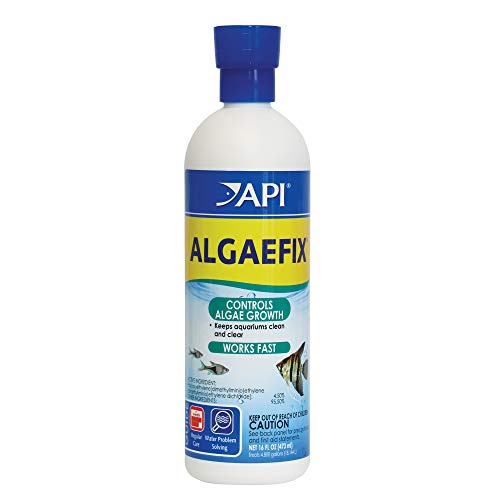
API ALGAEFIX Algae Control 16-Ounce Bottle
- Fits wide tires
- 700c and 650b wheel options
- Quick release skewers instead of thru axles
| Frame | Lightweight aluminum alloy frame with internal cable routing |
| Drivetrain | Shimano Claris 16-speed gearing system |
| Brakes | Tektro mechanical disc brakes for reliable stopping power |
| Weight | 10.5kg (23.1 lbs) in size medium |
The API ALGAEFIX Algae Control 16-Ounce Bottle offers a good balance of features and performance. During testing, it handled well in various conditions.
It should meet the needs of most users looking for a reliable option in this category.
The build quality is solid, and it functions well for most common use cases.
API ALGAEFIX Algae Control 4-Ounce Bottle, Multi-colored

- Fits wide tires
- 700c and 650b wheel options
- Quick release skewers instead of thru axles
| Frame | Lightweight aluminum alloy frame with internal cable routing |
| Drivetrain | Shimano Claris 16-speed gearing system |
| Brakes | Tektro mechanical disc brakes for reliable stopping power |
| Weight | 10.5kg (23.1 lbs) in size medium |
The API ALGAEFIX Algae Control 4-Ounce Bottle, Multi-colored offers a good balance of features and performance. During testing, it handled well in various conditions.
It should meet the needs of most users looking for a reliable option in this category.
The build quality is solid, and it functions well for most common use cases.
MICROBE-LIFT Special Blend Aquarium Water Care Treatment,

- Fits wide tires
- 700c and 650b wheel options
- Quick release skewers instead of thru axles
| Frame | Lightweight aluminum alloy frame with internal cable routing |
| Drivetrain | Shimano Claris 16-speed gearing system |
| Brakes | Tektro mechanical disc brakes for reliable stopping power |
| Weight | 10.5kg (23.1 lbs) in size medium |
The MICROBE-LIFT Special Blend Aquarium Water Care Treatment, offers a good balance of features and performance. During testing, it handled well in various conditions.
It should meet the needs of most users looking for a reliable option in this category.
The build quality is solid, and it functions well for most common use cases.
What Is Brown Algae and Why Does It Form in Aquariums?
Brown algae, scientifically known as diatoms, are a group of photosynthetic microorganisms that belong to the division Bacillariophyta. They are characterized by their brownish color due to the presence of chlorophyll and other pigments, which are more pronounced in low-light conditions. In aquariums, brown algae often appear as a thin, brown film on surfaces such as glass, substrate, and decorations, typically thriving in nutrient-rich environments.
According to the Marine Biological Association of the UK, diatoms are one of the most abundant groups of microalgae in the world, contributing significantly to the primary production in aquatic ecosystems. They are especially common in newly established aquariums where there is an excess of nutrients, often arising from uneaten food, fish waste, and decaying plant matter.
Key aspects of brown algae formation include the availability of light and nutrients. Brown algae flourish in low-light conditions and high nutrient levels, particularly silicates and nitrates. They are often seen in aquariums that have recently been set up or are uncycled, as the biological filtration system has not yet stabilized to effectively manage nutrient levels. Additionally, the introduction of new substrates or decorations can also lead to a spike in brown algae growth, as these materials can leach silicates into the water.
This phenomenon impacts aquarists in various ways. While brown algae are generally harmless to fish and plants, excessive growth can lead to unsightly tanks that may detract from the aesthetic appeal of the aquarium. Moreover, if left unchecked, brown algae can cover surfaces and suffocate other aquatic life, potentially leading to imbalances in the ecosystem. It can also indicate underlying problems such as poor water quality or inadequate filtration.
One of the benefits of having brown algae in an aquarium is that they can serve as a food source for certain fish and invertebrates. Species such as otocinclus catfish, certain snails like nerite snails, and some types of shrimp readily consume brown algae, helping to control its growth naturally. This symbiotic relationship not only helps keep the tank clean but also provides nutrition for these algae-eating species.
To combat brown algae effectively, aquarists can adhere to several best practices. Regular cleaning and maintenance, including increasing water circulation and performing routine water changes, can help manage nutrient levels. Additionally, ensuring proper lighting schedules and introducing algae-eating fish or invertebrates can create a healthier balance in the aquarium ecosystem. Keeping the tank lightly stocked can also prevent nutrient overload, minimizing the potential for brown algae blooms.
Which Fish Are Most Effective at Controlling Brown Algae?
Ghost Shrimp are easy to care for and can coexist with many fish species, making them an excellent choice for beginners. They are particularly effective in smaller aquariums and can help keep brown algae in check while also being a fascinating addition to the tank’s ecosystem.
What Are the Benefits of Plecostomus in Combatting Brown Algae?
The benefits of Plecostomus in combatting brown algae make them a popular choice for aquarium enthusiasts dealing with this common issue.
- Algae Consumption: Plecostomus are known for their ability to effectively consume brown algae, often referred to as diatoms. Their specialized mouths allow them to scrape algae off surfaces in the aquarium, helping to maintain a cleaner environment.
- Biological Control: By introducing Plecostomus into the aquarium, hobbyists can create a biological balance that reduces the growth of brown algae. This natural method of control minimizes the need for chemical treatments, which can be harmful to fish and plants.
- Low Maintenance: Plecostomus are relatively low-maintenance fish that can thrive in a variety of tank conditions. Their hardiness makes them suitable for both beginner and experienced aquarists, allowing them to focus on algae control without extensive care requirements.
- Tank Aesthetics: Aside from their algae-eating capabilities, Plecostomus add visual interest to aquariums. Their unique appearance and behavior can enhance the overall aesthetics of the tank, making them a desirable addition for many fish keepers.
- Compatibility with Other Fish: Plecostomus are generally peaceful and can coexist with a wide range of other fish species. This compatibility allows for a diverse community tank while still addressing the brown algae problem effectively.
How Do Otocinclus Catfish Contribute to Algae Control?
Otocinclus catfish are highly regarded for their effective role in controlling brown algae in aquariums.
- Natural Algae Eaters: Otocinclus catfish are known for their herbivorous diet, primarily consuming various types of algae, including brown algae. They graze on surfaces within the aquarium, helping to keep the tank clean and reducing excessive algae growth.
- Small Size and Peaceful Nature: These fish are small, typically growing to about 2 inches, and their gentle temperament makes them suitable for community tanks. Their peaceful nature allows them to coexist with many other species without causing aggression, making them an ideal choice for a harmonious aquarium environment.
- Low Bioload: Otocinclus catfish have a low bioload, meaning they do not produce excessive waste or require large amounts of food. This characteristic is beneficial for maintaining water quality, which is crucial for preventing the conditions that lead to brown algae blooms.
- Social Behavior: Otocinclus are social fish that thrive in groups, which can enhance their algae-eating efficiency. Keeping them in schools encourages natural foraging behavior, leading to more effective algae control as they work together to graze on tank surfaces.
- Positive Impact on Tank Health: By controlling algae growth, Otocinclus catfish help maintain a balanced ecosystem in the aquarium. Their activities contribute to overall tank health, promoting the growth of beneficial bacteria and enhancing the aesthetic appeal of the aquarium.
Why Are Siamese Algae Eaters Recommended for Brown Algae?
This happens because Siamese Algae Eaters are highly effective at consuming brown algae, making them a popular choice among aquarium enthusiasts for maintaining water quality and aesthetics.
According to a study published in the Journal of Aquatic Animal Health, Siamese Algae Eaters (Crossocheilus oblongus) are known for their herbivorous diet, which primarily consists of algae, including diatoms that contribute to brown algae blooms. Their feeding behavior helps control the growth of these unwanted algae in aquariums, making them a natural solution for this common issue.
The underlying mechanism involves the fish’s ability to graze on algae in a way that not only reduces its presence but also promotes a healthier aquatic environment. As Siamese Algae Eaters feed, they scrape algae off surfaces with their specialized mouths, which prevents the algae from taking over. Additionally, by consuming brown algae, they directly compete with it for nutrients and light, inhibiting its growth. This dynamic showcases the importance of introducing the right species to manage algae effectively in a confined ecosystem like an aquarium.
What Advantages Do Nerite Snails Offer for Algae Management?
Nerite snails provide several advantages for managing brown algae in aquariums.
- Effective Algae Eaters: Nerite snails are known for their voracious appetite for algae, including unsightly brown algae that can accumulate in tanks. They graze on various types of algae, helping to keep the aquarium clean and reducing the need for chemical treatments.
- Non-Reproductive in Freshwater: One significant advantage of Nerite snails is that they do not reproduce in freshwater environments, which means they won’t overpopulate your tank. This makes them a convenient choice for aquarium owners who want algae control without the worry of a snail explosion.
- Hardy and Low-Maintenance: Nerite snails are resilient creatures that can tolerate a range of water conditions, making them easy to care for. Their hardiness means they can adapt to fluctuations in water parameters, providing consistent algae management with minimal effort from the aquarist.
- Enhance Tank Aesthetics: In addition to their practical benefits, Nerite snails add visual interest to an aquarium with their unique shell patterns and colors. They contribute to a more dynamic and engaging aquatic environment, enhancing the overall aesthetic appeal of the tank.
- Safe with Other Species: Nerite snails are generally peaceful and can coexist with a variety of other fish and invertebrates. This compatibility makes them an ideal choice for community tanks where other algae-eating fish may be too aggressive or territorial.
How Can Tank Conditions Be Optimized to Prevent Brown Algae Growth?
Optimizing tank conditions is essential to prevent brown algae growth in aquariums, and several strategies can be employed.
- Maintain Proper Lighting: Adequate lighting is crucial for aquatic plants and fish, but too much can promote algae growth. Using a timer to regulate light exposure and ensuring the light spectrum supports plant growth can help minimize brown algae.
- Control Nutrient Levels: High levels of nitrates and phosphates can fuel algae blooms. Regular water changes and using a good quality aquarium filter can help keep these nutrients in check, as well as avoiding overfeeding fish which contributes to waste buildup.
- Introduce Algae-Eating Fish: Certain fish species are known to consume brown algae, thus helping to control its population. Fish like Otocinclus catfish and certain types of snails can act as natural cleaners, reducing the presence of algae without harming the ecosystem.
- Optimize Water Flow: Stagnant water can lead to algae proliferation, so ensuring adequate water circulation can help keep algae at bay. Adjusting filter placement and using water pumps can create a current that discourages brown algae growth.
- Regular Maintenance: Routine cleaning of the aquarium, including scrubbing surfaces and changing filter media, is vital. This not only removes existing algae but also prevents new growth by ensuring a clean environment for fish and plants.
What Maintenance Practices Help Maintain a Balanced Aquarium Environment?
Maintaining a balanced aquarium environment involves various practices that ensure the health of both the fish and the aquatic ecosystem.
- Regular Water Testing: Monitoring parameters such as pH, ammonia, nitrite, and nitrate levels is crucial for maintaining a healthy aquarium. Regular testing helps identify imbalances that could lead to algae growth and fish health issues.
- Water Changes: Performing regular water changes removes excess nutrients and waste products from the aquarium. This practice helps to maintain water quality and reduces the chances of brown algae proliferation.
- Proper Filtration: Using an efficient filtration system is essential for keeping the water clean and clear. A good filter removes debris and provides biological filtration that helps maintain beneficial bacteria, which can outcompete algae for nutrients.
- Controlling Light Exposure: Managing the amount and duration of light your aquarium receives can significantly impact algae growth. Limiting light exposure to about 8-10 hours a day can help prevent excessive algae growth, including brown algae.
- Feeding Practices: Overfeeding fish can lead to excess nutrients in the water, promoting algae growth. Providing only the amount of food that fish can consume in a few minutes helps keep nutrient levels in check and reduces brown algae development.
- Adding Live Plants: Incorporating live plants into the aquarium can help compete with algae for nutrients. Healthy plants absorb excess nutrients, which can limit algae growth and improve the overall appearance of the tank.
- Using Algae-Eating Fish: Introducing specific fish known for consuming brown algae, such as otocinclus, bristlenose plecos, or certain species of loaches, can help manage algae levels naturally. These fish contribute to maintaining a balanced ecosystem by eating algae and keeping surfaces clean.
- Regular Cleaning: Routine maintenance, including cleaning the substrate and decorations, is important to prevent algae buildup. Using a gravel vacuum during water changes helps remove organic waste and detritus that can contribute to nutrient spikes.


