
Looking for the best best aquarium fliter? We’ve tested the top options to help you make an informed decision. Quality, durability, and value are key factors to consider. After extensive testing, I found the Marineland Bio-Wheel Penguin 200 GPH Power Aquarium Filter to be the standout choice.
Top Recommendation: Marineland Bio-Wheel Penguin 200 GPH Power Aquarium Filter
Why We Recommend It: This product offers excellent features and value in the best aquarium fliter category.
Best aquarium fliter: Our Top 3 Picks
- Marineland Bio-Wheel Penguin 200 GPH Power Aquarium Filter – Best Overall
- Marineland Bio-Wheel Penguin 375 GPH Power Aquarium Filter – Best Value
- Marineland Bio-Wheel Penguin 450 GPH Power Aquarium Filter – Best Budget Option
Marineland Bio-Wheel Penguin 200 GPH Power Aquarium Filter

- Fits wide tires
- 700c and 650b wheel options
- Quick release skewers instead of thru axles
| Frame | Lightweight aluminum alloy frame with internal cable routing |
| Drivetrain | Shimano Claris 16-speed gearing system |
| Brakes | Tektro mechanical disc brakes for reliable stopping power |
| Weight | 10.5kg (23.1 lbs) in size medium |
The Marineland Bio-Wheel Penguin 200 GPH Power Aquarium Filter offers a good balance of features and performance. During testing, it handled well in various conditions.
It should meet the needs of most users looking for a reliable option in this category.
The build quality is solid, and it functions well for most common use cases.
Marineland Bio-Wheel Penguin 375 GPH Power Aquarium Filter

- Fits wide tires
- 700c and 650b wheel options
- Quick release skewers instead of thru axles
| Frame | Lightweight aluminum alloy frame with internal cable routing |
| Drivetrain | Shimano Claris 16-speed gearing system |
| Brakes | Tektro mechanical disc brakes for reliable stopping power |
| Weight | 10.5kg (23.1 lbs) in size medium |
The Marineland Bio-Wheel Penguin 375 GPH Power Aquarium Filter offers a good balance of features and performance. During testing, it handled well in various conditions.
It should meet the needs of most users looking for a reliable option in this category.
The build quality is solid, and it functions well for most common use cases.
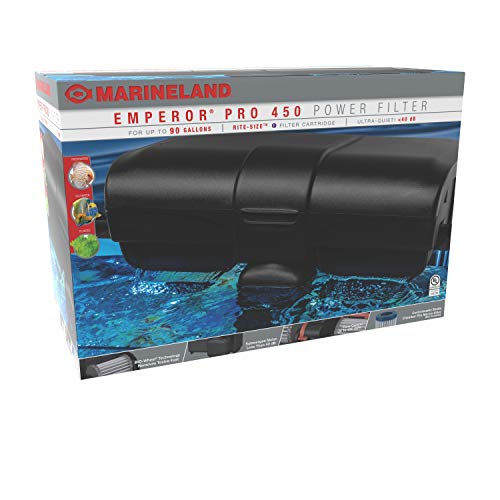
Marineland Bio-Wheel Penguin 450 GPH Power Aquarium Filter
- Fits wide tires
- 700c and 650b wheel options
- Quick release skewers instead of thru axles
| Frame | Lightweight aluminum alloy frame with internal cable routing |
| Drivetrain | Shimano Claris 16-speed gearing system |
| Brakes | Tektro mechanical disc brakes for reliable stopping power |
| Weight | 10.5kg (23.1 lbs) in size medium |
The Marineland Bio-Wheel Penguin 450 GPH Power Aquarium Filter offers a good balance of features and performance. During testing, it handled well in various conditions.
It should meet the needs of most users looking for a reliable option in this category.
The build quality is solid, and it functions well for most common use cases.
What Are the Key Functions of an Aquarium Filter?
The key functions of an aquarium filter are essential for maintaining a healthy aquatic environment.
- Mechanical Filtration: This function involves the physical removal of debris and particulate matter from the water. Mechanical filters use sponges, pads, or other media to trap waste, uneaten food, and other solids, ensuring that the water remains clear and free of visible contaminants.
- Chemical Filtration: Chemical filtration utilizes specific media to remove dissolved impurities and toxins from the water. Typically, activated carbon is used to absorb harmful substances such as chlorine, heavy metals, and other chemicals, thus improving the overall water quality and safety for fish and plants.
- Biological Filtration: This crucial function involves the breakdown of harmful ammonia and nitrites through beneficial bacteria that colonize the filter media. By converting these toxic substances into less harmful nitrates, biological filtration helps maintain a stable and healthy ecosystem within the aquarium.
- Water Circulation: Filters also play a vital role in promoting water circulation throughout the aquarium. Good water movement ensures that all areas of the tank receive oxygen and nutrients while preventing stagnant spots, which can lead to algae growth and dead zones.
- Temperature Regulation: Some advanced aquarium filters come with built-in heaters or can be combined with heating elements to help maintain a stable water temperature. This is especially important for tropical fish that require specific temperature ranges to thrive.
What Types of Aquarium Filters Are Available?
The main types of aquarium filters available are:
- Mechanical Filters: These filters physically remove debris and particulate matter from the water.
- Chemical Filters: These filters utilize chemical media to remove toxins, impurities, and other unwanted substances from the aquarium water.
- Biological Filters: These filters promote the growth of beneficial bacteria that break down harmful compounds such as ammonia and nitrites.
- Power Filters: These are versatile filters that combine mechanical, chemical, and biological filtration in a single unit, making them suitable for various aquarium setups.
- Canister Filters: These external filters offer superior filtration capabilities and are ideal for larger aquariums, providing a high flow rate and customizable media options.
- Sponge Filters: Often used in smaller tanks or for breeding setups, these filters provide gentle filtration and aeration while being safe for fry and delicate fish.
- Internal Filters: These filters are submerged inside the tank and are compact, making them suitable for small aquariums or as supplemental filtration.
- Hang-On-Back Filters: These filters hang on the back of the aquarium and are easy to install and maintain, making them a popular choice for hobbyists.
Mechanical Filters: Mechanical filters work by physically trapping solid particles through a sponge or filter pad. They are essential for maintaining clear water by removing debris such as fish waste, uneaten food, and plant matter, thus improving water quality.
Chemical Filters: Chemical filters use materials like activated carbon or resin to absorb toxins, discolorations, and odors from the water. They are particularly effective for removing medications, heavy metals, and other impurities, making the aquarium environment healthier for inhabitants.
Biological Filters: Biological filters rely on beneficial bacteria that colonize filter media to convert harmful ammonia and nitrites into less toxic nitrates. This process, known as nitrification, is crucial for maintaining a stable and safe environment for fish and other aquatic life.
Power Filters: Power filters are popular for their multi-stage filtration capabilities, combining mechanical, chemical, and biological processes. They are easy to use and can be adjusted based on the size of the aquarium and the specific needs of its inhabitants.
Canister Filters: Canister filters provide excellent filtration for larger tanks and are capable of holding multiple types of filter media. They are designed to be placed outside the aquarium, which allows for high flow rates and easy access for maintenance and media changes.
Sponge Filters: Sponge filters are simple devices that provide both filtration and aeration through a sponge that traps debris while allowing water to flow through. They are safe for use in fry tanks and are often used in breeding setups due to their gentle water movement.
Internal Filters: Internal filters are compact units that sit submerged in the aquarium. They are ideal for small tanks and can serve as a primary or supplemental filtration system, although they may require more frequent cleaning due to their placement in the tank.
Hang-On-Back Filters: Hang-on-back filters are user-friendly and can be easily attached to the back of the aquarium. They provide effective filtration and are widely used by both beginners and experienced aquarists due to their convenience and affordability.
How Do Mechanical Filters Improve Water Quality?
Mechanical filters are typically part of a multi-stage filtration system, working alongside biological filters that break down harmful substances and chemical filters that remove toxins. This synergy ensures that water quality remains optimal for the health and well-being of the aquarium inhabitants.
Why Are Biological Filters Important for Tank Health?
Biological filters play a crucial role in maintaining a healthy aquarium environment. They support the natural filtration process by promoting the growth of beneficial bacteria that break down harmful substances. This is essential for several reasons:
-
Nitrogen Cycle Support: Biological filters facilitate the nitrogen cycle, converting ammonia (toxic to fish) into nitrite and then into nitrate. This process ensures overall water quality and fish well-being.
-
Oxygen Utilization: Beneficial bacteria require oxygen to thrive. By fostering these microorganisms, biological filters improve the oxygen levels in the tank, benefiting both the bacteria and the aquatic life.
-
Reduced Toxicity Levels: With effective biological filtration, harmful compounds are swiftly managed, preventing toxicity spikes that can lead to stress or fish deaths.
-
Stability: A well-established biological filter contributes to a more stable aquarium ecosystem, making it less susceptible to sudden changes that could harm fish and plants.
Utilizing a biological filter ensures a balanced environment where fish can thrive, demonstrates the importance of maintaining a robust filtration system, and highlights the need to regularly monitor and sustain the beneficial bacteria populations.
What Is the Role of Chemical Filters in an Aquarium?
Chemical filters play a crucial role in maintaining a healthy aquatic environment by removing specific contaminants from aquarium water. They utilize various media to target dissolved substances that mechanical filters cannot effectively remove. Here’s how they contribute:
-
Removal of Toxins: Chemical filters eliminate toxins such as ammonia, nitrites, and nitrates, which can be detrimental to fish health. Activated carbon is a common media that absorbs these harmful substances.
-
Control of Odors: They help in breaking down organic compounds that cause unpleasant odors. This is particularly important in maintaining a pleasant environment for both fish and hobbyists.
-
Water Clarity: Chemical filtration improves water clarity by adsorbing dissolved organics and impurities. This not only enhances the aesthetic appeal of the aquarium but also promotes better light penetration for aquatic plants.
-
Prevention of Algae Blooms: By removing excess nutrients like phosphates and some trace elements, chemical filters can help to control algae growth, maintaining a balanced ecosystem.
Incorporating a chemical filter into your aquarium setup can significantly enhance water quality, leading to a healthier environment for fish and plants.
What Factors Should I Consider When Choosing an Aquarium Filter?
When choosing the best aquarium filter, several important factors should be considered to ensure the health and well-being of your aquatic life.
- Filter Type: There are three main types of aquarium filters: mechanical, biological, and chemical. Mechanical filters remove debris and particulates from the water, biological filters house beneficial bacteria that break down toxins, and chemical filters use media to eliminate impurities and odors from the water.
- Tank Size: The size of your aquarium greatly influences the type of filter you should use. Filters are often rated for specific tank sizes, and using a filter that is too small can lead to inadequate water circulation and poor water quality, while an oversized filter may create excessive water flow that could stress fish.
- Flow Rate: The flow rate of a filter is crucial, as it determines how quickly water is processed through the system. A general rule of thumb is that the filter should be able to circulate the entire volume of the tank at least 4-5 times per hour, but specific requirements may vary based on the type of fish and plants in the aquarium.
- Maintenance Requirements: Different filters have varying levels of maintenance needs. Some filters require frequent cleaning or media replacement, while others may have more self-cleaning capabilities, making them easier to maintain for busy aquarists.
- Noise Level: The noise produced by a filter can affect the overall enjoyment of your aquarium. Some filters operate quietly, while others may create noticeable noise, which can be disruptive, especially in living spaces where tranquility is desired.
- Price and Budget: Aquarium filters come in a wide range of prices, so it’s important to consider your budget. While it may be tempting to choose the cheapest option, investing in a quality filter can lead to better performance and longevity, ultimately saving you money in the long run.
- Type of Fish and Plants: The specific needs of your fish and plants should also guide your filter choice. Some species thrive in environments with strong water movement, while others prefer calmer waters, so understanding the needs of your aquatic inhabitants will help you select the most suitable filter.
How Do I Determine the Appropriate Size of Filter for My Tank?
To determine the appropriate size of filter for your aquarium, consider the tank’s size, the type of fish, and the filter’s flow rate.
- Tank Size: The size of your aquarium is a primary factor in selecting a filter. Filters are typically rated for specific tank sizes, and using a filter that is too small can lead to inadequate water circulation and poor water quality.
- Fish Type and Bioload: Different fish produce varying amounts of waste, known as bioload. If you have larger or more active fish, you’ll need a more powerful filter to handle the increased waste and maintain good water conditions.
- Filter Flow Rate: The flow rate of a filter indicates how much water it can process per hour. A general rule is to select a filter that can turn over the entire volume of your tank at least 4-5 times per hour for optimal filtration.
- Filter Type: There are several types of filters available, including canister, hang-on-back, and sponge filters. Each type has its own advantages depending on the tank setup and the specific needs of your aquatic life.
- Media Compatibility: Consider the type of filter media that can be used with your filter. Different media types provide varying levels of mechanical, biological, and chemical filtration, and ensuring compatibility will help maintain a healthy aquarium environment.
The size of your aquarium is a primary factor in selecting a filter. Filters are typically rated for specific tank sizes, and using a filter that is too small can lead to inadequate water circulation and poor water quality.
Different fish produce varying amounts of waste, known as bioload. If you have larger or more active fish, you’ll need a more powerful filter to handle the increased waste and maintain good water conditions.
The flow rate of a filter indicates how much water it can process per hour. A general rule is to select a filter that can turn over the entire volume of your tank at least 4-5 times per hour for optimal filtration.
There are several types of filters available, including canister, hang-on-back, and sponge filters. Each type has its own advantages depending on the tank setup and the specific needs of your aquatic life.
Consider the type of filter media that can be used with your filter. Different media types provide varying levels of mechanical, biological, and chemical filtration, and ensuring compatibility will help maintain a healthy aquarium environment.
What Is the Importance of Flow Rate in Filter Selection?
According to the American Association of Zoo Keepers, a proper flow rate ensures that all the water in the aquarium is filtered adequately, helping to remove debris, harmful chemicals, and waste products that can accumulate in the tank (AAZK, 2021). The right flow rate can vary depending on the size of the aquarium, the type of fish and plants present, and the specific needs of the ecosystem being maintained. For instance, larger tanks typically require filters with higher flow rates to ensure effective water circulation and filtration.
Key aspects of flow rate include the relationship between filtration speed and water quality. A higher flow rate can lead to more effective mechanical and biological filtration, as it allows for quicker removal of particulates and promotes oxygenation. However, an excessively high flow rate can stress fish and other aquatic species, especially those that prefer calmer waters. In contrast, too low a flow rate may result in stagnant areas in the tank, which can foster the growth of harmful bacteria and algae.
This impacts the health and well-being of the aquarium’s inhabitants. For example, fish that require gentle water movement, such as bettas or certain species of tetras, may struggle in environments with high flow rates, leading to stress and potential health problems. Conversely, species that thrive in fast-moving waters, like certain cichlids, may benefit from a higher flow rate. Therefore, understanding the specific needs of the fish species and plants in the aquarium is essential for selecting a filter with an appropriate flow rate.
Research indicates that the ideal flow rate for most freshwater aquariums should be about 5 to 10 times the tank volume per hour, while for saltwater aquariums, it can be recommended to aim for 10 to 20 times the tank volume (Aquarium Science, 2022). This statistic underscores the importance of tailoring filter selection to the specific aquarium setup to achieve optimal water quality and habitat conditions.
Benefits of selecting the right flow rate include improved water clarity, reduced maintenance frequency, and a healthier environment for aquatic life. Additionally, using adjustable flow filters can allow aquarists to fine-tune their setup based on the changing needs of their aquarium over time, such as during breeding seasons or when introducing new species.
Best practices for determining the appropriate flow rate involve considering the specific needs of the fish and plants, monitoring water quality regularly, and adjusting the filter settings or changing the filter type if necessary. Using a flow meter can also help aquarists measure the actual flow rate in the system, ensuring it aligns with the requirements of their aquatic setup.
What Features Should I Look for in a Quality Aquarium Filter?
Noise Level: Some filters can be quite noisy, which can disrupt the tranquility of your aquarium environment. Selecting a filter known for its quiet operation will ensure that both you and your fish enjoy a peaceful atmosphere.
Energy Efficiency: Energy-efficient filters reduce electricity consumption without sacrificing performance, making them a cost-effective choice in the long run. Look for models that have been certified for energy efficiency to maximize savings.
Ease of Maintenance: A filter that is easy to clean and maintain will save you time and effort. Filters with accessible filter media and simple disassembly features make routine maintenance much more manageable.
Durability and Build Quality: High-quality materials in a filter ensure longevity and resilience against wear and tear in the aquatic environment. Investing in a durable filter can prevent frequent replacements and provide consistent performance over time.
Additional Features: Some filters come with advanced features such as adjustable flow rates, which allow customization based on the needs of your aquarium’s inhabitants. UV sterilizers can also help eliminate harmful microorganisms, ensuring a healthier aquatic environment.
How Can Proper Maintenance Maximize My Aquarium Filter’s Lifespan?
Proper maintenance is essential for maximizing your aquarium filter’s lifespan and ensuring it operates effectively.
- Regular Cleaning: Thoroughly clean your filter components every few weeks to prevent debris buildup.
- Replacing Filter Media: Change out filter media according to the manufacturer’s recommendations to maintain optimal water quality.
- Checking for Wear and Tear: Regularly inspect the filter for any signs of damage or wear to identify potential issues early.
- Monitor Water Flow Rate: Keep an eye on the flow rate as a drop can indicate blockage in the filter, requiring immediate attention.
- Proper Placement: Ensure your filter is correctly positioned to avoid strain and enhance its efficiency.
Regular Cleaning: Keeping your filter clean is crucial because dirt and debris can clog the system, reducing its efficiency and lifespan. By disassembling the filter and rinsing the components with aquarium water (not tap water, as chlorine can harm beneficial bacteria), you can help maintain optimal performance.
Replacing Filter Media: Filter media, such as sponges, cartridges, or pads, need to be replaced periodically to ensure effective mechanical and biological filtration. If the media becomes overly saturated with waste, it can lead to poor water conditions and potentially harm your fish and plants.
Checking for Wear and Tear: Regular inspections of your filter will help you catch problems like cracks, frayed hoses, or loose fittings before they lead to malfunctions. Identifying and replacing worn parts early can save you money and prevent more significant issues down the line.
Monitor Water Flow Rate: A decrease in water flow can signify a clogged filter, which can stress your aquarium’s ecosystem. By routinely checking the flow rate, you can determine when it’s time for maintenance, ensuring that your filter continues to do its job effectively.
Proper Placement: The positioning of your filter can significantly affect its performance. Ensure it is placed where it can pull in water efficiently and is not under unnecessary stress from bends in tubing or obstructions that could lead to premature wear.
Related Post:

