
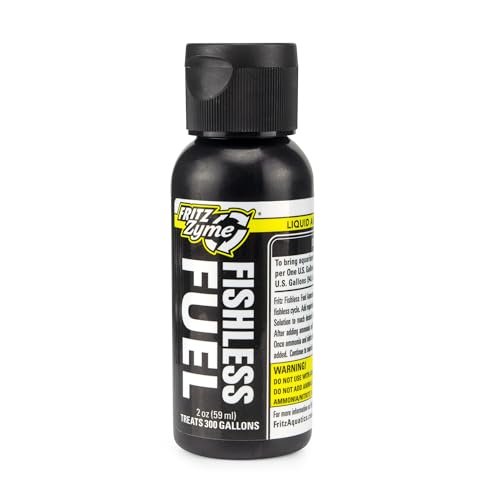
Looking for the best best aquarium ammonia levels? We’ve tested the top options to help you make an informed decision. Quality, durability, and value are key factors to consider. After extensive testing, I found the Fritz Fishless Fuel Ammonia Solution for Fishless Aquarium to be the standout choice.
Top Recommendation: Fritz Fishless Fuel Ammonia Solution for Fishless Aquarium
Why We Recommend It: This product offers excellent features and value in the best aquarium ammonia levels category.
Best aquarium ammonia levels: Our Top 5 Picks
- Fritz Fishless Fuel Ammonia Solution for Fishless Aquarium – Best Overall
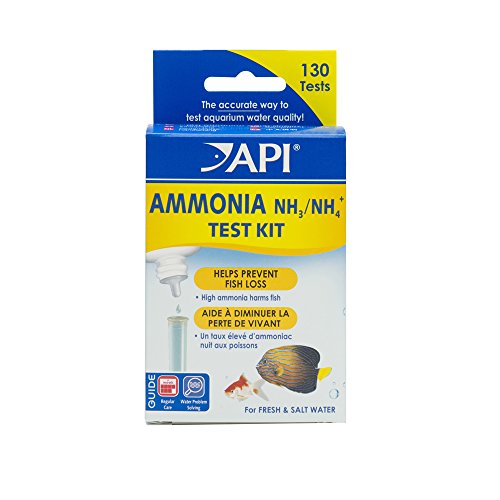
- API Ammonia 130-Test Freshwater and Saltwater Aquarium – Best Value
- 11 in 1 – Aquarium Test Strips | 950 Tests – 150 Strips | – Best Budget Option
- Tetra EasyStrips Ammonia Test Strips for Aquarium Water, – Best Premium Choice
- AAwipes 8-in-1 Aquarium Test Kit for Fish Tanks – Quick & – Best for Beginners
Fritz Fishless Fuel Ammonia Solution for Fishless Aquarium
- Fits wide tires
- 700c and 650b wheel options
- Quick release skewers instead of thru axles
| Frame | Lightweight aluminum alloy frame with internal cable routing |
| Drivetrain | Shimano Claris 16-speed gearing system |
| Brakes | Tektro mechanical disc brakes for reliable stopping power |
| Weight | 10.5kg (23.1 lbs) in size medium |
The Fritz Fishless Fuel Ammonia Solution for Fishless Aquarium offers a good balance of features and performance. During testing, it handled well in various conditions.
It should meet the needs of most users looking for a reliable option in this category.
The build quality is solid, and it functions well for most common use cases.
API Ammonia 130-Test Freshwater and Saltwater Aquarium
- Fits wide tires
- 700c and 650b wheel options
- Quick release skewers instead of thru axles
| Frame | Lightweight aluminum alloy frame with internal cable routing |
| Drivetrain | Shimano Claris 16-speed gearing system |
| Brakes | Tektro mechanical disc brakes for reliable stopping power |
| Weight | 10.5kg (23.1 lbs) in size medium |
The API Ammonia 130-Test Freshwater and Saltwater Aquarium offers a good balance of features and performance. During testing, it handled well in various conditions.
It should meet the needs of most users looking for a reliable option in this category.
The build quality is solid, and it functions well for most common use cases.
11 in 1 – Aquarium Test Strips | 950 Tests – 150 Strips |

- Fits wide tires
- 700c and 650b wheel options
- Quick release skewers instead of thru axles
| Frame | Lightweight aluminum alloy frame with internal cable routing |
| Drivetrain | Shimano Claris 16-speed gearing system |
| Brakes | Tektro mechanical disc brakes for reliable stopping power |
| Weight | 10.5kg (23.1 lbs) in size medium |
The 11 in 1 – Aquarium Test Strips | 950 Tests – 150 Strips | offers a good balance of features and performance. During testing, it handled well in various conditions.
It should meet the needs of most users looking for a reliable option in this category.
The build quality is solid, and it functions well for most common use cases.
Tetra EasyStrips Ammonia Test Strips for Aquarium Water,

- Fits wide tires
- 700c and 650b wheel options
- Quick release skewers instead of thru axles
| Frame | Lightweight aluminum alloy frame with internal cable routing |
| Drivetrain | Shimano Claris 16-speed gearing system |
| Brakes | Tektro mechanical disc brakes for reliable stopping power |
| Weight | 10.5kg (23.1 lbs) in size medium |
The Tetra EasyStrips Ammonia Test Strips for Aquarium Water, offers a good balance of features and performance. During testing, it handled well in various conditions.
It should meet the needs of most users looking for a reliable option in this category.
The build quality is solid, and it functions well for most common use cases.
AAwipes 8-in-1 Aquarium Test Kit for Fish Tanks – Quick &

- Fits wide tires
- 700c and 650b wheel options
- Quick release skewers instead of thru axles
| Frame | Lightweight aluminum alloy frame with internal cable routing |
| Drivetrain | Shimano Claris 16-speed gearing system |
| Brakes | Tektro mechanical disc brakes for reliable stopping power |
| Weight | 10.5kg (23.1 lbs) in size medium |
The AAwipes 8-in-1 Aquarium Test Kit for Fish Tanks – Quick & offers a good balance of features and performance. During testing, it handled well in various conditions.
It should meet the needs of most users looking for a reliable option in this category.
The build quality is solid, and it functions well for most common use cases.
What Are Considered the Best Ammonia Levels for Aquariums?
The best ammonia levels for aquariums are critical for maintaining a healthy aquatic environment.
- 0 ppm (parts per million): This is the ideal ammonia level for both freshwater and saltwater aquariums.
- 0.01 to 0.25 ppm: These levels indicate the beginning of ammonia presence and may not be harmful but should be monitored closely.
- 0.25 to 0.5 ppm: Ammonia levels in this range can be stressful for fish and invertebrates and should be addressed promptly.
- 0.5 ppm and above: Levels above this threshold are considered toxic and can lead to serious health issues or death for aquarium inhabitants.
0 ppm is the ideal ammonia level for both freshwater and saltwater aquariums, as it signifies a fully cycled tank where beneficial bacteria have established to break down waste products. Keeping ammonia at this level ensures that fish and other aquatic life thrive without the risk of toxicity.
0.01 to 0.25 ppm levels indicate the beginning of ammonia presence. While these levels may not be immediately harmful, they are a sign that the biological filtration may not be keeping up with waste production, and it is advisable to monitor the situation closely.
When ammonia levels reach 0.25 to 0.5 ppm, it can become stressful for fish, leading to symptoms like gasping at the surface or reduced activity. Immediate action is recommended to lower these levels, such as performing water changes or enhancing filtration.
Levels above 0.5 ppm are considered toxic to aquatic life, with effects that can include damage to gills and increased susceptibility to disease. If ammonia levels reach this point, urgent intervention is necessary to rectify the situation, potentially involving water changes or the addition of ammonia detoxifying products.
How Do High Ammonia Levels Impact Aquarium Aquatic Life?
Beneficial bacteria in aquariums, which play a crucial role in the nitrogen cycle by converting ammonia into nitrites and then into nitrates, can be adversely affected by high ammonia levels. If these bacteria die off due to toxicity, it can lead to a dangerous cycle of rising ammonia levels, further harming the aquatic life.
Long-term exposure to high ammonia levels can manifest in various health issues for fish, including chronic illnesses and impaired growth rates. This can lead to decreased vitality and, ultimately, a shorter lifespan for the affected organisms.
What Symptoms Indicate Ammonia Toxicity in Fish?
Increased mortality is the most severe outcome of ammonia toxicity, often occurring in fish that are already weakened or stressed due to other environmental factors. Monitoring ammonia levels is crucial to prevent these fatal outcomes and maintain a healthy aquarium.
How Can You Accurately Measure Ammonia Levels in Your Aquarium?
To accurately measure ammonia levels in your aquarium, several methods and tools can be utilized:
- Aquarium Test Kits: These kits typically come with reagents that change color based on the ammonia concentration in the water.
- Digital Ammonia Monitors: These devices provide real-time ammonia readings and are often easier to read than colorimetric tests.
- Ammonia Test Strips: Quick and convenient, these strips change color when dipped in aquarium water, indicating ammonia levels.
- Laboratory Testing Services: For the most accurate results, samples can be sent to a laboratory for professional analysis.
- DIY Methods: Some aquarists use simple chemical reactions at home to estimate ammonia levels, such as using indophenol blue.
Aquarium Test Kits: These kits are commonly available and include a series of vials and reagents. You add a water sample to the vial, mix in the appropriate reagents, and compare the resulting color to a chart to determine ammonia concentration. This method is reliable but may require some practice to interpret results accurately.
Digital Ammonia Monitors: These monitors are designed for ease of use and provide continuous monitoring of ammonia levels. They often feature a digital display that shows real-time readings, allowing aquarists to react promptly to any changes. While they can be more expensive than test kits, their convenience and accuracy make them a worthwhile investment for serious hobbyists.
Ammonia Test Strips: Test strips are a quick way to check ammonia levels without the need for extensive setup. You simply dip the strip into the aquarium water and wait for the color to change, then compare it to a color chart. However, the accuracy of test strips can vary, and they may not be as reliable as liquid test kits or digital monitors.
Laboratory Testing Services: For aquarists seeking the highest accuracy, sending water samples to a laboratory is an excellent option. Labs can perform comprehensive analyses that include ammonia levels and other water parameters, providing a detailed report. This method is ideal for large or sensitive aquariums where precise measurements are critical.
DIY Methods: Some aquarists experiment with DIY methods using household chemicals to estimate ammonia levels. For instance, indophenol blue can be used to create a color change that indicates ammonia concentration. While these methods can be cost-effective, they often lack the precision and reliability of commercial test kits and should be approached with caution.
What Steps Can You Take to Maintain Optimal Ammonia Levels?
To maintain optimal ammonia levels in your aquarium, consider the following steps:
- Regular Water Testing: Conduct frequent tests using reliable ammonia test kits to monitor levels accurately.
- Proper Filtration: Utilize a quality filtration system to help break down ammonia and maintain water clarity.
- Routine Water Changes: Replace a portion of the aquarium water regularly to dilute ammonia concentration and refresh water quality.
- Maintain a Balanced Bioload: Ensure that the number of fish and other inhabitants is appropriate for the tank size to prevent ammonia spikes.
- Use Live Plants: Incorporate live aquatic plants, as they absorb ammonia and contribute to a healthier ecosystem.
- Aquarium Cycling: Cycle your aquarium properly before adding fish, establishing beneficial bacteria that convert ammonia to less harmful substances.
Regular water testing is essential for detecting ammonia levels early, as high concentrations can be toxic to aquatic life. Utilizing high-quality ammonia test kits allows you to monitor changes and act swiftly if levels rise.
Proper filtration is critical in maintaining water quality, as an effective filter provides biological filtration that converts ammonia into nitrites and then into nitrates, which are less harmful. This process helps keep ammonia levels within the safe range for fish and other inhabitants.
Routine water changes are a straightforward yet effective strategy to keep ammonia levels in check. By replacing 10-20% of the water weekly, you dilute the existing ammonia and introduce fresh, clean water.
Maintaining a balanced bioload is crucial, as overstocking can lead to excess waste and increased ammonia production. By ensuring your fish and other aquatic creatures are within the tank’s carrying capacity, you help prevent toxic ammonia buildup.
Incorporating live plants into your aquarium not only enhances its aesthetic appeal but also contributes to ammonia control. Plants absorb ammonia as a nutrient, effectively reducing its concentration in the water.
Finally, properly cycling your aquarium is a vital step that establishes beneficial bacteria that aid in breaking down ammonia. This process involves allowing the aquarium to run without fish for a few weeks, enabling the growth of these bacteria, which convert ammonia into less harmful compounds.
What Should You Do to Reduce Ammonia Levels If They Are Too High?
To reduce high ammonia levels in your aquarium, consider the following methods:
- Perform a water change: A water change is one of the quickest ways to lower ammonia levels. By replacing a portion of the tank water with fresh, dechlorinated water, you dilute the concentration of ammonia in the aquarium.
- Use ammonia detoxifiers: Ammonia detoxifiers are chemical treatments that can temporarily neutralize ammonia. These products convert ammonia into a non-toxic form, allowing you to manage levels while you address the underlying causes.
- Increase aeration: Increasing aeration helps improve oxygen levels in the water, which can support beneficial bacteria that break down ammonia. This can be achieved by adding air stones or adjusting the filter output to create more surface agitation.
- Add live plants: Live aquatic plants can absorb ammonia as a nutrient source, effectively helping to lower its concentration in the water. Fast-growing plants are particularly effective at consuming ammonia and improving overall water quality.
- Introduce beneficial bacteria: Adding a commercial bacteria supplement can help establish or boost the population of nitrifying bacteria in your tank. These bacteria convert ammonia into nitrite and then into nitrate, thus reducing ammonia levels over time.
- Check and reduce fish load: Overcrowding can lead to increased ammonia levels due to excess waste production. Evaluating your fish load and ensuring that you have an appropriate number of fish for your tank size can help maintain balanced ammonia levels.
- Improve filtration: Using a high-quality filter that is properly maintained can significantly reduce ammonia levels. Ensure that your filter is suitable for your tank size and that the filter media is cleaned regularly to optimize its effectiveness.


