
Looking for the best best aquarium back up? We’ve tested the top options to help you make an informed decision. Quality, durability, and value are key factors to consider. After extensive testing, I found the hygger Battery Backup Aquarium Air Pump, Rechargeable to be the standout choice.
Top Recommendation: hygger Battery Backup Aquarium Air Pump, Rechargeable
Why We Recommend It: This product offers excellent features and value in the best aquarium back up category.
Best aquarium back up: Our Top 4 Picks
- hygger Battery Backup Aquarium Air Pump, Rechargeable – Best Overall
- Carefree Fish Aquarium 6W Battery Backup AC DC Auto Switch – Best Value
- hygger Rechargeable Aquarium Air Pump, Battery Backup, – Best Budget Option
- Novique Outdoor Live Bait Aerator Portable Battery Powered – Best Premium Choice
hygger Battery Backup Aquarium Air Pump, Rechargeable

- Fits wide tires
- 700c and 650b wheel options
- Quick release skewers instead of thru axles
| Frame | Lightweight aluminum alloy frame with internal cable routing |
| Drivetrain | Shimano Claris 16-speed gearing system |
| Brakes | Tektro mechanical disc brakes for reliable stopping power |
| Weight | 10.5kg (23.1 lbs) in size medium |
The hygger Battery Backup Aquarium Air Pump, Rechargeable offers a good balance of features and performance. During testing, it handled well in various conditions.
It should meet the needs of most users looking for a reliable option in this category.
The build quality is solid, and it functions well for most common use cases.
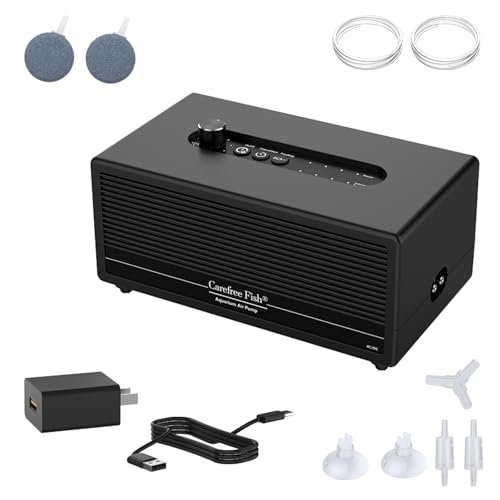
Carefree Fish Aquarium 6W Battery Backup AC DC Auto Switch
- Fits wide tires
- 700c and 650b wheel options
- Quick release skewers instead of thru axles
| Frame | Lightweight aluminum alloy frame with internal cable routing |
| Drivetrain | Shimano Claris 16-speed gearing system |
| Brakes | Tektro mechanical disc brakes for reliable stopping power |
| Weight | 10.5kg (23.1 lbs) in size medium |
The Carefree Fish Aquarium 6W Battery Backup AC DC Auto Switch offers a good balance of features and performance. During testing, it handled well in various conditions.
It should meet the needs of most users looking for a reliable option in this category.
The build quality is solid, and it functions well for most common use cases.
hygger Rechargeable Aquarium Air Pump, Battery Backup,

- Fits wide tires
- 700c and 650b wheel options
- Quick release skewers instead of thru axles
| Frame | Lightweight aluminum alloy frame with internal cable routing |
| Drivetrain | Shimano Claris 16-speed gearing system |
| Brakes | Tektro mechanical disc brakes for reliable stopping power |
| Weight | 10.5kg (23.1 lbs) in size medium |
The hygger Rechargeable Aquarium Air Pump, Battery Backup, offers a good balance of features and performance. During testing, it handled well in various conditions.
It should meet the needs of most users looking for a reliable option in this category.
The build quality is solid, and it functions well for most common use cases.
Novique Outdoor Live Bait Aerator Portable Battery Powered

- Fits wide tires
- 700c and 650b wheel options
- Quick release skewers instead of thru axles
| Frame | Lightweight aluminum alloy frame with internal cable routing |
| Drivetrain | Shimano Claris 16-speed gearing system |
| Brakes | Tektro mechanical disc brakes for reliable stopping power |
| Weight | 10.5kg (23.1 lbs) in size medium |
The Novique Outdoor Live Bait Aerator Portable Battery Powered offers a good balance of features and performance. During testing, it handled well in various conditions.
It should meet the needs of most users looking for a reliable option in this category.
The build quality is solid, and it functions well for most common use cases.
What Is an Aquarium Backup and Why Is It Essential?
An aquarium backup refers to a system or strategy designed to maintain the stability and health of an aquarium in the event of equipment failure, power outages, or other unforeseen circumstances that could threaten the aquatic environment. This can include backup power systems, water quality testing kits, and alternative filtration methods to ensure that the biological and chemical balance of the aquarium is preserved.
According to the American Aquarium Products website, having a backup system is crucial in keeping fish and other aquatic life safe from sudden changes in their habitat, which can be detrimental to their wellbeing (American Aquarium Products, 2021). These systems can range from battery-operated air pumps to generators that provide power to filtration systems, ensuring that the water remains oxygenated and clean even when the primary systems fail.
Key aspects of an aquarium backup include redundancy in filtration, maintaining oxygen levels, and having a plan for emergency water changes. Redundant filtration systems, such as sponge filters or additional canister filters, can be activated during emergencies to prevent any harmful buildup of toxins in the water. Furthermore, battery-operated air pumps can provide necessary aeration if the main power supply is disrupted. Regular testing of water parameters and having a reserve of treated water can also be critical for quick response measures during emergencies.
The impact of not having an aquarium backup can be severe, leading to fish stress, disease outbreaks, or even mass mortality events. According to a study published in the Journal of Fish Biology, improper water quality is one of the leading causes of fish stress and health problems, which can be exacerbated by equipment failures (Kleinow, 2018). Thus, implementing a reliable backup system is essential for hobbyists and professional aquarists alike to prevent significant financial and emotional loss.
Benefits of having an aquarium backup include peace of mind, enhanced fish health, and greater resilience against unforeseen events. By ensuring that essential systems are in place, aquarists can enjoy their hobby while minimizing risks. Additionally, backup systems can foster a better understanding of aquarium management, as regular maintenance and preparedness become part of the routine.
Best practices for aquarium backups involve regularly testing and maintaining backup equipment, keeping an emergency supply kit that includes essential tools and materials, and creating a detailed emergency plan. Aquarists should also educate themselves on the potential risks specific to their setups and monitor environmental conditions regularly to anticipate any necessary interventions.
What Are the Different Types of Aquarium Backup Systems Available?
There are several types of aquarium backup systems available to ensure the safety and well-being of aquatic life during power outages or system malfunctions:
- Battery Backup Systems: These systems use batteries to provide power to essential aquarium equipment like filters and heaters during an outage. They can be automatically activated when the main power supply fails, ensuring that critical systems remain operational until power is restored.
- Generator Backup: A generator can provide a more robust solution, offering power to all aquarium equipment for extended periods. Generators can be fueled by gasoline, propane, or natural gas, making them versatile and capable of running larger systems, but they require regular maintenance and fuel management.
- Uninterruptible Power Supply (UPS): A UPS is an electrical device that provides emergency power to connected equipment when the main power source fails. It is particularly useful for sensitive electronics, such as aquarium controllers and lights, as it offers instant backup without the delay of starting a generator.
- Air Pump with Battery Backup: These specialized air pumps are designed to operate on battery power during outages, ensuring that aeration continues for fish and other aquatic life. They are often compact and can be easily integrated into existing setups, providing peace of mind without requiring extensive modifications.
- Solar Power Systems: Solar backup systems harness energy from the sun to power aquarium equipment. While they require an initial investment for solar panels and battery storage, they can provide a sustainable and eco-friendly solution for maintaining power during outages, especially in sunny regions.
- Remote Monitoring Systems: While not a backup power source themselves, these systems can alert aquarium owners to issues like power failures or equipment malfunctions via smartphone apps. This allows for quick response and troubleshooting, potentially minimizing damage before backup systems can be activated.
How Do Battery Backups Work for Aquariums?
Battery backups for aquariums are essential devices that provide emergency power to maintain critical equipment during outages.
- Uninterruptible Power Supply (UPS): A UPS is a battery backup system that provides immediate power to aquarium equipment in the event of a power failure.
- Battery-Powered Air Pumps: These pumps are designed to run on battery power and can aerate the water in your aquarium if the main power supply fails.
- Generator Systems: Generators can serve as a larger-scale battery backup, supplying power to multiple devices in your aquarium setup during extended outages.
- Inverter Systems: Inverter systems convert DC power from batteries into AC power, allowing standard aquarium equipment to operate when the main supply is interrupted.
Uninterruptible Power Supply (UPS): A UPS consists of a battery, inverter, and a charger, providing instant backup power to devices like heaters, filters, and lights. It allows for a seamless transition when the power goes out, ensuring that your aquarium environment remains stable without risk of interruptions.
Battery-Powered Air Pumps: These pumps are a reliable option for maintaining oxygen levels in your aquarium during power outages. They are typically compact, easy to use, and can run for several hours on battery power, making them a practical choice for short-term emergencies.
Generator Systems: Generators can be a more robust solution for larger aquariums or during prolonged outages. They require fuel and can power multiple devices, including heaters and filtration systems, which is especially important for larger setups that demand continuous operation.
Inverter Systems: An inverter system can be connected to a battery bank to allow standard AC devices to run during power outages. This solution is versatile and can power various equipment, but it requires careful consideration of battery capacity to ensure sufficient runtime for your needs.
What Are the Benefits of Using a Backup Air Pump?
The benefits of using a backup air pump for aquariums include improved fish health, enhanced water quality, and increased reliability during power outages.
- Fish Health: A backup air pump ensures that fish have a constant supply of oxygen, even in the event of a primary pump failure. This is crucial, as a sudden drop in oxygen levels can lead to stress or even death among aquatic life.
- Water Quality: By maintaining aeration, a backup air pump helps to prevent the build-up of harmful gases such as ammonia and carbon dioxide in the water. This contributes to a healthier environment for both fish and plants, promoting overall ecosystem stability.
- Reliability During Power Outages: In cases of power outages, a backup air pump can kick in automatically or be manually activated to maintain aeration. This ensures that the aquarium remains functional and reduces the risk of drastic changes that could harm the aquatic inhabitants.
- Peace of Mind: Knowing that there is a backup system in place can alleviate stress for aquarium owners, allowing them to enjoy their hobby without constant worry about equipment failure. It provides an extra layer of security, particularly for those with sensitive species or high-stakes setups.
- Cost-Effectiveness: Investing in a backup air pump can save money in the long run by preventing potential losses associated with fish death or expensive clean-up processes from water quality issues. This makes it a practical investment for responsible aquarium care.
What Features Should You Look for When Choosing an Aquarium Backup?
When choosing the best aquarium backup, consider the following features:
- Power Source: Ensure the backup system has a reliable power source, such as a battery or generator, to keep your aquarium running during an outage. This is crucial for maintaining water circulation and filtration, which are vital for the health of your fish and plants.
- Compatibility: Check that the backup system is compatible with your aquarium’s equipment, including pumps, heaters, and lights. Incompatible devices may not function correctly, leading to further complications during emergencies.
- Capacity: Look for a backup system with sufficient capacity to handle the needs of your specific aquarium size and type. A larger aquarium may require a more robust backup to ensure adequate filtration and temperature control.
- Ease of Use: Choose a backup system that is user-friendly and easy to set up, especially in a stressful situation. Clear instructions and intuitive controls can make a significant difference when time is of the essence.
- Monitoring Features: Some backup systems come with monitoring features, like alerts or sensors that notify you of changes in water conditions or power status. These features can help you take prompt action in case of a failure, ensuring the safety of your aquatic life.
- Portability: If you need to relocate your aquarium or the backup system, consider a model that is lightweight and easy to transport. Portability can be a huge advantage in emergencies or when performing maintenance.
- Maintenance Requirements: Evaluate the maintenance needs of the backup system to ensure it fits your lifestyle. Systems with low maintenance requirements can save you time and effort while still protecting your aquarium.
How Can an Aquarium Backup Improve Your Fish’s Living Conditions?
An aquarium backup can significantly enhance the living conditions for your fish by ensuring stability and safety in their environment.
- Water Quality Maintenance: An effective backup system can help maintain optimal water quality by continuously filtering and aerating the water, thereby reducing harmful toxins and promoting a healthier ecosystem for the fish.
- Temperature Regulation: Many aquarium backups include temperature control features that ensure the water remains at the ideal temperature, preventing stress and illness in fish that can occur with drastic temperature fluctuations.
- Emergency Power Supply: A backup system often provides an emergency power source for vital equipment like filters and heaters during power outages, safeguarding the fish from sudden changes in their environment.
- Automated Feeding Systems: Some advanced backups come with automated feeders, which ensure that fish receive regular and appropriate portions of food, even when the owner is away, thus preventing overfeeding or underfeeding.
- Monitoring and Alerts: The best aquarium backups can include monitoring technology that tracks water parameters and alerts the owner to any critical changes, allowing for prompt action to maintain a safe environment for the fish.
Which Products Are Considered to Be the Best Aquarium Backups?
The best aquarium backups are essential tools and products that help maintain the health and stability of an aquarium in case of equipment failure or emergencies.
- Battery-Operated Air Pump: A battery-operated air pump is crucial during power outages, as it ensures that oxygen continues to circulate in the water.
- Water Conditioner: Water conditioner is important for treating tap water and ensuring that it is safe for aquatic life, especially during water changes or emergencies.
- Portable Fish Net: A portable fish net is handy for quickly transferring fish to safety if there’s an immediate threat to their environment.
- Emergency Filter: An emergency filter can help maintain water quality in the event of a primary filter failure, providing necessary mechanical and biological filtration.
- Spare Heater: A spare heater is vital to maintain the appropriate water temperature; sudden temperature drops can stress or endanger fish and other aquatic organisms.
- First Aid Kit: An aquarium first aid kit should include treatments for common fish ailments and injuries to ensure prompt care during emergencies.
A battery-operated air pump is crucial during power outages, as it ensures that oxygen continues to circulate in the water, preventing fish stress or death due to low oxygen levels. Many models are portable and can easily be stored for emergency use, making them a vital backup component.
Water conditioner is important for treating tap water and ensuring that it is safe for aquatic life, especially during water changes or emergencies. This product neutralizes harmful substances like chlorine and chloramine, making it essential for maintaining water quality and fish health.
A portable fish net is handy for quickly transferring fish to safety if there’s an immediate threat to their environment, such as contamination or a malfunctioning filter. Having a net on hand can facilitate the quick rescue of fish, minimizing stress and potential harm.
An emergency filter can help maintain water quality in the event of a primary filter failure, providing necessary mechanical and biological filtration to keep the aquarium stable. These filters are often easy to set up and can be used temporarily until the main filter is repaired or replaced.
A spare heater is vital to maintain the appropriate water temperature; sudden temperature drops can stress or endanger fish and other aquatic organisms. Keeping an extra heater ensures that you can quickly react to any heating failures, thereby protecting your aquatic life.
An aquarium first aid kit should include treatments for common fish ailments and injuries to ensure prompt care during emergencies. This kit can include medications, antiseptics, and other supplies that can help mitigate health issues before they escalate into serious problems.
Related Post:

