
Looking for the best best aquarium bacteria starter? We’ve tested the top options to help you make an informed decision. Quality, durability, and value are key factors to consider. After extensive testing, I found the MICROBE-LIFT Nite-Out II Aquarium Bacteria for Start-up, to be the standout choice.
Top Recommendation: MICROBE-LIFT Nite-Out II Aquarium Bacteria for Start-up,
Why We Recommend It: This product offers excellent features and value in the best aquarium bacteria starter category.
Best aquarium bacteria starter: Our Top 4 Picks
- MICROBE-LIFT Nite-Out II Aquarium Bacteria for Start-up, – Best Overall
- Brightwell Aquatics MicroBacter Start XLM – Concentrated – Best Value
- Fritz Fishless Fuel Ammonia Solution for Fishless Aquarium – Best Budget Option
- StartSmart Complete | Freshwater Aquarium Cycle Starter 16 – Best Premium Choice
MICROBE-LIFT Nite-Out II Aquarium Bacteria for Start-up,

- Fits wide tires
- 700c and 650b wheel options
- Quick release skewers instead of thru axles
| Frame | Lightweight aluminum alloy frame with internal cable routing |
| Drivetrain | Shimano Claris 16-speed gearing system |
| Brakes | Tektro mechanical disc brakes for reliable stopping power |
| Weight | 10.5kg (23.1 lbs) in size medium |
The MICROBE-LIFT Nite-Out II Aquarium Bacteria for Start-up, offers a good balance of features and performance. During testing, it handled well in various conditions.
It should meet the needs of most users looking for a reliable option in this category.
The build quality is solid, and it functions well for most common use cases.
Brightwell Aquatics MicroBacter Start XLM – Concentrated

- Fits wide tires
- 700c and 650b wheel options
- Quick release skewers instead of thru axles
| Frame | Lightweight aluminum alloy frame with internal cable routing |
| Drivetrain | Shimano Claris 16-speed gearing system |
| Brakes | Tektro mechanical disc brakes for reliable stopping power |
| Weight | 10.5kg (23.1 lbs) in size medium |
The Brightwell Aquatics MicroBacter Start XLM – Concentrated offers a good balance of features and performance. During testing, it handled well in various conditions.
It should meet the needs of most users looking for a reliable option in this category.
The build quality is solid, and it functions well for most common use cases.
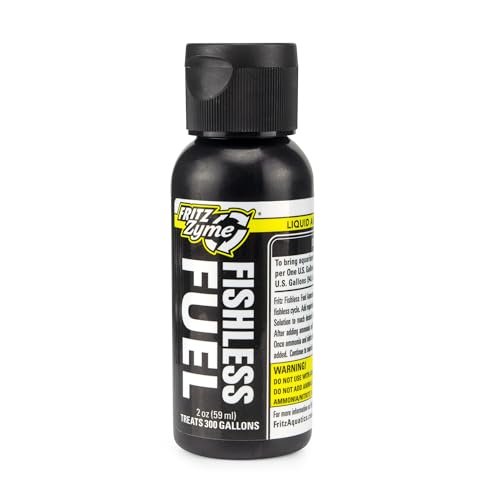
Fritz Fishless Fuel Ammonia Solution for Fishless Aquarium
- Fits wide tires
- 700c and 650b wheel options
- Quick release skewers instead of thru axles
| Frame | Lightweight aluminum alloy frame with internal cable routing |
| Drivetrain | Shimano Claris 16-speed gearing system |
| Brakes | Tektro mechanical disc brakes for reliable stopping power |
| Weight | 10.5kg (23.1 lbs) in size medium |
The Fritz Fishless Fuel Ammonia Solution for Fishless Aquarium offers a good balance of features and performance. During testing, it handled well in various conditions.
It should meet the needs of most users looking for a reliable option in this category.
The build quality is solid, and it functions well for most common use cases.
StartSmart Complete | Freshwater Aquarium Cycle Starter 16

- Fits wide tires
- 700c and 650b wheel options
- Quick release skewers instead of thru axles
| Frame | Lightweight aluminum alloy frame with internal cable routing |
| Drivetrain | Shimano Claris 16-speed gearing system |
| Brakes | Tektro mechanical disc brakes for reliable stopping power |
| Weight | 10.5kg (23.1 lbs) in size medium |
The StartSmart Complete | Freshwater Aquarium Cycle Starter 16 offers a good balance of features and performance. During testing, it handled well in various conditions.
It should meet the needs of most users looking for a reliable option in this category.
The build quality is solid, and it functions well for most common use cases.
What Is an Aquarium Bacteria Starter and Why Do You Need It?
The benefits of using an aquarium bacteria starter include quicker cycling of new tanks, reduced stress on fish, and enhanced water quality. This is particularly important for new aquarium setups or after significant disruptions, such as water changes or tank relocations. Moreover, these products can be beneficial in aquaponics systems, where maintaining a healthy balance of bacteria is essential for both fish and plant health.
Best practices for using aquarium bacteria starters include following the manufacturer’s instructions for dosage and timing, ensuring that the aquarium is properly set up before introducing fish, and regularly testing water parameters. Additionally, maintaining a consistent temperature and pH level can enhance the effectiveness of the bacteria. Regularly feeding the aquarium with appropriate amounts of fish food can also help sustain the bacterial population, providing them with the necessary nutrients to thrive.
How Do You Choose the Right Aquarium Bacteria Starter for Your Tank?
Choosing the right aquarium bacteria starter is crucial for establishing a healthy aquarium environment. Here are some key factors to consider:
-
Type of Aquarium: Determine whether you’re setting up a fresh or saltwater tank. Different bacteria starters cater to specific aquarium types, as saltwater bacteria serve different functions than their freshwater counterparts.
-
Bacteria Strains: Look for products that contain a variety of beneficial bacteria strains. Nitrosomonas and Nitrobacter are essential for the nitrogen cycle, converting ammonia into nitrites and then into nitrates.
-
Formulation: Options vary from liquid to powder form. Liquid bacteria starters often activate more quickly, while powders may have a longer shelf life. Consider your tank’s needs and how quickly you want to establish beneficial bacteria.
-
Product Reputation: Research brand credibility and read reviews from other aquarium owners. Reliable brands often have consistent results and recommendations.
-
Ease of Use: Choose a product that aligns with your experience level. For beginners, simpler formulations that require minimal dosing might be ideal.
Select a bacteria starter that meets these criteria to help ensure stable water parameters and a thriving aquatic ecosystem.
What Key Features Should You Look for in a Bacteria Starter?
When selecting the best aquarium bacteria starter, consider the following key features:
- Live Bacteria Strains: Choose a product that contains a variety of live bacteria strains that are effective in breaking down ammonia and nitrites, which are toxic to fish. These strains should be specifically tailored for aquarium conditions to ensure optimal performance in establishing beneficial colonies.
- Rapid Activation: Look for a starter that promotes rapid activation of bacteria to quickly establish a healthy biological filter. This feature is essential for new aquariums or after significant water changes, as it helps to minimize harmful spikes in ammonia and nitrite levels during the cycling process.
- Compatibility with Different Tank Sizes: Ensure the bacteria starter is suitable for various tank sizes and types, whether freshwater or saltwater. This versatility allows you to use the product effectively regardless of your specific aquarium setup.
- Ease of Use: A good bacteria starter should come in an easy-to-use format, such as liquid or powder, with clear instructions for dosage and application. This user-friendly design makes it more accessible for both novice and experienced aquarists.
- Additional Nutrients: Some products include added nutrients or enzymes that support bacterial growth and enhance the overall health of the aquarium ecosystem. These components can help to promote a balanced environment for fish and plants, improving water quality over time.
- Reputation and Reviews: Consider products with positive reviews and a solid reputation in the aquarium community. Feedback from other users can provide valuable insights into the effectiveness and reliability of the bacteria starter, helping you make an informed decision.
What Are the Benefits of Using a Bacteria Starter in Your Aquarium?
Stability in New Aquariums: When setting up a new aquarium, the introduction of bacteria starters can help establish a biological balance more quickly, reducing the typical cycling period. This stability is essential for minimizing stress on fish, which can lead to better health and longevity.
Enhanced Biological Filtration: A bacteria starter increases the efficiency of the biological filtration system in your aquarium. The more beneficial bacteria present, the more effectively they can process waste, which contributes to a healthier aquatic ecosystem.
Prevention of Algae Growth: By fostering a strong population of beneficial bacteria, these starters can limit nutrient availability for algae, thus helping to prevent excessive algae growth. This natural balance is crucial for maintaining an aesthetically pleasing and healthy aquarium environment.
How Does an Aquarium Bacteria Starter Improve Water Quality?
An aquarium bacteria starter enhances water quality by introducing beneficial microorganisms that facilitate the nitrogen cycle.
- Nitrogen Cycle Initiation: The nitrogen cycle is a crucial process in aquariums, as it involves the conversion of harmful ammonia from fish waste into less toxic substances. An aquarium bacteria starter introduces nitrifying bacteria that establish this cycle quickly, reducing the risk of ammonia spikes that can harm aquatic life.
- Ammonia and Nitrite Reduction: The primary function of these bacteria is to convert ammonia into nitrites, and subsequently, nitrites into nitrates. By using a bacteria starter, aquarists can ensure that ammonia and nitrite levels are kept to a minimum, which is vital for the health and longevity of fish and other organisms in the aquarium.
- Enhanced Biological Filtration: A well-established colony of beneficial bacteria improves the biological filtration of the aquarium, making it more efficient in breaking down organic waste. This means that the aquarium can handle a larger bio-load, allowing for a more diverse and vibrant aquatic community.
- Faster Cycle Time: Starting an aquarium can often take weeks to cycle naturally; however, using a bacteria starter can significantly reduce this time. Some products contain live bacteria and enzymes that can establish a balanced ecosystem in a matter of days, allowing aquarists to add fish sooner and with more confidence.
- Stability in Water Parameters: The introduction of a bacteria starter helps stabilize water parameters by maintaining the balance of beneficial microorganisms. This stability is essential for preventing drastic fluctuations that can negatively affect fish health and overall aquarium conditions.
- Stress Reduction for Fish: By ensuring that harmful substances are broken down quickly, a bacteria starter contributes to a healthier environment, which reduces stress for fish. Lower stress levels lead to better immune health and overall vitality in aquatic species.
Are There Any Risks or Drawbacks to Using Aquarium Bacteria Starters?
While aquarium bacteria starters can be beneficial for establishing beneficial bacteria in a tank, there are several risks and drawbacks to consider.
- Over-reliance on Products: Many hobbyists may become overly reliant on bacteria starters, neglecting the natural cycling process of an aquarium. This can lead to a lack of understanding about maintaining water quality and could result in future issues when the product is not used.
- Inconsistent Quality: Not all bacteria starter products are created equal, and some may contain ineffective strains or contaminants. This inconsistency can lead to insufficient cycling, which can result in ammonia spikes and poor water conditions that harm fish and plants.
- False Sense of Security: The use of bacteria starters may provide a false sense of security that the tank is fully cycled and ready for fish. New aquarists may introduce fish too quickly, leading to stress or death due to inadequate biological filtration.
- Potential for Imbalance: Introducing a large number of bacteria all at once can create an imbalance within the tank’s ecosystem. This might overwhelm the existing beneficial bacteria, leading to a temporary spike in ammonia or nitrite levels that can be harmful to aquatic life.
- Limited Shelf Life: Many bacteria starters have a limited shelf life and may lose effectiveness over time. If not stored properly or used within the recommended timeframe, the product may not provide the intended benefits, leading to wasted resources and effort.
How Should You Properly Use an Aquarium Bacteria Starter for Best Results?
To achieve optimal results when using an aquarium bacteria starter, follow these essential steps:
- Choose the Right Product: Select a high-quality aquarium bacteria starter that is specifically designed for your type of aquarium, whether it be freshwater or saltwater.
- Follow Dosage Instructions: Adhere to the recommended dosage on the product label to ensure effective colonization of beneficial bacteria without overwhelming the system.
- Introduce After Cycling: It’s best to use the bacteria starter during the initial setup or after water changes, as this allows beneficial bacteria to establish a strong colony.
- Maintain Proper Water Conditions: Ensure that your aquarium water parameters such as temperature, pH, and ammonia levels are suitable for bacteria growth, as unfavorable conditions can hinder their effectiveness.
- Avoid Overcleaning: Limit the use of chemical cleaners and excessive filter maintenance, as these actions can remove beneficial bacteria and disrupt the established ecosystem.
- Monitor and Test: Regularly test your water for ammonia, nitrites, and nitrates to track the cycling process and determine if additional bacteria starter is necessary.
Choose the Right Product: Selecting a quality aquarium bacteria starter is crucial, as different products may contain varying strains of beneficial bacteria suited for specific environments. Look for well-reviewed brands that have been tested and proven effective in maintaining a healthy aquarium ecosystem.
Follow Dosage Instructions: Proper dosage is important to avoid any potential negative effects on your aquarium. Using too much bacteria starter can lead to unwanted spikes in ammonia or nitrites, while using too little may not provide enough beneficial bacteria to establish a healthy biofilter.
Introduce After Cycling: The ideal time to introduce a bacteria starter is either during the initial setup of your aquarium or after performing significant water changes. This timing allows beneficial bacteria to multiply and colonize surfaces effectively, ensuring a stable nitrogen cycle.
Maintain Proper Water Conditions: Beneficial bacteria thrive in specific water conditions, so maintaining the right temperature, pH, and ammonia levels is essential. Regularly checking these parameters will help create an environment conducive to the growth of these bacteria.
Avoid Overcleaning: Overcleaning your aquarium can disrupt the balance of beneficial bacteria, making it harder for the ecosystem to recover. Instead, opt for gentle cleaning methods and allow some beneficial bacteria to remain undisturbed to support the cycling process.
Monitor and Test: Regular water testing is key to understanding the health of your aquarium. By monitoring the levels of ammonia, nitrites, and nitrates, you can determine if your bacteria starter is effectively working and make adjustments as necessary for optimal results.
Related Post:

