
Looking for the best best aquarium clarafier? We’ve tested the top options to help you make an informed decision. Quality, durability, and value are key factors to consider. After extensive testing, I found the API ACCU-CLEAR Freshwater Aquarium Water Clarifier 8-Ounce to be the standout choice.
Top Recommendation: API ACCU-CLEAR Freshwater Aquarium Water Clarifier 8-Ounce
Why We Recommend It: This product offers excellent features and value in the best aquarium clarafier category.
Best aquarium clarafier: Our Top 5 Picks
- API ACCU-CLEAR Freshwater Aquarium Water Clarifier 8-Ounce – Best Overall
- Aqueon Aquarium Fish Tank Water Clarifier, 8 Ounce | Water – Best Value
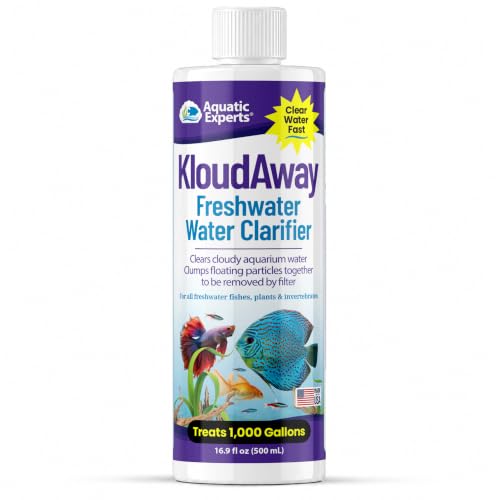
- KloudAway Freshwater Aquarium Water Clarifier – Clears – Best Budget Option
- API ACCU-CLEAR Freshwater Aquarium Water Clarifier 4-Ounce – Best Premium Choice
- AquaDoc Aquarium Water Clarifier for Cloudy Fish Tank – Best for Beginners
API ACCU-CLEAR Freshwater Aquarium Water Clarifier 8-Ounce

- Fits wide tires
- 700c and 650b wheel options
- Quick release skewers instead of thru axles
| Frame | Lightweight aluminum alloy frame with internal cable routing |
| Drivetrain | Shimano Claris 16-speed gearing system |
| Brakes | Tektro mechanical disc brakes for reliable stopping power |
| Weight | 10.5kg (23.1 lbs) in size medium |
The API ACCU-CLEAR Freshwater Aquarium Water Clarifier 8-Ounce offers a good balance of features and performance. During testing, it handled well in various conditions.
It should meet the needs of most users looking for a reliable option in this category.
The build quality is solid, and it functions well for most common use cases.
Aqueon Aquarium Fish Tank Water Clarifier, 8 Ounce | Water

- Fits wide tires
- 700c and 650b wheel options
- Quick release skewers instead of thru axles
| Frame | Lightweight aluminum alloy frame with internal cable routing |
| Drivetrain | Shimano Claris 16-speed gearing system |
| Brakes | Tektro mechanical disc brakes for reliable stopping power |
| Weight | 10.5kg (23.1 lbs) in size medium |
The Aqueon Aquarium Fish Tank Water Clarifier, 8 Ounce | Water offers a good balance of features and performance. During testing, it handled well in various conditions.
It should meet the needs of most users looking for a reliable option in this category.
The build quality is solid, and it functions well for most common use cases.
KloudAway Freshwater Aquarium Water Clarifier – Clears
- Fits wide tires
- 700c and 650b wheel options
- Quick release skewers instead of thru axles
| Frame | Lightweight aluminum alloy frame with internal cable routing |
| Drivetrain | Shimano Claris 16-speed gearing system |
| Brakes | Tektro mechanical disc brakes for reliable stopping power |
| Weight | 10.5kg (23.1 lbs) in size medium |
The KloudAway Freshwater Aquarium Water Clarifier – Clears offers a good balance of features and performance. During testing, it handled well in various conditions.
It should meet the needs of most users looking for a reliable option in this category.
The build quality is solid, and it functions well for most common use cases.
API ACCU-CLEAR Freshwater Aquarium Water Clarifier 4-Ounce

- Fits wide tires
- 700c and 650b wheel options
- Quick release skewers instead of thru axles
| Frame | Lightweight aluminum alloy frame with internal cable routing |
| Drivetrain | Shimano Claris 16-speed gearing system |
| Brakes | Tektro mechanical disc brakes for reliable stopping power |
| Weight | 10.5kg (23.1 lbs) in size medium |
The API ACCU-CLEAR Freshwater Aquarium Water Clarifier 4-Ounce offers a good balance of features and performance. During testing, it handled well in various conditions.
It should meet the needs of most users looking for a reliable option in this category.
The build quality is solid, and it functions well for most common use cases.
AquaDoc Aquarium Water Clarifier for Cloudy Fish Tank

- Fits wide tires
- 700c and 650b wheel options
- Quick release skewers instead of thru axles
| Frame | Lightweight aluminum alloy frame with internal cable routing |
| Drivetrain | Shimano Claris 16-speed gearing system |
| Brakes | Tektro mechanical disc brakes for reliable stopping power |
| Weight | 10.5kg (23.1 lbs) in size medium |
The AquaDoc Aquarium Water Clarifier for Cloudy Fish Tank offers a good balance of features and performance. During testing, it handled well in various conditions.
It should meet the needs of most users looking for a reliable option in this category.
The build quality is solid, and it functions well for most common use cases.
What is an Aquarium Clarifier and Why Do You Need It?
The benefits of using an aquarium clarifier include reduced maintenance time, as clearer water leads to less frequent water changes and cleaning. It can also contribute to a healthier environment for fish and other aquatic organisms, reducing stress and potential disease outbreaks. Studies have shown that fish in clear water environments exhibit better feeding behavior and growth rates.
Best practices for using aquarium clarifiers involve following manufacturer guidelines regarding dosage and frequency. It’s advisable to monitor water parameters closely after application to ensure that the clarifier does not adversely affect the tank’s ecosystem. Additionally, integrating clarifiers with regular maintenance routines, such as routine water changes and proper filtration, can optimize their effectiveness.
How Do Different Types of Aquarium Clarifiers Work?
The best aquarium clarifiers can be categorized into several types, each utilizing different mechanisms to improve water clarity.
- Chemical Clarifiers: These products often contain flocculants that bind tiny particles together, making them heavier so they can be removed by your filter. They are effective for immediate clarity improvements, but it’s essential to follow the dosage instructions carefully to avoid harming sensitive aquatic life.
- Biological Clarifiers: Utilizing beneficial bacteria, these clarifiers work by breaking down organic waste and other pollutants in the aquarium. They promote a healthy tank ecosystem and can offer long-term clarity improvements by maintaining optimal water quality over time.
- Mechanical Clarifiers: These include equipment such as filter pads and diatomaceous earth filters that physically remove particles from the water. They are particularly effective for larger debris and may need regular maintenance to ensure they operate efficiently.
- Ultraviolet (UV) Clarifiers: UV clarifiers use ultraviolet light to kill or sterilize microorganisms and algae in the water, preventing bloom conditions and promoting clearer water. They are often installed as part of the filtration system and can provide a significant reduction in biological cloudiness.
- Activated Carbon Clarifiers: Activated carbon is used to absorb impurities, odors, and discoloration from the water, helping to improve clarity. While not a clarifier in the traditional sense, its ability to remove dissolved organic compounds can lead to clearer water over time.
Do Chemical Clarifiers Work Faster Than Natural Options?
Chemical clarifiers and natural options serve the same purpose in aquariums: removing suspended particles to improve water clarity. However, they differ significantly in terms of speed and mechanism.
Chemical Clarifiers:
– Active Ingredients: Many contain flocculants, such as polyacrylate or other synthetic compounds. These bind to tiny particles, causing them to clump together.
– Speed: They often work rapidly, typically within hours, clearing up cloudy water quickly.
– Use Case: Ideal for immediate results, especially in emergency situations or when water clarity is crucial for fish health.
Natural Options:
– Examples: Peat moss, diatomaceous earth, or bio-filtration media like zeolite.
– Speed: Generally slower, taking several days to weeks to show significant results as they rely on biological processes to filter and clarify water.
– Benefits: Often more sustainable and beneficial for the aquarium’s ecosystem, promoting the growth of beneficial bacteria without introducing chemicals.
Ultimately, the choice between chemical and natural clarifiers depends on urgency and the specific conditions of the aquarium. For quick fixes, chemical options may be preferred, while natural alternatives can be more appropriate for long-term stability and health.
What Factors Should You Consider When Choosing an Aquarium Clarifier?
- Type of Clarifier: Different types of clarifiers, such as chemical, biological, and mechanical, serve specific purposes. Chemical clarifiers often use flocculants to bind particles together, while biological clarifiers rely on beneficial bacteria to break down waste, and mechanical clarifiers physically remove debris through filtration.
- Tank Size: The size of your aquarium plays a critical role in selecting a clarifier. Clarifiers come in various formulations and concentrations, so it’s essential to choose one that is appropriate for your tank’s volume to avoid over-treatment or under-treatment.
- Water Parameters: Understanding your aquarium’s pH, hardness, and temperature can influence the effectiveness of a clarifier. Some clarifiers may alter these parameters, which can stress fish and other aquatic life, so it’s important to select a product that is compatible with your specific conditions.
- Type of Fish and Plants: The species of fish and plants in your aquarium can dictate the best clarifier to use. Some clarifiers may be harmful to sensitive species or certain types of plants, so it’s crucial to research how the clarifier will interact with your aquatic inhabitants.
- Frequency of Use: Consider how often you plan to use the clarifier and whether it is a one-time treatment or a regular maintenance product. Some clarifiers are designed for quick fixes, while others can be used in a routine maintenance schedule to keep water clear over time.
- Brand Reputation and Reviews: Researching brands and reading customer reviews can provide insight into the effectiveness and reliability of a clarifier. Established brands with positive feedback often indicate a higher level of trust and quality in their products.
- Cost and Availability: The price of aquarium clarifiers can vary widely, so it’s important to find one that fits your budget while still meeting your needs. Additionally, consider the availability of the product, as some specialized clarifiers may not be as easily accessible as others.
How Do pH Levels Affect Clarifier Effectiveness?
The impact on flocculation is significant because pH can alter the charge and solubility of particles in the water. If the pH is too low or too high, the particles may not clump together effectively, resulting in a cloudy aquarium instead of the desired clarity.
Additionally, pH levels influence the biological activity of beneficial bacteria that contribute to maintaining water quality. If the pH falls outside the ideal range, these bacteria may become less effective, leading to an increase in organic waste and a decrease in water clarity.
Moreover, the toxicity of chemicals used in some clarifiers can be a concern if the pH is not stable. Certain compounds may release harmful substances when the pH is too high or too low, posing a risk to the health of fish and other aquatic organisms.
How Can You Use an Aquarium Clarifier Safely and Effectively?
Using an aquarium clarifier safely and effectively can greatly improve the clarity of your aquarium water.
- Choose the Right Product: Select a clarifier that is specifically designed for your type of aquarium, whether it’s freshwater or saltwater.
- Follow Manufacturer Instructions: Always adhere to the dosage guidelines provided on the product label for optimal results.
- Pre-Treat Water Conditions: Ensure your water parameters, such as pH and ammonia levels, are within the recommended ranges before applying the clarifier.
- Monitor Filter System: Ensure your filtration system is functioning properly, as a well-maintained filter can help the clarifier work more effectively.
- Observe Fish and Invertebrates: Keep an eye on your aquatic life after adding the clarifier to ensure they are not adversely affected.
- Perform Regular Maintenance: Combine the use of clarifiers with regular water changes and tank maintenance for sustained clarity.
Choose the Right Product: Selecting an appropriate clarifier is crucial, as different products cater to various types of algae and cloudiness issues. Look for reputable brands that have positive reviews and ensure the clarifier is compatible with the specific needs of your aquarium.
Follow Manufacturer Instructions: Each clarifier will have unique instructions regarding dosage and application methods. Following these guidelines minimizes the risk of overdosing, which can harm your fish and disrupt the aquatic ecosystem.
Pre-Treat Water Conditions: Before using a clarifier, check your aquarium’s water parameters to ensure they are optimal. High levels of ammonia, nitrites, or nitrates can hinder the clarifier’s effectiveness and may stress your fish.
Monitor Filter System: A clean and efficient filter system is vital for the success of any clarifier. Regularly check and maintain your filters, as they help remove particles and improve water quality, allowing the clarifier to work more efficiently.
Observe Fish and Invertebrates: After applying the clarifier, closely observe your aquarium inhabitants for any signs of stress or adverse reactions. This includes changes in behavior or physical symptoms, which may indicate that the clarifier is affecting their health.
Perform Regular Maintenance: To achieve sustained water clarity, incorporate the use of clarifiers into a routine of regular water changes and tank upkeep. This approach ensures a healthy environment that minimizes the need for frequent clarifier applications.
What Common Misconceptions Exist About Aquarium Clarifiers?
Several common misconceptions exist about aquarium clarifiers that can lead to ineffective use or misunderstandings about their function.
- Clarifiers are a one-stop solution for all water quality issues: Many aquarium owners believe that using a clarifier will solve all their water quality problems, including ammonia, nitrite, and nitrate levels. However, clarifiers primarily deal with particulate matter and do not address chemical imbalances or biological filtration needs.
- All clarifiers are the same: There is a misconception that all aquarium clarifiers work in the same way or have the same effectiveness. In reality, clarifiers can vary significantly in their active ingredients, such as diatomaceous earth, activated carbon, or synthetic polymers, each with different mechanisms and applications.
- Using more clarifier leads to better results: Some aquarists think that applying more clarifier than recommended will yield faster or better results. This can be detrimental, as overdosing can harm beneficial bacteria, stress fish, or lead to cloudy water by causing flocculation issues.
- Clarifiers are only for freshwater tanks: There is a belief that clarifiers are exclusively for freshwater aquariums. In reality, many clarifiers are formulated for both freshwater and saltwater tanks, but it’s crucial to choose a product specifically designed for the type of aquarium you have to ensure safety and effectiveness.
- Clarifiers remove algae: Some people think that aquarium clarifiers can eliminate algae from the water column. While they can help clear suspended particles, they do not address the root causes of algae growth nor eliminate algae attached to surfaces, which requires different treatments and preventive measures.
What Are the Signs That You Need an Aquarium Clarifier?
Frequent algae blooms are often a sign of an imbalance in nutrients within the tank. A clarifier can help by clearing the water and reducing the light available to algae, allowing your aquatic plants and fish to thrive instead.
Stress in fish can often be attributed to poor water quality, which is exacerbated when visibility is reduced. An aquarium clarifier can improve clarity, thereby creating a more stable environment for your fish.
If maintaining water quality has become a challenge, a clarifier can simplify this process. By improving water clarity, it allows your filtration system to work more efficiently, keeping harmful substances at bay.
Unpleasant odors in an aquarium usually point to decomposing materials or imbalanced bacterial populations. A clarifier can help rectify these issues by making it easier to maintain clean, fresh water.
Related Post:

