
Looking for the best best aquarium co2 indicator? We’ve tested the top options to help you make an informed decision. Quality, durability, and value are key factors to consider. After extensive testing, I found the Pawfly Glass CO2 Drop Checker for Aquarium CO2 Indicator to be the standout choice.
Top Recommendation: Pawfly Glass CO2 Drop Checker for Aquarium CO2 Indicator
Why We Recommend It: This product offers excellent features and value in the best aquarium co2 indicator category.
Best aquarium co2 indicator: Our Top 4 Picks
- Pawfly Glass CO2 Drop Checker for Aquarium CO2 Indicator – Best Overall
- Novique CO2 Glass Drop Checker Aquatic CO2 Test Monitor Kit – Best Value
- Clscea CO2 Indicator Solution Drop Checker Solution for – Best Budget Option
- JARDLI Glass CO2 Drop Checker – CO2 Monitor Kit for – Best Premium Choice
Pawfly Glass CO2 Drop Checker for Aquarium CO2 Indicator

- Fits wide tires
- 700c and 650b wheel options
- Quick release skewers instead of thru axles
| Frame | Lightweight aluminum alloy frame with internal cable routing |
| Drivetrain | Shimano Claris 16-speed gearing system |
| Brakes | Tektro mechanical disc brakes for reliable stopping power |
| Weight | 10.5kg (23.1 lbs) in size medium |
The Pawfly Glass CO2 Drop Checker for Aquarium CO2 Indicator offers a good balance of features and performance. During testing, it handled well in various conditions.
It should meet the needs of most users looking for a reliable option in this category.
The build quality is solid, and it functions well for most common use cases.
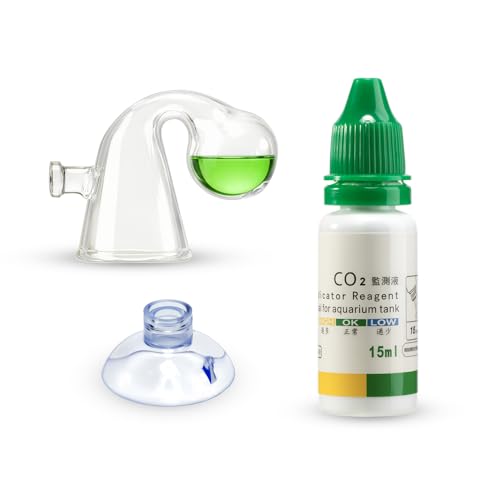
Novique CO2 Glass Drop Checker Aquatic CO2 Test Monitor Kit
- Fits wide tires
- 700c and 650b wheel options
- Quick release skewers instead of thru axles
| Frame | Lightweight aluminum alloy frame with internal cable routing |
| Drivetrain | Shimano Claris 16-speed gearing system |
| Brakes | Tektro mechanical disc brakes for reliable stopping power |
| Weight | 10.5kg (23.1 lbs) in size medium |
The Novique CO2 Glass Drop Checker Aquatic CO2 Test Monitor Kit offers a good balance of features and performance. During testing, it handled well in various conditions.
It should meet the needs of most users looking for a reliable option in this category.
The build quality is solid, and it functions well for most common use cases.
Clscea CO2 Indicator Solution Drop Checker Solution for

- Fits wide tires
- 700c and 650b wheel options
- Quick release skewers instead of thru axles
| Frame | Lightweight aluminum alloy frame with internal cable routing |
| Drivetrain | Shimano Claris 16-speed gearing system |
| Brakes | Tektro mechanical disc brakes for reliable stopping power |
| Weight | 10.5kg (23.1 lbs) in size medium |
The Clscea CO2 Indicator Solution Drop Checker Solution for offers a good balance of features and performance. During testing, it handled well in various conditions.
It should meet the needs of most users looking for a reliable option in this category.
The build quality is solid, and it functions well for most common use cases.
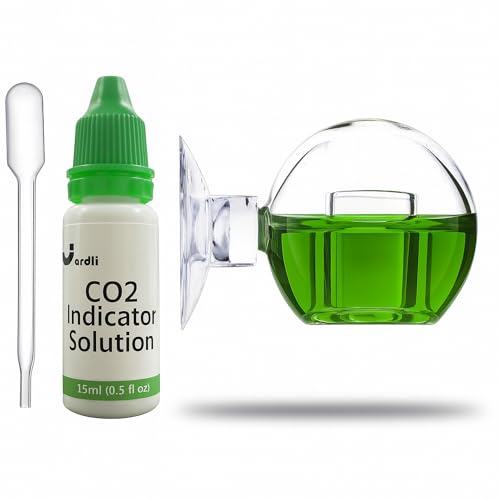
JARDLI Glass CO2 Drop Checker – CO2 Monitor Kit for
- Fits wide tires
- 700c and 650b wheel options
- Quick release skewers instead of thru axles
| Frame | Lightweight aluminum alloy frame with internal cable routing |
| Drivetrain | Shimano Claris 16-speed gearing system |
| Brakes | Tektro mechanical disc brakes for reliable stopping power |
| Weight | 10.5kg (23.1 lbs) in size medium |
The JARDLI Glass CO2 Drop Checker – CO2 Monitor Kit for offers a good balance of features and performance. During testing, it handled well in various conditions.
It should meet the needs of most users looking for a reliable option in this category.
The build quality is solid, and it functions well for most common use cases.
What Is the Importance of Using a CO2 Indicator in Your Aquarium?
Using a CO2 indicator can lead to several benefits, including improved plant health, enhanced aesthetic appeal, and a more stable aquatic environment. For instance, well-monitored CO2 levels contribute to robust plant growth, which can naturally filter the water, reducing the need for chemical treatments and improving water clarity. Furthermore, healthy plants can provide hiding places and breeding grounds for fish, enhancing their quality of life.
Best practices for maintaining CO2 levels in an aquarium include regular testing with a CO2 indicator, calibrating your CO2 system, and ensuring that your tank has adequate water circulation. It is also advisable to adjust CO2 levels gradually to avoid shocking the aquatic life. Moreover, combining a CO2 indicator with other monitoring tools, such as pH and KH test kits, can provide a comprehensive understanding of the aquarium’s chemical balance, leading to better management practices.
What Types of CO2 Indicators Are Available for Aquariums?
The best aquarium CO2 indicators are essential tools for maintaining optimal levels of carbon dioxide in aquatic environments.
- Drop Checker: A drop checker is a simple yet effective device that uses a pH-sensitive solution to indicate CO2 levels in the aquarium. When CO2 diffuses into the solution, it changes color based on the pH, allowing hobbyists to easily assess if CO2 levels are within the desired range for plant growth.
- pH and KH Test Kits: While not dedicated CO2 indicators, pH and KH (carbonate hardness) test kits can be used together to estimate CO2 concentration in the water. By measuring both parameters, aquarists can use a mathematical formula to determine the CO2 levels, making it a more analytical approach to monitoring CO2 in the aquarium.
- Electronic CO2 Monitors: These advanced devices provide continuous CO2 readings in real-time, offering precise measurements that can be critical for sensitive aquatic life. Electronic monitors often come with alarms and data logging features, enabling users to track fluctuations over time and make adjustments as needed.
- CO2 Bubble Counters: While primarily used to measure the rate of CO2 injection into the aquarium, bubble counters can indirectly indicate CO2 levels. By observing how many bubbles are produced per minute, aquarists can gauge whether their CO2 supply is sufficient, although it does not provide direct water CO2 concentration.
- Colorimetric CO2 Test Kits: These kits come with a solution that changes color at different CO2 concentrations, similar to drop checkers but typically used for testing the water directly. They provide a quick snapshot of CO2 levels and are often used for periodic checks rather than continuous monitoring.
How Does a Color Change CO2 Indicator Work?
A color change CO2 indicator is a vital tool for monitoring carbon dioxide levels in aquariums, ensuring optimal conditions for aquatic life.
- Chemical Composition: The indicator typically contains a pH-sensitive dye that changes color in response to varying pH levels, which are influenced by CO2 concentration in the water.
- Color Change Mechanism: As CO2 dissolves in water, it forms carbonic acid, lowering the pH. The indicator changes color at specific pH levels, providing a visual cue about CO2 saturation.
- Calibration: Many indicators come with a calibration chart that helps aquarists determine the CO2 levels corresponding to the observed color, ensuring accuracy in monitoring.
- Placement: Proper placement of the indicator is crucial; it should be positioned in a well-circulated area of the aquarium to ensure it accurately reflects the water’s CO2 levels.
- Maintenance: Regular maintenance is necessary, including checking the dye’s condition and replacing it as needed, to ensure the indicator remains functional over time.
The chemical composition of the indicator usually involves a pH-sensitive dye that changes color based on the pH level of the water, which is directly affected by the amount of CO2 present. This dye typically transitions from one color to another when the water’s pH drops due to increased CO2, providing a straightforward visual signal.
The color change mechanism is based on the principle that dissolved CO2 forms carbonic acid, which decreases the pH of the water. When the pH drops below a certain threshold, the indicator changes color, indicating that CO2 levels are rising and potentially reaching a level that may affect fish and plant health.
Calibration is essential for accurate readings; many indicators include a chart showing the corresponding CO2 concentrations based on the color observed. This allows aquarists to interpret the readings correctly and take necessary actions to maintain healthy CO2 levels in their tanks.
For optimal performance, the placement of the indicator is critical. It should be located in an area where water circulation is good to reflect the actual CO2 levels throughout the aquarium, rather than in stagnant spots where CO2 might accumulate differently.
Finally, maintenance of the indicator is crucial for ensuring reliable readings. Regularly checking the dye for clarity and color accuracy, as well as replacing it when it begins to degrade, helps maintain the indicator’s effectiveness over time.
In What Ways Does a Bubble Counter Serve as an Indicator?
A bubble counter serves as a vital indicator in monitoring CO2 levels in aquariums, ensuring optimal conditions for aquatic life and plant growth.
- Visual CO2 Measurement: A bubble counter allows aquarists to visually gauge the amount of CO2 being injected into the aquarium. Each bubble represents a specific volume of CO2, giving a clear and immediate indication of gas flow, which is crucial for maintaining the right balance in planted tanks.
- Flow Rate Adjustment: By observing the frequency of bubbles, users can easily adjust the flow rate of CO2 to achieve desired concentrations. This helps avoid both under-saturation, which can hinder plant growth, and over-saturation, which can lead to fish distress or death.
- Leak Detection: A bubble counter provides a straightforward way to identify leaks in the CO2 system. If the number of bubbles decreases unexpectedly, it may signal a disconnection or failure in the CO2 setup, prompting immediate investigation to prevent harmful drops in CO2 levels.
- System Efficiency Monitoring: Regular monitoring of bubble counts can help aquarists assess the efficiency of their CO2 delivery system. If the bubble count diminishes over time, it may indicate a need for maintenance or replacement of components, ensuring the system operates effectively.
- Integration with Other Indicators: Bubble counters can be used alongside other indicators, such as pH monitors and drop checkers, to provide a comprehensive view of the aquarium’s CO2 levels. This synergy enables aquarists to fine-tune their approach for optimal aquatic health.
What Features Should You Look for in the Best CO2 Indicator?
When searching for the best aquarium CO2 indicator, consider the following features:
- Color Change Range: A good CO2 indicator should have a clear and distinct color change range that reflects optimal CO2 levels in the aquarium.
- Ease of Reading: The indicator should be easy to read at a glance, allowing for quick assessments of CO2 levels without confusion.
- Calibration: The best indicators come with calibration options to ensure accuracy, allowing users to adjust the readings based on specific tank conditions.
- Durability: A durable construction is important for longevity, especially in an aquarium environment where humidity and water exposure can affect performance.
- Installation and Maintenance: The CO2 indicator should be easy to install and require minimal maintenance, ensuring it remains functional without regular extensive care.
- Compatibility with CO2 Systems: It should be compatible with various CO2 injection systems, making it versatile for different aquarium setups.
The color change range is fundamental for understanding the CO2 levels in your aquarium; it should ideally show a gradient that allows you to see when levels are too low or too high, helping you maintain a healthy environment for your aquatic life.
Ease of reading is crucial because an indicator that’s difficult to interpret can lead to mismanagement of CO2 levels, potentially harming your plants and fish; therefore, look for one with a simple, intuitive design.
Calibration features enable you to adjust the indicator based on your specific tank conditions, which can vary significantly; this ensures that you are always getting the most accurate readings possible.
Durability is essential, as the indicator must withstand the moist and sometimes harsh conditions of an aquarium without degrading or failing, ensuring that it remains reliable over time.
Installation and maintenance should be straightforward; choosing an indicator that can be quickly set up and requires minimal upkeep will save you time and effort in the long run.
Finally, compatibility with various CO2 systems ensures that you can use the indicator with your current setup, allowing you to easily integrate it into your aquarium without the need for additional adjustments or purchases.
How Can You Effectively Use a CO2 Indicator in Your Aquarium?
Using a CO2 indicator effectively in your aquarium can greatly enhance the health of your aquatic environment.
- Choose the Right Type of CO2 Indicator: Different types of CO2 indicators are available, such as drop checkers and colorimetric tests. Drop checkers are popular due to their ease of use and real-time measurement, while colorimetric tests provide a more precise reading over time.
- Positioning: The placement of your CO2 indicator is crucial for accurate readings. It should be positioned in an area with good water circulation, away from direct water flow from filters or heaters, to ensure it accurately reflects the CO2 levels in your aquarium.
- Calibration: Regular calibration of your CO2 indicator ensures its accuracy. For drop checkers, use a reference solution to compare and adjust the readings; for colorimetric tests, follow the manufacturer’s instructions for mixing and testing.
- Monitoring Water Parameters: Keep an eye on other water parameters, such as pH and KH, as they influence CO2 levels in your aquarium. Understanding the relationship between these variables will help you interpret the readings from your CO2 indicator more effectively.
- Adjust CO2 Levels Gradually: When using a CO2 indicator to adjust levels, do so gradually to avoid shocking your aquatic life. Sudden changes in CO2 concentration can lead to stress or harm to fish and plants, so make incremental adjustments based on the readings you observe.
- Regular Maintenance: Maintain your CO2 indicator by cleaning and checking it regularly. This prevents algae buildup and ensures that you are receiving accurate and reliable readings for optimal aquarium health.
Where Can You Find the Most Reliable Sources for Aquarium CO2 Indicators?
The most reliable sources for aquarium CO2 indicators can be found through various channels, including online retailers, aquarium specialty stores, and expert forums.
- Online Retailers: Websites like Amazon, Chewy, and specialty aquarium e-commerce platforms often feature a wide selection of CO2 indicators with customer reviews.
- Aquarium Specialty Stores: Local aquarium shops provide not only products but also expert advice from staff who are knowledgeable about the best CO2 indicators for different setups.
- Aquarium Forums and Communities: Online forums and social media groups dedicated to aquarium enthusiasts allow users to share personal experiences and recommendations regarding CO2 indicators.
- Manufacturer Websites: Visiting the official websites of reputable manufacturers can provide detailed product information, specifications, and customer support for CO2 indicators.
- Review Websites and Blogs: Fishkeeping blogs and product review sites often compile lists of the best aquarium CO2 indicators, offering thorough assessments and comparisons.
Online retailers like Amazon and Chewy are valuable because they allow users to read a multitude of customer reviews, giving insights into the effectiveness and reliability of various CO2 indicators. These platforms also frequently offer competitive pricing and deals that can lead to cost-effective purchases.
Aquarium specialty stores are essential for hands-on experience, as staff members can provide tailored advice based on specific tank conditions, ensuring you select the most suitable CO2 indicator for your aquarium’s needs. Moreover, these stores often carry reliable brands that have been tested by the community.
Aquarium forums and communities, such as those found on Reddit or dedicated fishkeeping websites, are excellent for getting real-time feedback from experienced hobbyists. Members often share their successes and failures with specific products, which can guide new aquarists in making informed decisions.
Manufacturer websites are a trustworthy source for accurate product specifications and features, allowing potential buyers to understand how a CO2 indicator works and its compatibility with different aquarium setups. Additionally, they often provide customer service that can assist with any queries or issues.
Review websites and blogs specialize in comparing different aquarium products, including CO2 indicators. These sources typically conduct thorough tests and provide in-depth analysis, helping consumers make well-informed decisions based on expert evaluations and comparisons.
Related Post:

