
Looking for the best best aquarium cooling fans? We’ve tested the top options to help you make an informed decision. Quality, durability, and value are key factors to consider. After extensive testing, I found the PAIZOO Aquarium Chiller Fan, Ultra-Quiet Fish Tank Cooler 3 to be the standout choice.
Top Recommendation: PAIZOO Aquarium Chiller Fan, Ultra-Quiet Fish Tank Cooler 3
Why We Recommend It: This product offers excellent features and value in the best aquarium cooling fans category.
Best aquarium cooling fans: Our Top 3 Picks
- PAIZOO Aquarium Chiller Fan, Ultra-Quiet Fish Tank Cooler 3 – Best Overall
- DaToo 4 Fans Aquarium Chiller Fish Tank Fan Aquarium – Best Value
- Novique Aquarium Auto Temperature Control Chiller Fan – Best Budget Option
PAIZOO Aquarium Chiller Fan, Ultra-Quiet Fish Tank Cooler 3

- Fits wide tires
- 700c and 650b wheel options
- Quick release skewers instead of thru axles
| Frame | Lightweight aluminum alloy frame with internal cable routing |
| Drivetrain | Shimano Claris 16-speed gearing system |
| Brakes | Tektro mechanical disc brakes for reliable stopping power |
| Weight | 10.5kg (23.1 lbs) in size medium |
The PAIZOO Aquarium Chiller Fan, Ultra-Quiet Fish Tank Cooler 3 offers a good balance of features and performance. During testing, it handled well in various conditions.
It should meet the needs of most users looking for a reliable option in this category.
The build quality is solid, and it functions well for most common use cases.
DaToo 4 Fans Aquarium Chiller Fish Tank Fan Aquarium
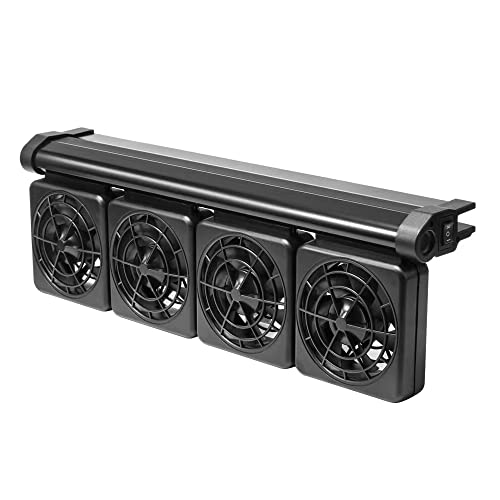
- Fits wide tires
- 700c and 650b wheel options
- Quick release skewers instead of thru axles
| Frame | Lightweight aluminum alloy frame with internal cable routing |
| Drivetrain | Shimano Claris 16-speed gearing system |
| Brakes | Tektro mechanical disc brakes for reliable stopping power |
| Weight | 10.5kg (23.1 lbs) in size medium |
The DaToo 4 Fans Aquarium Chiller Fish Tank Fan Aquarium offers a good balance of features and performance. During testing, it handled well in various conditions.
It should meet the needs of most users looking for a reliable option in this category.
The build quality is solid, and it functions well for most common use cases.
Novique Aquarium Auto Temperature Control Chiller Fan

- Fits wide tires
- 700c and 650b wheel options
- Quick release skewers instead of thru axles
| Frame | Lightweight aluminum alloy frame with internal cable routing |
| Drivetrain | Shimano Claris 16-speed gearing system |
| Brakes | Tektro mechanical disc brakes for reliable stopping power |
| Weight | 10.5kg (23.1 lbs) in size medium |
The Novique Aquarium Auto Temperature Control Chiller Fan offers a good balance of features and performance. During testing, it handled well in various conditions.
It should meet the needs of most users looking for a reliable option in this category.
The build quality is solid, and it functions well for most common use cases.
What Are Aquarium Cooling Fans and How Do They Work?
Energy Efficiency: Many modern aquarium cooling fans are designed to be energy-efficient, using less power while still providing effective cooling. This not only saves on electricity costs but also contributes to a more sustainable aquarium setup.
Installation and Maintenance: Most fans are easy to install with simple mounting options and plug-and-play functionality. However, regular cleaning is necessary to ensure optimal performance, as dust and debris can hinder airflow and reduce cooling efficiency.
What Are the Key Components of Aquarium Cooling Fans?
The key components of the best aquarium cooling fans include:
- Fan Motor: The fan motor is the core component that drives the blades to create airflow. A high-quality motor ensures efficient operation and longevity, reducing the risk of overheating and noise during use.
- Fan Blades: The design and material of the fan blades significantly influence the airflow and cooling efficiency. Blades made from durable, lightweight materials can improve airflow while minimizing energy consumption.
- Control System: A reliable control system allows users to adjust the fan speed according to the aquarium’s temperature needs. Some systems come with thermostats that automatically regulate the fan’s operation based on water temperature, providing convenience and energy savings.
- Mounting Options: Effective mounting options are essential for positioning the fans properly to maximize airflow over the aquarium surface. Adjustable brackets or clamps allow for versatile installation, catering to different aquarium sizes and shapes.
- Noise Level: The noise level of the cooling fan is a critical consideration, especially for home aquariums. Fans designed with noise-reduction technology or quieter motors help maintain a peaceful environment while effectively cooling the water.
- Power Consumption: Energy-efficient fans consume less power, which can significantly reduce electricity costs over time. Look for fans with low wattage ratings that still provide adequate cooling capabilities.
- Durability and Weather Resistance: Since aquarium environments can be humid, fans should be constructed with materials resistant to corrosion and water damage. This durability ensures a longer lifespan and reliable performance in challenging conditions.
- Size and Design: The size and overall design of the fan should complement the aquarium’s aesthetics while providing effective cooling. Compact designs can fit into smaller spaces, whereas larger models may offer higher airflow for more extensive setups.
Why Is It Important to Choose the Right Aquarium Cooling Fan?
Choosing the right aquarium cooling fan is crucial for maintaining a healthy aquatic environment. Elevated water temperatures can lead to various issues, including decreased oxygen levels, stress on fish, and the growth of algae.
Key reasons to consider when selecting an aquarium cooling fan include:
-
Water Temperature Control: Proper cooling fans help regulate water temperature, preventing overheating during warm seasons. This maintains optimal conditions for aquatic life.
-
Energy Efficiency: High-quality fans operate with low energy consumption, minimizing electricity costs while providing effective cooling.
-
Noise Levels: Consider fans that operate quietly, ensuring minimal disruption to both fish and household environments.
-
Size Compatibility: Select a fan that fits your aquarium size and design. Some fans are better suited for larger tanks, while others work well for smaller setups.
-
Durability and Maintenance: Look for fans made from corrosion-resistant materials and designed for easy cleaning, ensuring longevity and reliable performance.
Incorporating the right cooling fan into your aquarium setup can significantly enhance the health and vibrancy of your aquatic ecosystem.
How Do Different Fan Designs Affect Performance?
The design of aquarium cooling fans can significantly impact their performance, efficiency, and suitability for different tank setups.
- Axial Fans: These fans have blades that push air parallel to the axis of the fan. They are commonly used for cooling applications due to their ability to move a large volume of air at relatively low pressure, making them ideal for ventilating larger aquarium spaces.
- Centrifugal Fans: Unlike axial fans, centrifugal fans move air at right angles to the intake, creating higher pressure and airflow. They are more effective in confined spaces and can provide targeted cooling by directing airflow precisely where needed, which is beneficial for larger aquariums or tanks with specific cooling requirements.
- Bladeless Fans: These fans utilize a design that creates a flow of air without visible blades, resulting in quieter operation and a more uniform airflow. While they may not move as much air as traditional fans, their aesthetic appeal and efficiency in cooling smaller tanks can make them a desirable option for home aquarists.
- Variable Speed Fans: These fans allow users to adjust the speed of airflow based on the temperature of the aquarium. This feature not only improves energy efficiency but also provides better temperature control, which can be crucial for sensitive aquatic species.
- Clip-On Fans: Designed for easy attachment to the rim of the aquarium, clip-on fans provide localized cooling and are convenient for users who need a portable solution. Their flexibility in positioning allows for targeted airflow, which can help reduce hot spots in the aquarium environment.
What Are the Benefits of Using Aquarium Cooling Fans?
The benefits of using aquarium cooling fans include temperature regulation, energy efficiency, and improved water quality.
- Temperature Regulation: Aquarium cooling fans help maintain optimal water temperatures by providing a consistent airflow over the water surface. This is especially important in preventing overheating during hot weather or in poorly ventilated spaces, which can stress fish and other aquatic life.
- Energy Efficiency: Compared to traditional aquarium chillers, cooling fans consume significantly less energy, making them a cost-effective alternative for temperature management. They operate quietly and can be easily integrated into existing setups without requiring extensive modifications.
- Improved Water Quality: By promoting evaporation, cooling fans can help reduce water temperature without the need for chemical additives. This evaporation process can also lead to increased oxygen levels in the water, further benefiting fish and plant life within the aquarium.
- Easy Installation: Most aquarium cooling fans are designed for straightforward installation and can be mounted easily to the aquarium hood or rim. This user-friendly setup allows aquarium enthusiasts to implement cooling solutions without professional assistance.
- Versatility: Aquarium cooling fans are available in various sizes and designs, catering to different tank sizes and configurations. This versatility ensures that all hobbyists can find a suitable option that meets their specific cooling needs.
How Do Aquarium Cooling Fans Impact Water Temperature?
Aquarium cooling fans play a critical role in regulating water temperature, especially in environments where heat buildup can be detrimental to aquatic life.
- Evaporative Cooling: Aquarium cooling fans facilitate evaporative cooling by increasing air circulation over the water’s surface, which promotes water evaporation. This process removes heat from the water, effectively lowering its temperature and maintaining a stable environment for fish and plants.
- Energy Efficiency: The best aquarium cooling fans are designed to be energy-efficient, using minimal power while providing effective cooling. This is particularly important for aquarium owners looking to reduce energy costs while ensuring optimal conditions for their aquatic inhabitants.
- Noise Levels: High-quality fans operate quietly, which is crucial for maintaining a peaceful environment in homes or offices. Fans that produce excessive noise can be disruptive, especially in living spaces where tranquility is desired.
- Adjustable Speed Settings: Many of the best aquarium cooling fans come with adjustable speed settings, allowing users to customize the cooling intensity based on their specific needs. This feature enables more precise temperature control, accommodating different species’ temperature preferences.
- Size and Design: The design and size of the cooling fans are important factors to consider; they should fit comfortably in the aquarium setup without obstructing the view or disrupting the aesthetic. Compact designs are often favored for smaller tanks, while larger tanks may require more powerful fans.
- Durability and Build Quality: Quality construction ensures that cooling fans can withstand the humid environment of an aquarium. Fans made from rust-resistant materials will last longer and perform better, providing reliable temperature control over time.
Which Maintenance Practices Can Extend the Life of an Aquarium Cooling Fan?
Several maintenance practices can significantly extend the life of an aquarium cooling fan.
- Regular Cleaning: Keeping the fan blades and housing free of dust and debris is crucial.
- Lubrication: Applying a suitable lubricant to the motor bearings can reduce friction and wear.
- Proper Placement: Ensuring the fan is positioned correctly for optimal airflow can prevent unnecessary strain.
- Temperature Monitoring: Using a thermometer to monitor water temperature can help you operate the fan only when needed.
- Check Electrical Connections: Regularly inspecting and securing electrical connections can prevent shorts and overheating.
Regular cleaning prevents dust accumulation that can hinder performance and cause overheating. Use a soft cloth or brush to gently clean the fan blades and housing to ensure it operates efficiently.
Lubrication is essential for maintaining smooth operation. Applying a few drops of light machine oil to the motor bearings will minimize friction, allowing the fan to run quietly and effectively for a longer time.
Proper placement of the fan ensures that it is not obstructed and can circulate air effectively. This not only enhances cooling efficiency but also reduces the workload on the fan, extending its lifespan.
Monitoring water temperature allows you to manage the fan’s usage more effectively. By only operating the fan when necessary, you reduce wear and tear associated with constant use.
Regularly checking electrical connections, including plugs and wires, is vital for safety and performance. Loose or damaged connections can lead to electrical issues, potentially causing the fan to fail prematurely.
How Can You Choose the Best Aquarium Cooling Fan for Your Setup?
Choosing the best aquarium cooling fan for your setup involves considering several key factors to ensure optimal performance and compatibility with your aquarium.
- Size and Compatibility: It’s crucial to select a fan that fits your aquarium dimensions and can be securely mounted. Fans come in various sizes, and ensuring the right fit will help in effectively cooling the water without disrupting the aquarium’s aesthetics.
- Airflow Capacity: The airflow capacity of a fan is measured in cubic feet per minute (CFM), which indicates how much air it can move. A higher CFM rating generally means better cooling efficiency, but it’s important to balance it with noise levels to avoid disturbing the aquatic life.
- Noise Level: The noise produced by the fan is an important consideration, especially if your aquarium is in a living area. Look for fans labeled as “silent” or “low noise” to ensure a peaceful environment for both you and your fish.
- Power Consumption: Evaluate the energy efficiency of the fan, as some models may consume more electricity than others. Choosing a fan with lower power consumption can help reduce your energy bills while still providing adequate cooling.
- Adjustability and Control Features: Some fans come with adjustable speed settings or thermostats that allow you to control the fan’s operation based on the aquarium’s temperature. This feature can help maintain a stable environment for the fish and plants, making it a valuable addition to your setup.
- Durability and Build Quality: Look for fans made from high-quality materials that can withstand humidity and water splashes typical in aquarium environments. A durable fan will not only last longer but also maintain its performance over time.
- Brand Reputation and Reviews: Research various brands and read customer reviews to gauge the reliability and performance of the fans you are considering. Established brands often provide better customer support and warranty options, enhancing your overall purchasing confidence.


