
Looking for the best best 12 volt marine water pump? We’ve tested the top options to help you make an informed decision. Quality, durability, and value are key factors to consider. After extensive testing, I found the SEAFLO 21 Series Water Pressure Diaphragm Pump – 12V DC, to be the standout choice.
Top Recommendation: SEAFLO 21 Series Water Pressure Diaphragm Pump – 12V DC,
Why We Recommend It: This product offers excellent features and value in the best 12 volt marine water pump category.
Best 12 volt marine water pump: Our Top 2 Picks
- SEAFLO 21 Series Water Pressure Diaphragm Pump – 12V DC, – Best Overall
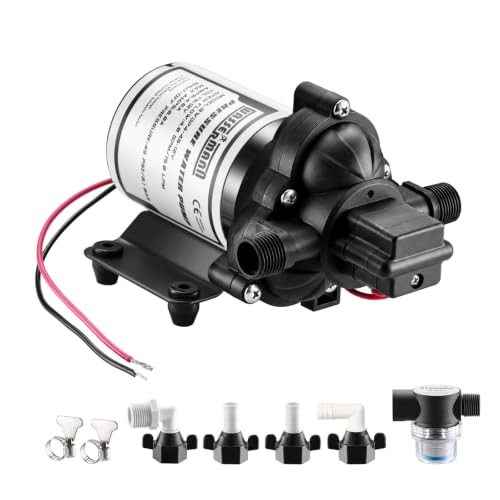
- WASSERMANN RV Pump, 12V Self-priming RV Water Pressure Pump – Best Value
SEAFLO 21 Series Water Pressure Diaphragm Pump – 12V DC,

- Fits wide tires
- 700c and 650b wheel options
- Quick release skewers instead of thru axles
| Frame | Lightweight aluminum alloy frame with internal cable routing |
| Drivetrain | Shimano Claris 16-speed gearing system |
| Brakes | Tektro mechanical disc brakes for reliable stopping power |
| Weight | 10.5kg (23.1 lbs) in size medium |
The SEAFLO 21 Series Water Pressure Diaphragm Pump – 12V DC, offers a good balance of features and performance. During testing, it handled well in various conditions.
It should meet the needs of most users looking for a reliable option in this category.
The build quality is solid, and it functions well for most common use cases.
WASSERMANN RV Pump, 12V Self-priming RV Water Pressure Pump
- Fits wide tires
- 700c and 650b wheel options
- Quick release skewers instead of thru axles
| Frame | Lightweight aluminum alloy frame with internal cable routing |
| Drivetrain | Shimano Claris 16-speed gearing system |
| Brakes | Tektro mechanical disc brakes for reliable stopping power |
| Weight | 10.5kg (23.1 lbs) in size medium |
The WASSERMANN RV Pump, 12V Self-priming RV Water Pressure Pump offers a good balance of features and performance. During testing, it handled well in various conditions.
It should meet the needs of most users looking for a reliable option in this category.
The build quality is solid, and it functions well for most common use cases.
What Is a 12 Volt Marine Water Pump and How Does It Work?
The benefits of using a 12-volt marine water pump extend beyond basic functionality. They are often lightweight and compact, making them ideal for boats where space is at a premium. Many modern pumps also feature automatic switches, which allow them to activate when water levels rise, providing an added layer of convenience and safety. Additionally, advancements in pump technology have led to more energy-efficient models that reduce power consumption while maintaining high performance.
Best practices for choosing and maintaining a 12-volt marine water pump include selecting a pump that matches the specific requirements of the vessel, such as flow rate and pressure. Regular maintenance, including checking for clogs, leaks, and electrical connections, ensures optimal performance and longevity. It’s also advisable to keep spare parts on hand and periodically test the pump’s operation to avoid surprises while at sea. Investing in a reliable and efficient marine water pump can significantly enhance the marine experience, providing peace of mind and convenience for boaters.
What Key Features Should You Consider When Choosing a 12 Volt Marine Water Pump?
When choosing the best 12 volt marine water pump, several key features should be considered to ensure optimal performance and reliability.
- Flow Rate: The flow rate is critical as it determines how much water the pump can move in a specific time frame, usually measured in gallons per minute (GPM). A higher flow rate is essential for tasks like bilge pumping and livewell filling, so you should match the pump’s capacity with your specific needs.
- Power Consumption: Since marine environments often rely on 12-volt systems, understanding a pump’s power consumption is vital. Look for pumps that provide a good balance between performance and energy efficiency, as excessive power draw can quickly deplete battery reserves.
- Durability and Build Quality: Marine environments can be harsh, so the pump should be constructed from corrosion-resistant materials, such as stainless steel or high-quality plastics. A durable build ensures longevity and reduces the risk of failure when exposed to moisture and saltwater conditions.
- Port Size: The port size of the pump dictates the compatibility with your existing plumbing system. Ensure the pump has the appropriate inlet and outlet fittings for easy installation and efficient water flow without leaks.
- Noise Level: Depending on your use case, the noise level of the pump may be important, especially in a recreational setting. Quieter pumps can enhance the overall experience by minimizing disturbances on board, making it more enjoyable for you and your guests.
- Self-Priming Capability: A self-priming pump can draw water without needing to be manually primed, which can be a significant convenience. This feature is particularly beneficial in applications where the pump may not always be submerged in water, ensuring reliable operation.
- Warranty and Customer Support: A good warranty can provide peace of mind, indicating the manufacturer’s confidence in their product. Additionally, responsive customer support can be invaluable if you encounter issues or require assistance with installation or maintenance.
How Does Flow Rate Influence Pump Efficiency?
The flow rate and head pressure relationship is essential to understand since a pump’s efficiency can degrade if the flow rate exceeds the system’s capacity to handle it. This can result in cavitation or excessive wear on the pump components, ultimately leading to reduced lifespan and increased maintenance costs.
Impeller design plays a significant role in determining how well a pump performs at various flow rates. A well-engineered impeller can minimize turbulence and maximize water movement, ensuring that the pump remains efficient across its operational range.
System compatibility ensures that the pump can deliver the required flow rate without causing bottlenecks or excessive pressure drops in the plumbing system. If the pump’s flow rate is mismatched with the system architecture, it can lead to inefficiencies and potential operational issues.
Energy consumption is another critical factor; higher flow rates generally increase energy costs. Selecting a pump that can efficiently manage the desired flow without excessive energy use is essential for maintaining operational costs, especially in remote marine applications where power sources may be limited.
Why Is Power Consumption Important for Your Marine Journey?
Power consumption is crucial for anyone planning marine activities, particularly when selecting a 12-volt marine water pump. Understanding the impact of energy requirements on your journey can enhance overall efficiency and safety aboard.
-
Battery Life: A pump with higher power consumption can drain your batteries quickly. If you plan to be on extended trips, choosing a pump with lower wattage helps maintain battery levels.
-
System Compatibility: Different marine experiences require various power outputs. Ensure your pump’s wattage aligns with your boat’s electrical system to avoid potential overloads or failures.
-
Pump Efficiency: Modern pumps often strive for a balance between power consumption and performance. Opting for high-efficiency models can reduce energy use while maintaining great water flow rates.
-
Extra Features: Many pumps have additional functions, such as automatic switches or sensors, which may increase energy draw. Knowing your power limits helps you decide whether these features are necessary for your needs.
Taking power consumption into account promotes a more reliable and enjoyable marine experience, ensuring that your electrical systems function optimally.
What Materials Ensure Durability in Marine Water Pumps?
The materials that ensure durability in marine water pumps include:
- Stainless Steel: Stainless steel is highly resistant to corrosion and rust, making it an ideal choice for marine environments where saltwater exposure is common. Its strength and durability ensure that the pump can withstand harsh conditions without degrading over time.
- Bronze: Bronze is another excellent material for marine applications due to its resistance to corrosion and ability to handle high temperatures. It is commonly used in impellers and pump housings, providing both structural integrity and longevity in harsh water conditions.
- Plastic (Polypropylene or PVC): High-quality plastics such as polypropylene and PVC offer good resistance to chemical corrosion and are lightweight, making them suitable for various marine applications. While not as strong as metals, they are often used in smaller pumps where corrosion resistance is prioritized.
- Rubber Seals: Rubber seals are crucial for preventing leaks and ensuring the pump operates efficiently. Using high-grade rubber that can withstand exposure to water and various marine chemicals significantly enhances the overall durability of the pump.
- Marine Grade Aluminum: Marine grade aluminum is specifically designed to resist corrosion in saltwater environments while being lightweight and strong. This material is often used in the structural components of pumps, ensuring they remain robust without adding unnecessary weight.
- Coated Metals: Metals that are coated with protective materials such as epoxy or powder coating can significantly improve resistance to corrosion and wear. This coating forms a barrier that protects the underlying metal, making it suitable for long-term use in marine applications.
Which Brands Are Leading the Market for 12 Volt Marine Water Pumps?
The leading brands for 12-volt marine water pumps include:
- Shurflow: Known for its reliability and performance, Shurflow offers a range of marine water pumps that cater to various applications on boats.
- Rule: Rule is a well-established name in the marine industry, providing high-quality pumps specifically designed for water transfer and bilge pumping.
- Attwood: Attwood focuses on making innovative and user-friendly marine products, including their efficient 12-volt water pumps that are designed for ease of installation and operation.
- Johnson Pump: Johnson Pump specializes in reliable and durable pumps that are suitable for both recreational and commercial marine use, ensuring high performance under demanding conditions.
- Seaflo: Seaflo is recognized for offering affordable yet reliable 12-volt marine water pumps, making them a popular choice among boaters looking for value without sacrificing quality.
Shurflow: Shurflow pumps are celebrated for their ability to consistently deliver high flow rates, making them ideal for water supply in larger vessels. Their products come with features such as automatic shut-off and self-priming capabilities, enhancing their usability in marine environments.
Rule: Rule pumps are engineered for maximum reliability, often featuring an anti-flood design and corrosion-resistant materials, which is crucial for the harsh marine environment. They are particularly known for their bilge pumps that can handle heavy-duty water removal tasks effectively.
Attwood: Attwood’s range of 12-volt marine water pumps is designed to provide quiet operation and energy efficiency, making them suitable for longer trips where noise and power consumption are concerns. They also offer a variety of models tailored for specific applications, such as livewells and washdown systems.
Johnson Pump: Johnson Pump’s products are built to withstand the rigors of marine life, featuring robust construction and proven performance in various marine applications. Their pumps are often equipped with innovative technologies that optimize efficiency and reduce the risk of clogging or failure.
Seaflo: Seaflo pumps are a great choice for budget-conscious boaters, offering good performance at a lower price point. They are designed with user-friendly features such as quick-connect fittings and easy access for maintenance, making them a practical option for many boat owners.
What Are the Common Applications of 12 Volt Marine Water Pumps?
The common applications of 12 Volt marine water pumps are diverse and essential for various boating and marine activities.
- Bilge Pumping: These pumps are primarily used to remove water from the bilge area of a boat, preventing flooding and ensuring the vessel remains buoyant and stable. They are typically automatic or manual, activating when water levels rise above a certain point.
- Fresh Water Supply: 12 Volt marine water pumps facilitate the delivery of fresh water from onboard tanks to sinks, showers, and other outlets. This ensures that boaters have access to potable water for drinking and cleaning purposes while at sea.
- Livewell Aeration: In fishing applications, these pumps are used to circulate and aerate water in livewells, keeping bait fish alive and healthy. Proper aeration is crucial to maintaining oxygen levels in the water, which is vital for the fish’s survival.
- Waste Management: These pumps can also be used to pump out holding tanks for waste management systems on boats. They help in transferring sewage to shore facilities, ensuring compliance with marine sanitation regulations.
- Cooling Systems: In some cases, 12 Volt marine water pumps are used in engine cooling systems, providing necessary water flow to cool engines and maintain optimal operating temperatures. This application is vital for preventing overheating and ensuring engine longevity.
- Deck Washdown: Marine water pumps are often employed for deck washdown systems to clean the boat’s deck and remove salt, dirt, and debris. This helps maintain the boat’s appearance and prevents buildup that could cause damage over time.
How Can a 12 Volt Marine Water Pump Enhance Your Boat’s Performance?
A 12 volt marine water pump can significantly enhance a boat’s performance by increasing efficiency, improving water circulation, and providing reliable water management.
- Increased Efficiency: A high-quality 12 volt marine water pump operates effectively with minimal power consumption, allowing for better battery life and reducing the strain on the boat’s electrical systems.
- Improved Water Circulation: These pumps facilitate better water circulation, which is crucial for cooling engines and ensuring that onboard systems function optimally, contributing to overall performance.
- Reliable Water Management: Marine water pumps are designed to handle various water management tasks, such as bilge pumping and livewell filling, ensuring that your boat remains safe and operational in different conditions.
- Durability in Marine Environments: The best 12 volt marine water pumps are built with corrosion-resistant materials and robust designs, making them suitable for the harsh marine environment and prolonging their lifespan.
- Versatile Applications: These pumps can be used for multiple applications, including fresh water systems, wastewater removal, and even shower systems, enhancing the versatility of your boat’s onboard facilities.
- Ease of Installation: Many 12 volt marine water pumps are designed for straightforward installation, making it easier for boat owners to upgrade or replace existing pumps without extensive modifications.
What Types of Marine Water Systems Benefit Most from a 12 Volt Pump?
Several types of marine water systems benefit significantly from using a 12-volt pump.
- Freshwater Systems: These systems, often used in boats for drinking and cooking, require reliable water movement. A 12-volt pump ensures efficient water delivery from storage tanks to faucets, providing a constant flow without draining the boat’s battery quickly.
- Bilge Pumps: Essential for removing excess water from the bilge area, 12-volt bilge pumps are crucial for maintaining a boat’s safety. They activate automatically or manually to prevent flooding, making them vital for any vessel operating in marine environments.
- Livewell Pumps: Used by anglers to keep bait fish alive, livewell pumps circulate water in livewells. A 12-volt pump can efficiently draw water in and out, ensuring optimal conditions for the bait while conserving battery power.
- Washing Systems: For cleaning decks, gear, and other surfaces, 12-volt pumps supply pressurized water. These pumps are portable, allowing boaters to maintain cleanliness without relying on shore water sources, making them ideal for off-grid situations.
- Water Transfer Pumps: These pumps are used to move water between tanks or from the sea to fresh water storage. A 12-volt water transfer pump is lightweight and energy-efficient, enabling quick transfers while minimizing the risk of overloading the boat’s electrical system.
How Should You Install and Maintain a 12 Volt Marine Water Pump for Longevity?
To install and maintain a 12 Volt marine water pump effectively for longevity, consider the following key aspects:
- Proper Installation: Ensure the pump is mounted securely and in a location that minimizes exposure to water and debris.
- Wiring and Power Connection: Use marine-grade wiring and connectors to prevent corrosion and ensure a reliable power supply.
- Regular Cleaning: Periodically check and clean the pump and its filters to prevent clogging and maintain optimal performance.
- Routine Inspections: Regularly inspect the pump for any signs of wear or damage, addressing issues before they escalate.
- Winterization: Properly winterize the pump to protect it from freezing temperatures when the boat is not in use.
Proper Installation: The installation of the pump should be done in a dry, well-ventilated area, ideally above the waterline to prevent backflow. Secure mounting reduces vibration and potential damage over time, while ensuring that the pump is easily accessible for maintenance.
Wiring and Power Connection: To ensure a long-lasting connection, use high-quality marine-grade wiring that is resistant to corrosion and degradation from saltwater. Make sure to connect the pump to a dedicated circuit with a fuse to protect against electrical surges, which can cause damage to the pump.
Regular Cleaning: Maintaining cleanliness is vital for the longevity of the water pump. Debris and sediment can easily clog the inlet and outlet, leading to reduced efficiency or complete failure, so regularly inspect and clean the pump and its filters to ensure smooth operation.
Routine Inspections: Conduct frequent inspections to check for leaks, signs of wear, or any unusual noises during operation. Early detection of potential problems allows for timely repairs, preventing more significant issues that could lead to pump failure.
Winterization: When preparing your boat for winter storage, it’s crucial to properly winterize the pump. This involves draining any water from the system and using antifreeze to protect the pump from freezing temperatures, which can lead to cracking and permanent damage.
Related Post:

